How Does Termites Eat Wood? Proven Secret
Termites don’t just eat wood; they use special microorganisms, like tiny helpers in their gut, to break down the tough cellulose structure. They are driven by instinct to consume cellulose for energy, avoiding the part of the wood we use—the heartwood—and targeting the softer sapwood where food is easiest to find.
Hello there! I’m Md Meraj, and I know that finding little tunnels in your prized wooden deck or bookshelf can feel like a punch to the gut. Seeing damage you didn’t cause, especially to beautiful wood, is frustrating. You want to know exactly what you are dealing with. Understanding how termites eat wood isn’t just for pest control experts; it’s key to protecting your projects and home.
Don’t worry, we are going to look right into the world of these tiny wood destroyers. We’ll break down the science into simple steps so you can feel confident knowing the enemy. Ready to uncover the secret to how termites dismantle wood piece by piece? Let’s grab our magnifying glass and learn!
The Termite Appetite: Understanding Why They Love Your Wood
As DIYers and homeowners, we value durability and craftsmanship. When termites show up, they threaten all that hard work. To effectively stop them, we need to look past the superficial damage and understand their core need.
Termites are often called “silent destroyers,” but the truth is, they are excellent engineers working 24/7. They are not eating the wood for fun; they need it for survival, just like we need food.
Cellulose: Termite Gold Standard
The secret to how does termites eat wood lies entirely in one word: cellulose.
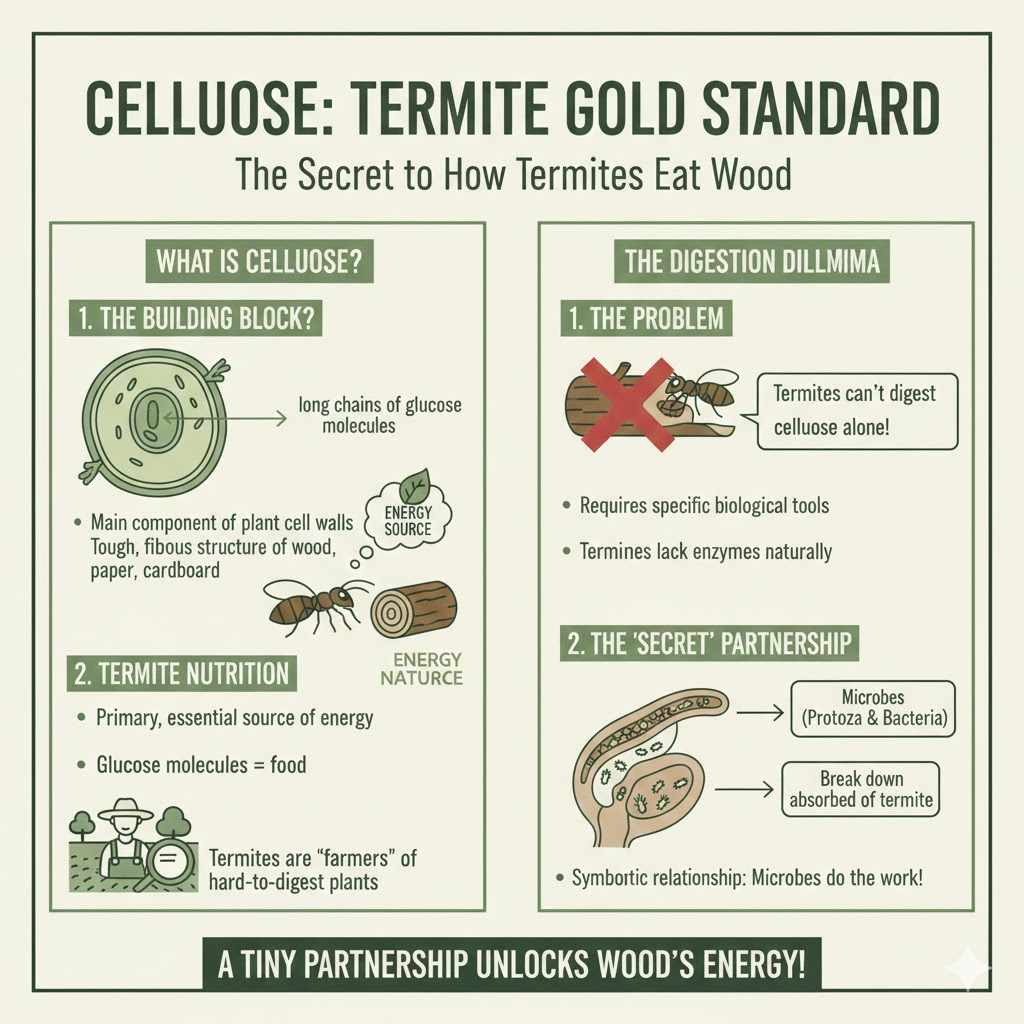
Cellulose is the main building block of the plant cell walls, making up the tough, fibrous structure of wood, paper, and cardboard. For us, cellulose is just fiber. For a termite, it is the primary, essential source of energy and nutrition.
Termites are essentially farmers that specialize in cultivating hard-to-digest plants.
Why can’t they just eat anything?
Termites need to extract the energy stored in the long chains of glucose molecules that make up cellulose. This process requires specific biological tools that termites themselves do not possess naturally. This leads us to the real “secret.”
The Symbiotic Relationship: Termites’ Tiny Kitchen Helpers
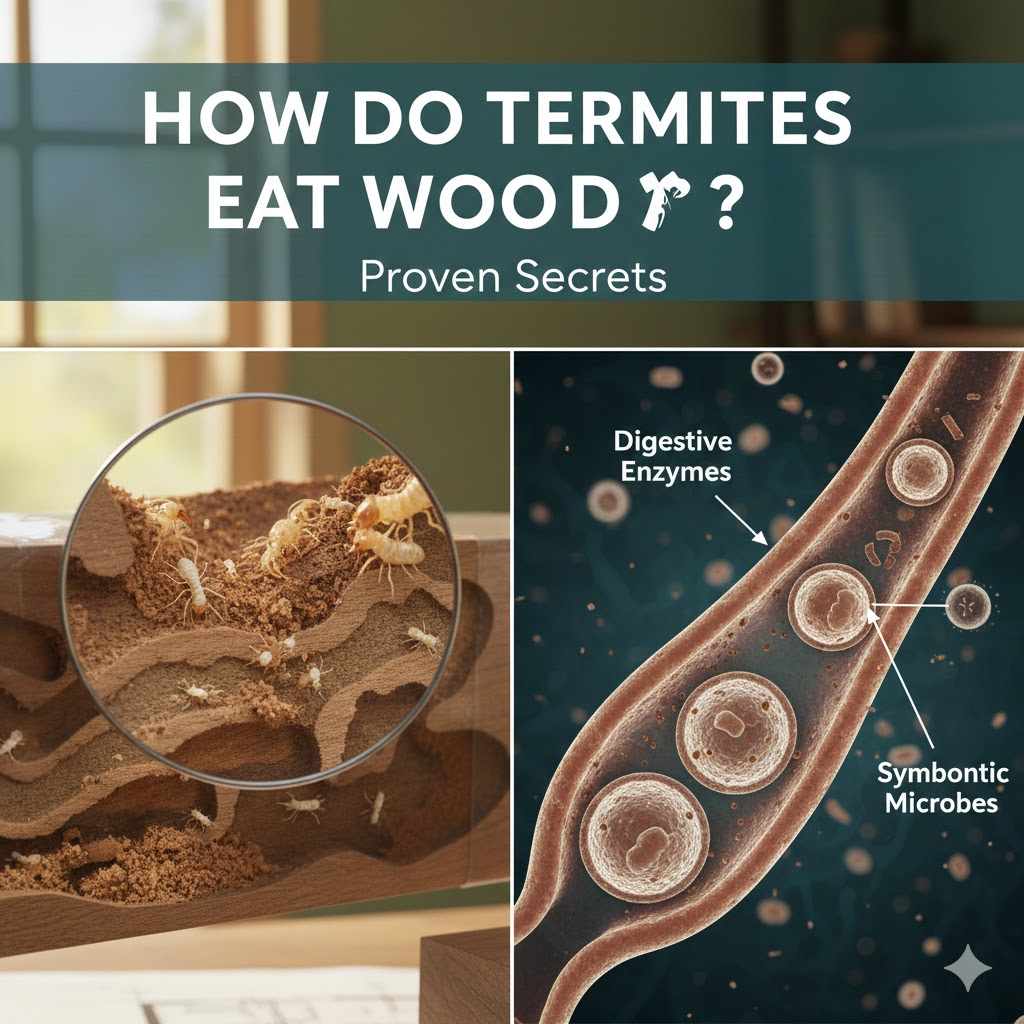
This is the proven secret that most beginners miss: Termites cannot digest wood on their own. They are almost entirely dependent on microorganisms living inside their hindgut—a process known as symbiosis.
Imagine a tiny, microscopic construction crew working non-stop inside the termite!
Meet the Microbe Team
The termite’s digestive system is packed with specialized protozoa and bacteria. When the termite chews wood and swallows it, the cellulose goes into the hindgut where these tiny creatures get to work.
1. Breaking Down the Bonds: These microbes possess specific enzymes (like cellulases) that break the tough chemical bonds in cellulose.
2. Creating Digestible Sugars: This breakdown converts the cellulose into simple sugars (like glucose).
3. Feeding the Termite: The termite then absorbs these sugars, providing the necessary energy to fuel its colony and keep moving through your wood.
Without these gut microbes, a termite might as well be eating a rock. This dependency explains why, if the termite encounters treated wood or poisoned food, its entire digestive ecosystem collapses, stopping the termite from surviving.
Which Termites are Eating Your House? A Quick Look
Not all termites operate the same way or eat wood in the same environment. Understanding the species helps you figure out where the main attack is happening. Here are the three main groups you might run into:
| Termite Type | Primary Habitat | Feeding Style |
|---|---|---|
| Subterranean Termites (SOT) | In soil; enter structures from below | Highly aggressive, build mud tubes |
| Drywood Termites (DRY) | Inside wooden structures (no soil contact) | Leave small, hard fecal pellets (frass) |
| Dampwood Termites | Decaying, moist wood | Usually attack moisture-damaged lumber |
Where Termites Target: Sapwood vs. Heartwood
When we talk about wood destruction, it’s important to know that termites aren’t indiscriminately eating every part of a piece of lumber. They are picky eaters, even within the same piece of wood!
Think about a tree trunk; it has two main parts that matter to us:
1. Heartwood: This is the denser, darker, central part of the wood. In many tree species, the heartwood is rich in natural resins and extracts designed by the tree to resist decay and pests. Termites often avoid this.
2. Sapwood: This is the outer, lighter layer of the wood that transports water and nutrients. It has less defense compounds and a higher concentration of the soft starch termites crave. This is their main target.
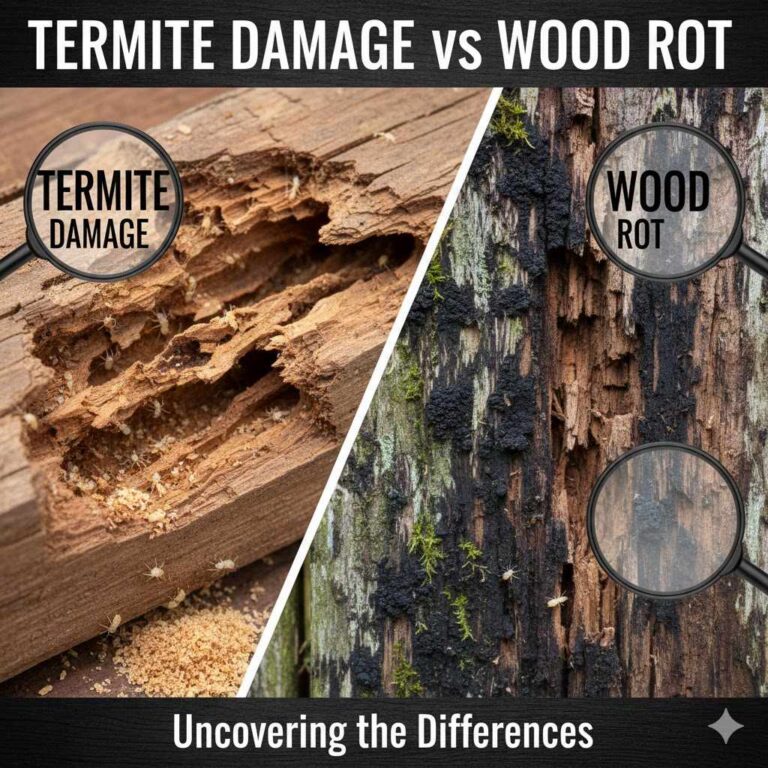
If you ever see a beam eaten out, notice how often the hard, darker central lines are left untouched, while the lighter surrounding wood is hollowed out. They go where the food is easiest to access!
The Step-by-Step Process: How Termites Tunnel and Feed
Now that we know what they want (cellulose) and how they digest it (microbes), let’s walk through the physical act of consumption. It’s a precise, team-based effort.
Step 1: Entry and Exploration
Termites, especially subterranean termites, start by sensing moisture and cellulose gradients. They are incredibly sensitive to changes in humidity.
- Tunneling Through Soil: Subterranean termites move through the soil looking for food sources.
- Finding the Access Point: They often enter homes through cracks in foundations, gaps around plumbing entries, or even directly through moist soil contacting wooden sill plates.
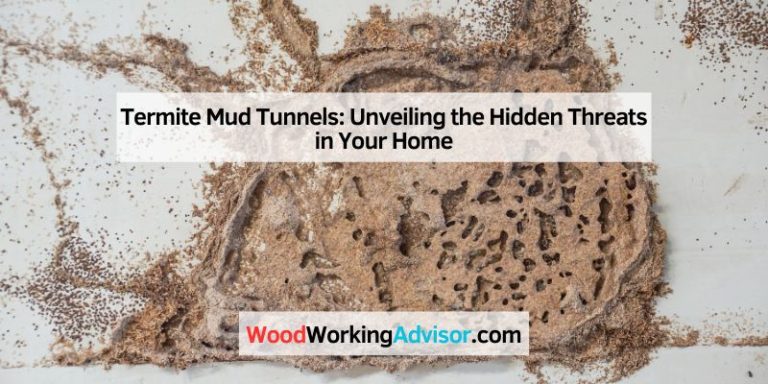
- Building Mud Tubes: To maintain high humidity and keep away predators (like ants), they construct elaborate mud tubes. These tubes are pathways from the damp soil to the wood source above. If you see pencil-sized mud trails on concrete, that’s Step 1 complete!
Step 2: Chewing and Collection (The Foraging Workers)
The primary excavators are the worker termites. These are the most numerous termites in the colony and are solely responsible for feeding everyone else.
The worker uses its mandibles (jaws) like tiny shears. They do not chew large chunks, which would make noise and expose them. Instead, they scrape off very fine particles of wood fiber.
Pro Tip for Homeowners: Termites work best when they are hidden. They try to eat from the inside out, leaving just a thin veneer of surface wood behind. This is why tapping on drywall or wood might sound solid, but there’s nothing but air (and termite tunnels) inside!
Step 3: Internal Transport and Pre-Digestion
This is where the unique feeding behavior comes into play. Unlike humans, termites don’t immediately digest the food.
Regurgitation Feeding:
Workers don’t store the cellulose in their stomachs. Instead, they chew the wood fibers and then mix them with saliva and moisture inside their mouthparts. They then either eat the paste immediately, or, critically, they regurgitate this paste to feed other members of the colony that don’t forage, like the soldiers or the queen.
This method ensures that even the termites unable to leave the nest get the necessary cellulose paste.
Step 4: Microbial Digestion in the Hindgut
Once the worker eats the mixture, the true digestion begins in the hindgut (as discussed earlier). The symbiotic microbes go to work breaking down the complex structure of the wood fiber.
If you look at termite hindguts under a microscope—a feat you won’t be doing at home, of course—you will see countless protozoa vigorously moving, chemically dismantling the tough cellulose into simple sugars the termite can absorb through its intestinal wall. This process is energy-intensive and runs continuously.
Step 5: Excretion (The Proof You See)
After the necessary nutrients are absorbed, the remaining waste material is excreted.
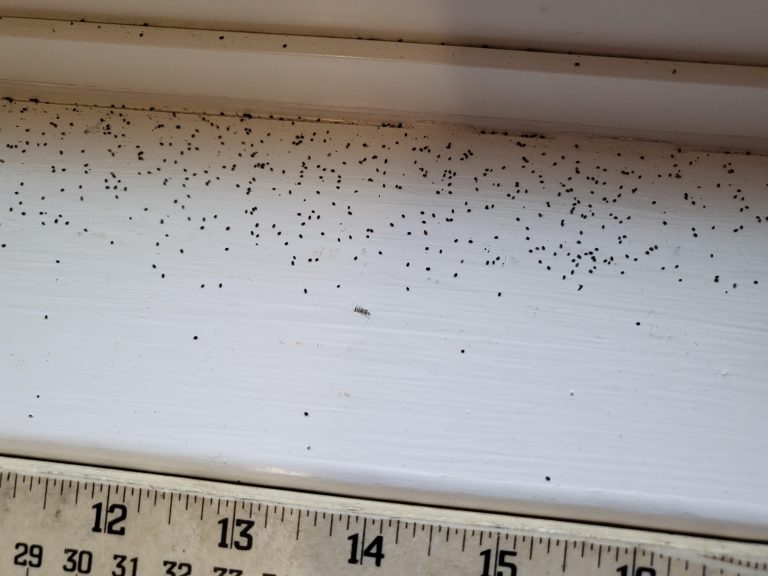
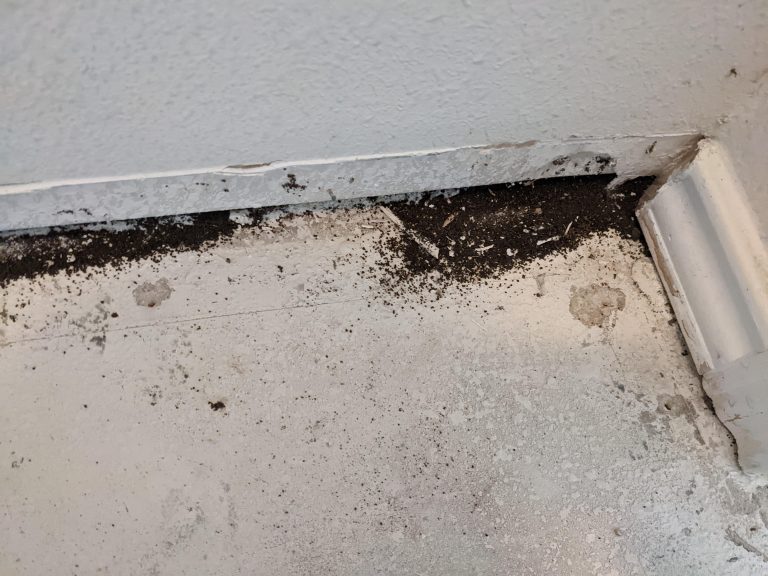
For subterranean termites, this frass (fecal matter) is often used as building material to reinforce their tunnels or construct their mud tubes. For drywood termites, the frass looks like tiny, uniform, six-sided pellets that they kick out of small “kick-out” holes in the wood, leaving small piles outside the feeding area.
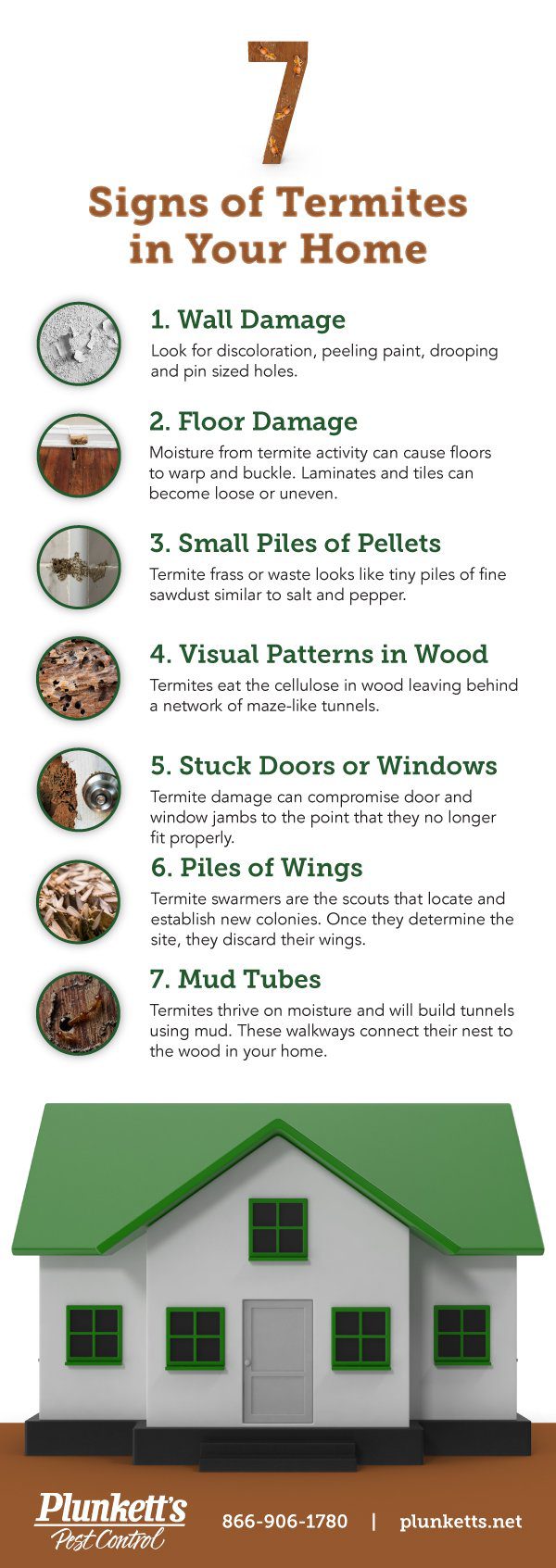
This is why seeing sawdust-like piles or hexagonal pellets is a huge giveaway that wood-destroying insects are present, even if you can’t see the insects themselves. For more technical information on termite life cycles and management, checking resources from university extension offices, such as those provided by trusted government public health and safety resources, can be very helpful for general pest awareness.
Dispelling Myths: What Termites DO NOT Do
To truly understand how termites eat wood, it helps to clarify what they are not doing. This can save you a lot of worry over the wrong signs.
Myth 1: Termites Eat Paint or Finishes First
Termites generally ignore paint, varnish, or polyurethane finishes. They aren’t interested in these synthetic materials. They only seek cellulose. They will chew right through the paint if it is covering edible sapwood, which is why damage often appears on painted baseboards or trim. The paint just sits on top of the excavated area like a skin.
Myth 2: Termites Eat Wood for Water
While they do require moisture (especially subterranean termites), they aren’t eating the wood specifically for its water content. They eat it for energy. Subterranean termites seek out moist soil because that’s where they live, but the wood is food. Drywood termites, conversely, actually prefer very dry wood, as the moisture inside is often minimal—they extract the required moisture needed for survival from the metabolic process of breaking down the wood itself!
Myth 3: All Termites Work Together on the Same Piece
While colonies are massive, specific castes have specific roles. The workers do the eating. The soldiers defend the colony. The king and queen reproduce. A worker termite might never feed the queen directly; instead, it feeds other workers who then transfer the nutrients up the line. It’s an organized factory, not a free-for-all munching session.
Visualizing the Damage: How Different Species Eat
The physical evidence left behind often reveals which type of termite is responsible, giving us clues about their feeding patterns.
- Subterranean Feeding Pattern: They leave mud in the tunnels and often feed primarily along the grain of the wood, hollowing out the center while keeping the surface veneer intact. Look for hollow-sounding wood touching the ground.
- Drywood Feeding Pattern: They eat straight through the wood fibers, crossing the grain, not caring as much about direction. They create smooth galleries with no soil contamination. You might find piles of tiny pellets nearby.
- Sound Difference: If you tap wood infected by drywood termites, it often sounds like dry, papery tapping. Subterranean damage might sound slightly more muffled due to residual soil or moisture retention in their galleries.
Protecting Your Projects: Prevention Based on Knowledge
As someone who loves wood, knowing how they eat is half the battle. The best defense is making your lumber less appetizing and harder to reach.
Controlling the Food Source
If they can’t access cellulose, they can’t thrive. We need to eliminate tempting wood and create barriers.
- Remove Decaying Wood: Do not let scrap lumber, old firewood, or diseased tree stumps sit near your home or shed. That’s a termite welcome mat.
- Foundation Clearance: Ensure that soil, mulch, or wood debris does not touch the wood framing of your house. Keep a clear 6-inch gap between the soil line and any wood structure.
- Fix Leaks Immediately: Termites, especially subterranean ones, are drawn to moisture. Fix leaky plumbing, bad gutters, or condensation issues right away. This removes their convenient water source.
Making Wood Inedible (Termite Resistant Building)
While DIYers might not always have access to industrial treatments, understanding what wood resists termites can influence buying choices for high-risk areas like decks or outdoor framing.
Pressure-Treated Wood: This wood uses chemical preservatives (like copper-based compounds) forced deep into the structure to prevent microbial growth. This poison disrupts the termite’s vital gut biome, making the wood toxic or indigestible. Look for lumber rated for “Ground Contact” for maximum protection around your home’s base.
Naturally Resistant Woods: Certain hardwoods like redwood, cedar, and certain tropical hardwoods have natural extractives that repel or kill termites. However, these are usually more expensive than standard pine or fir.
Creating Physical Barriers
This tactic is purely about blocking their microscopic pathway to your resources.
Soil Treatments: Professional treatments often involve applying termiticides to the soil surrounding the foundation. This creates a chemical barrier that poisons the foraging workers or deters them from crossing.
Physical Barriers: In new construction, sometimes installing a layer of fine sand or stainless steel mesh beneath the concrete slab can deter subterranean termites, as they struggle to build mud tubes through materials that are too tightly packed or too smooth for their soft bodies to navigate easily. (Source: University Extension Resources on Termite Control).
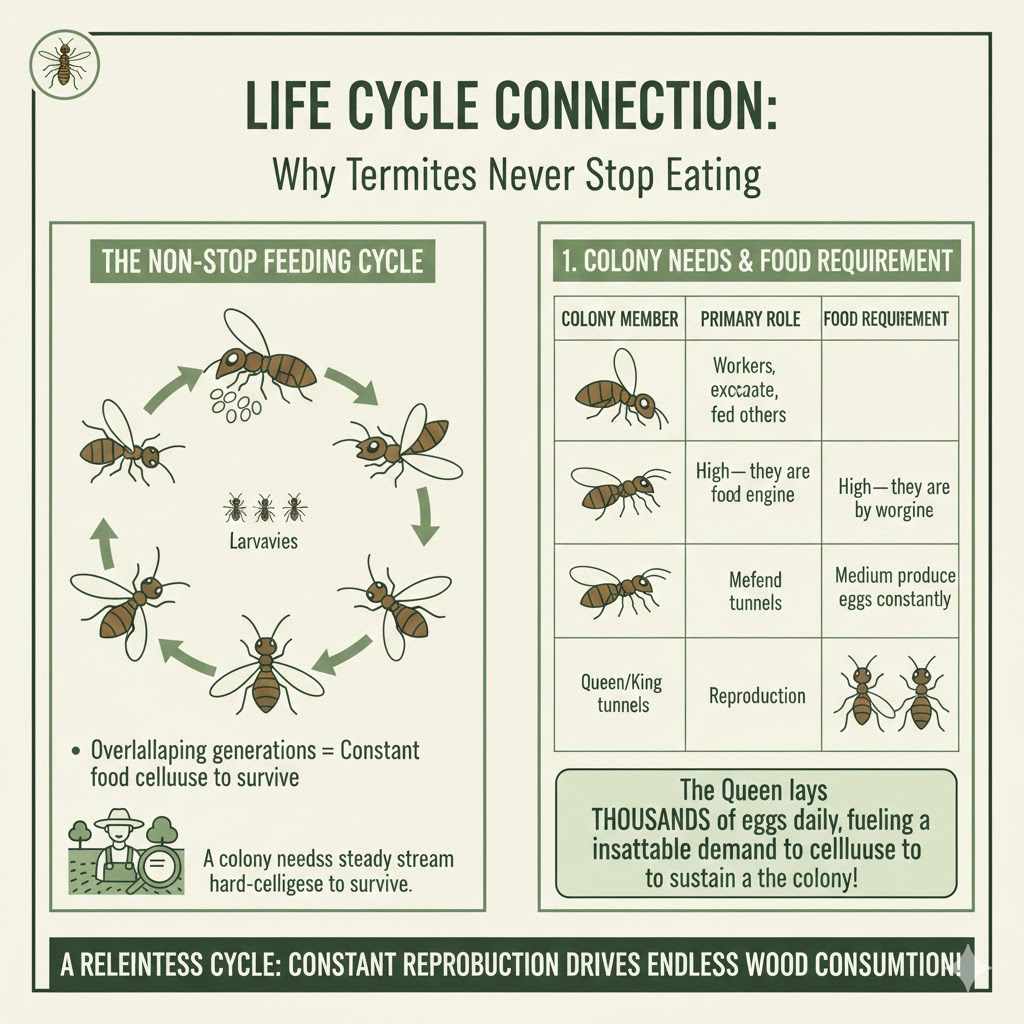
Life Cycle Connection: Why They Never Stop Eating
Understanding how termites eat is linked to understanding their life cycle. Because termites live in colonies, they have overlapping generations that need feeding constantly. A colony requires a steady stream of cellulose to maintain its size and function.
A quick comparison of the colony needs illustrates why the feeding process is non-stop:
| Colony Member | Primary Role | Food Requirement |
|---|---|---|
| Workers | Forage, excavate, feed others | High—they are the engine |
| Soldiers | Defend tunnels | Medium—fed by workers |
| Queen/King | Reproduction | High—must produce eggs constantly |
Because the queen can lay thousands of eggs daily, the demand for the energy derived from digested cellulose is relentless. This constant need for food drives the continuous damage process we observe.
FAQ: Beginner Questions About Termite Feeding Habits
As a beginner looking to protect your wood, you likely have many practical questions. Here are some common concerns explained simply.
Q1: Can termites eat wood that has paint on it?
Yes, they can. Termites are interested only in the wood (cellulose) underneath. If they find an access point, they will chew through the paint veneer to get to the soft wood, leaving the paint looking deceptively intact over an empty space.
Q2: Do termites prefer soft wood or hard wood?
Termites overwhelmingly prefer softer wood (sapwood) over denser, harder heartwood, especially if the wood has natural resins or is pressure-treated. Softwoods like pine are generally tastier and easier for their microbes to break down.
Q3: How fast do termites actually eat wood?
While a single termite is slow, a massive colony can consume significant amounts surprisingly quickly. A large colony can eat a foot of wood framing (like a 2×4) in as little as seven months, though this depends heavily on the size of the colony and the species involved.
Q4: Why don’t I hear termites eating my wood?
Termites work very quietly because their chewing action is fine, scraping, rather than large crunching. Furthermore, they do most of their feeding underground or deep inside structures, hidden in mud tubes, which dampens any sound.
Q5: What kills the tiny microbes that help termites digest wood?
Pesticides (termiticides) designed to treat wood or soil are effective because they are designed to disrupt the gut microbiome or kill the termites outright before they can feed and pass on their internal helper bugs. Borates, for instance, are often used in wood preservation because they poison the internal digestive process.
Q6: If I see termites, does that mean the whole house is gone?
Not at all! Seeing termites only means a small, localized foraging party has found a food source. It indicates a potential entry point. Early detection is your greatest asset in protecting your property. Small localized issues are far easier and cheaper to fix than long-term infestations.
Conclusion: Armed with Knowledge, You Are Prepared
I hope demystifying how does termites eat wood has been empowering! You now know that it’s not just mindless munching; it’s a highly specialized biological process relying on tiny, powerful microbes to unlock the cellulose energy hidden in your lumber. They seek the soft sapwood, work in complete darkness and humidity, and feed their entire society with a nutrient-rich paste.
For us DIY enthusiasts and wood lovers, this knowledge translates directly into effective defense strategies. Protect the areas where soil meets wood, fix moisture problems immediately, and consider using rated materials for any vulnerable construction. By understanding the termite’s precise requirements—food (cellulose) and environment (moisture/shelter)—you can remove their ability to operate successfully around your cherished woodwork. Keep observing, keep those structures dry, and you’ll keep enjoying your wood projects for years to come. Happy building and protecting!