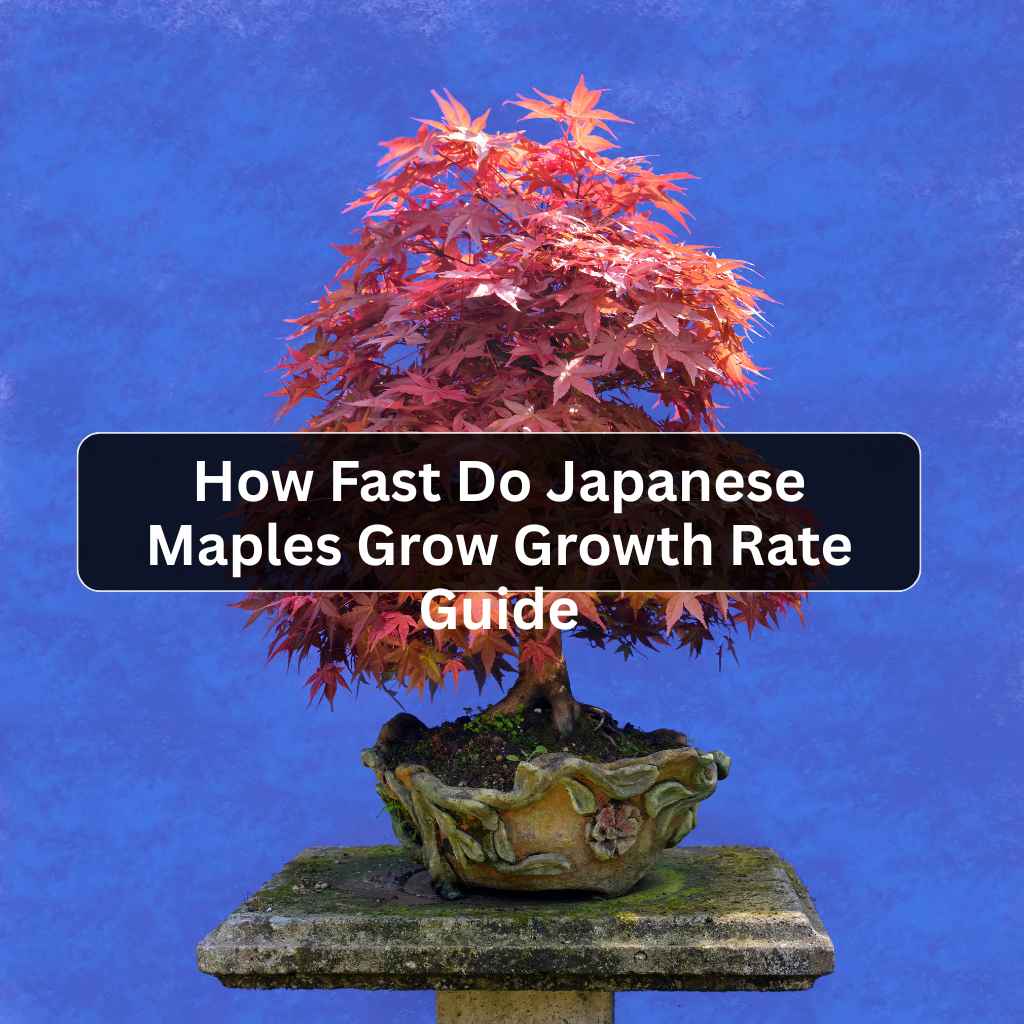
How Fast Do Japanese Maples Grow? Growth Rate Guide
Many gardeners wonder, How Fast Do Japanese Maples Grow? Growth Rate Guide is a common question for anyone wanting to add these beautiful trees to their yard. It can seem tricky because there are so many different kinds, and they all behave a little differently.
Don’t worry, though! We’ll break it down simply so you can pick the perfect Japanese maple for your space. Let’s explore how quickly these trees get bigger.
Understanding Japanese Maple Growth Rates
Japanese maples are known for their stunning foliage and graceful forms, but their growth speed can vary a lot. This guide helps you understand How Fast Do Japanese Maples Grow? Growth Rate Guide so you can make informed choices for your garden.
Understanding these differences means you won’t be surprised by how fast or slow your tree matures.
Factors Affecting Growth Speed
Several things influence how quickly a Japanese maple grows. Knowing these helps you predict your tree’s size. Good conditions mean a healthier, faster-growing tree.
Sunlight Exposure
Most Japanese maples prefer partial shade. Too much direct sun, especially in hot climates, can scorch their leaves and slow their growth. They need sunlight to make food, but not so much that it stresses them out.
Dappled shade is often ideal, mimicking their native forest understory environment.
Consistent, moderate sunlight is key. If your maple is in a very shady spot, it will grow slower. If it’s in intense, baking sun, it might also struggle.
Finding that sweet spot helps it thrive.
Soil Quality
Rich, well-draining soil is best. Japanese maples don’t like wet feet. Soggy soil can lead to root rot, which stunts growth and can even kill the tree.
Adding compost or other organic matter can greatly improve soil structure and fertility.
Good soil allows roots to spread easily and access the water and nutrients they need. Compacted or poor soil makes it hard for the tree to establish itself and grow vigorously.
Watering Habits
Proper watering is crucial, especially when the tree is young. They need consistent moisture but not waterlogged conditions. Deep watering less frequently is better than shallow watering every day.
This encourages roots to grow deeper into the soil.
Once established, they are more drought-tolerant, but prolonged dry spells can still cause stress and slow growth. Mulching around the base of the tree helps retain soil moisture and regulate soil temperature.
Climate and Hardiness Zone
Japanese maples are generally hardy in USDA zones 5 through 8 or 9. Planting a variety outside its suitable zone will likely result in poor growth or survival. Extreme cold or heat can damage the tree and halt its progress.
Each variety has slightly different temperature tolerances. Checking the specific needs of the cultivar you choose is important for success. A tree happy in its environment will grow better.
Age and Maturity
Younger trees typically grow faster than older, more mature trees. As a Japanese maple ages, its growth rate naturally slows down. It focuses more on developing a strong structure and trunk rather than putting on lots of height and width each year.
A five-year-old tree might put on a foot of growth a year, while a twenty-year-old tree might only grow a few inches. This is normal and expected for these ornamental trees.
Typical Growth Speeds by Variety
The term “Japanese maple” covers a wide range of cultivars, each with its own growth habits. Some are fast growers, while others are slow and delicate. Knowing the specific variety you have or are interested in is key to answering How Fast Do Japanese Maples Grow?
Growth Rate Guide.
Fast Growing Varieties
Some varieties are known for their more vigorous growth. These can add a significant amount of height and width each year, often growing 1 to 2 feet or more annually. They are great for gardeners who want to see quicker results.
Examples include Acer palmatum ‘Bloodgood’ or Acer palmatum ‘Emperor I’. These can quickly become substantial trees, providing shade and a strong visual presence in the landscape. They still require proper care to reach their full potential.
Medium Growing Varieties
Many popular Japanese maples fall into this category. They grow at a moderate pace, typically adding about 6 inches to 1 foot per year. This steady growth allows the tree to develop a beautiful form without becoming overwhelming too quickly.
Cultivars like ‘Crimson Queen’ (a popular laceleaf variety) or ‘Sango-kaku’ (Coral Bark Maple) often exhibit this medium growth rate. They offer a nice balance of visual impact and manageable size.
Slow Growing Varieties
These Japanese maples are prized for their intricate leaf structure and often dwarf size. They grow very slowly, sometimes only adding a few inches per year. They are perfect for small gardens, rock gardens, or containers where controlled growth is desired.
Dwarf varieties such as Acer palmatum ‘Shishigashira’ or many of the smaller dissected leaf types fall into this slow-growing group. Their slow pace means they can take many years to reach their mature, often petite, size.
Understanding Growth Rate Terminology
When you look at plant descriptions, you’ll often see terms like “fast,” “medium,” or “slow” growth. But what do these really mean for your Japanese maple? Understanding these terms helps you interpret what the experts mean when discussing How Fast Do Japanese Maples Grow?
Growth Rate Guide.
Defining Growth Speeds
Growth rates for trees are usually described in inches or feet per year. This gives a quantifiable measure, though it’s an average and can be influenced by many factors. It’s important to remember these are general guidelines.
- Fast Growing: Typically adds more than 12 inches (1 foot) in height per year.
- Medium Growing: Adds between 6 and 12 inches in height per year.
- Slow Growing: Adds less than 6 inches in height per year.
These figures are most relevant when the tree is actively growing in good conditions. A stressed tree, regardless of variety, will grow slower than these averages suggest. It’s a way to benchmark their potential.
Interpreting Plant Tags and Descriptions
Nurseries and garden centers use these terms to help customers. However, descriptions can sometimes be generalized. Always try to find information specific to the cultivar you are considering.
For example, a tag might say “slow growing dwarf.” This tells you it won’t get very large and its upward progress will be minimal each year. If it says “vigorous grower,” you can expect it to expand more quickly. This helps in planning its eventual size in your landscape.
Maximizing Japanese Maple Growth
Even if you have a naturally fast-growing variety, proper care is essential for optimal growth. The How Fast Do Japanese Maples Grow? Growth Rate Guide is only part of the story; your actions matter.
Helping your tree thrive means it will reach its potential faster and more healthily.
Planting Techniques
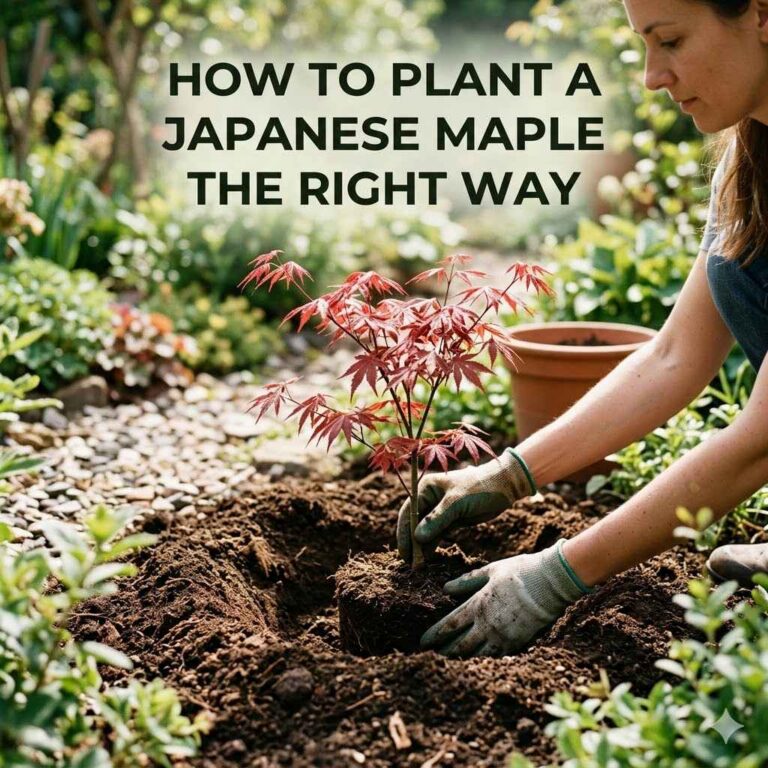
Proper planting is the first step to healthy growth. Dig a hole that is two to three times wider than the root ball but no deeper. The top of the root ball should be level with or slightly above the surrounding soil.
Avoid planting too deep. This is a common mistake that can suffocate the roots and lead to slow growth or decline. Gently loosen any circling roots before placing the tree in the hole.
Fertilizing Strategies
Japanese maples generally do not require heavy fertilization. Over-fertilizing can actually be harmful, leading to weak, leggy growth that is more susceptible to pests and diseases. A light feeding in early spring is usually sufficient.
Use a balanced, slow-release fertilizer formulated for trees and shrubs. Follow the package directions carefully. Too much nitrogen can cause rapid, weak growth.
Healthy soil often provides enough nutrients without supplemental feeding.
Example Scenario:
- A gardener plants a Japanese maple and immediately applies a high-nitrogen lawn fertilizer around its base, thinking it will help it grow faster.
- Within weeks, the leaves start to look burnt at the edges, and the new growth is spindly and weak. The tree’s overall health declines.
- A better approach would have been to amend the soil with compost at planting and use a light, balanced fertilizer only if the tree showed signs of nutrient deficiency.
Pruning for Growth and Shape
Pruning is important for maintaining the desired shape and health of your Japanese maple. It can also influence growth. Light pruning to remove dead, damaged, or crossing branches is best done in late winter or early spring.
Heavy pruning, especially during the growing season, can stress the tree and hinder its growth. The goal is to encourage good structure, not to force rapid expansion. The timing and type of pruning matter.
Statistic: Studies have shown that proper pruning can increase a tree’s overall vigor and lifespan by up to 20% by removing weak or diseased branches early on.
When to Prune
The best time to prune most Japanese maples is during their dormant season, usually late winter before new growth begins. This allows you to see the tree’s structure clearly and helps the tree heal quickly.
Light shaping or the removal of small crossing branches can also be done in mid-summer after the main flush of growth. Avoid heavy pruning during the hot summer months or when the tree is stressed.
Pruning Techniques
When pruning, always use sharp, clean tools to make clean cuts. Cut back to a branch collar or a bud that is pointing in the direction you want the new growth to go. This encourages natural branching patterns.
For shaping, imagine the final form you desire for your tree. Remove branches that detract from that vision, focusing on creating balance and open structure. Think about the tree’s natural habit.
Pest and Disease Management
Healthy trees grow best. Keep an eye out for common pests like aphids or scale insects, and diseases like verticillium wilt. Promptly addressing any issues will prevent them from stunting growth.
Good air circulation and proper watering help prevent many fungal diseases. If you notice problems, consult a local nursery or extension office for the best treatment options.
Comparing Growth Rates of Popular Varieties
To truly understand How Fast Do Japanese Maples Grow? Growth Rate Guide, let’s look at some popular types and their typical growth. This helps you choose the right one for your garden’s timeline and space.
Laceleaf vs. Upright Varieties
Japanese maples are broadly categorized into two main types: laceleaf (dissectum) and upright. This distinction greatly influences their growth habit and speed.
Laceleaf Japanese Maples
These are often characterized by their finely dissected, feathery leaves. Many laceleaf varieties are naturally slower growers and tend to have a more weeping or cascading form. They often mature to a smaller size than upright types.
Examples include ‘Garnet’, ‘Tamukeyama’, and ‘Crimson Queen’. These can add anywhere from 4 to 10 inches per year, with some exceptions.
Upright Japanese Maples
Upright varieties typically have broader, more lobed leaves. They tend to grow more vigorously and can reach larger sizes. Their growth can be more vertical, forming a more tree-like shape.
Cultivars like ‘Bloodgood’, ‘Emperor I’, and ‘Red Sunset’ are good examples. These can grow 1 to 2 feet or more annually, especially when young and in ideal conditions.
Table of Common Japanese Maple Growth Rates
This table provides a general idea of the average annual growth for some popular Japanese maple cultivars. Remember that actual growth can vary based on environmental conditions.
| Cultivar Name | Leaf Type | Typical Growth Rate (per year) | Mature Size (approximate) |
|---|---|---|---|
| Acer palmatum ‘Bloodgood’ | Upright | 12-24 inches | 20-25 feet tall, 15-20 feet wide |
| Acer palmatum ‘Emperor I’ | Upright | 12-20 inches | 15-20 feet tall, 15-20 feet wide |
| Acer palmatum ‘Crimson Queen’ | Laceleaf | 6-12 inches | 6-10 feet tall, 8-12 feet wide |
| Acer palmatum ‘Garnet’ | Laceleaf | 4-8 inches | 5-8 feet tall, 6-10 feet wide |
| Acer palmatum ‘Sango-kaku’ (Coral Bark) | Upright | 8-16 inches | 15-25 feet tall, 10-20 feet wide |
| Acer palmatum ‘Shishigashira’ | Upright (compact) | 3-6 inches | 6-8 feet tall, 4-6 feet wide |
This comparison highlights how much variety there is. Some trees will grow quickly into a significant specimen, while others will remain smaller and more delicate for many years.
Real-Life Examples of Growth
Let’s look at a couple of scenarios to illustrate how these growth rates play out in real gardens.
-
- Scenario 1: The Speedy ‘Bloodgood’
Sarah planted an Acer palmatum ‘Bloodgood’ in her garden. She ensured it had good soil and consistent watering. In its first five years, it grew about 1.5 feet taller each year.
By year five, it was already around 8-10 feet tall and had a lovely spread, providing nice shade over a small patio.
-
- Scenario 2: The Deliberate ‘Garnet’
Mark chose an Acer palmatum ‘Garnet’ for his rock garden. He knew it was a slower grower. For the first five years, it only added about 6-8 inches in height annually.
At five years old, it was about 3-4 feet tall and had a beautiful cascading form, perfectly suited to its smaller space. It was developing its intricate shape without becoming too large.
These examples show how matching the tree’s natural growth rate to your expectations and garden design is very important.
Factors That Can Slow Down Growth
Even with the best intentions, several things can prevent your Japanese maple from growing as fast as it could. Understanding these potential roadblocks is part of the How Fast Do Japanese Maples Grow? Growth Rate Guide.
Identifying and fixing these issues can make a big difference.
Environmental Stress
Extreme weather conditions are a major cause of slow growth. Prolonged droughts, excessive heat waves, or severe frosts can damage the tree and force it to focus on survival rather than growth.
For instance, during a very hot summer, a Japanese maple might drop some leaves or stop growing altogether to conserve moisture. This is a natural survival mechanism. Similarly, a late spring frost can damage new buds and young leaves, setting the tree back.
Poor Planting Practices
As mentioned, planting too deep is a common issue. It suffocates the roots, limiting their ability to take up water and nutrients. This directly impacts growth.
Another mistake is not preparing the soil adequately. Planting a tree in heavy clay or very compacted soil makes it difficult for roots to penetrate and expand. This restricts the tree’s access to essential resources, slowing its growth significantly.
Nutrient Deficiencies or Imbalances
While Japanese maples don’t need heavy feeding, they do need essential nutrients. A lack of key elements like nitrogen, phosphorus, or potassium can lead to poor growth, yellowing leaves, and overall weakness.
Conversely, over-fertilizing, especially with high-nitrogen fertilizers, can cause a flush of weak, tender growth that is prone to pest damage and leaf burn. It’s a delicate balance to maintain.
Pests and Diseases
Infestations by pests like aphids, scale, or spider mites can weaken the tree by draining its sap and damaging its tissues. Diseases, such as verticillium wilt or fungal spots, can also impede growth and eventually threaten the tree’s life.
If a tree is constantly fighting off an infestation or infection, it has less energy to dedicate to growing taller or wider. Early detection and treatment are vital for maintaining growth momentum.
Competition from Other Plants
Japanese maples planted too close to larger trees, shrubs, or even aggressive groundcovers can suffer from competition for water, nutrients, and sunlight. Their roots may be crowded out, and their leaves might not get enough light.
Ensure your Japanese maple has adequate space to grow. Avoid planting it in densely crowded garden beds where it has to fight for resources. Proper spacing is key for its long-term health and growth.
FAQ
Question: How tall do Japanese maples typically get?
Answer: The mature size of Japanese maples varies greatly by variety, ranging from dwarf types that stay under 6 feet to larger upright varieties that can reach 20-25 feet or more in height.
Question: Do Japanese maples grow faster in pots or in the ground?
Answer: Generally, Japanese maples grow faster when planted in the ground because their roots have more space to spread and access water and nutrients. Potted maples are usually slower growers due to container limitations.
Question: When is the best time to plant a Japanese maple for optimal growth?
Answer: The best time to plant Japanese maples is in the fall or early spring when the weather is cooler. This allows the tree to establish its roots before the heat of summer or the cold of winter.
Question: Is it okay if my Japanese maple only grows a few inches a year?
Answer: Yes, it can be perfectly normal for some Japanese maple varieties, especially dwarf or laceleaf types, to grow only a few inches per year. This slow growth often contributes to their fine texture and compact form.
Question: What does “dissectum” mean for Japanese maple growth?
Answer: “Dissectum” refers to the finely divided, lace-like leaves of certain Japanese maple cultivars. These varieties often grow more slowly and tend to have a cascading or weeping habit compared to upright types.
Summary
Understanding How Fast Do Japanese Maples Grow? Growth Rate Guide involves looking at variety, care, and environment. Some grow quickly, others slowly.
Proper planting, watering, and light feeding support healthy progress. Choose a type that fits your garden’s timeline and space for the best results.