Battery Hand Saw for Cutting Branches: Which Type Fits Best
A battery hand saw for cutting branches is usually one of three tools — a mini chainsaw, a cordless reciprocating saw fitted with a pruning blade, or a manual pull-stroke saw — and branch diameter, not price, decides which one you need. Use a wood-cutting blade instead of a 5–6 TPI pruning blade on green wood and it clogs almost immediately. This guide covers picking by branch size, real TPI and blade-length specs, and safe use.
Quick Answer
Choose by branch diameter: a cordless reciprocating saw with a 5–6 TPI pruning blade for anything under 3 inches in tight spots, a battery-powered mini chainsaw (6–8 inch bar) for 4–8 inch branches, and a full-size cordless chainsaw above that. A dedicated pruning blade, not a wood blade, is what actually prevents clogging on green wood.
Which Battery Hand Saw Do You Actually Need?
Best Battery Hand Saw Pick
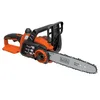
BLACK+DECKER 20V MAX 10-Inch Cordless Chainsaw – $108.01
A 10-inch bar puts it above the 6–8-inch mini-chainsaw class in this guide’s table, so it handles the thicker end of typical branch work without stepping up to a full-size saw.
- Best for: branches 4–8 inches, occasional yard cleanup
- Why we picked it: recognizable brand, wider bar than most mini chainsaws in this price range
- Main drawback: heavier than a mini chainsaw, two-handed operation
Compare more battery hand saw options
 Budget Pick 6-Inch Mini Cordless Chainsaw – $35.99
|
 Best for Tight Spots SEESII Cordless Reciprocating Saw (2 Batteries) – $56.99
|
 Premium / Pro Pick Makita XCU14Z 18V LXT 6-Inch Pruning Saw (Tool Only) – $229.00
|
As an Amazon Associate we earn from qualifying purchases. Prices are current as of publish date and can change.
“Battery hand saw” covers three different tools from our full saws and cutting tools guide, and mixing them up is the most common buying mistake for cutting branches. A mini battery chainsaw is a small, chain-driven saw built for branches 4 to 8 inches thick. A cordless reciprocating saw fitted with a pruning blade is the lighter, one-handed option for branches under 3 inches in tight spots. For a full breakdown of which specific pruning blades are worth buying — by TPI, length and real cost per blade, not just sticker price — see our reciprocating saw blades for pruning comparison. A manual pull-stroke pruning saw needs no battery at all and works well on branches up to about 2 inches for occasional yard work.
| Tool Type | Best Branch Diameter | Blade / Chain Spec | Typical Weight |
|---|---|---|---|
| Cordless reciprocating saw + pruning blade | Under 3 in, tight spots | 5–6 TPI, 9–12 in blade | 6–9 lbs |
| Battery mini chainsaw | 4–8 in | 6–8 in bar, 10 m/s chain speed | 2.5–3.5 lbs |
| Manual pull-stroke pruning saw | Under 2 in, occasional use | 6–7 TPI, 12–18 in blade | 0.5–1.5 lbs |
This is the comparison most “battery hand saw” roundups skip — pruning-saw guides only cover the manual option, and mini-chainsaw guides only cover the powered one. Match the row above to your actual branches before comparing specific models.
Blade and Chain Basics: TPI, Pruning Blades, and Chain Speed
The blade is what actually determines whether a branch cuts cleanly or the saw bogs down — this matters more than motor wattage for most homeowners. If you already own a cordless reciprocating saw, swapping in the right blade is usually cheaper than buying a dedicated mini chainsaw.
- Pruning blade vs. wood blade (reciprocating saws): a standard wood blade is not built for green wood — it packs with wet sap and stalls. A dedicated pruning blade has fewer, fleam-ground teeth (about 5–6 TPI) with wide gullets that clear wet chips instead of clogging.
- TPI (teeth per inch): lower TPI (3–6) cuts faster through green wood but rougher; higher TPI (7–8) leaves a cleaner cut on dry or seasoned wood. For live branches, lower TPI wins.
- Blade length: a 9–12 inch pruning blade covers most yard branches on a reciprocating saw; manual pruning saws run longer, 12–18 inches, for a longer stroke on thicker limbs.
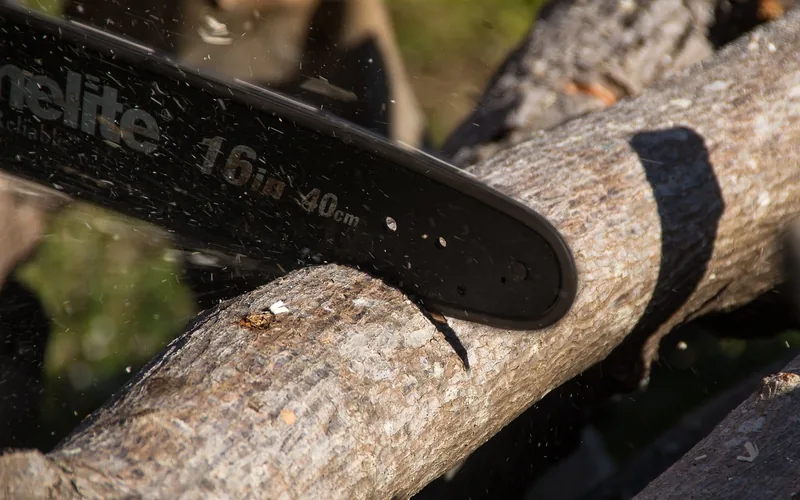
- Chain speed (mini chainsaws): most battery mini chainsaws run 8–10 meters per second — faster chain speed cuts quicker but drains the battery faster per cut.
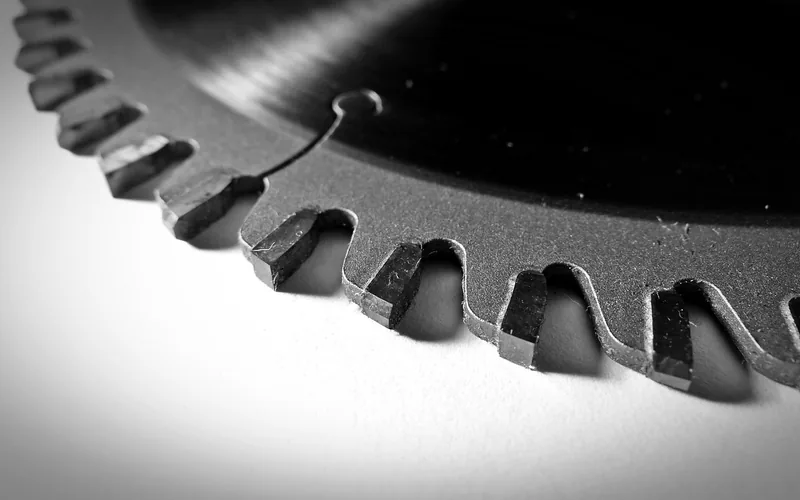
Landscape architect Michael Clark, cited in independent pruning-saw testing, has pointed out that saws with fewer teeth per inch cut rougher but faster, while higher-TPI blades leave a cleaner cut — the same tradeoff that separates a mini chainsaw from a fine-tooth pruning saw on branch work.
Choosing between a low-TPI and high-TPI blade is really choosing between cutting speed and cut quality — there’s no single “best” blade for every branch.
How to Choose by Branch Diameter
Skip the spec sheet and start with the branch in front of you — diameter is the single best predictor of which tool will actually work.
- Under 2 inches, occasional cuts: a manual pull-stroke pruning saw is enough — no battery to charge, no chain to maintain. A basic hand saw covers this range too if you’d rather skip batteries entirely.
- Under 3 inches, tight spots or one-handed reach: a cordless reciprocating saw with a pruning blade installed.
- 4 to 8 inches, regular yard cleanup: a battery mini chainsaw — this is where a chain beats a straight blade on cutting speed.
- Over 8 inches or a full trunk: step up to a full-size cordless or gas chainsaw, or call a professional — this is outside what any hand saw is rated for.
This is also where the video below helps — seeing a mini chainsaw work through a branch in real time shows the size range it actually handles well, versus where a reciprocating saw with a pruning blade is still the better call.
Safety: What Actually Causes Injuries
When operating a hand saw or mini chainsaw for cutting branches, most injuries trace back to a handful of preventable mistakes rather than tool failure.
📊 An estimated 282,000 emergency-department visits for chainsaw-related injuries were recorded in the U.S. from 2010–2019 (about 28,000 a year) — Source: Tree Care Industry Magazine, 2024
Essential safety gear: safety glasses for debris, hearing protection on gas or high-RPM tools, cut-resistant gloves, and long sleeves to cover exposed skin.
- Read the manufacturer’s instructions before first use — chain tension and blade-swap steps differ by model.
- Check the blade or chain before every session; a dull edge is more likely to bind or kick than a sharp one.
- Match the blade to the job — pruning blade for green wood, wood blade only for dry/seasoned material.
- Keep both hands on the saw and never cut above shoulder height, where control drops sharply.
- Make sure the branch is supported so it can’t shift or pinch the blade mid-cut.
- Turn the saw off and remove the battery before clearing jams or changing blades.
Maintenance That Actually Extends Battery Life
Most battery hand saw complaints — short runtime, slow cuts, a chain that won’t stay tensioned — trace back to skipped maintenance, not a bad tool.
- Wipe sap and sawdust off the blade or chain after every use; dried sap is what makes a pruning blade start to clog.
- Store the saw dry and out of direct sunlight — moisture is the main driver of blade rust and corrosion.
- Use only the charger that shipped with the battery; a mismatched charger is a common cause of premature battery failure.
- Store batteries partially charged (not empty, not full) if the saw will sit unused for more than a few weeks.
Common Mistakes That Slow Down a Cut
- Using a wood blade on green wood — it clogs with sap almost immediately; swap to a pruning blade.
- Buying by chain-saw horsepower marketing instead of branch diameter — match the tool to the table above, not the biggest number on the box.
- Forcing the cut — letting the tool’s own weight and blade speed do the work is faster and safer than pushing harder.
- Ignoring a dull blade — a fresh 5–6 TPI pruning blade fixes more “underpowered saw” complaints than a bigger battery does.
Frequently Asked Questions
Which saw is best for cutting branches?
For branches under 3 inches in tight spots, a cordless reciprocating saw with a pruning blade (5–6 TPI) is easiest to control one-handed. For branches 4 to 8 inches, a battery-powered mini chainsaw cuts faster with less arm fatigue. Above 8 inches, step up to a full-size cordless chainsaw.
What blade should I use to cut branches with a reciprocating saw?
Use a dedicated pruning blade, not a standard wood blade. Pruning blades run 3–6 TPI with fleam-ground teeth and wide gullets built for wet, green wood; a finer wood blade packs with sap and stalls. Blade length of 9 to 12 inches handles most yard branches.
How thick a branch can a battery hand saw cut?
A cordless reciprocating saw with a pruning blade comfortably handles branches up to about 3 inches. A battery mini chainsaw, like the 6-inch and 8-inch models common on Amazon, is rated for 6 to 8-inch branches. Beyond that diameter, a full-size cordless chainsaw is the safer, faster tool.
Is a mini chainsaw or a reciprocating saw better for pruning?
A mini chainsaw cuts faster through thicker branches but is heavier and has a spinning chain, which carries more kickback risk. A reciprocating saw with a pruning blade is lighter, easier to control one-handed in tight spots, and safer for repeated small cuts — the tradeoff is more back-and-forth strokes on anything over 3 inches.
Can I use a reciprocating saw to cut tree branches?
Yes. Fit it with a pruning blade rather than a general wood blade, keep the branch supported so it doesn’t pinch the blade mid-cut, and expect it to slow down past about 3 inches of diameter — that’s the point to switch to a mini chainsaw.
What kind of saw should I use to cut down a small tree?
For a trunk under 6 inches, a battery-powered mini chainsaw is the practical choice. For anything larger, use a full-size chainsaw or hire a professional — mini chainsaws and hand saws are built for branches and small stems, not felling.
Conclusion
A battery hand saw for cutting branches is really a choice between three tools, and branch diameter settles it: a manual pruning saw for occasional small cuts, a cordless reciprocating saw with a pruning blade for tight spots under 3 inches, and a battery mini chainsaw for the 4-to-8-inch range most yard cleanup falls into. Match the tool to the branch first — the right blade and TPI make a bigger difference than any single brand.
Sponsored / affiliate links. As an Amazon Associate I earn from qualifying purchases. I may earn additional commission from eligible campaigns.