How Long Does an Oak Tree Take to Grow? Pro Tips 2026
Many people wonder about the lifespan of an oak tree, especially when they plant one. It’s a common question, and sometimes it feels tricky to get a straight answer. This is especially true for folks just starting out with gardening or tree care.
Don’t worry, though! We’ve got a simple guide that breaks down exactly How Long Does an Oak Tree Take to Grow? Pro Tips 2026.
We will walk you through it step by step, making it easy to understand everything you need to know about your oak’s growth.
How Long Does An Oak Tree Take To Grow And What Affects It
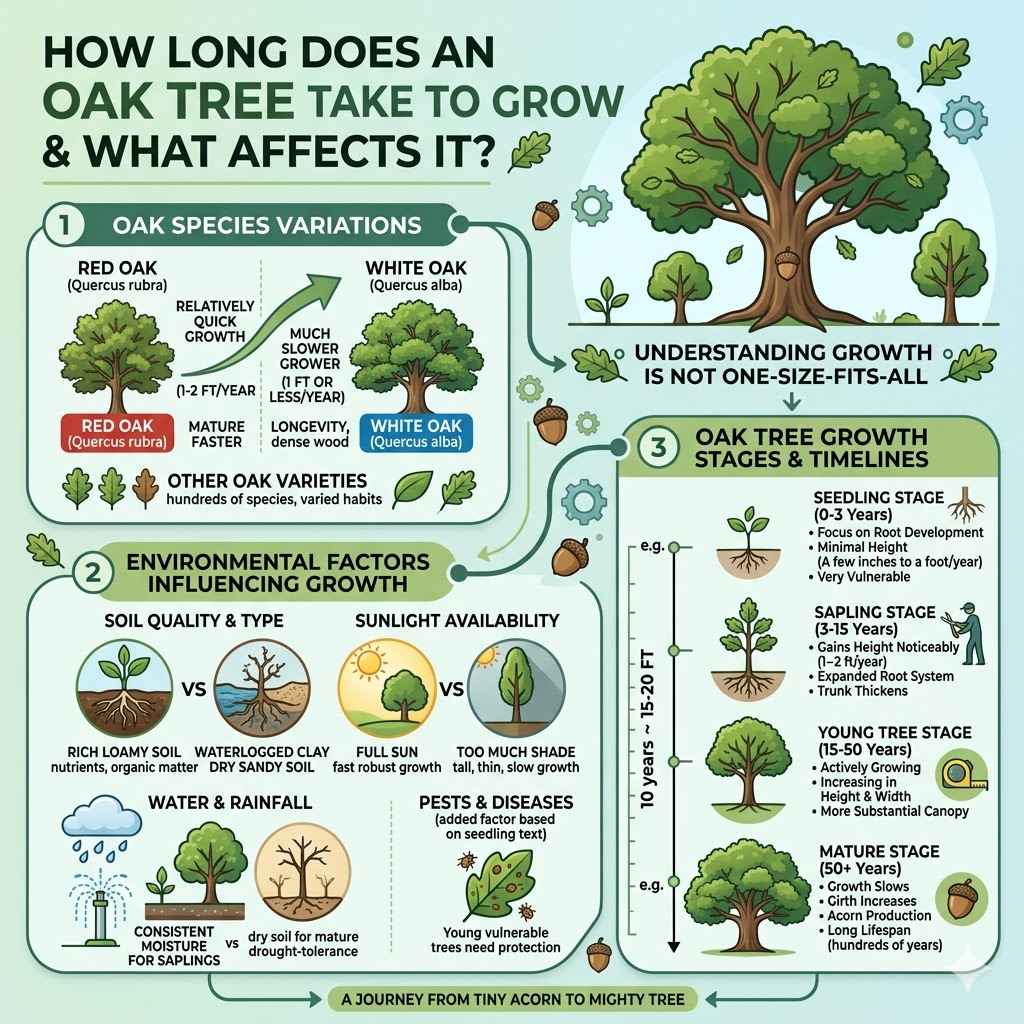
Understanding how long it takes an oak tree to grow involves looking at several factors. It’s not a one-size-fits-all answer because many things influence a tree’s development. From the type of oak to the soil it lives in and the weather it experiences, each element plays a role.
We will explore these influences in detail so you can get a clear picture. This section is key to grasping the timeline of oak tree growth.
Oak Species Variations
Different types of oak trees grow at different rates. Some oak species are naturally faster growers, while others take their time. For instance, the Red Oak (Quercus rubra) is known for its relatively quick growth compared to the White Oak (Quercus alba), which is a much slower grower.
The Red Oak can grow 1-2 feet per year under good conditions, whereas a White Oak might only grow 1 foot or less annually.
This variation means that when you’re asking “How Long Does an Oak Tree Take to Grow?”, the answer truly depends on which oak you are referring to. Knowing the specific species you have or are considering planting is the first step in setting realistic expectations for its growth timeline.
Red Oaks
Red oaks generally mature faster than white oaks. They are often a popular choice for landscaping because of their more rapid development in the early stages. Their acorns are also different; they typically take two years to mature, while white oak acorns mature in one year.
White Oaks
White oaks are known for their longevity and majestic, sturdy form. Their slower growth rate contributes to their dense wood and long lifespan, often reaching several hundred years. This slower pace means they might not provide shade as quickly as other species, but their enduring presence is a significant benefit.
Other Oak Varieties
Beyond the common red and white oaks, there are hundreds of other oak species, each with its own growth habits. Some might be smaller, ornamental trees with even slower growth, while others are massive forest trees. Researching the specific variety is always recommended.
Environmental Factors Influencing Growth
The environment where an oak tree is planted plays a huge part in its growth rate. Think of it like a person needing good food, water, and shelter to thrive. For trees, this means good soil, enough sunlight, and the right amount of moisture.
Without these, even the fastest-growing oak species will slow down considerably.
Soil Quality and Type
Oak trees prefer well-draining soil. If the soil is too compacted or waterlogged, the roots can’t get enough air and may rot. Rich, loamy soil with a good amount of organic matter is ideal.
It provides the nutrients the tree needs to grow strong and healthy. Poor soil can stunt growth significantly.
For example, a sandy soil might drain too quickly, not holding enough water or nutrients. Heavy clay soil can become waterlogged, suffocating the roots. Amending the soil with compost can improve drainage and fertility, creating a better environment for oak saplings.
Sunlight Availability
Most oak trees need full sun to grow best. This means at least six hours of direct sunlight each day. If an oak is planted in too much shade, it will stretch and grow tall and thin, trying to reach for the light.
Its overall growth will be slower, and it may not develop a full, robust canopy. Young trees are especially sensitive to light conditions.
Water and Rainfall Patterns
While mature oak trees can be quite drought-tolerant, young saplings need consistent moisture, especially during their first few years. Too little water will stress the tree and slow its growth. Too much water can lead to root rot.
The ideal scenario is regular rainfall that keeps the soil moist but not saturated.
In areas with unpredictable rainfall, supplemental watering might be necessary during dry spells. This is crucial for establishing the tree and ensuring it can overcome the initial vulnerable stages of its life.
Oak Tree Growth Stages and Timelines
An oak tree’s life is a journey through distinct growth stages. Each stage has its own pace and needs. Understanding these stages helps you appreciate how an oak matures over time.
This journey from a tiny acorn to a mighty tree is a fascinating process.
Seedling Stage (0-3 Years)
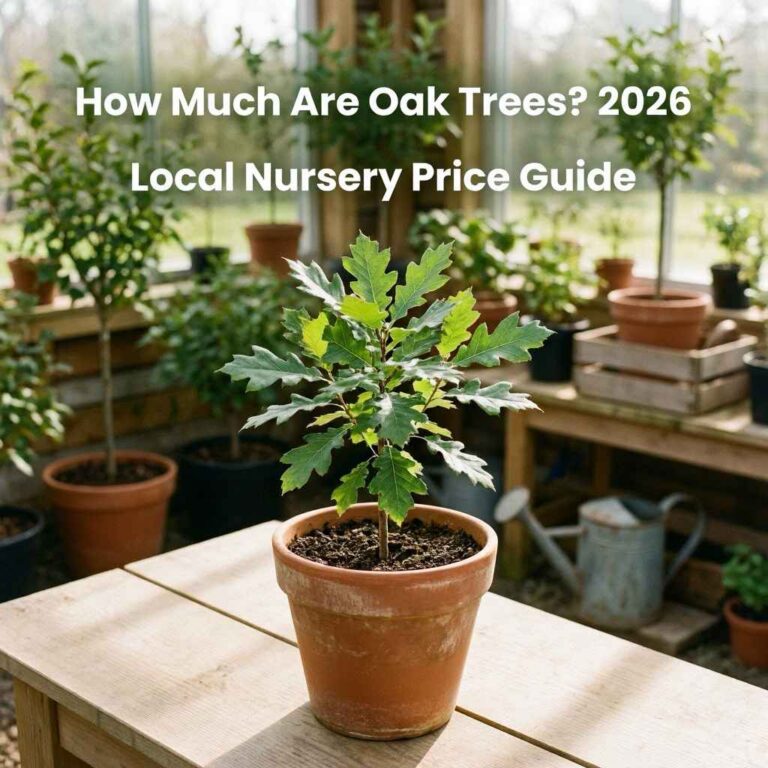
This is the most vulnerable time for an oak. A seedling is a young plant that has just sprouted from an acorn. Growth is very slow during this period as the tree focuses on developing its root system.
It needs careful protection from pests, disease, and harsh weather. Most of the energy goes into establishing a strong anchor in the ground. Height increase is minimal, often just a few inches to a foot per year.
Sapling Stage (3-15 Years)
Once an oak becomes a sapling, it starts to grow more noticeably. The root system continues to expand, and the trunk begins to thicken. The tree will start to gain height more rapidly, perhaps a foot or two each year if conditions are good.
This stage is critical for building the basic structure of the tree. Pruning can be important during this phase to shape the tree.
A common scenario is planting a sapling that is 3-5 feet tall. In about 10 years, with good care, it might reach 15-20 feet. This is a significant change and shows the tree is well on its way to becoming established.
Young Tree Stage (15-50 Years)
In this phase, the oak tree is actively growing and filling out. It will increase in height and width, developing a more substantial canopy. Growth rates can still be around 1-2 feet per year, depending on the species and environment.
The tree’s trunk will thicken considerably, and its branches will spread wider. This is when the tree starts to look more like the majestic oak we picture.
Mature Stage (50+ Years)
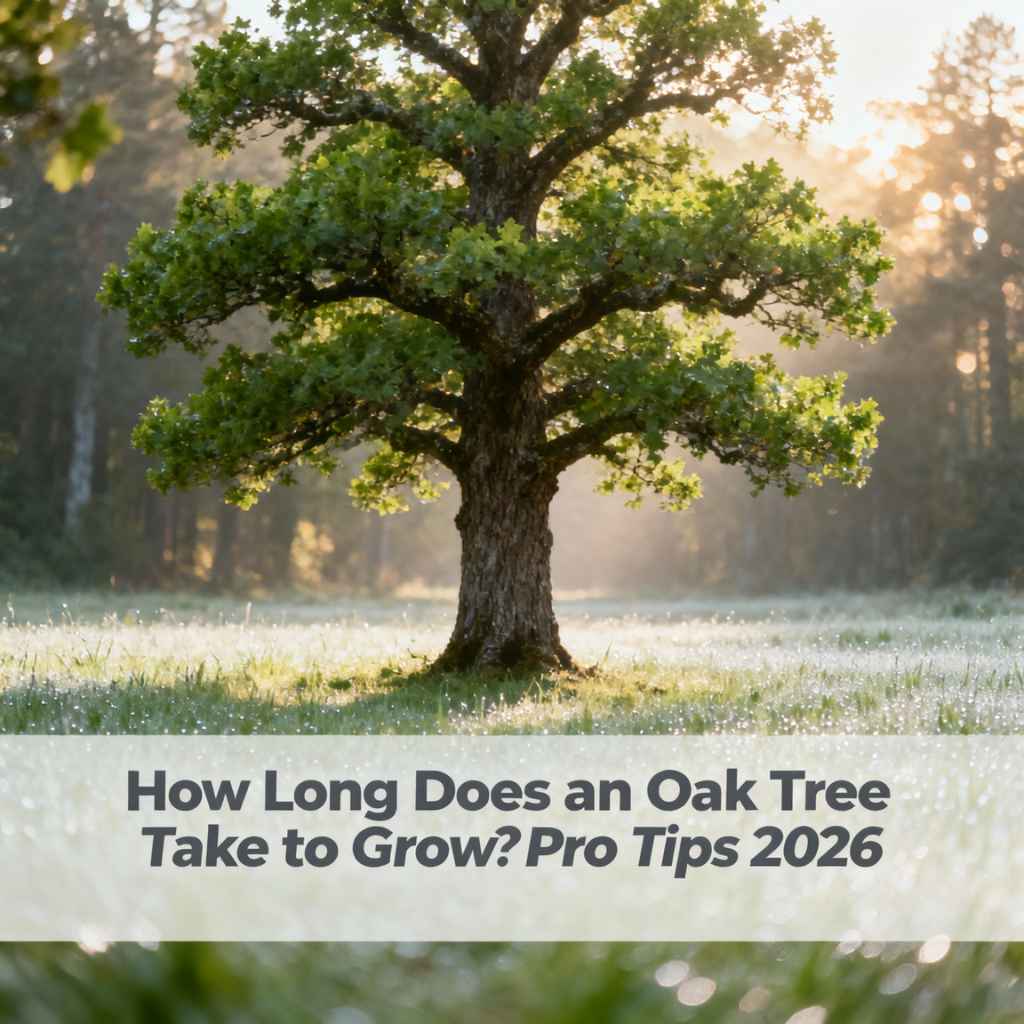
Once an oak reaches maturity, its growth slows down. The tree focuses more on producing acorns and maintaining its existing structure rather than rapid height gain. However, it continues to gain girth and can live for hundreds of years.
This stage is characterized by its full, impressive size and its role as a vital part of the ecosystem. It provides shade, habitat, and food for wildlife.
A mature oak, say 100 years old, will be a large, imposing tree. It will have a trunk that is several feet in diameter and a canopy that spreads wide. Its growth will be subtle but steady.
How Long Does An Oak Tree Take To Grow To Full Size A Closer Look
Many people ask about reaching “full size,” but oaks don’t really stop growing. They just slow down significantly. What we consider “full size” is usually when the tree reaches its mature, established form.
This takes a long time, often many decades. The concept of reaching a “final” size is less about an abrupt stop and more about a gradual transition to slower, maintenance growth. Understanding this nuanced process is key to appreciating the long-term nature of oak trees.
Estimating Time To Reach A Significant Size
When people ask “How Long Does an Oak Tree Take to Grow?”, they often mean when will it be a substantial tree, providing shade or a visual landmark. For a tree to be considered large and well-established, it typically needs at least 30-50 years. Within this timeframe, it can reach heights of 40-60 feet and develop a broad canopy.
It’s important to remember that “significant size” is relative and depends on the specific oak species and its growing conditions.
Consider this example: A Red Oak planted in ideal conditions might reach 30 feet in 20 years. A White Oak under the same conditions might take 30-40 years to reach a similar height. This difference highlights the importance of species identification and patience.
Factors Affecting Full Size Potential
Even with ideal conditions, genetics plays a role. Some oaks are predisposed to be larger than others. A genetically superior tree will always have a better chance of reaching its full potential size.
Disease or pest infestations can also permanently stunt a tree’s growth, preventing it from ever reaching its maximum size.
Environmental stresses over many years, like prolonged drought or poor soil, accumulate. These can weaken the tree and limit its ultimate dimensions, even if conditions improve later.
Longevity vs. Growth Rate
It’s important to distinguish between how fast an oak grows and how long it lives. A fast-growing oak might reach a large size relatively quickly but may not live as long as a slow-growing oak. White oaks, for example, grow slowly but can live for 500 years or more.
Red oaks grow faster but have a shorter lifespan, often around 200 years.
This trade-off means that while you might get shade sooner from a red oak, a white oak will be a legacy tree that can last for generations. Both have their own unique value.
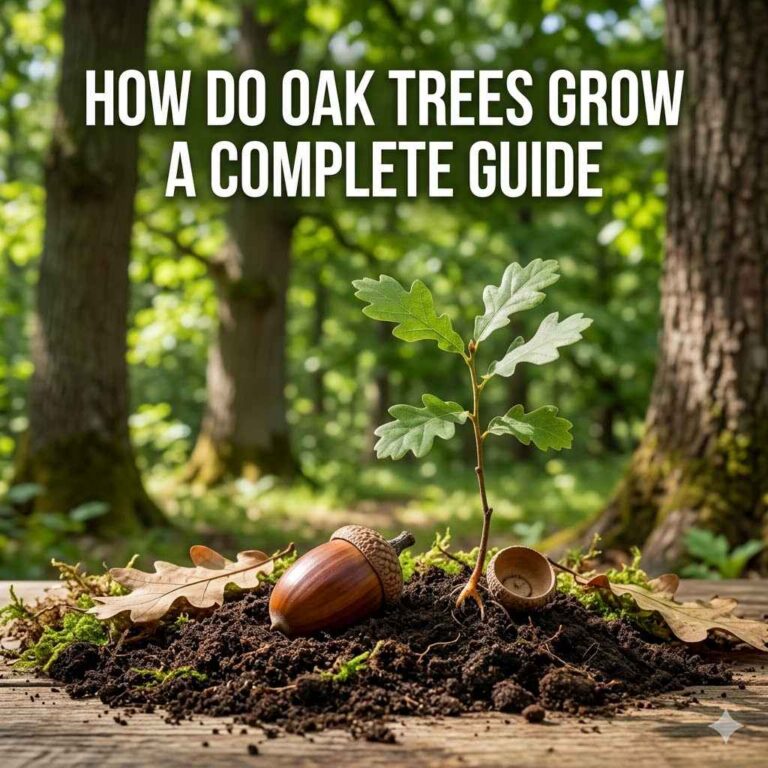
Acorn to Mighty Oak A Visual Journey
Imagine a tiny acorn, no bigger than your thumb. Within months, it sprouts a root and a shoot. By the end of its first year, it’s a small seedling, just inches tall.
Over the next decade, it grows into a slender sapling, reaching a few feet in height. By its 30th year, it’s a young tree, perhaps 30-40 feet tall with a noticeable presence.
Fast forward to 100 years. The oak is now a grand, mature tree, its trunk thick and its branches spreading wide. It has weathered countless seasons, storms, and droughts, becoming a cornerstone of its environment.
This visual progression showcases the remarkable journey of an oak, a testament to nature’s slow but powerful artistry.
Pro Tips For Oak Tree Growth Success
To help your oak tree grow as well as possible, there are some practical steps you can take. These tips are designed to give your tree the best possible start and ongoing care. By following these suggestions, you can encourage healthy development and a longer, more vibrant life for your oak.
This proactive approach can make a real difference in how well your tree thrives over the years.
Choosing the Right Location
Selecting the perfect spot for your oak tree is perhaps the most critical decision. Consider the mature size of the tree. You need plenty of space for its roots and canopy to spread without interfering with buildings, power lines, or other plants.
Ensure the chosen location receives adequate sunlight – most oaks need full sun. Also, check the soil drainage. Avoid areas where water pools after rain.
A good practice is to look at mature trees of the same species in your area. Where do they thrive? What are their surroundings like?
Mimicking these successful conditions can significantly increase your chances of success.
Proper Planting Techniques
When planting an oak sapling, dig a hole that is two to three times wider than the root ball, but only as deep as the root ball. This allows the roots to spread out easily. Make sure the root flare, the point where the trunk widens at the base, is visible at soil level.
Planting too deep is a common mistake that can suffocate the roots.
Gently loosen any circling roots on the root ball before placing it in the hole. Backfill the hole with the original soil, avoiding the temptation to add too much compost or fertilizer directly into the planting hole, as this can discourage roots from spreading outward. Water thoroughly after planting.
Watering and Mulching Strategies
For the first year or two, water your young oak regularly, especially during dry periods. Aim for deep watering that encourages roots to grow downwards. Once the tree is established, it will require less supplemental watering, becoming more drought-tolerant.
Mulching is incredibly beneficial. Apply a 2-3 inch layer of organic mulch, like wood chips or shredded bark, around the base of the tree, keeping it a few inches away from the trunk. Mulch helps retain soil moisture, suppresses weeds, and regulates soil temperature.
It also slowly breaks down, adding nutrients to the soil.
Pest and Disease Management
Regularly inspect your oak tree for any signs of pests or diseases. Common issues include oak wilt, powdery mildew, and various insect borers. Early detection is key.
If you notice wilting leaves, unusual spots, or insect activity, consult with a local arborist or extension office for identification and treatment recommendations. Healthy trees are more resistant to pests and diseases.
For instance, if you see small holes in the bark and sawdust-like material, it might indicate borers. Prompt action might involve removing infested branches or using specific treatments. Preventing stress through good watering and soil care is the best defense.
Pruning for Health and Shape
Pruning is important for removing dead, damaged, or crossing branches. This improves air circulation, reduces the risk of disease, and can help shape the tree for better structure. For young trees, formative pruning can guide their growth towards a strong central leader and well-spaced branches.
Avoid excessive pruning, as this can stress the tree.
The best time to prune most oaks is during their dormant season, typically in late winter before new growth begins. This minimizes sap loss and reduces the risk of disease transmission.
How Long Does An Oak Tree Take To Grow? Considering Regional Differences
The climate and specific environmental conditions of a region play a significant role in how quickly an oak tree grows. What might be ideal conditions in one area could be challenging in another. Understanding these regional differences helps set more accurate expectations for growth timelines and success.
This is especially true when considering “How Long Does an Oak Tree Take to Grow?” in your specific location. Localized knowledge is incredibly valuable for any gardener or tree enthusiast.
Climate Zone Impact
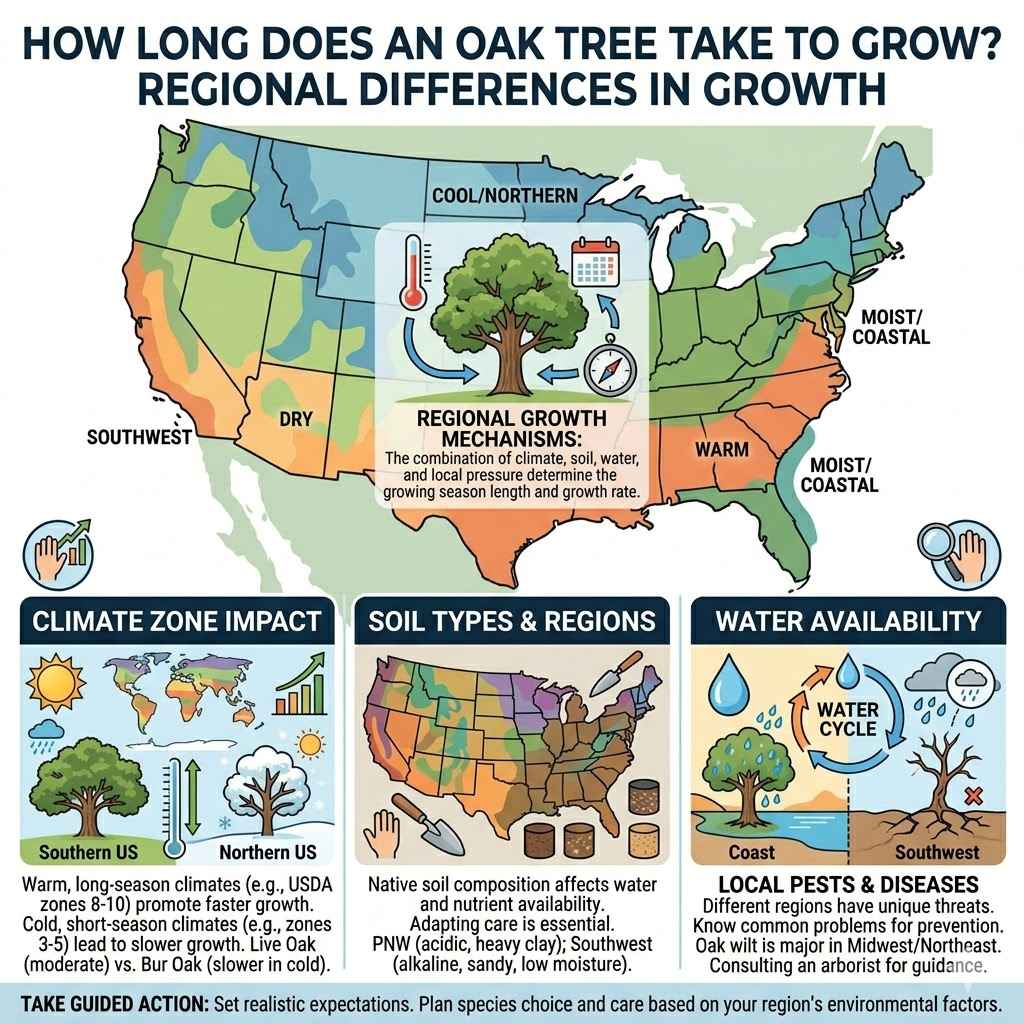
Different climate zones have varying average temperatures, rainfall amounts, and frost dates. These directly affect a tree’s growing season and its ability to thrive. For example, oak trees in warmer climates with longer growing seasons will generally grow faster than those in colder regions with shorter, harsher winters.
The USDA Plant Hardiness Zone Map is a good tool to understand what plants can survive and thrive in your area.
For example, a Live Oak (Quercus virginiana) thrives in the warmer, southern United States and grows at a moderate pace. In contrast, a Bur Oak (Quercus macrocarpa) can tolerate colder climates but may grow slower in those conditions compared to its potential in a milder zone.
Soil Types Across Different Regions
The native soil composition varies greatly from one region to another. Some areas might have naturally fertile, well-draining soil, while others might have heavy clay, sandy soil, or even rocky terrain. These differences directly influence the availability of water and nutrients for the oak tree.
Adapting planting and care strategies to the specific soil conditions of your region is essential.
For instance, in the Pacific Northwest, soils can be acidic and heavy clay. In the American Southwest, soils are often alkaline and sandy, with very low moisture content. These require different approaches to soil amendment and watering.
Water Availability and Drought Conditions
Regions prone to drought will present a different challenge for oak tree growth than areas with abundant rainfall. Even drought-tolerant species will struggle and grow slower if water is consistently scarce. Supplemental watering, drought-tolerant landscaping practices, and choosing species well-suited to arid conditions become crucial in these areas.
A tree planted in an area that experiences severe drought for months each year will inevitably grow at a much slower pace than a tree in a region with consistent, ample rainfall. This can add years, even decades, to the time it takes to reach a significant size.
Local Pests and Diseases
Different regions have unique native pest and disease pressures. What might be a minor concern in one area could be a major threat in another. For instance, oak wilt is a devastating disease that affects oak trees in certain parts of the United States, particularly the Midwest and Northeast.
Knowing the common threats in your local area allows for preventative measures and quicker response if problems arise.
An arborist or local agricultural extension office is an excellent resource for understanding the specific pest and disease challenges prevalent in your region. They can provide guidance on the best oak species to plant and how to protect them.
Frequently Asked Questions
Question: How old is an oak tree when it starts producing acorns?
Answer: Oak trees typically begin producing acorns when they reach maturity, which can be anywhere from 10 to 50 years old, depending on the species and growing conditions. Younger trees might produce a few acorns, but significant acorn production usually starts later.
Question: Can I speed up the growth of my oak tree?
Answer: You can support faster growth by providing optimal conditions: good soil, plenty of sunlight, consistent watering (especially when young), and proper mulching. However, you cannot artificially force an oak to grow significantly faster than its natural rate, as its genetic makeup and species determine its growth potential.
Question: How much space does a mature oak tree need?
Answer: A mature oak tree can have a canopy spread of 60 to 100 feet or more in diameter, and its root system can extend just as wide, often reaching twice the spread of the canopy. You should plan for at least 50-100 feet of clear space around a mature oak.
Question: Are all oak trees slow growers?
Answer: No, not all oak trees are slow growers. While many are considered slow to moderate growers, some species, like the Red Oak, grow faster than others, such as the White Oak. However, compared to many other tree types, oaks are generally known for their slower, steady growth.
Question: What is the difference between planting an acorn and a sapling?
Answer: Planting an acorn gives you the most natural start, but germination rates can be low, and it faces many risks before sprouting. Planting a sapling gives you a head start; it’s already past the most vulnerable seedling stage and has a greater chance of survival and established growth.
Summary
Oak trees are long-lived marvels, but their growth is a patient process. From seedling to maturity, factors like species, soil, sun, and water dictate the timeline. Expect a young oak to grow steadily over decades, reaching a significant size in 30-50 years.
Proper planting, care, and choosing the right spot are your best tools for success. Enjoy the journey as your oak tree matures into a beautiful, enduring part of your landscape.