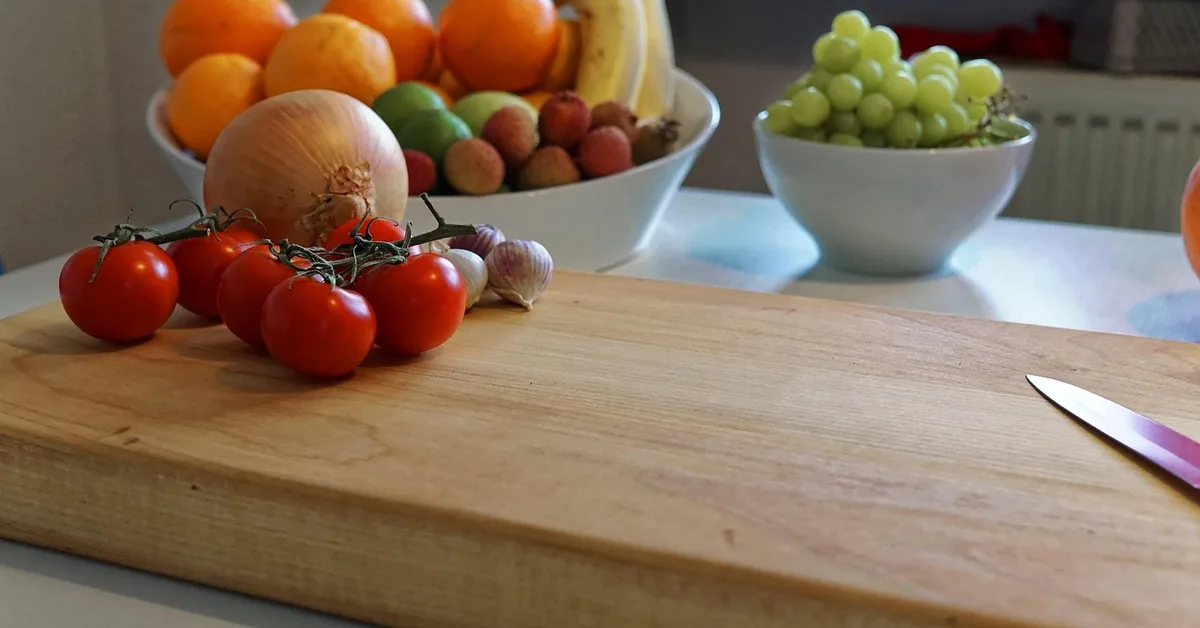
Can You Use Oak for a Cutting Board? Only White Oak
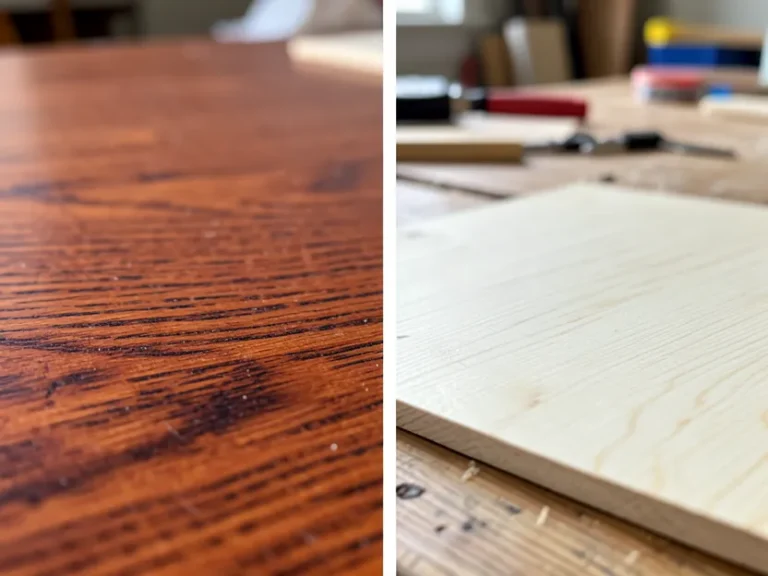
White oak works for a cutting board because its closed, tylose-filled pores resist water and bacteria the same way they seal whiskey barrels; red oak has open, porous grain and should be avoided for food prep.
Using the wrong oak traps moisture and bacteria in the wood — the exact risk food-safety guidelines warn against on kitchen surfaces.
This guide compares oak to maple, bamboo, and walnut, and covers the maintenance oak boards need to stay safe.
Introduction To Oak As A Cutting Board Material
Best Oil For An Oak Cutting Board
Howard Food Grade Mineral Oil for Cutting Boards (12 oz) – $9.97
This is the regular oiling this guide says white oak needs to keep its tylose-filled grain water- and bacteria-resistant — a pure, food-safe mineral oil with no added scent or dyes.
- Best for: white oak boards that need the monthly oiling this guide recommends
- Why we picked it: pure USP food-grade mineral oil, matches the maintenance routine oak’s porous grain requires
- Main drawback: oil alone won’t seal oak’s open pores as well as a wax-oil blend
Compare more oak cutting board care options
 Option 1 Thirteen Chefs Mineral Oil (12 oz) – $15.99
|
 Option 2 Howard Butcher Block Conditioner & Mineral Oil – $9.98
|
 Option 3 John Boos Board Cream with Beeswax (5 oz) – $13.95
|
As an Amazon Associate we earn from qualifying purchases.
Qualities Of Oak Wood
Oak wood is durable and has natural antibacterial properties.
Historical Use In Kitchenware
Oak has been used for centuries in kitchenware due to its longevity.
Comparing Oak To Popular Cutting Board Woods
When it comes to choosing the right wood for a cutting board, there are several options to consider. Oak, known for its strength and durability, is often a popular choice. However, how does it stack up against other commonly used woods like maple, bamboo, walnut, and poplar? Let’s compare oak to these popular cutting board woods to help you make an informed decision.
Oak Vs. Maple
Both oak and maple are renowned for their hardness and resistance to moisture, making them excellent choices for cutting boards. However, there are a few distinctions to consider. Oak, with its prominent grain patterns and warm hues, adds a touch of elegance to any kitchen. On the other hand, maple’s lighter color and smoother grain make it a popular choice for those who prefer a more minimalist aesthetic. In terms of durability, both woods are highly resistant to scratches and dents, ensuring longevity for your cutting board.
Oak Vs. Bamboo
When comparing oak to bamboo, there are several factors to take into account. Bamboo, a fast-growing grass, is known for its sustainable nature and eco-friendly appeal. It offers a natural resistance to moisture, making it less prone to warping or splitting. Oak, on the other hand, is a hardwood that boasts excellent strength and stability. While oak may require more maintenance, it offers a classic look and a sturdy surface for all your cutting needs.
Oak Vs. Walnut
Walnut, another popular choice for cutting boards, presents a distinct dark brown color that adds richness to any kitchen. Oak, with its lighter tones, offers a contrasting option for those seeking a brighter appearance. Both woods are highly durable and resistant to bacteria, ensuring a hygienic cutting surface. However, walnut’s natural oils provide added protection against water damage, making it a preferred choice for those who prioritize water resistance in their cutting board.
The Science Behind Oak’s Durability
Oak is a popular wood for furniture and flooring, but can you use it for a cutting board? The answer is yes! Oak is durable and has a beautiful grain pattern that makes it an excellent choice for cutting boards. But what makes oak so durable? Let’s take a closer look at the science behind oak’s durability.
Hardness And Density Factors
Oak is a hardwood, which means it is denser and harder than softwoods like pine or cedar. The hardness and density of oak make it resistant to scratches and dents, making it an ideal wood for cutting boards. Oak is also less likely to warp or crack than softer woods.
Tannins In Oak Wood
Oak wood contains tannins, which are natural compounds that help protect the wood from bacteria and fungi. Tannins give oak wood its distinctive color and can also help prevent odors from seeping into the wood. The presence of tannins in oak wood makes it an excellent choice for a cutting board, as it can help prevent bacteria growth.
When selecting oak for a cutting board, it’s important to choose high-quality, food-grade oak that has been properly dried and treated. Oak that is not properly dried can warp or crack over time, compromising the durability of the cutting board.
Overall, oak is a durable and attractive choice for a cutting board. Its hardness, density, and tannins make it resistant to scratches, bacteria, and odors. Just be sure to choose high-quality oak and properly maintain your cutting board to ensure its longevity.
Hygiene Concerns With Oak Cutting Boards
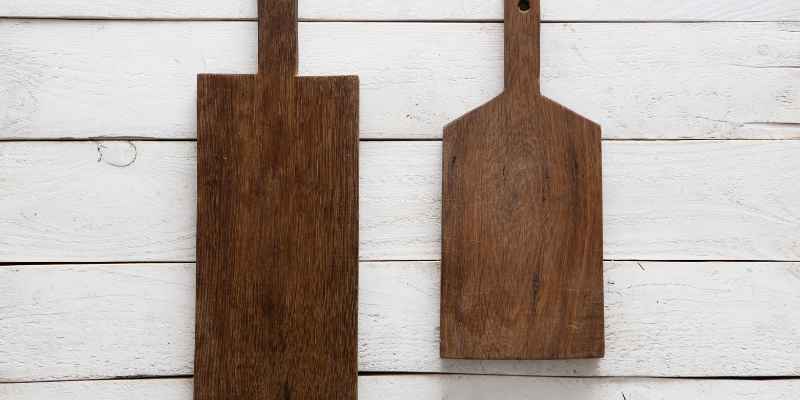
Porousity And Bacteria Growth
Oak cutting boards are porous, allowing bacteria to penetrate the surface, making it challenging to clean thoroughly.
Ease Of Cleaning And Maintenance
Oak cutting boards require extra care, as their porous nature makes them prone to retaining odors and stains.
Aesthetic And Functional Appeal Of Oak
Oak is a popular choice for various woodworking projects, including cutting boards, due to its aesthetic and functional appeal. Its distinctive grain patterns and durability make it an attractive option for both professional and amateur woodworkers. In this article, we will explore the aesthetic and functional appeal of oak, focusing on its grain patterns and beauty, as well as its impact on knife blades.
Grain Patterns And Beauty
Oak is renowned for its beautiful grain patterns, ranging from straight and uniform to more intricate patterns featuring cathedrals, flakes, and rays. The prominent grain variations create visually appealing textures on the surface of the wood, adding character to cutting boards and enhancing their overall aesthetic appeal. The warm tones and natural luster of oak further contribute to its visual charm, making it a sought-after choice for those who appreciate the beauty of natural wood.
Impact On Knife Blades
When it comes to the functionality of cutting boards, oak’s dense and resilient nature has a significant impact on the performance and longevity of knife blades. The hardness of oak wood provides an ideal surface for cutting and chopping, minimizing wear and tear on knife edges. Additionally, oak’s natural resistance to moisture and bacterial growth makes it a hygienic option for food preparation, ensuring the safety and cleanliness of the cutting board over time.
Sustainability And Eco-friendliness Of Oak
When it comes to choosing a cutting board, sustainability and eco-friendliness are important factors to consider. Oak, a popular hardwood known for its strength and durability, also holds its own when it comes to sustainability. Let’s explore the renewability of oak resources and the environmental impact of oak cutting boards.
Renewability Of Oak Resources
Oak trees are considered a renewable resource, which means they can be replenished within a reasonable timeframe. This is because oak trees have a relatively fast growth rate compared to other hardwoods. With proper forest management practices in place, oak forests can be sustainably harvested, ensuring a continuous supply of oak wood for various purposes, including cutting boards.
By choosing oak for your cutting board, you can support sustainable forestry practices and contribute to the preservation of oak forests for future generations. Oak’s renewability makes it an environmentally responsible choice for those who are conscious of the impact their purchasing decisions have on the planet.
Oak Cutting Boards And Environmental Impact
When it comes to the environmental impact of oak cutting boards, there are several factors to consider. Oak is a durable and long-lasting material, which means that oak cutting boards can withstand years of use without needing frequent replacements. This durability helps reduce waste and minimizes the overall environmental footprint of using cutting boards made from oak.
Additionally, oak is a non-toxic and non-allergenic wood, making it a safe choice for food preparation. Unlike some synthetic materials, oak cutting boards do not leach harmful chemicals into food, ensuring that your meals remain healthy and free from contaminants.
Furthermore, oak has natural antibacterial properties, which can help inhibit the growth of bacteria on the surface of the cutting board. This makes oak cutting boards easier to clean and maintain, reducing the need for harsh chemicals or excessive water usage during cleaning.
In conclusion, oak is a sustainable and eco-friendly choice for cutting boards. Its renewability, durability, and natural properties make it a responsible option for those who prioritize sustainability and want a long-lasting cutting board that is safe for food preparation.
User Experiences And Reviews
Discover if oak is a suitable choice for your cutting board through user experiences and reviews. Learn about the durability and safety aspects before making your decision. Choose wisely based on authentic feedback for a reliable kitchen tool.
Professional Chefs’ Opinions
Professional chefs often prefer oak cutting boards for their durability and resistance to bacteria.
They highlight oak’s sturdiness and ability to withstand heavy daily use in commercial kitchens.
Home Cooks’ Testimonials
Home cooks appreciate the natural beauty of oak cutting boards in their kitchens.
They find oak boards easy to maintain and appreciate their longevity compared to other materials.
Making The Right Choice For Your Kitchen
Oak is a popular choice for cutting boards due to its durability and natural antimicrobial properties. Its tight grain pattern helps to resist moisture and prevent bacteria growth, making it a safe and practical option for your kitchen.
Factors To Consider When Buying
Oak cutting boards are durable and add a touch of elegance to your kitchen.
1. Durability: Oak is sturdy and can withstand heavy use.
2. Aesthetics: The natural grain patterns of oak bring beauty to your kitchen.
3. Maintenance: Oak cutting boards require regular oiling to maintain their quality.
Oak Cutting Board Care Tips
Proper care ensures longevity and hygiene of your oak cutting board.
1. Cleaning: Wash with mild soap and warm water after each use.
2. Drying: Air dry the board upright to prevent warping.
3. Oil Regularly: Apply food-grade mineral oil to keep the wood moisturized.
Conclusion: The Verdict On Oak Cutting Boards
Summarizing The Pros And Cons
Oak cutting boards offer durability but are prone to scratches and may require regular maintenance.
Pros: Durable, naturally antimicrobial, and aesthetically pleasing.
Cons: Prone to scratches, requires regular oiling, and may dull knives.
Final Recommendations
- Consider oak cutting boards for their durability and natural beauty.
- Regularly oil the board to maintain its longevity.
- Use softer knives to prevent dulling on oak surfaces.
Frequently Asked Questions
Can Oak Be Used For A Cutting Board?
Yes, oak is a suitable wood for cutting boards. It is a hardwood that is durable and has a tight grain that resists bacteria. However, oak is a porous wood that can absorb liquids and odors, so it requires regular maintenance and oiling to keep it in good condition.
Is Oak Too Hard For A Cutting Board?
No, oak is not too hard for a cutting board. In fact, its hardness makes it a durable and long-lasting option. However, its hardness can make it more challenging to cut and maintain the cutting edge of your knives, so you may need to sharpen them more frequently.
Is Oak Safe For Cutting Boards?
Yes, oak is safe for cutting boards as long as it is properly maintained. It is important to keep your cutting board clean and dry, and to oil it regularly to prevent absorption of liquids and odors. It is also recommended to avoid cutting raw meat on oak cutting boards due to the risk of bacterial contamination.
Can You Use Red Oak For A Cutting Board?
Yes, you can use red oak for a cutting board. It is a popular choice for cutting boards due to its durability and tight grain. However, it is important to note that red oak is a porous wood that can absorb liquids and odors, so it requires regular maintenance and oiling to keep it in good condition.
Conclusion
Oak can be used for making cutting boards, but it requires special care. Its hardness and durability make it a suitable choice, but proper maintenance is crucial. With regular oiling and cleaning, an oak cutting board can be a beautiful and functional addition to any kitchen.
Consider the benefits and maintenance before deciding.
Sponsored / affiliate links. As an Amazon Associate I earn from qualifying purchases. I may earn additional commission from eligible campaigns.