How Long Does Super Glue Take To Cure? Dry Time Guide
You’ve just snapped a favorite ceramic mug, and your immediate thought is to grab that tube of super glue. But then the question pops into your head: how long does super glue take to cure? You need it to hold fast, and you need to know how long to keep it clamped. This guide will give you the clear answers you need to get your projects fixed quickly and correctly, explaining the factors that affect glue drying times and what to expect.
By the end, you’ll be more confident in your gluing efforts and less likely to waste precious time waiting for a bond that isn’t quite ready.
Understanding Super Glue Curing Times
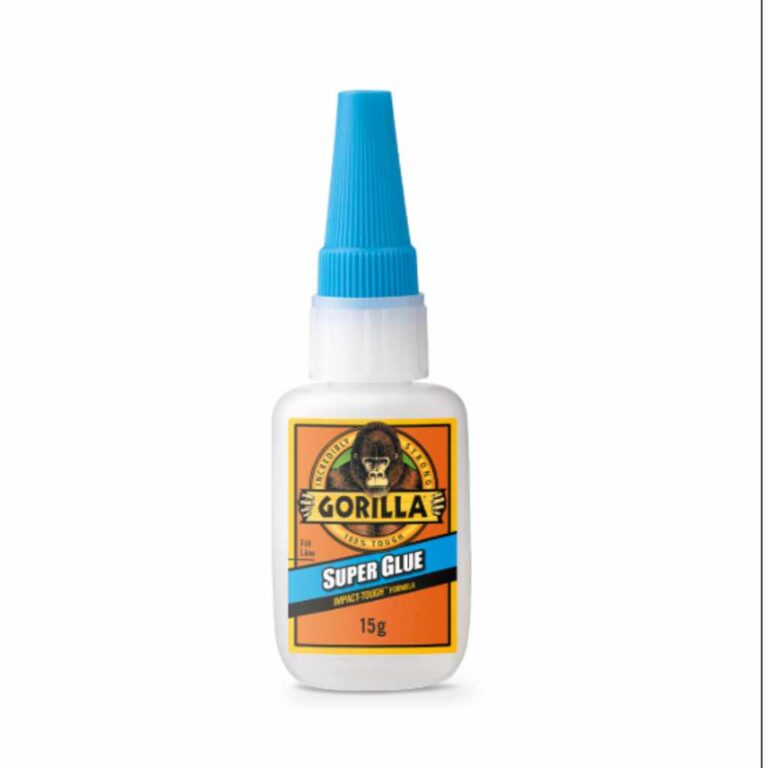
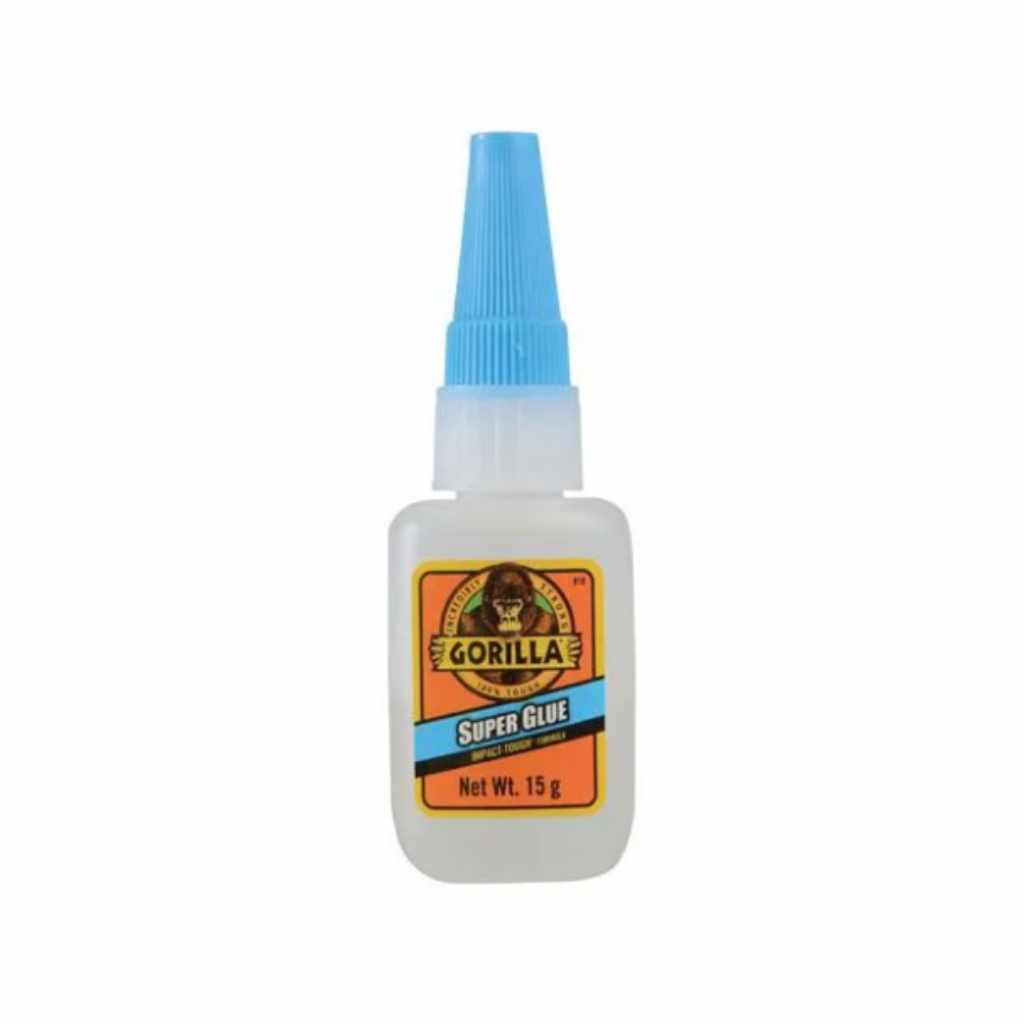
Super glue, also known as cyanoacrylate, is a powerful adhesive known for its rapid bonding capabilities. When you apply it to surfaces, a chemical reaction starts almost instantly. This reaction is triggered by moisture, which is present on almost all surfaces, even seemingly dry ones.
The term “cure” refers to the process where the liquid glue hardens and forms a strong, permanent bond. While super glue is often advertised as “instant,” this usually refers to the initial setting time, not the full curing time needed for maximum strength.
Knowing how long super glue takes to cure is essential for achieving the best results. Rushing the process can lead to weak bonds, or worse, the object breaking again shortly after repair. Different types of super glue and varying environmental conditions can significantly influence how quickly it sets and cures.
What is Super Glue?
Super glue is a fast-acting adhesive belonging to the cyanoacrylate family of chemicals. Its unique property is its ability to polymerize rapidly when it comes into contact with even trace amounts of moisture. This polymerization process is what transforms the liquid glue into a solid, rigid plastic that creates a strong bond between surfaces.
It’s commonly used for quick fixes around the house, in crafting, and even in some medical applications (special medical-grade versions).
The Science Behind Curing
The curing of super glue is an anionic polymerization reaction. When the liquid cyanoacrylate monomer is exposed to the hydroxyl ions found in ambient moisture, it begins to chain together, forming long polymer strands. This process happens from the outside in.
The initial set is when the surface begins to harden, preventing immediate movement. Full cure is when the entire thickness of the glue line has polymerized and reached its maximum strength and durability.
This reaction is exothermic, meaning it releases heat. In some cases, especially with thick applications or certain types of glue, you might feel a slight warmth as it cures. The speed of this reaction is highly sensitive to humidity levels.
Factors Affecting Super Glue Curing Time
Several variables play a role in determining how quickly your super glue will set and fully cure. Understanding these factors can help you optimize the bonding process and achieve stronger, more lasting repairs.
1. Humidity
Humidity is the most critical factor influencing super glue’s curing speed. Super glue needs moisture to cure. In dry environments, the curing process will be significantly slower.
Conversely, in high humidity, the glue will set and cure much faster. This is why super glue can sometimes feel sticky or set too quickly on humid days.
- Low Humidity (e.g., 20% or less): Curing can take significantly longer, potentially hours for full strength.
- Moderate Humidity (e.g., 40-60%): This is the ideal range for most super glues, leading to rapid setting and reasonable cure times.
- High Humidity (e.g., 70% or more): Expect very fast setting, which can be a challenge if you need to reposition parts. Full cure is still important.
2. Temperature
Temperature also impacts the rate of the chemical reaction. Higher temperatures generally speed up the curing process, while lower temperatures slow it down.
- Warmer Temperatures (above 70°F or 21°C): The chemical reaction is accelerated, leading to faster setting and curing.
- Cooler Temperatures (below 50°F or 10°C): The reaction slows down considerably, meaning it will take longer for the glue to reach its full strength.
- Freezing Temperatures: Super glue can become inactive or even damaged at freezing temperatures.
3. Type of Super Glue
Not all super glues are created equal. Manufacturers formulate them with different viscosities, additives, and chemical compositions, all of which affect their performance and curing times. You’ll commonly find:
- Standard Super Glues: These are the most common types, offering a good balance of strength and speed. They typically set in seconds to minutes and reach full cure in hours.
- Flexible Super Glues: These contain rubber or other additives to make the bond less brittle. They might have slightly longer cure times but offer better impact resistance.
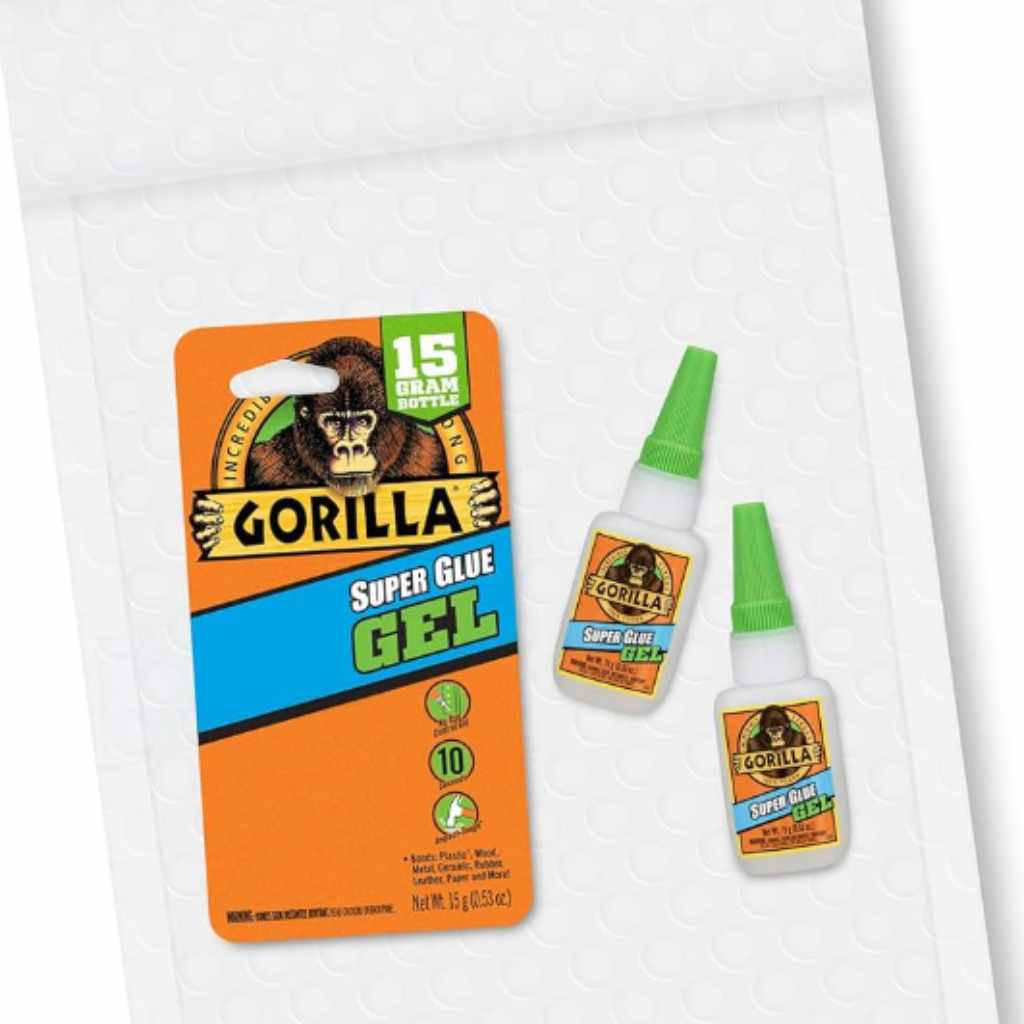
- Thick/Gel Super Glues: These are less runny and can fill small gaps. Their thicker consistency can sometimes lead to slightly slower curing as the moisture needs to penetrate further.
- Industrial/Specialty Super Glues: Some may be designed for specific materials or extreme conditions, with varying cure profiles.
4. Surface Preparation and Application
How you prepare the surfaces and apply the glue also influences curing. Ensuring surfaces are clean and free of dust, grease, or moisture (unless the glue formulation specifically requires it) helps the bond form properly. Applying too much glue can slow down the curing process because the excess needs to react and harden.
A thin, even layer is usually best for super glue, as it allows for better contact and faster, more uniform curing.
5. Porosity of Materials
Porous materials, like wood or fabric, can absorb some of the liquid glue. This can sometimes speed up the initial set because the remaining glue is concentrated. However, if too much glue is absorbed, it might not create a strong enough bond on the surface.
Non-porous materials like metal or plastic rely solely on the surface reaction.
Typical Super Glue Setting and Curing Times
It’s important to distinguish between “set time” and “cure time.”
- Set Time: This is the time it takes for the glue to become hard enough that the bonded parts can be handled without shifting. This is often measured in seconds to a few minutes.
- Cure Time: This is the time it takes for the glue to reach its maximum bonding strength. This can range from a few hours to 24 hours or more.
Here’s a general breakdown of what you can expect:
Initial Set Time
Most standard super glues will have an initial set time of 10 to 45 seconds. This means that after you press the two surfaces together, they will hold their position for handling purposes within this timeframe. This is the “instant” bond that people often refer to.
Handling Strength
After the initial set, the bond will be strong enough to handle gently, but it won’t have reached its full structural integrity. This usually occurs within 1 to 10 minutes. At this point, you can often remove clamps or temporary supports, but the object should not be subjected to stress or load.
Full Cure Time
This is where the glue reaches its maximum strength. For most common super glues, full cure typically takes anywhere from 4 to 24 hours. Some specialized formulations might be faster or slower.
For critical applications where the bonded item will experience significant stress, it’s best to wait the full 24 hours, or even longer, to ensure the strongest possible bond.
Specific Glue Types and Their Curing Times
Let’s look at how different formulations might perform:
| Glue Type | Typical Initial Set | Handling Strength | Full Cure Time |
|---|---|---|---|
| Standard Thin Super Glue | 5-15 seconds | 1-5 minutes | 4-12 hours |
| Standard Medium Super Glue | 15-30 seconds | 2-10 minutes | 8-18 hours |
| Thick/Gel Super Glue | 30-60 seconds | 5-15 minutes | 12-24 hours |
| Flexible Super Glue | 20-40 seconds | 5-10 minutes | 12-24 hours |
These are approximations, and it’s always best to check the manufacturer’s instructions on the specific product you are using. Environmental conditions will still play a significant role.
Tips for Faster and Stronger Curing
If you need your super glue to set and cure faster, or you want to ensure the strongest possible bond, consider these tips:
- Increase Humidity: For faster curing, you can slightly increase the humidity around the bonded area. For small objects, this might involve breathing on the bond lightly after the initial set, or placing it in a slightly steamy bathroom (but avoid getting it wet). Commercial humidity accelerators are also available.
- Increase Temperature: A slightly warmer environment will speed up the chemical reaction. Avoid extreme heat, which can damage the glue.
- Ensure Proper Application: Use a thin, even layer of glue. Too much glue means more material to cure and a weaker bond.
- Clean Surfaces Thoroughly: Remove all dust, grease, oil, and debris from the surfaces you are bonding. Use an appropriate cleaner like isopropyl alcohol.
- Clamp if Necessary: While super glue sets quickly, ensuring the parts are held perfectly still during the initial set is crucial for a good bond. Gentle clamping or holding them firmly for the initial seconds can prevent slippage.
- Use Accelerators: Many brands offer “super glue accelerators” or “activators.” These are typically sprayed or brushed onto the bond after application and significantly speed up the curing process, often allowing for handling in seconds. Be aware that accelerators can sometimes make the bond more brittle.
What If Super Glue Doesn’t Seem to Be Curing?
If you’ve applied super glue and it seems to remain tacky or won’t harden, several factors could be at play:
- Very Low Humidity: The air might be too dry for the polymerization reaction to occur effectively.
- Incorrect Glue Application: You may have used too little glue, not creating a sufficient bond line.
- Incompatible Materials: Some materials, like certain silicones or Teflon, are notoriously difficult for super glue to bond to.
- Expired Glue: Super glue can degrade over time, especially if the cap isn’t sealed properly. Old glue may lose its effectiveness.
- Surface Contamination: The surfaces might have been contaminated with something the glue can’t bond to, even after cleaning.
- Wrong Type of Glue: You might be using a glue formulation not suited for the task or materials.
In cases of slow or failed curing, try applying a bit more glue, ensuring good contact and a suitable environment (moderate humidity, room temperature). If it still fails, you might need to remove the old glue and try again with a fresh tube.
Frequently Asked Questions
Question: How long until super glue is completely waterproof?
Answer: Most super glues are not fully waterproof immediately after setting. While they offer good water resistance once cured, full water resistance is typically achieved after 24 hours of curing. Prolonged immersion in water might still affect the bond over time, depending on the specific formulation and the materials bonded.
Question: Can I speed up super glue curing with heat?
Answer: A moderate increase in temperature can speed up curing. However, excessive heat can damage the glue, weaken the bond, or even cause it to melt or degrade. Stick to room temperature or slightly warmer conditions rather than applying direct heat.
Question: My super glue is very runny, is it old?
Answer: A very runny consistency in super glue could indicate age or exposure to air and moisture, which causes it to begin curing in the tube. However, some “thin” super glues are naturally very runny. If it’s not bonding effectively, it’s more likely an issue of age or improper application.
Question: How long does super glue take to cure on plastic?
Answer: The cure time on plastic is generally similar to other non-porous surfaces, typically ranging from 4 to 24 hours for full cure. However, certain plastics like polyethylene or polypropylene are very difficult for super glue to adhere to, and bonding might be weak or impossible without special primers.
Question: Is it safe to use super glue on skin?
Answer: While some medical-grade cyanoacrylates are used in surgery to close wounds, household super glue is not intended for skin application. It can cause irritation, and the bond is very strong, making removal painful and potentially damaging to skin. If you get super glue on your skin, soak the area in warm, soapy water and gently peel the skin apart.
Avoid pulling bonded skin.
Final Thoughts
When tackling repairs or crafting projects, understanding how long super glue takes to cure is a key piece of information. Remember that the rapid setting time is only the beginning; full strength and durability come after a much longer period. Factors like humidity, temperature, the specific type of glue, and even the materials you’re joining all influence this timeline.
For the strongest bond, always allow adequate time for the glue to fully cure, usually 24 hours, especially for items that will bear weight or stress. Don’t be afraid to use accelerators if speed is critical, but be mindful of their potential to create a more brittle bond. By paying attention to these details and following product instructions, you can ensure your glued projects stand the test of time and hold together reliably.