Krazy Glue vs Gorilla Super Glue: Which Is Stronger?
Both Krazy Glue and Gorilla Super Glue are cyanoacrylate adhesives—not different chemistry types—but Gorilla Super Glue adds a rubber impact modifier that makes it 10–15% stronger and 25% more impact-resistant than standard formulas. Neither bonds polyethylene or polypropylene plastic, and both fail on wet surfaces. This guide covers exactly how the formulas differ, which surfaces each excels on, set vs. cure times, and when Krazy Glue’s lower cost is the smarter pick.
Quick Answer
Gorilla Super Glue is stronger—its Impact-Tough rubber-modified cyanoacrylate formula bonds 10–15% harder than Krazy Glue’s standard ethyl cyanoacrylate. Both set in 10–45 seconds. Choose Krazy Glue for small precision repairs under $5; choose Gorilla Super Glue when the bond will take impact, vibration, or heavier stress.
Krazy Glue’s Formula: Standard Ethyl Cyanoacrylate
Best Super Glue Pick
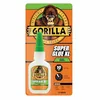
Gorilla Super Glue Gel XL, 25g – No-Drip Clear
Gel formula means it stays put on vertical surfaces without dripping—ideal for furniture repairs, ceramics, and any surface where liquid glue would run.
- Best for: Vertical surfaces, ceramics, and repairs where precision matters
- Why we picked it: Gel consistency controls drips; Impact-Tough rubber modifier resists chips
- Main drawback: Costs more per gram than Krazy Glue; gel sets slightly slower than liquid
Compare more super glue options
 Option 1 Gorilla Super Glue Impact-Tough, 4x3g Tubes
|
 Option 2 Krazy Glue Max Bond Gel EZ Squeeze, 4g
|
 Option 3 Krazy Glue Brush-On Home & Office, 5g
|
As an Amazon Associate we earn from qualifying purchases.
Krazy Glue uses ethyl cyanoacrylate (ECA) as its base—the same foundational chemistry that Dr. Harry Coover accidentally discovered in 1942 while developing clear plastics for gun sights. Ethyl cyanoacrylate polymerizes on contact with trace moisture, typically setting in 10–30 seconds on smooth, close-fitting surfaces.
Its key bonding characteristics: works well on glass, ceramic, metal, leather, and most rigid plastics; forms a rigid, hard bond that resists moderate tension but can become brittle under shock or vibration; dries completely clear with no residue. The precision tip on most Krazy Glue products lets you apply exactly where needed—critical for small repair work where excess glue is hard to remove.
| Key Attribute | Krazy Glue (Ethyl CA) |
|---|---|
| Base chemistry | Ethyl cyanoacrylate |
| Set time | 10–30 seconds |
| Full cure | 24 hours |
| Gap-filling ability | None—surfaces must be tight-fitting |
| Impact resistance | Low—bond is rigid and can crack under shock |
| Typical price (5g) | $3–$5 |
Gorilla Super Glue’s Formula: Rubber-Modified Impact-Tough Cyanoacrylate
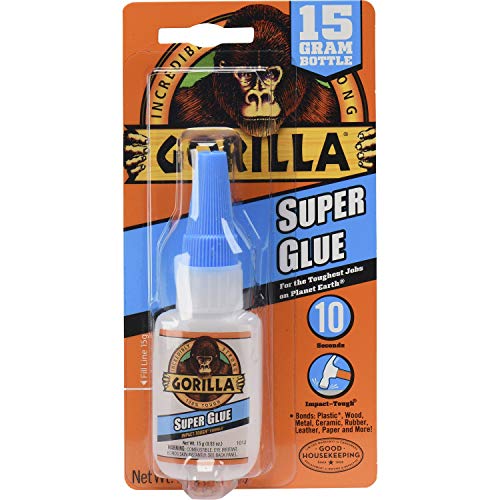
Gorilla Super Glue is also cyanoacrylate—not polyurethane (that is the original Gorilla Glue, a different product entirely). The critical difference is that Gorilla Super Glue’s formula includes rubber particles that increase impact toughness. Independent adhesive testing found the rubber-modified formula performs about 10–15% stronger across bonded surfaces and handles impact approximately 25% better than standard cyanoacrylate. The Impact-Tough designation on the packaging refers specifically to this rubber-modified formula.
Practical result: when a glued part gets dropped, bumped, or vibrated (think ceramic figurines, eyeglass frames, tool handles), a Gorilla Super Glue bond is significantly less likely to chip or crack than a Krazy Glue bond. The tradeoff is price—Gorilla Super Glue runs $5–$9 per tube versus $3–$5 for Krazy Glue.
Is Gorilla Super Glue the Same as Gorilla Glue?
Gorilla Super Glue is not the same as original Gorilla Glue—they are completely different adhesives. This is the single most common confusion in every comparison article about these products, including the earlier version of this one. Here is the difference:
| Product | Chemistry | How it cures | Gap-filling | Best for |
|---|---|---|---|---|
| Gorilla Super Glue | Cyanoacrylate (modified) | Moisture triggers instant polymerization | No—same as Krazy Glue | Quick precision repairs |
| Original Gorilla Glue | Polyurethane | Expands as it foams and cures (needs moisture) | Yes—fills gaps up to 1/8 inch | Wood joinery, porous materials |
When most people search for “Gorilla Super Glue vs Krazy Glue,” they are comparing two cyanoacrylate products. If you need a foam-expanding polyurethane adhesive for woodworking joints with small gaps, that is original Gorilla Glue—a different product. For the full Gorilla Glue vs Super Glue comparison, see our dedicated guide.
Ease of Application: Tips, Gels, and Set Time
Both adhesives offer precision-tip applicators for controlled dispensing. The practical application differences come down to formula viscosity and bottle design.
Krazy Glue uses a standard liquid formula with a thin precision tip. It flows into tight crevices effectively but can run on vertical surfaces. Gorilla Super Glue is available as liquid or gel (the gel variant is usually preferred for repair work since it won’t drip on vertical surfaces or bleed onto surrounding material).
| Feature | Krazy Glue | Gorilla Super Glue |
|---|---|---|
| Set time | 10–30 seconds | 10–45 seconds |
| Full cure | 24 hours | 24 hours |
| Clamp required? | No | No |
| Gel option available? | Yes (Max Bond Gel) | Yes (Gel XL) |
| Anti-clog cap? | Varies by product | Yes (metal pin) |
Surface Compatibility: Where Each Performs Best
Both Krazy Glue and Gorilla Super Glue bond the same range of materials—with one shared hard limit: neither bonds to polyethylene (PE) or polypropylene (PP) plastics. These are the plastics used in food containers, recycling bins, and most flexible outdoor furniture. Both adhesives also underperform on silicone, Teflon, and surfaces with oil contamination.
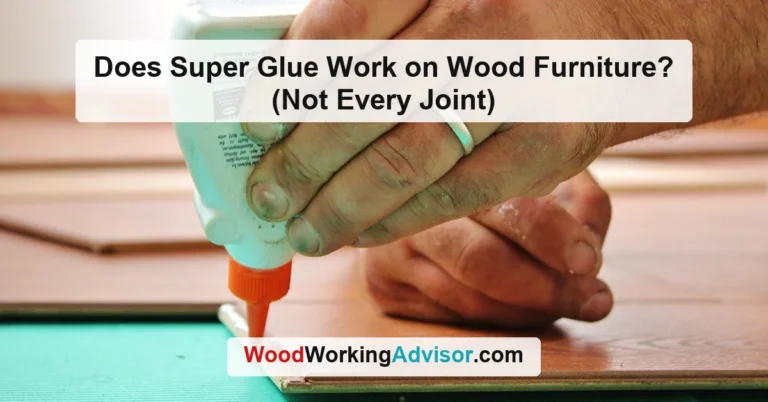
For woodworking, both glues work on tight, close-fitting wood joints—such as repairing a broken chair leg or a loose joint on a cabinet. However, neither replaces dedicated wood glue for structural joints with larger mating surfaces; super glue is brittle once cured and lacks the shear strength of PVA or polyurethane on wood grain. For quick tack-bond repairs on small wooden items, Krazy Glue is typically the faster and more cost-effective choice.
| Surface | Krazy Glue | Gorilla Super Glue |
|---|---|---|
| Metal (steel, aluminum) | Strong bond | Strong bond (+impact mod) |
| Ceramic / porcelain | Strong bond | Strong bond (+impact mod) |
| Glass | Strong bond | Strong bond (+impact mod) |
| Hard plastics (ABS, PVC) | Good bond | Good bond |
| PE / PP plastic | Does not bond | Does not bond |
| Wood (tight joints) | Works | Works |
| Rubber | Limited | Good (rubber modifier helps) |
| Leather | Good | Good |
Resistance to Elements: Water, Heat, and Shock
Water resistance: Both glues are water-resistant once fully cured (24 hours), but neither is rated for prolonged submersion. Gorilla Super Glue’s product page designates it as intended primarily for indoor use, despite the water-resistance once cured.
Heat resistance: Standard cyanoacrylate adhesives begin softening around 180°F (82°C). Both products are in this range. Avoid using either near stoves, car engines, or any surface that regularly exceeds 150°F.
Impact and shock: This is where Gorilla Super Glue has a measurable advantage. The rubber particles in its formula absorb impact energy rather than transmitting it to the bond line. In impact testing, Gorilla Super Glue’s rubber-modified formula has shown approximately 25% better impact toughness than standard cyanoacrylate—meaning repaired parts are less likely to re-break when dropped.
Safety and Storage
Both adhesives release cyanoacrylate fumes during curing—work in a ventilated area and avoid inhaling the vapors directly. Skin bonding is the most common accident: if glue contacts skin, do not pull the bonded area apart forcefully. Soak in warm soapy water and gently work the skin free, or use acetone (nail polish remover) carefully. If eyes are affected, flush with water and seek medical attention.
Storage: Both brands specify 12–18 months unopened. Once opened, cyanoacrylate begins absorbing atmospheric moisture and can cure inside the tube within weeks to months depending on humidity. Store opened tubes sealed tightly in a cool, dry place—a sealed bag in a refrigerator extends usable life. Gorilla Super Glue’s metal-pin anti-clog cap provides a meaningfully better airtight seal than standard rubber or plastic tips on most Krazy Glue tubes.
How to Remove Krazy Glue or Gorilla Super Glue
Both glues dissolve with the same method: acetone. Pure acetone (available in hardware stores, or as 100% acetone nail polish remover) breaks down cyanoacrylate polymers. Apply to the bond line, let it soak for 1–2 minutes, then gently flex or peel the joint apart. Multiple applications are normal for thick glue deposits. For more detail, see our guide on how to unglue super glue from various surfaces.
“The biggest mistake woodworkers make with super glue is applying too much. A thin, even coat on a tight-fitting surface bonds harder than a thick layer—excess glue actually weakens the joint by creating a gap.”
Price and Value
On a per-gram basis, Krazy Glue consistently comes in at $0.60–$1.00 per gram, while Gorilla Super Glue runs $0.55–$0.70 per gram in multi-pack formats (which partially offsets the higher per-unit price). For a single tube, expect:
| Product | Typical Price | Amount | Cost per gram |
|---|---|---|---|
| Krazy Glue Original | $3–$5 | 0.5–5g | $0.80–$1.00/g |
| Gorilla Super Glue (15g) | $6–$8 | 15g | $0.45–$0.55/g |
| Gorilla Super Glue Gel XL (25g) | $8–$10 | 25g | $0.35–$0.40/g |
For occasional household repairs—fixing a broken mug handle, reattaching a cabinet knob—the lower-cost Krazy Glue options make more sense. If you repair higher-stress items frequently (tool handles, furniture joints that get impact), Gorilla Super Glue Gel XL gives better performance per dollar in larger formats.
Which Should You Choose?
Use Krazy Glue when: the repair is small and precise, surfaces are smooth and tight-fitting, you need the lowest-cost option, and the repaired item won’t take regular impact or vibration (decorative items, paper, lightweight ceramics).
Use Gorilla Super Glue when: the repaired item gets handled, dropped, or vibrated regularly; you need a gel formula to work on vertical surfaces without drip; or you’re bonding rubber components where the rubber-modifier formula improves adhesion.
| Situation | Best Pick |
|---|---|
| Quick repair under $5 | Krazy Glue |
| Impact-prone items (tools, toys, frames) | Gorilla Super Glue |
| Vertical surface, no drip needed | Gorilla Super Glue Gel |
| Small, precise decorative repair | Krazy Glue precision tip |
| Rubber components | Gorilla Super Glue |
| Multi-surface household kit | Gorilla Super Glue (multi-pack) |
Frequently Asked Questions
What is the difference between Krazy Glue and Gorilla Super Glue?
Both are cyanoacrylate adhesives that set in 10–45 seconds without clamping. The key difference is formula modification: Gorilla Super Glue adds rubber particles (Impact-Tough technology) that make it approximately 10–15% stronger and 25% more impact-resistant than Krazy Glue’s standard ethyl cyanoacrylate. Neither bonds polyethylene or polypropylene plastics.
Is Gorilla Super Glue the same as regular Gorilla Glue?
No—they are completely different adhesives. Gorilla Super Glue is cyanoacrylate (sets in seconds, no expansion). Original Gorilla Glue is polyurethane (foams and expands as it cures, filling gaps up to 1/8 inch, and requires moisture activation). Do not confuse them: the polyurethane original is better for wood joints with small gaps; the Super Glue variant is better for quick, precise repairs.
Which glue is stronger, Krazy Glue or Gorilla Super Glue?
Gorilla Super Glue is stronger on most surfaces, with its rubber-modified Impact-Tough formula bonding approximately 10–15% harder than Krazy Glue and handling impact approximately 25% better. For small, smooth, tight-fitting repairs where impact is not a concern, both perform comparably and Krazy Glue’s lower cost makes it the better value pick.
Can I use super glue on plastic?
Both Krazy Glue and Gorilla Super Glue bond most hard plastics (ABS, PVC, polycarbonate, acrylic). Neither bonds polyethylene (PE) or polypropylene (PP)—the plastics marked with recycling codes 1-PE or 2-PP. For bonding plastic with super glue, clean the surface thoroughly and test on a small hidden area first.
How do you remove super glue from skin or surfaces?
Acetone dissolves cyanoacrylate. Apply pure acetone or 100% acetone nail polish remover to the bond, let it soak 1–2 minutes, then gently flex the joint apart. On skin, soak in warm soapy water first—do not pull bonded skin apart forcefully. Acetone damages some finishes and plastics, so use sparingly and test on a hidden area when removing from surfaces.
Both Krazy Glue and Gorilla Super Glue are reliable cyanoacrylate adhesives for household repairs. Gorilla Super Glue’s rubber-modified formula gives it a meaningful edge for impact-prone applications—but for everyday small repairs, Krazy Glue’s lower cost and fast precision-tip application make it the practical first choice. Match the glue to the stress the repair will actually face.
Sponsored / affiliate links. As an Amazon Associate I earn from qualifying purchases. I may earn additional commission from eligible campaigns.