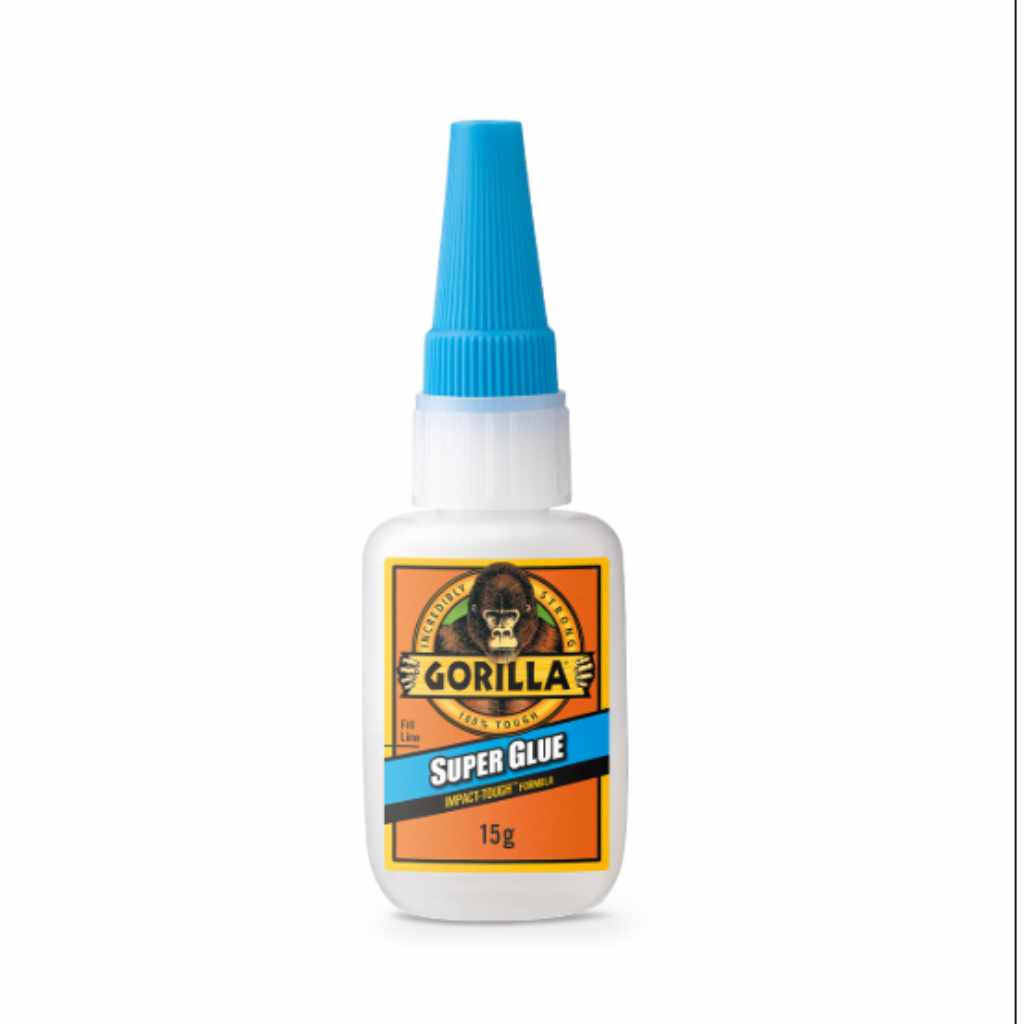
How Long Does Super Glue Take to Cure Dry Time Guide
You’ve just finished that DIY project or maybe even a quick repair, only to find yourself staring at a glued seam, wondering if it’s truly set. The temptation to test its strength is immense, but patience is key with super glue. Understanding its curing process is essential for a lasting bond.
This guide will walk you through exactly how long super glue takes to cure, its dry time, and factors that influence it, so you can get back to enjoying your creations with confidence.
How Long Does Super Glue Take to Cure Dry Time Guide
Super glue, also known as cyanoacrylate, is a powerful adhesive known for its rapid bonding capabilities. When you apply it, you’re often looking for that quick fix, that instant hold that saves the day. But “instant” isn’t the full story when it comes to its strength.
While it might feel dry to the touch in seconds, achieving its full, robust bond takes a bit more time. Knowing this dry time is vital to prevent mishaps and ensure your repairs and projects hold up as intended. This guide focuses on answering the core question: how long does super glue take to cure, and provides a clear dry time guide.
What is Super Glue Curing?
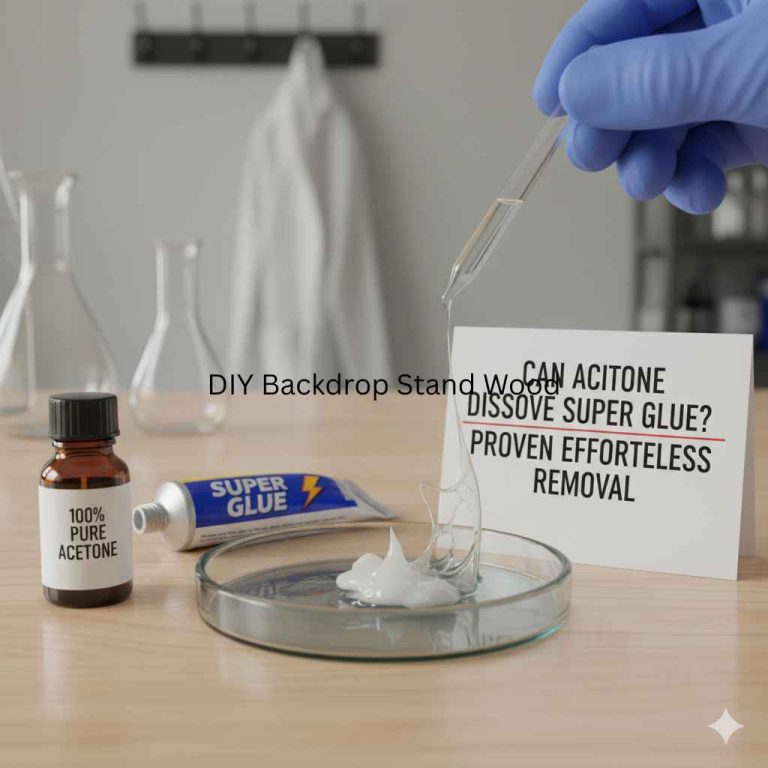
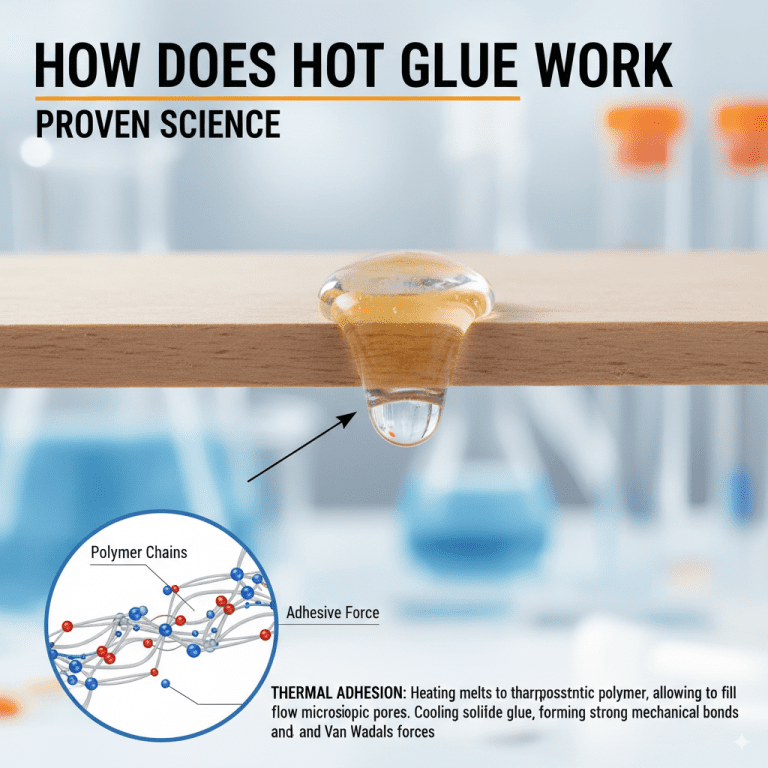
Super glue doesn’t dry in the traditional sense, like water-based glues. Instead, it cures through a chemical reaction called anionic polymerization. This reaction is triggered by the presence of moisture.
Even the trace amounts of humidity in the air and on the surfaces you’re bonding are enough to start the process. When the liquid cyanoacrylate comes into contact with moisture, it rapidly forms long, strong polymer chains, creating the bond. This is why it works so quickly on porous surfaces, which hold more moisture.
Super Glue Dry Times Explained
The dry time for super glue can be broken down into a few stages:
- Handling Time: This is the initial set time, often as short as 10-30 seconds. At this stage, the glue is tacky enough to hold pieces together and you can carefully position them. However, the bond is extremely fragile and will not withstand any significant stress. It’s still very wet underneath the surface.
- Fixture Time: Within a few minutes (typically 30 seconds to 2 minutes), the glue will have hardened enough that the bond can withstand light handling. You can often move the object carefully, but it’s still not at full strength.
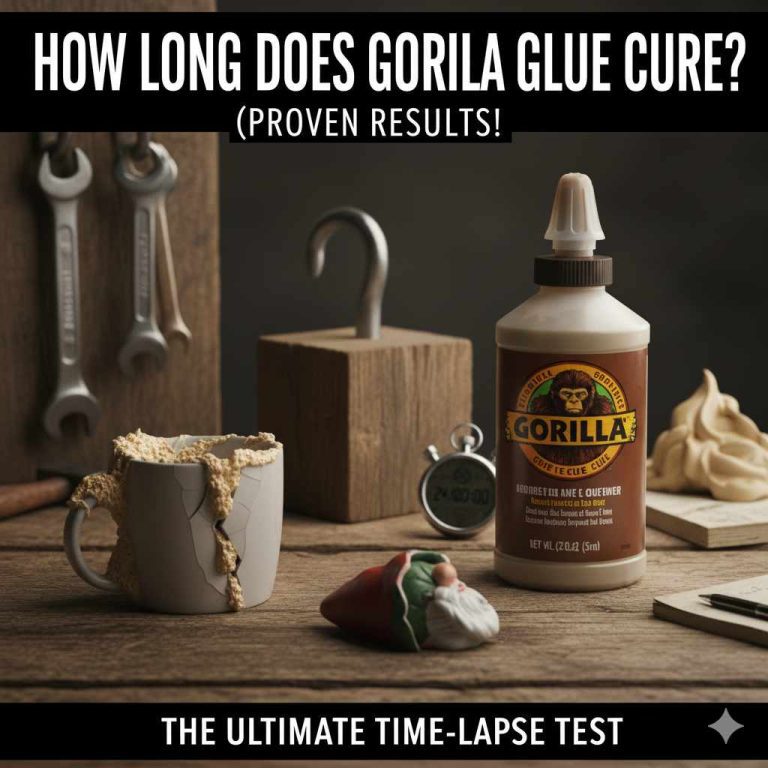
- Full Cure Time: This is when the chemical reaction is complete and the bond has reached its maximum strength. This is the most important stage for durability. Full cure times can vary significantly, but typically range from 24 to 72 hours. After 24 hours, most super glues will have achieved about 80-90% of their ultimate strength.
Factors Affecting Super Glue Cure Time
Several factors can influence how quickly or slowly your super glue cures. Understanding these can help you manage expectations and even speed up or slow down the process if needed.
Surface Porosity
Porous materials like wood, fabric, or paper absorb moisture readily. This means the super glue will cure faster on these surfaces because there’s more available moisture to initiate the polymerization reaction. Non-porous surfaces like plastic, metal, or glass rely more on atmospheric humidity, which can lead to a slightly longer cure time.
Humidity Levels
As mentioned, moisture is the catalyst for super glue. In humid environments, the glue will cure faster. Conversely, in very dry conditions, the curing process might be slower.
If you’re in a particularly dry climate and need a faster cure, you can try breathing on the glued area to introduce more moisture. Be careful not to overdo it, as too much moisture can sometimes weaken the bond.
Temperature
Temperature plays a role in chemical reactions. Higher temperatures generally speed up the curing process, while colder temperatures slow it down. However, extreme heat can degrade the adhesive or even damage the materials you’re bonding.
Aim for room temperature for optimal results.
Type of Super Glue
Not all super glues are created equal. Different formulations exist, designed for specific applications and materials. Some are designed for ultra-fast bonding, while others offer more flexibility or impact resistance, which might affect their cure times.
For example, flexible super glues might take slightly longer to reach full strength.
Amount of Glue Applied
Applying too much super glue can actually hinder the curing process. A thin, even layer allows moisture to penetrate and initiate the reaction throughout the bond line. A thick blob of glue might cure on the outside while remaining liquid in the center for a much longer time.
It’s always best to use only the amount needed for a thin, uniform coating.
Surface Preparation
Properly preparing your surfaces is key for any adhesive. Ensure they are clean, dry, and free of dust, oil, or grease. Contaminants can interfere with the chemical reaction, leading to a weaker bond and potentially a longer cure time.
Some surfaces might benefit from a light sanding to create a better mechanical grip.
Super Glue vs. Other Adhesives
It’s helpful to compare super glue’s cure time to other common adhesives to appreciate its speed. Epoxy, for instance, often requires mixing two components and can take several hours to set and up to 24-72 hours for a full cure. Wood glue typically takes 30 minutes to an hour to set firmly and 12-24 hours for a full cure, often requiring clamping.
Even some strong craft glues can take several hours to dry. Super glue’s ability to achieve a handling strength in seconds makes it incredibly convenient for many quick repairs and projects.
How to Speed Up Super Glue Curing
If you’re in a hurry and need that bond to set faster, here are a few tips:
- Use an Accelerator: Many manufacturers offer super glue accelerators. These are typically sprays or liquids that contain solvents that promote rapid polymerization. Applying an accelerator after applying the glue can reduce fixture times to mere seconds and full cure times significantly.
- Increase Humidity: As discussed, higher humidity speeds up curing. You can achieve this by lightly misting the glued area with water (be cautious not to saturate) or by working in a more humid environment if possible.
- Apply Pressure: Holding the pieces firmly together after application can help ensure close contact and may slightly aid the initial set.
What Happens if You Don’t Let Super Glue Fully Cure?
Ignoring the full cure time can lead to several issues:
- Weak Bond: The most common problem is a bond that isn’t as strong as it could be. If you put stress on the joint before it’s fully cured, you might pull it apart or weaken it significantly.
- Failure Under Stress: Even if the bond seems secure initially, it might fail later when subjected to vibration, impact, or weight.
- Cracking or Brittleness: In some cases, an incompletely cured bond can be more brittle and prone to cracking over time.
Common Super Glue Applications and Expected Cure Times
Let’s look at some typical scenarios:
| Application | Surface Type | Estimated Handling Time | Estimated Full Cure Time |
|---|---|---|---|
| Ceramic repair | Non-porous | 15-30 seconds | 24 hours |
| Plastic model assembly | Plastic | 10-20 seconds | 12-24 hours |
| Wood joint reinforcement | Porous | 20-40 seconds | 12-24 hours |
| Rubber seal repair | Rubber | 10-30 seconds | 24 hours |
| Metal to metal bonding | Non-porous | 30-60 seconds | 24-72 hours |
These are general estimates. Always refer to the specific product’s instructions for the most accurate cure times.
Troubleshooting Common Super Glue Issues
Sometimes things don’t go as planned. Here are a few common problems and solutions:
- Glue Not Setting Quickly: Ensure there’s enough moisture. If it’s very dry, try breathing on the bond or using a humidity spray (accelerator). Make sure you’re not using an expired product, as old super glue can lose its effectiveness.
- Frosty White Residue (Blooming): This happens when cyanoacrylate vapors cure on the surface around the bond. It’s mostly a cosmetic issue and doesn’t usually affect bond strength. Applying less glue or using an accelerator can help prevent this.
- Bond Fails: This often means the surfaces weren’t properly cleaned, or the bond was stressed before it was fully cured. Re-clean the surfaces and re-apply the glue, ensuring you wait for the full cure time.
Frequently Asked Questions
Question: How long does super glue take to be fully dry
Answer: Super glue takes 24 to 72 hours to reach its full cure strength. While it might feel dry to the touch in seconds, the chemical reaction needs this time to complete.
Question: Can I speed up super glue drying
Answer: Yes, you can speed up super glue drying by using a super glue accelerator spray or by increasing the humidity around the glued area.
Question: What happens if I touch super glue before it cures
Answer: If you touch super glue before it’s fully cured, you can smudge or break the bond, leading to a weaker connection. It’s best to wait for the recommended cure time for maximum strength.
Question: Why does super glue turn white
Answer: Super glue turns white due to a process called blooming. This occurs when the cyanoacrylate vapors from the glue cure on the surface surrounding the bond, leaving a white residue.
Question: Is it safe to use super glue on skin
Answer: While super glue is formulated to bond quickly, it can bond skin. It’s not ideal for regular use on skin. If skin does get bonded, it can usually be gently peeled apart with warm, soapy water, or natural oils like vegetable or olive oil.
Avoid forcing it apart.
Final Thoughts
When you reach for that tube of super glue, remember that its rapid initial set is just the beginning of its bonding story. While it offers incredibly fast handling times, allowing for quick positioning and holding of parts, the real strength lies in its full cure. This process, driven by moisture and a chemical reaction, typically takes a full 24 to 72 hours to achieve maximum durability.
Factors like surface porosity, ambient humidity, and temperature all play a role in how quickly this happens. For critical repairs or projects that will face stress, always allow the recommended full cure time. Don’t be tempted to test the bond too early; patience here will ensure a lasting, reliable hold.
By respecting the cure time and understanding the science behind it, you’ll achieve better results and greater confidence in your glued joints.