Gorilla Glue Review: Is It Good for Wood? (Pros, Cons & Verdict)
Gorilla Glue earns its reputation from raw bonding power, not from being the single best glue for every material. The original formula is a polyurethane adhesive that expands as it cures and grips almost anything – wood, stone, metal, foam, most plastics. For pure wood-to-wood joints, though, a PVA wood glue like Titebond or Gorilla’s own Wood Glue line usually beats it on cured strength and is far easier to clean up. Below is the honest breakdown: what Gorilla Glue does well, where it falls short, and which product in the lineup actually fits a woodworking project.
Is Gorilla Glue Good for Wood? The Short Answer
Yes, but with a caveat. Original Gorilla Glue (the tan, foaming polyurethane formula) will bond wood securely and holds up to moisture, so it’s a solid choice for outdoor repairs, bonding wood to non-wood materials, or filling a gap in a rough joint. What it is not is the strongest option for a clean wood-to-wood glue-up. Independent shear-strength testing consistently shows PVA formulas – Titebond and Gorilla’s own cross-linking Wood Glue – matching or slightly beating polyurethane Gorilla Glue on raw bond strength, while producing far less squeeze-out and no foam to trim off afterward. If the project is two boards edge-to-edge or a mortise-and-tenon joint, reach for a wood-specific PVA glue first.
Best Gorilla Product for Wood-to-Wood Joints
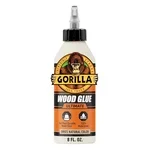 |
Gorilla Ultimate Waterproof Wood Glue, 8 oz – $5.97 This is the PVA formula from Gorilla built specifically for wood, not the foaming polyurethane original – the better pick for actual wood-to-wood glue-ups.
|
What Gorilla Glue Actually Is
Original Gorilla Glue is a one-part polyurethane adhesive that cures through a reaction with moisture rather than by simply drying out. That’s why the instructions say to dampen one surface before applying it: the water triggers a chemical reaction that turns the glue into a rigid foam as it cures. The foaming action is the whole personality of the product – it pushes into pores and small gaps and mechanically locks into the material, which is why it bonds so many different surfaces (wood, stone, metal, most rigid foams, some plastics) instead of just one.
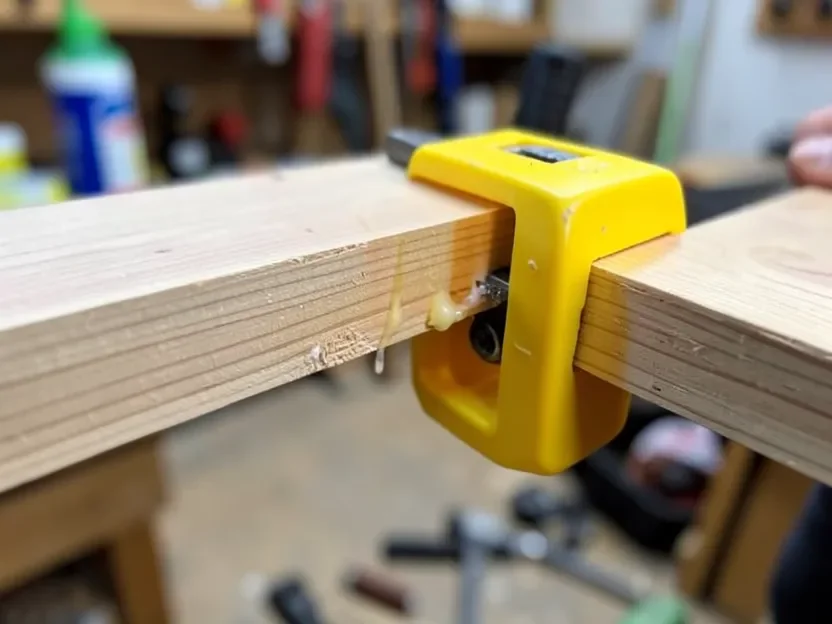
That same foaming action is also its biggest practical downside on wood. As it cures, it expands 3-4x in volume, which pushes hardened foam out of the joint line and can actually force two boards apart slightly if they aren’t clamped firmly. Clean-up before it fully cures means scraping semi-hard foam off the surface, and once it’s cured, sanding it flush takes real effort because the cured foam is harder than the surrounding wood in some spots and softer in others.
Gorilla Glue Pros and Cons for Woodworking
What It Does Well
- Bonds mixed materials. Wood-to-metal, wood-to-stone, wood-to-foam – original Gorilla Glue handles combinations that a wood-only PVA glue won’t bond reliably.
- Genuinely waterproof once cured. Unlike standard PVA glue (Titebond I or basic yellow wood glue), the cured bond holds up to full water submersion, not just water resistance.
- Fills gaps. A loose or slightly uneven joint that would starve a thin PVA glue line still gets mechanical grip from the foam expansion.
- Long shelf life once sealed. An unopened bottle stored properly can last well over a year; PVA wood glues tend to degrade faster once opened.
Where It Falls Short
- Not the strongest choice for wood-to-wood. Shear-strength testing puts PVA wood glues at or above polyurethane Gorilla Glue on pure wood joints, with a cleaner glue line.
- Messy cure. The foaming expansion means squeeze-out has to be managed with painter’s tape or trimmed after curing – it doesn’t wipe away clean like PVA glue does with a damp rag.
- Needs real clamping pressure. Without firm clamps, the expansion can force the joint apart instead of pulling it together.
- Stains skin on contact and is difficult to remove from hands or clothing once it starts curing – gloves are worth using.
- Once opened, a partial bottle degrades faster than the shelf life suggests, since moisture in the air starts reacting with the glue every time the cap comes off.
Gorilla Glue vs. Wood Glue: Which One for This Project?
The most common mistake is assuming the strongest-sounding glue is automatically the right glue. For straightforward wood-to-wood work – furniture joints, edge-gluing panels, cabinet repairs – a PVA wood glue like Titebond II/III or Gorilla’s own PVA Wood Glue line is the better tool: it penetrates wood fibers directly, sets up cleaner, sands easily, and in most independent tests matches or edges out polyurethane Gorilla Glue on cured strength. Reach for original (polyurethane) Gorilla Glue instead when the joint involves a non-wood material, needs genuine full-submersion waterproofing, or has gaps a thin PVA glue line can’t fill.
For readers who specifically want the bond-strength numbers side by side, we cover PSI figures and clamp-time comparisons in more depth in our guide on how strong Gorilla Glue actually is.
The Gorilla Glue Product Lineup
“Gorilla Glue” is a brand umbrella, not one formula. Picking the wrong one in the lineup is the most common reason people end up disappointed with the results.
- Original Gorilla Glue: Polyurethane, foams and expands, needs moisture to activate, waterproof once cured. Best for mixed-material bonds and outdoor repairs.
- Gorilla Wood Glue: A cross-linking PVA formula, no foaming, dries a natural wood tone. Purpose-built for wood-to-wood joints.
- Gorilla Super Glue: Cyanoacrylate (CA glue), sets in seconds. Good for small repairs, not for structural wood joints that need clamp time.
- Gorilla Construction Adhesive: Thicker, gap-filling, built for subfloors and panels rather than fine joinery.
- Gorilla Clear Glue: A clear-curing version of the original polyurethane formula, useful when the glue line will be visible on light-colored material.
Getting a Good Bond: Application Tips
- Dampen one surface lightly with a damp (not wet) rag before applying – this activates the cure without diluting the bond.
- Use less than feels right. A thin, even layer is enough; the expansion does the rest. Over-applying just means more foam squeeze-out to clean up.
- Clamp within a few minutes and hold firm pressure for at least an hour – the expansion needs resistance to bond tightly instead of pushing the pieces apart.
- Wipe squeeze-out immediately with mineral spirits while it’s still soft; once it skins over, it has to be scraped or sanded off.
- Give it the full cure window – typically 24 hours – before putting real stress on the joint, even though it feels solid much sooner.
When Not to Use Gorilla Glue
Skip the original polyurethane formula for fine furniture joinery where a crisp, glue-line-free finish matters – the foam residue is genuinely hard to fully remove from tight corners like dovetails. It’s also not the right tool for a quick 30-second repair; unlike cyanoacrylate super glue, it needs real clamp time to perform. And skip it on any surface you plan to stain afterward without sanding first – cured polyurethane foam takes stain unevenly compared to bare wood.
Is Gorilla Glue Worth the Price?
Original Gorilla Glue typically runs a bit more per ounce than a basic bottle of yellow wood glue, and once opened it doesn’t keep as well – a half-used bottle can start reacting with air moisture inside the cap and thicken up within a few months. For occasional mixed-material repairs (a cracked planter, a loose stone step, an outdoor bench joint that sees rain), that cost is easy to justify since nothing else in a typical shop bonds that combination of materials as reliably. For a woodworker doing mostly wood-to-wood joinery, though, a bottle of PVA wood glue lasts longer once opened, costs less per project, and delivers comparable or better strength – so buying Gorilla Glue by default for every glue-up isn’t the most cost-effective habit.
Frequently Asked Questions
Is Gorilla Glue good for wood-to-wood joints?
It works, but a PVA wood glue like Titebond or Gorilla’s own Wood Glue line generally bonds wood-to-wood slightly stronger and with far less mess. Original Gorilla Glue is a better fit when the joint involves a non-wood material or needs full waterproofing.
How do I remove uncured Gorilla Glue?
Wipe it away with a rag dampened with mineral spirits or acetone while it’s still wet or tacky. Once it starts foaming and skinning over, it has to be scraped off mechanically instead.
How do I remove cured Gorilla Glue?
Cured foam has to be scraped, sanded, or carefully chiseled off – solvents won’t dissolve it once it’s fully hardened. On finished wood, work carefully to avoid gouging the surface underneath.
Will Gorilla Glue hold metal to wood?
Yes – this is one of the scenarios where original Gorilla Glue is the better choice over a wood-only PVA glue, since it bonds non-porous materials like metal as well as porous ones like wood.
How much does Gorilla Glue expand?
Roughly 3-4 times its applied volume as it cures. That’s why a thin, even layer works better than a heavy application – too much glue just means more hardened foam squeeze-out to clean up afterward.
Is Gorilla Glue safe to use indoors?
Yes, with normal ventilation. The cure reaction gives off very little odor compared to some solvent-based adhesives, but gloves are still worth wearing since it stains skin and is hard to wash off once it starts curing.
Sponsored / affiliate links. As an Amazon Associate I earn from qualifying purchases. I may earn additional commission from eligible campaigns.