How Long to Wait before Applying Polyurethane: Expert Tips
Have you ever found yourself staring at a freshly painted surface, wondering when it’s safe to apply that shiny coat of polyurethane? You’re not alone.
Many DIY enthusiasts and seasoned professionals face this dilemma. Timing is crucial, and getting it right can make all the difference in achieving a flawless finish. This article will guide you through the waiting game, helping you understand the perfect moment to seal your work with polyurethane.
With insights that promise to save you time and frustration, you’ll be equipped to make the best decision for your project. Stick around, and uncover the secrets to a stunning, durable finish. Your masterpiece deserves nothing less.
Drying Time Factors
The type of wood affects drying. Softwoods like pine dry faster than hardwoods. Hardwoods have tight grains. They hold paint longer. Open grains like oak need more time. Paint sinks deeper in open grains.
Humidity slows down drying. Air holds water. Dry air speeds it up. Temperature also matters. Warm air dries paint faster. Cold air slows it down. Wind helps too. It moves air over the paint. This helps it dry.
Water-based polyurethane dries quickly. It takes only a few hours. Oil-based types need more time. They can take days. Each type has its own drying speed. Always check the label for drying times.
Credit: www.amenify.com
Signs Of Readiness
The touch testhelps know if paint is dry. Gently touch the painted surface. If it feels smoothand not sticky, it might be ready. Sticky paint means it needs more time. Waiting is important for best results. Always be patient with drying paint.
Visual clues show if the paint is dry. Look for a uniform color. No shiny spots mean it’s dry. Uneven spots need more drying time. Dry paint should look consistentall over. Always check under different lights. Sometimes, light can change what you see.
Common Mistakes
Rushing the process often leads to peeling or uneven finishes. Allow paint to dry fully, typically 24 hours, before applying polyurethane. Patience ensures a smooth, durable coat.
Rushing The Process
Many people rush the drying time of paint. They want quick results. This leads to problems. Paint needs time to dry properly. Applying polyurethanetoo soon can ruin the finish. It might cause bubbles or smudges. Waiting is hard, but it is important. Patience is key for a smooth surface.
Ignoring Manufacturer Instructions
Instructions are there for a reason. They tell you how long to wait. Each product is different. Some need more time to dry. Some need less. Ignoringthese instructions can lead to a bad finish. Always read the label carefully. Follow the steps as they are written. This ensures a successful project.

Credit: www.youtube.com
Expert Recommendations
Paint needs time to dry before adding polyurethane. Experts say to wait at least 24 hours. This helps the paint to dry well. If the paint is thick, wait longer. Sometimes it needs 48 hours. Drying time depends on paint type and coat thickness.
Drying conditions matter too. If the air is humid, paint dries slowly. Cold weather also slows drying. Warm and dry air helps paint dry faster. Always check paint dryness with a gentle touch. If it feels sticky, it’s not ready. Patience ensures a smooth finish.
Additional Preparations
Waiting at least 24 hours is essential before applying polyurethane over paint. This ensures the paint is fully dry and prevents potential bubbles or peeling. Proper ventilation speeds up drying.
Surface Cleaning
Clean the surface well before applying polyurethane. Use a soft cloth. Remove all dust and dirt. Dirt can ruin the finish. Clean corners and edges too. Make sure the surface is dry. Wet surfaces can cause problems. Dry surfaces help polyurethanestick better.
Sanding Between Coats
Sanding makes the surface smooth. Use fine sandpaper. Sand lightly between each coat. This helps the next coat stick better. Remove all dust after sanding. Dust can cause bumps in the finish. Smooth surfaces look nicer. Sanding helps achieve a smoothand clean finish.
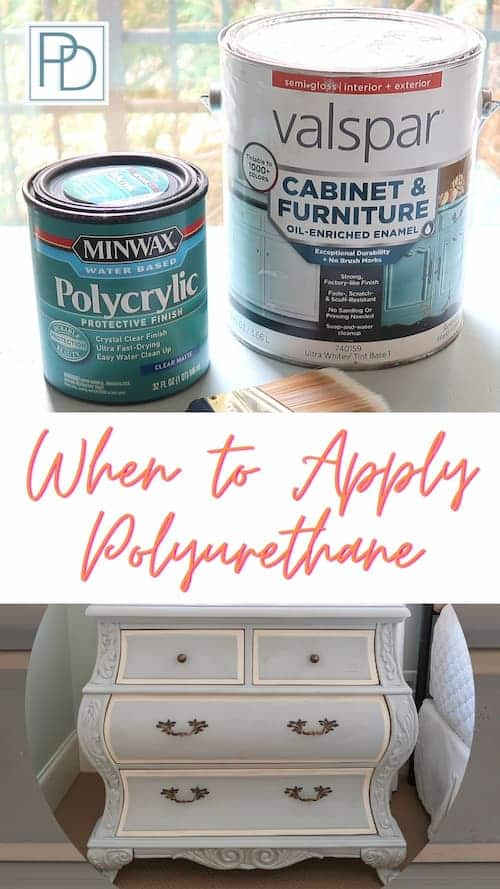
Credit: porchdaydreamer.com
Frequently Asked Questions
How Long Should Paint Dry Before Polyurethane?
Typically, allow paint to dry for 24 to 48 hours before applying polyurethane. This ensures a smooth, durable finish. Drying time can vary based on paint type and environmental conditions. Always check the paint manufacturer’s recommendations for best results.
Can You Apply Polyurethane Over Fresh Paint?
Applying polyurethane over fresh paint is not recommended. Paint should be fully cured before application. This prevents potential bubbling or peeling. Allow paint to dry for at least 24 to 48 hours. This ensures a smooth and durable finish.
What Happens If Polyurethane Is Applied Too Soon?
Applying polyurethane too soon can cause bubbling or peeling. It can also lead to an uneven finish. Ensure paint is fully dry before applying. Typically, wait 24 to 48 hours after painting. This ensures a smooth and long-lasting finish.
Does Paint Type Affect Polyurethane Application Time?
Yes, paint type affects drying time before polyurethane application. Oil-based paints generally take longer to dry than water-based. Always check the paint manufacturer’s instructions for specific drying times. Proper drying ensures the best finish and durability.
Conclusion
Waiting the right time is crucial for polyurethane application. Paint needs to dry fully. Typically, this takes about 24 hours. Check the paint label for specific guidance. A dry surface ensures smooth polyurethane application. This prevents bubbles and imperfections. Always test a small area first.
This helps avoid unwanted results. Remember, patience leads to a durable finish. Your project deserves the best outcome. Follow these steps for success. Enjoy a beautiful, lasting finish on your painted surfaces. Keep these tips in mind for your future projects.
Happy painting!