Behr Fast-Drying Water-Based Polyurethane: Dry Time & Streak Fix
Behr Fast-Drying Water-Based Polyurethane dries to the touch in 1 hour and can be recoated in 1 hour — but full cure takes 3 days, not the 24 hours many guides quote. Recoating too soon is fine, but using the surface hard before 12–24 hours risks marring a finish that hasn’t fully hardened. This guide covers real coverage rates, sheen options, and the fix for the streaking problem Home Depot reviewers report most.
What Is Behr Fast-Drying Water-Based Polyurethane?
Best Streak-Free Application Pick
Minwax Polyurethane Trim Brush, 2″
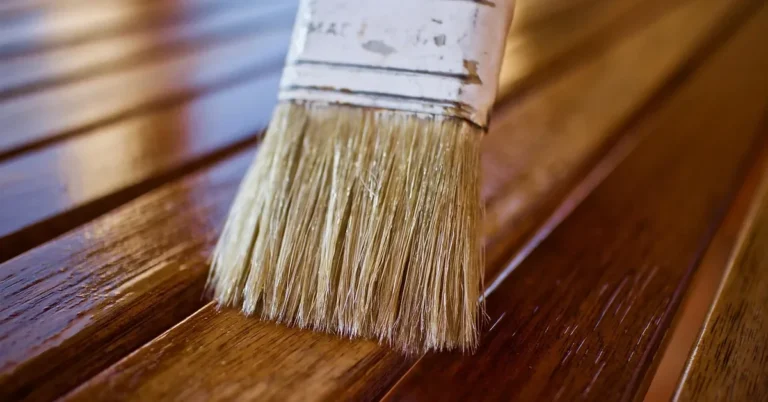
Behr isn’t sold on Amazon, but the right brush is what actually prevents the streaking most reviewers report with this fast-drying formula.
- Best for: Brushing polyurethane onto trim, doors, and furniture without leaving lap marks
- Why we picked it: China-bristle blend holds more finish per stroke, so you spend less time reworking a coat that’s already skinning over
- Main drawback: Only useful on small-to-medium surfaces; a floor still needs a pad or lambswool applicator
Compare more application supplies
 Option 1 MaKRS Stain Sponge Applicators, 4-Pack
|
 Option 2 S&F Tack Cloth, 6-Pack
|
 Option 3 Romeda Sanding Sponge, 8-Pack (60/80/120/220 grit)
|
As an Amazon Associate we earn from qualifying purchases.
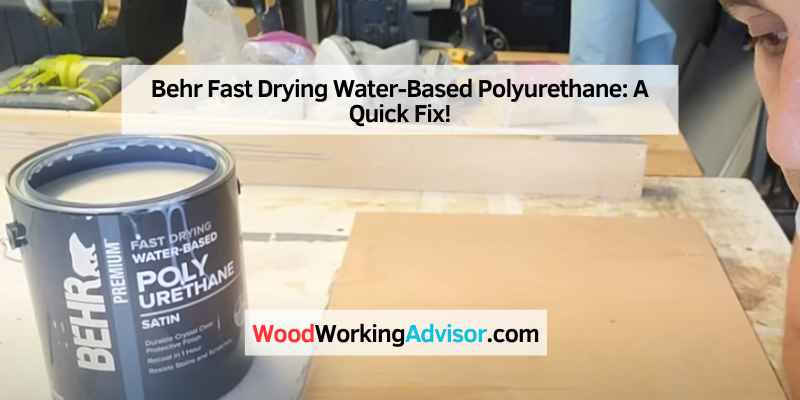
Behr Fast-Drying Water-Based Polyurethane is a clear, water-based topcoat in Behr’s Premium line (the B8100 series) that protects interior wood — furniture, trim, cabinets, doors, and hardwood floors. It’s marketed to pair with Behr’s own Water-Based Wood Stain, but it also goes over bare wood or a fully cured stain from any other brand. It comes in four sheens: Matte, Satin, Semi-Gloss, and Gloss, with a spread rate of about 125 sq. ft. per quart per coat.
Real Dry Time, Recoat Time & Full Cure
Several older buying guides — including an earlier version of this page — list a 24-hour full cure. That number actually describes the light-use window, not full cure. According to Behr’s own product data, full cure is 3 days after the final coat:
| Stage | Time |
|---|---|
| Dry to touch | 1 hour |
| Recoat / light sanding | 1 hour |
| Light use (walking, light contact) | 12–24 hours after final coat |
| Full cure (rugs, furniture, heavy use) | 3 days after final coat |
📊 Behr’s own listing describes this finish as “self-leveling,” but verified Home Depot buyers report the opposite on large flat sections — streaking and a blotchy finish caused by the fast dry time, not a defect. — Source: Behr product listing and Home Depot customer reviews, 2026
Coverage: How Much Do You Need?
One quart covers about 125 sq. ft. per coat, per Behr’s spec sheet. Behr recommends 2 coats minimum, 3 for high-wear surfaces like floors — see our breakdown of how many coats of polyurethane hardwood floors actually need. A 100 sq. ft. floor at 2 coats needs roughly 1.6 quarts (100 ÷ 125 × 2) — round up to 2 full quarts to allow for extra absorption on open-grain woods like oak.
Which Sheen Should You Pick?
All four sheens use the same fast-drying formula — the difference is only in appearance and how much they hide:
- Matte — hides brush marks, scratches, and application streaks best; the safest pick for a first-time user of this fast-drying formula.
- Satin — the most common choice for furniture and trim; low shine without looking flat.
- Semi-Gloss — more durable-looking shine for tabletops and cabinet doors that see daily handling.
- Gloss — shows the most surface imperfection, including streaking, so it’s the least forgiving sheen for beginners on this particular product.
How to Apply It Without Streaks or Blotches
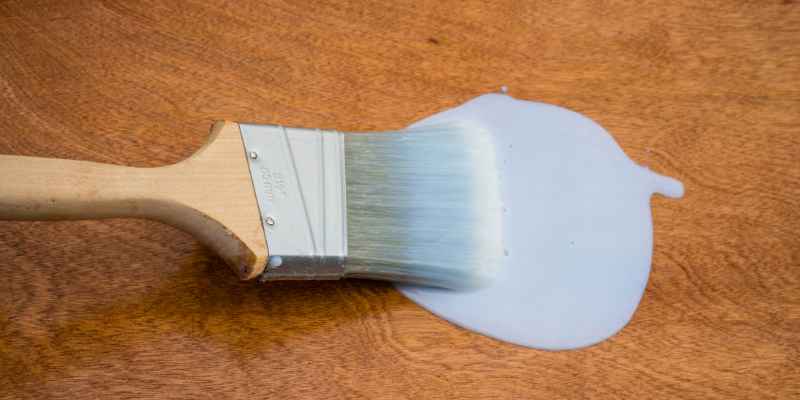
Behr’s listing calls this finish self-leveling, but that claim shows up as the top complaint in Home Depot’s own reviews: the product dries fast enough to start skinning over before it can level out across a large flat section, leaving brush marks or a blotchy look. The fix isn’t a different product — it’s working with the fast dry time instead of against it:
- Sand and de-dust the surface: Scuff-sand with a 220-grit sponge, then wipe the surface with a wax-free tack cloth so no dust gets sealed under the topcoat.
- Stir, don’t shake, the can: Shaking introduces air bubbles that show up in the dried finish; stir slowly instead.
- Work in small sections: Coat only 2–3 sq. ft. at a time with the grain — the fast dry time doesn’t leave room to go back and blend a larger area.
- Make one pass per section: Overworking a section after it starts to skin (within minutes) is what causes streaks and blotches, not the product itself.
- Recoat or scuff-sand within 1 hour: Lightly scuff large flat areas with a fine-grit sponge between coats for better adhesion.
- Hold off on heavy use for 3 full days: Light use is fine after 12–24 hours, but wait the full 3-day cure before rugs, furniture, or foot traffic on a floor.
Water-Based vs. Oil-Based: Is This the Right Type?
Water-based polyurethane like this one dries faster, stays clear instead of yellowing, and cleans up with soap and water — but usually needs more coats than oil-based poly to build the same protection. For the full breakdown of dry time, yellowing, durability, and cost between the two types, see our guide on water-based vs. oil-based polyurethane. For general finishing background, start with the wood finishing guide.
Frequently Asked Questions
How long does Behr Fast-Drying Water-Based Polyurethane take to dry?
It dries to the touch in 1 hour and can be recoated or lightly sanded in 1 hour. Wait 12–24 hours after the final coat before light use, and a full 3 days before heavy use, rugs, or furniture — not the 24 hours some guides list.
How many coats of Behr polyurethane do I need?
Behr’s spec sheet calls for 2 coats minimum, 3 for high-wear surfaces like floors. One quart covers about 125 sq. ft. per coat, so a 100 sq. ft. floor at 2 coats needs roughly 1.6 quarts — round up to account for absorption on open-grain wood like oak.
Why does Behr Fast-Drying Polyurethane streak or look blotchy?
The formula dries fast enough that it can skin over before it has time to self-level, especially over large flat sections. Working in small 2–3 sq. ft. sections, using a foam pad or china-bristle brush, and making one pass per section instead of going back over it fixes most streaking.
Can I use it over a stain that isn’t Behr?
Yes, once the other stain is fully dry and cured per its own label. The polyurethane itself doesn’t require Behr stain underneath — it works over any properly prepared bare or pre-stained wood. Test in a hidden spot first if you’re unsure how the two products will interact.
Is Behr Fast-Drying Water-Based Polyurethane good for hardwood floors?
Yes, the label lists residential hardwood floors as an approved use, but plan on 3 coats rather than 2 for floor-level durability, and hold off on rugs or furniture for the full 3-day cure, not just the 12–24 hour light-use window.
Does Behr water-based polyurethane yellow over time?
No. Like other water-based polyurethanes, it stays clear rather than ambering with age, which is the main reason people choose it over oil-based polyurethane for light-colored wood and white-washed or pickled finishes.
Conclusion
Behr Fast-Drying Water-Based Polyurethane earns its name — 1-hour dry and recoat times are real — but plan around a 3-day full cure, not 24 hours, and work in small sections with the right applicator to avoid the streaking its own “self-leveling” claim doesn’t quite deliver on large surfaces.
Sponsored / affiliate links. As an Amazon Associate I earn from qualifying purchases. I may earn additional commission from eligible campaigns.