How to Seal Wood to Hold Water: Food-Safe vs. Waterproof
Marine varnish and penetrating epoxy seal wood for general water resistance, but neither is safe for a bowl or cup you’ll drink from — only FDA-compliant, fully cured products qualify as food-safe. Using the wrong sealant on drinkware or a planter can leach solvents into water or soil. This guide covers waterproof sealants for outdoor wood, food-safe options like pure tung oil, and how to match the sealant to what the wood will actually hold — see our full wood sealer hub for more sealing projects.
Quick Answer
For outdoor furniture, decks, or planters that don’t touch food, marine varnish or penetrating epoxy give the strongest water barrier. For anything that holds drinking water, food, or goes in your mouth — a wooden cup, bowl, or utensil — use only pure tung oil, polymerized linseed oil, or an epoxy explicitly labeled food-contact safe once fully cured.
Which Woods Hold Water Best
Best Food-Safe Wood Sealer Pick
HOPE’S 100% Pure Tung Oil, Food Safe – $17.99
Penetrates into the wood fibers instead of sitting on top like the polyurethane and epoxy finishes covered above — the same non-toxic-when-cured property that makes it safe for the drinkware and planter uses in this guide.
- Best for: wooden bowls, cups, utensils, and cutting boards
- Why we picked it: non-toxic once cured, no film to chip into food
- Main drawback: needs several coats and full cure time before food contact
Compare more wood sealer options
 Option 1 Shabebe Garden Box Sealer – $19.99
|
 Option 2 Tried & True Original Wood Finish – $24.99
|
 Option 3 Thompson’s WaterSeal Clear – $19.94
|
As an Amazon Associate we earn from qualifying purchases.
Some species resist water on their own, before any sealant is applied. Denser, oil-rich woods swell less and rot slower when they stay wet.
| Wood Type | Natural Water Resistance | Good For |
|---|---|---|
| Teak | High | Bowls, outdoor furniture, boat trim |
| Redwood | Moderate | Planters, deck boxes |
| Cedar | Moderate | Planters, raised garden beds |
| Pine | Low — needs sealing | Indoor decor only, or seal heavily before outdoor use |
Choosing a naturally water-resistant species first means the sealant only has to reinforce the wood, not compensate for it. Pine and other softwoods absorb water fast and need multiple coats of any sealant to hold up.
Preparing Wood Before You Seal It
- Clean: wash the surface with mild detergent and water, then wipe with a soft cloth to remove dirt and dust.
- Dry completely: let the wood air-dry for at least 24–48 hours. Sealing over damp wood traps moisture underneath and causes the finish to fail early.
- Sand: use 120–220 grit sandpaper in the direction of the grain. This opens the wood fibers so the sealant penetrates instead of sitting on top.
Choosing the Right Sealant
Polyurethane forms a strong, flexible, waterproof film and works for both indoor and outdoor projects, but standard polyurethane is not rated for food contact. Epoxy resin bonds tightly to wood and resists water and chemicals better than almost any other finish — it’s the same approach woodturners use to seal a wooden vase for fresh flowers, since epoxy bonds to end grain in a way brushed-on sealants don’t. Only specific FDA-compliant epoxy brands are safe once fully cured for incidental food contact. Not sure which type fits your project? See our breakdown of what is the best wood sealer for a wider comparison, or check how to seal wood countertops if the piece will also handle food prep.
| Sealant Type | Key Features | Food-Safe? |
|---|---|---|
| Polyurethane | Strong, flexible, waterproof film | No — not for food contact |
| Standard Epoxy Resin | Excellent bond, chemical resistant | No, unless labeled FDA food-contact safe |
| Marine Spar Varnish | UV and moisture resistant, flexible | No — solvent-based |
| Pure Tung Oil | Penetrates deep, non-toxic when cured | Yes, once fully cured |
| Polymerized Linseed Oil | Warm finish, moisture resistant | Yes, food-grade versions |
📊 Fully cured FDA-compliant resin is safe only for incidental food contact — coasters, countertops, or trays holding dry food — not for cutting boards, direct food storage, or a mug you drink hot liquid from daily. Source: FDA, Food Contact Substances guidance
Is Your Sealant Food-Safe? Planters vs. Bowls vs. Drinking Water
“Seal wood to hold water” covers three very different jobs, and they don’t share a sealant. A planter holds soil and drainage water that plant roots touch, not something a person eats. A decorative bowl or vase might hold water but nothing you’ll drink. A cup, dipper, or anything that touches drinking water or food needs a sealant that’s safe to ingest trace amounts of, even after months of use.
| Use Case | Recommended Sealant | Why |
|---|---|---|
| Drinking vessel or food-contact item | Pure tung oil, polymerized linseed oil, or FDA-listed food-contact epoxy | Non-toxic once fully cured; no solvents leach into liquid |
| Decorative bowl or vase (no food/drink) | Standard epoxy resin or polyurethane | Maximum water barrier; food-safety rating isn’t required |
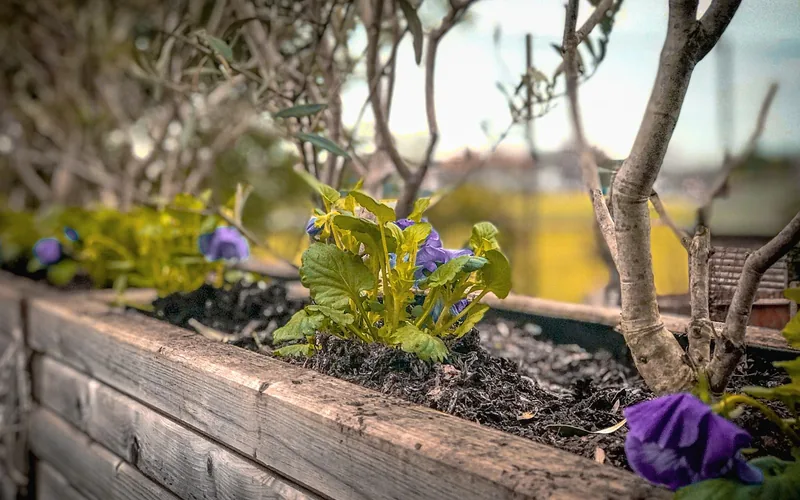
| Planter or raised garden bed | Plant-safe waterproofing sealer or marine varnish | Protects wood from soil moisture without introducing toxins plants can take up |
If you’re building a larger water-holding structure from scratch rather than sealing an existing piece – a DIY wooden water tank, for example – the sealant choice above still applies, but get the structural method right first: see our guide to building one with barrel-style staved construction, since the right sealant can’t compensate for a tank built the wrong way.
“Fully cured FDA-compliant resin is safe for incidental food contact like coasters and countertops — but eating directly off epoxy resin isn’t recommended, since it has no antimicrobial properties and any uncured or chipped resin can enter food.”
Can You Use Regular Epoxy on a Wood Bowl for Food?
No, not unless the label specifically says FDA-compliant or food-contact safe. Standard hardware-store epoxy is formulated for strength and clarity, not ingestion safety, and manufacturers don’t test it for leaching. Even a food-safe epoxy needs its full cure time — often 21–30 days — before it’s considered safe for contact with food or drink.
How to Apply Sealant the Right Way
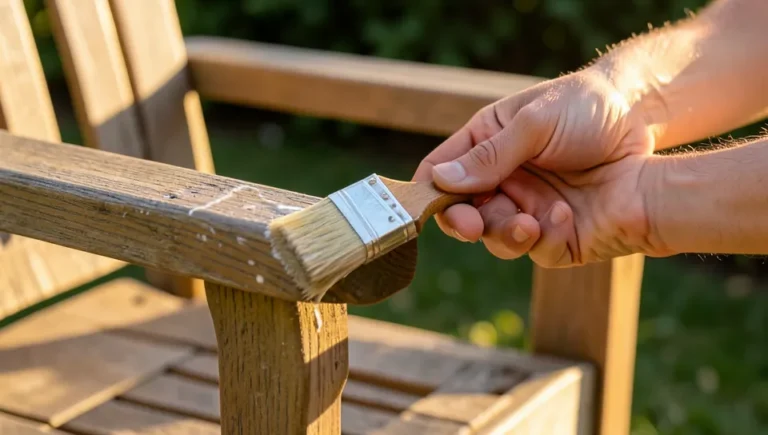
Brush application gives precise control and works best for small pieces, bowls, or detailed edges. Spraying covers large surfaces like deck boards or planter exteriors faster but is harder to control on vertical or intricate work.
- Test first: apply the sealant to a hidden or scrap section to confirm color and absorption before doing the full piece.
- Apply thin coats: thick coats trap solvent underneath and cure unevenly, leaving soft or tacky spots.
- Keep a wet edge: overlap each brush or spray pass slightly to avoid visible lap lines.
- Work in the right conditions: avoid windy, rainy, or very humid days — both application and cure time depend on stable temperature and low humidity.
- Recoat on schedule: most sealants need a second coat within the manufacturer’s recoat window, usually 2–24 hours, or the layers won’t bond properly.
Sealing Wood With Epoxy for Maximum Water Resistance
Mix epoxy resin and hardener exactly to the manufacturer’s ratio — too much or too little hardener leaves the epoxy soft or tacky permanently. Stir for at least two minutes to eliminate streaks, then apply with a brush or roller, working from one edge across the surface to avoid trapping air bubbles. Pass a small torch or heat gun lightly over the surface afterward to pop any remaining bubbles. If the wood hasn’t been sealed before, read how to seal wood before epoxy resin first — a thin seal coat keeps trapped air from outgassing into the pour and causing pinholes.
Cure in a warm, dry, draft-free space. Most epoxies are dry to the touch in 24 hours but need 3–7 days before they reach full water resistance, and food-contact-rated epoxies need longer — often 21–30 days — before they’re safe for contact with food or drink.
Maintenance, Troubleshooting & Reapplication
Check sealed wood at least once a year for dulling, cracking, or spots where water no longer beads on the surface — that’s the sign a sealant has worn through. Bubbles usually mean the sealant went on too thick; sand the spot flat once dry and recoat with a thin layer. For cracks, fill with wood filler, let it dry fully, then reseal. If you find an active leak after sealing, apply one more thin coat directly over the affected area and let it cure completely before testing again.
A good seal typically lasts 1–3 years depending on sun exposure, water contact, and traffic. Items that hold water constantly, like planters or outdoor basins, need inspection more often than pieces that only get occasional splashes.
Natural Oil and Wax Finishes
Pure tung oil and beeswax are the safest choices for anything that touches food or drinking water, and they’re also the easiest to maintain — no stripping is required before recoating. Apply oil with a cloth in a circular motion, let it soak in for about 30 minutes, then wipe off the excess. These finishes penetrate the wood instead of forming a surface film, so there’s no coating to chip or flake into water or food.
The tradeoff is durability: oil and wax finishes need reapplication every few months on pieces that see heavy water contact, versus 1–3 years for epoxy or varnish. For a deck or other large exterior surface where food safety isn’t a factor, see our guide on how to seal a wood deck for a longer-lasting option.
Frequently Asked Questions
How do I seal wood to hold water?
Clean and fully dry the wood, sand with 120–220 grit, then apply a sealant matched to the wood’s use — marine varnish or epoxy for general water resistance, or pure tung oil if the wood will touch food or drinking water. Apply thin, even coats and let each cure fully before use.
What materials do I need for sealing wood?
A sealant suited to the project, a brush or sprayer, 120–220 grit sandpaper, and a clean lint-free cloth. Gloves and a respirator mask are recommended for solvent-based epoxy or varnish. Always check the product label for food-contact status before using it on drinkware or a planter.
Can I use paint to seal wood?
No, not for holding water. Paint can add some moisture resistance but isn’t designed to form a waterproof barrier and will peel or crack under sustained water contact. Use a dedicated wood sealant instead, matched to whether the piece touches food or drinking water.
How long does sealing wood last?
A good seal typically lasts 1 to 3 years. Sun exposure, constant moisture, and physical wear all shorten that window, so items that hold water full-time need yearly inspection and touch-ups sooner than occasionally splashed pieces.
Is epoxy resin safe for a wood bowl that holds drinking water?
Only if the epoxy is specifically labeled FDA-compliant or food-contact safe, and only after it has fully cured — typically 21 to 30 days for food-rated products. Standard hardware-store epoxy is not tested for ingestion safety and shouldn’t be used on anything you’ll drink from regularly.
What’s the safest sealant for a wooden planter box?
Use a plant-safe waterproofing sealer or marine-grade varnish free of harsh solvents, since the wood is in constant contact with soil and drainage water that plant roots absorb. Avoid pressure-treated wood or sealants containing pesticides if you’re growing edible plants.
Conclusion
Sealing wood to hold water isn’t a one-size-fits-all job — a planter, a decorative bowl, and a drinking vessel each call for a different sealant. Marine varnish and epoxy give the strongest general water barrier, but only pure tung oil, polymerized linseed oil, or FDA-compliant food-contact epoxy belong on anything that touches food or drinking water. Match the sealant to the use, apply it in thin, even coats, and check the seal at least once a year to keep it working.
Sponsored / affiliate links. As an Amazon Associate I earn from qualifying purchases. I may earn additional commission from eligible campaigns.
 Rosano's Mineral Oil Free Wood Butter - Natural Wood Conditioner for Cutting Boards, Furniture, Wood Utencils & Dishware - Beeswax & Coconut Oil - 6oz - Food Safe
 Wood Stain, 8.5oz/250ml Water Based Wood Stain for Indoor and Outdoor Furniture, Cabinet, Door, Trim and More - Fast Drying, Low Odor&Non-Toxic, Easy to Apply, Multiple Finishes (Red Cherry)