End Grain Hardwood Floors: Real Cost, Care & True History
End grain hardwood floors are cut across the growth rings, not along them, creating a mosaic-block surface up to five times more impact-resistant than plank flooring — but only if you keep the oiling schedule, since exposed end grain absorbs moisture faster than edge grain. Installed cost runs $25 to $60 per square foot. This guide covers real pricing, the true 19th-century factory-floor origin (not the ancient-Egypt myth repeated online), and the care routine that keeps blocks flat for decades.
Insert your Affiliate Disclosure reusable block here
What Is End Grain Hardwood Flooring?
Best End Grain Floor Care Pick
NetLea 100% Pure Tung Oil 32oz
Pure tung oil for the 3-to-6-month re-oiling schedule end grain floors need to stay sealed.
- Best for: re-oiling an existing oil-finished end grain floor
- Why we picked it: 100% pure tung oil penetrates end grain evenly without leaving a plastic-feeling film
- Main drawback: needs multiple thin coats and full cure time between them
Compare more end grain floor care options
 Option 1 WOCA Natural Soap Concentrated Oiled Wood Floor Cleaner
|
 Option 2 Tru-Lamb 10 inch Lambskin Floor Applicator 3-Pack
|
 Option 3 Bona Hardwood Floor Polish 32 fl oz
|
As an Amazon Associate we earn from qualifying purchases.
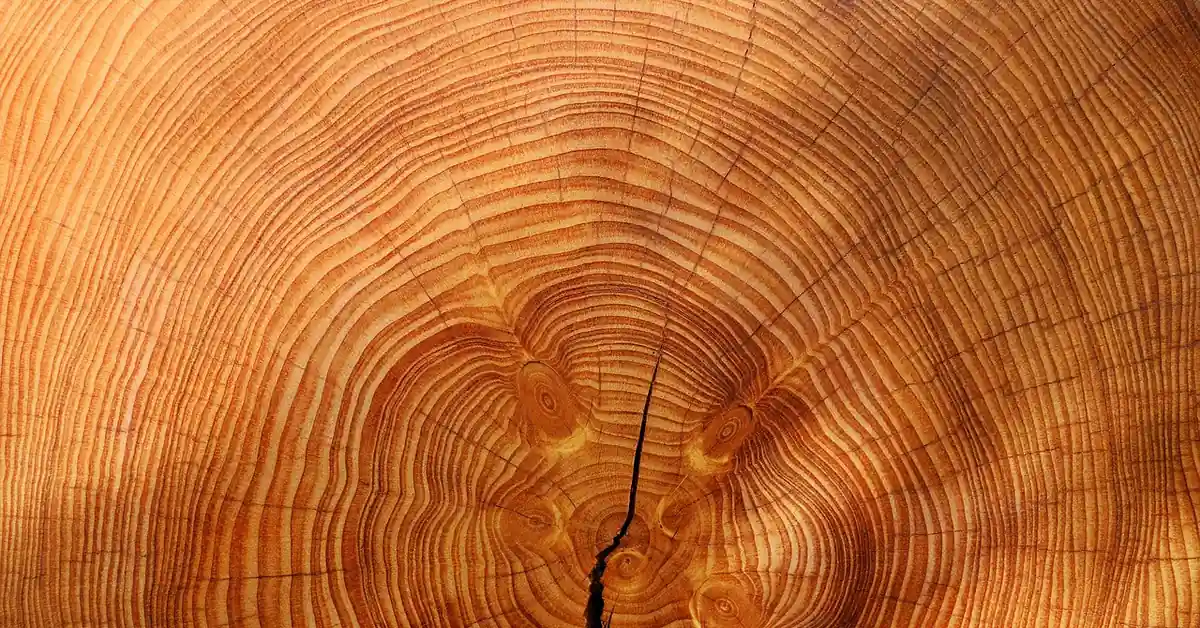
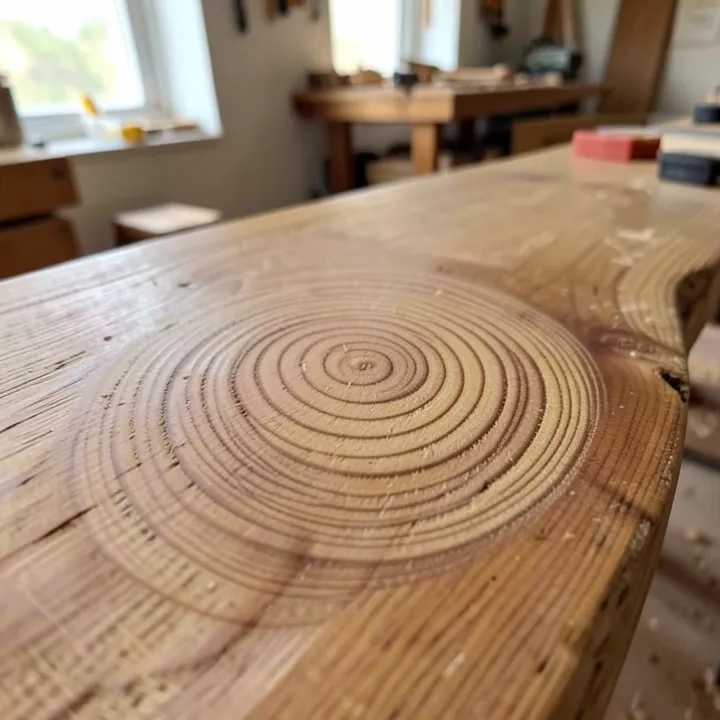
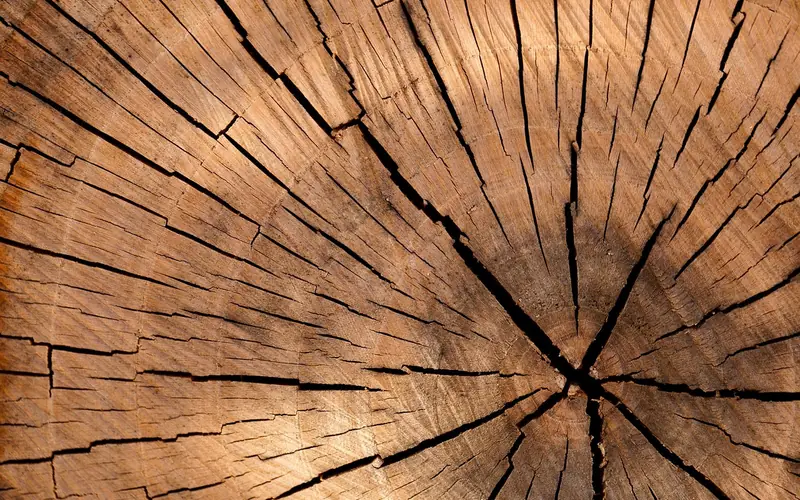
End grain flooring is a wood floor made from short blocks set on end, so the cut face showing the tree’s growth rings faces up instead of the long fibers you see on a standard plank. Because the wood fibers point straight up at the wearing surface, the floor resists dents and punctures the way a butcher block resists knife marks — it self-heals slightly and hides wear better than a flat-grain surface. The tradeoff is that end grain is also more porous at that exposed face, so it takes on moisture faster than standard hardwood flooring laid with the long grain up.
The Real History of End Grain Flooring (It Isn’t Ancient Rome)
A lot of articles on this topic claim end grain flooring dates back to ancient Egypt and medieval castles. That claim doesn’t hold up — there’s no documented evidence for it. The real history is more recent and more interesting: end-grain wood block flooring became the standard industrial floor of the late 1800s and early 1900s, used in foundries, machine shops, and plants run by companies like US Steel, General Electric, and Ford. Concrete wasn’t yet the default flooring material, and end grain blocks proved tough enough to survive dropped tools, heavy machinery, and horse-cart traffic while still being replaceable one block at a time.
Manufacturers still producing industrial end-grain block flooring today report it absorbs roughly five times more noise than a bare concrete floor and can cut heating costs by 10–15% through added insulation, which is a big part of why factories chose it over stone or poured concrete a century ago. Many of those original factory floors, laid dry over packed fill, are still in service.
📊 End-grain block floors absorb about 5x more noise than cementitious (concrete) floors — Source: Jennison & Wright Co., industrial end-grain flooring manufacturer
End Grain vs. Plank Flooring: How They Compare
Before choosing end grain over a standard plank pattern, it helps to see the real tradeoffs side by side.
| Factor | End Grain Flooring | Standard Plank Flooring |
|---|---|---|
| Impact resistance | Highest — vertical fibers resist dents | Moderate — scratches and dents show more |
| Installed cost per sq ft | $25–$60 | $10–$25 (national average closer to $10–$16) |
| Moisture tolerance | Lower — end grain wicks moisture faster | Higher — long grain resists moisture better |
| Maintenance cycle | Re-oil every 3–6 months | Refinish every 7–10 years |
| Best suited for | Workshops, kitchens, industrial-look interiors | Living rooms, bedrooms, general living space |
Best Wood Species for End Grain Flooring
Species selection matters more for end grain than for plank flooring, since the end-grain face is what takes the wear. Harder, tighter-grained species hold up longer between refinishing cycles.
| Wood Species | Characteristics |
|---|---|
| Hard Maple | The most common choice for end grain floors. Light, creamy color, tight grain, and excellent resistance to scratches and wear — a good fit for high-traffic rooms. |
| White Oak | Slightly more open grain than maple but very durable and widely available. Takes oil finishes well and hides minor scuffs in its natural color variation. |
| Black Walnut | Rich, dark brown color with attractive grain patterns. Softer than maple or oak, so it shows dents sooner — better suited to lower-traffic rooms. |
| Southern Yellow Pine | The traditional industrial choice, still used for shop and garage end-grain floors. Inexpensive and very tough in thick (2″+) blocks, though softer than hardwood species at thinner dimensions. |
For a home installation, hard maple or white oak are the safest picks — both are hard enough to handle regular foot traffic and take an oil finish evenly. Southern yellow pine is worth considering only for a workshop, garage, or genuinely industrial-style space where the floor needs to survive dropped tools more than it needs to look refined.
How Much Do End Grain Hardwood Floors Cost?
End grain flooring costs more than plank flooring because it uses more wood per square foot (the blocks are cut across the log instead of sliced along it) and takes longer to install.
| Cost Component | Typical Range (per sq ft) |
|---|---|
| Materials (common species: maple, oak) | $12–$18 |
| Materials (premium species) | $20–$25 |
| Labor / installation | $15–$40 |
| Subfloor prep & moisture barrier | $1–$6 |
| Total installed | $25–$60 (up to $70+ for premium species/markets) |
For comparison, standard hardwood plank flooring installed typically runs $10–$16 per square foot, with premium species reaching $25. Budget for end grain to cost roughly double to triple a plank installation of the same square footage.
Installing End Grain Hardwood Floors
End grain installation is closer to setting tile than nailing down plank flooring. These are the core steps a contractor (or an experienced DIYer) follows:
- Prep the subfloor: confirm it’s clean, dry, and level — use a self-leveling compound to fix low spots before laying any blocks.
- Test moisture: check subfloor moisture content, since end grain block that swells after installation will telegraph as raised edges.
- Dry-lay the pattern: arrange a section of blocks without adhesive first to plan grain direction and color blending.
- Set the blocks: apply adhesive to the subfloor in workable sections and press each block into place, keeping joints tight.
- Let the adhesive cure: follow the adhesive manufacturer’s cure time before sanding — usually 24–48 hours.
- Sand flat: sand the assembled floor to bring every block to the same level, since individual blocks rarely sit perfectly flush.
- Seal: apply an oil, wax, or water-based finish (see the maintenance section below for how that choice affects upkeep).
Because it involves more precise fitting than plank installation, most homeowners hire a flooring contractor experienced specifically with block or parquet flooring rather than a general hardwood installer.
Maintenance and Care
End grain floors need more attention than plank floors, mainly because of how the finish is chosen and reapplied. Skipping this schedule is the single biggest reason end-grain installations warp or gap prematurely.
- Sweep or vacuum daily — grit ground into the joints between blocks causes more damage on end grain than on plank flooring.
- Damp-mop only, never wet-mop. Standing water is absorbed faster through the exposed end grain than through a plank floor’s sealed top face.
- With a natural oil finish, re-oil every 3–6 months to keep the surface sealed and water-resistant.
- Plan a light sand-and-re-oil every 3–5 years to refresh the finish and even out wear between blocks.
- Place felt pads under furniture legs and a doormat at entrances — grit is the main enemy of this floor type.
📊 Natural oil finishes on end grain floors need reapplication every 3–6 months, versus a full refinish every 7–10 years for a polyurethane-sealed plank floor.
The finish you choose changes the maintenance math. An oil finish penetrates the end grain and needs the frequent top-ups above, but it’s easy to spot-repair — you can re-oil one worn patch without redoing the whole floor. A water-based polyurethane forms a surface film instead, so it lasts longer between full recoats but is harder to patch invisibly when it does wear through in a high-traffic spot.
Where End Grain Flooring Works Best
Given the cost and maintenance tradeoffs above, end grain flooring makes the most sense in specific rooms rather than throughout a whole house:
- Workshops and garages: the original use case — end grain absorbs impact from dropped tools far better than plank flooring or bare concrete.
- Kitchens with an oil finish: the same durability that makes butcher blocks kitchen-friendly applies to end grain floors, provided spills are wiped up promptly.
- Industrial-loft or exposed-brick interiors: the mosaic block pattern reads as intentional in spaces already leaning into a raw, structural aesthetic.
- Entryways and mudrooms: high-impact, high-grit zones where plank flooring shows wear fastest.
It’s a poor fit for bedrooms, formal living rooms, or any space where you want the lowest-maintenance option — the oiling schedule is real upkeep, not a one-time task. For those rooms, a standard hardwood plank floor is the more practical choice.
Frequently Asked Questions
What is end-grain wood flooring?
End-grain wood flooring is made from short wood blocks set on end, so the cut face showing the tree’s growth rings faces up instead of the long wood fibers you’d see on a plank floor. It’s the same cutting technique used for butcher blocks, scaled up into flooring, and it’s valued for impact resistance rather than for being low-maintenance.
How much does end grain flooring cost?
Installed end grain flooring typically runs $25 to $60 per square foot, and can exceed $70 for premium species in some markets. That breaks down to roughly $12–$25 per square foot for materials and $15–$40 for labor, plus $1–$6 for subfloor prep.
What is the best wood for end grain flooring?
Hard maple and white oak are the most common choices for home installations because they’re hard enough to resist dents while still taking an oil finish evenly. Southern yellow pine is the traditional industrial choice for workshops and garages, prized for toughness over appearance.
How often do you need to reseal or oil end grain floors?
With a natural oil finish, plan to re-oil every 3 to 6 months to keep the surface sealed and water-resistant, plus a light sand-and-re-oil every 3 to 5 years. A water-based polyurethane finish lasts longer between full recoats but is harder to spot-repair.
Is end grain flooring good for kitchens?
Yes, with an oil finish and prompt spill cleanup — the same properties that make butcher blocks kitchen-friendly apply to end grain floors. It’s a poor choice for kitchens if you’re not prepared to keep up the re-oiling schedule, since standing water is absorbed faster through end grain than through a sealed plank floor.
Conclusion
End grain hardwood floors trade a higher install cost and a real maintenance commitment for impact resistance that plank flooring can’t match — a tradeoff that made sense for 19th-century factories and still makes sense today for workshops, garages, and oil-finished kitchens. Whether it’s the right choice for your space comes down to one honest question: are you willing to re-oil it every few months? If yes, it can outlast almost any other flooring option. If not, a standard hardwood plank floor will serve you better.
Sponsored / affiliate links. As an Amazon Associate I earn from qualifying purchases. I may earn additional commission from eligible campaigns.