How Many Coats of Danish Oil: Ultimate Guide for Perfect Finish
To achieve a perfect finish, apply three coats of Danish oil. Each coat enhances the wood’s beauty and offers more protection.
Danish oil is a popular choice for woodworkers. It penetrates deeply, providing a durable and attractive finish. But how many coats should you apply for the best results? Applying the right number of coats can make a big difference in the appearance and longevity of the wood.
Some might think one coat is enough, but additional coats offer more benefits. In this blog post, we will explore the ideal number of coats to apply, ensuring your wood projects look their best and last longer. Let’s dive in to find the perfect balance for your woodworking projects.
Credit: www.reddit.com
Introduction To Danish Oil
Danish oil is a blend of natural oils and varnish. It gives wood a protective finish and a rich look. It is easy to apply and dries quickly. Danish oil penetrates deep into the wood. It enhances the grain and adds a warm, soft glow.
This oil is used on furniture and wooden surfaces. It is also good for floors and cutting boards. Danish oil protects wood from water and dirt. It is great for both indoor and outdoor projects. People use it on tables, chairs, and cabinets. It keeps wood looking nice for a long time.
Benefits Of Using Danish Oil
Danish oil offers great durability. It protects wood from wear and tear. This oil can withstand daily use. It is also resistant to water and stains. This makes it ideal for household items. It can last a long time with proper care.
This oil also enhances the aesthetic appeal of wood. It brings out the natural beauty of the grain. The finish is smooth and rich. It adds a warm, glowing look to furniture. Danish oil can transform old wood into beautiful pieces. It is a favorite choice for many woodworkers.
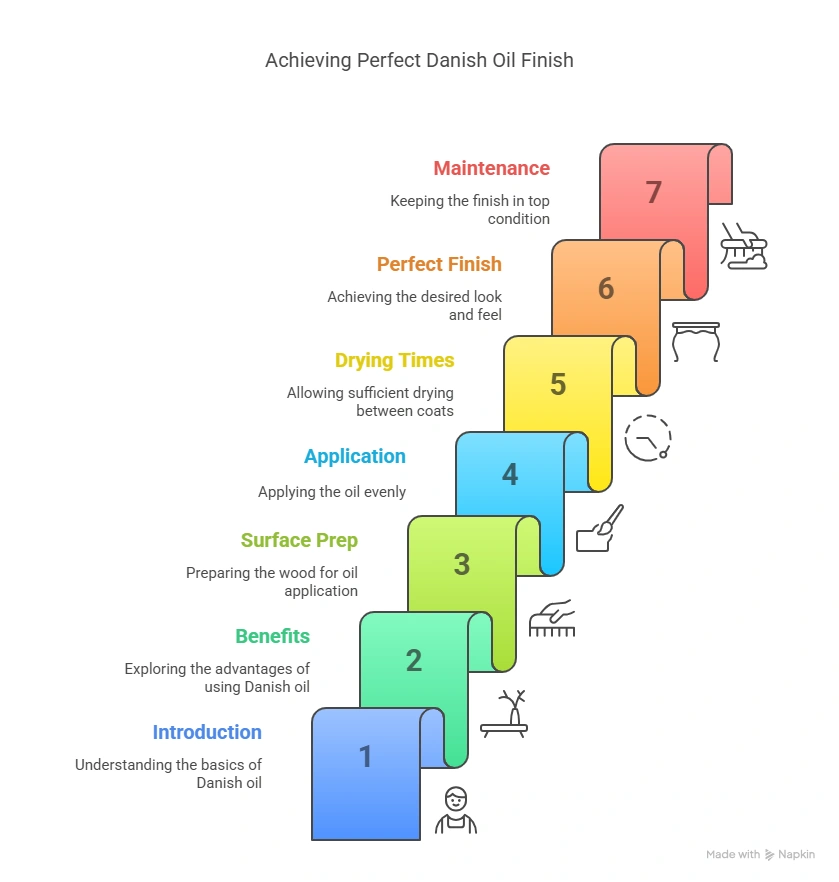
Preparing The Surface
Before applying Danish oil, clean the surface well. Use a clean cloth to wipe away dust. Make sure there is no dirt or grime. A cleaner surface means better results.
After cleaning, sand the surface. Use fine-grit sandpaper. Sand in the direction of the wood grain. This smooths the wood and helps the oil absorb better. Sand until the surface feels smooth.
Application Techniques
To apply Danish oil, gather a few basic tools. You will need a clean cloth, sandpaper, a brush, and a container for the oil. Make sure the cloth is lint-free. The sandpaper should be fine-grit. Keep the brush soft and clean. These tools help in getting a smooth and even finish.
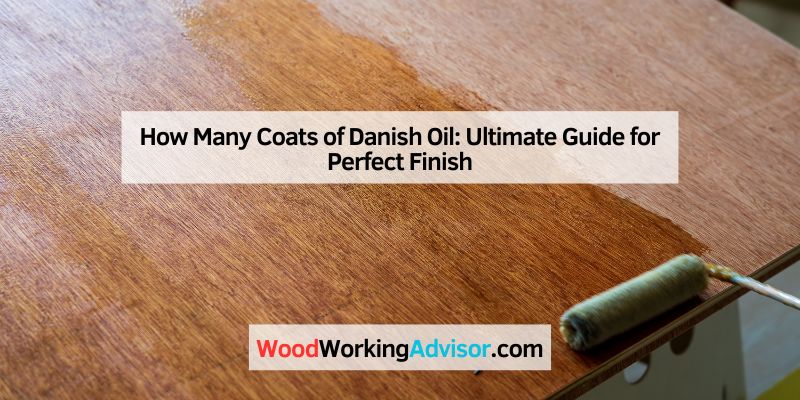
Start by sanding the wood surface. Sand until it feels smooth. Wipe away dust with a damp cloth. Let it dry. Pour some Danish oil into the container. Dip the brush or cloth into the oil. Apply the oil in the direction of the wood grain. Use even strokes. Wait for 15 minutes. Wipe off any excess oil with a clean cloth. Let it dry for 24 hours. Sand lightly between coats. Apply at least two coats for best results.
How Many Coats To Apply
Applying Danish oil usually requires two to three coats. Each layer should be allowed to dry thoroughly. This ensures a smooth and durable finish.
First Coat
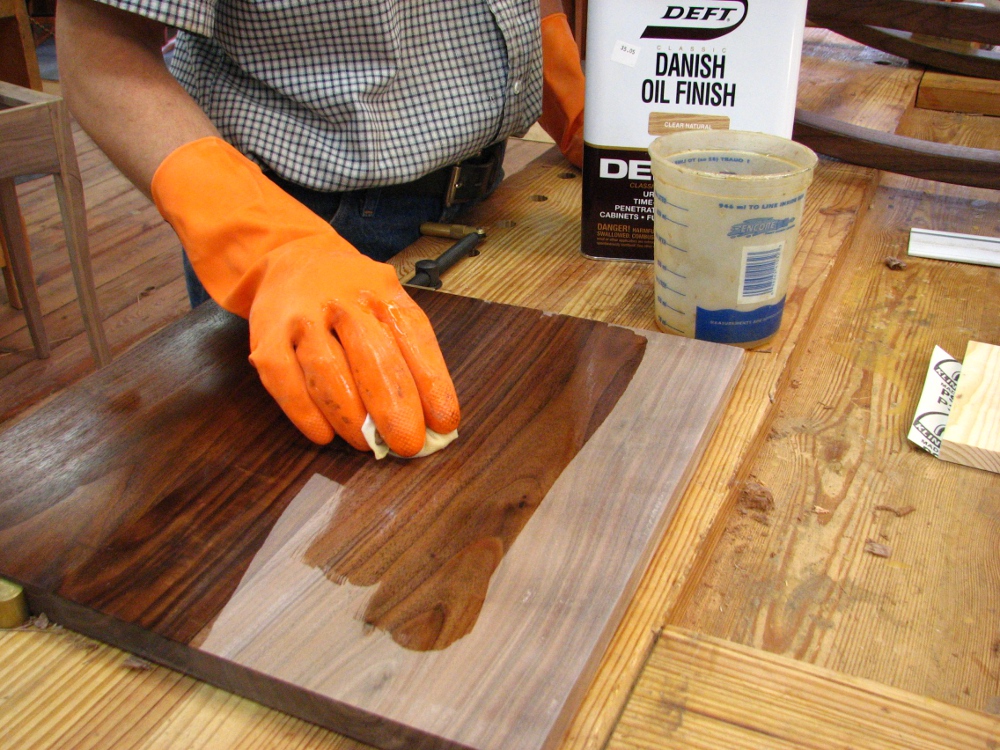
Apply the first coat of Danish oil with a clean cloth. Spread it evenly. Let it soak into the wood. Wait for about 30 minutes. Then, wipe off any excess oil. Let it dry for at least 24 hours. The wood will absorb the oil well.
Additional Coats
After the first coat dries, apply the second coat. This coat should be thinner. Let it soak in for 15 minutes. Wipe off any extra oil. Allow it to dry for 24 hours. You can apply a third coat if needed. Follow the same steps.
Credit: woodworking.sustainlife.org
Drying Times Between Coats
The recommended drying time for Danish oil is 6-8 hours. Ensure the first coat is completely dry before applying the next one. Using a fan can help to speed up the drying process. Avoid applying the next coat if the surface feels sticky or wet. Proper drying ensures a smooth finish.
Temperature and humidity can affect drying times. High humidity may slow the drying process. Cooler temperatures also make it take longer to dry. Ensure good ventilation to help the oil dry faster. Applying thin coats can also speed up drying. Thick coats take longer to dry.
Achieving The Perfect Finish
Buffing and polishing give wood a smooth and shiny look. After the last coat of Danish oil, let it dry. Buffing with a clean cloth removes any rough spots. It also makes the surface smooth. Use circular motions for best results. Polishing adds extra shine. A high-quality polish works best. Apply it evenly. Buff again for a final touch.
The final coat of Danish oil needs time to dry. Once dry, inspect the surface. Look for any uneven spots. Buff those areas gently. This makes the finish look uniform. Polishing adds an extra layer of protection. It also enhances the wood’s natural beauty. Use a soft cloth for this step. Buffing and polishing ensure the wood looks its best.
Maintenance Tips
Applying two to three coats of Danish oil ensures a smooth and durable finish. Allow each coat to dry fully before adding the next. Proper application enhances the wood’s natural beauty and longevity.
Regular Cleaning
Use a soft, damp cloth to clean the surface. Avoid using harsh chemicals or abrasive materials. These can harm the finish. Dry the surface with a clean cloth. Keep the wood dry to prevent damage.
Reapplication
Apply a new coat of Danish oil every few months. This keeps the wood protected and looking good. Before applying, clean the surface well. Lightly sand if needed. Apply the oil with a cloth. Let it soak in, then wipe off extra oil. Allow it to dry fully before use.
Common Mistakes To Avoid
Applying too much Danish oil can cause problems. The surface may become sticky. This happens because the oil is not fully absorbed. Thin coats are best. Let each coat dry well. Three coats are usually enough. More coats can harm the wood.
The wood must be clean. Sand the surface to remove old finishes. Dust should be wiped away. A smooth base helps the oil soak in. Skipping this step leads to poor results. Always prep the surface well.

Credit: www.reddit.com
Frequently Asked Questions
Does Danish Oil Need Multiple Coats?
Yes, Danish oil typically requires multiple coats. Apply 2-3 coats for best results, ensuring a smooth, durable finish.
How Long Do You Leave Danish Oil On Before You Wipe It?
Leave Danish oil on for 15-20 minutes before wiping it off. This allows the oil to penetrate the wood.
How To Get A Shiny Finish With Danish Oil?
Apply multiple coats of Danish oil, allowing each coat to dry completely. Sand lightly between coats for a smooth finish.
Do You Use A Brush Or Cloth For Danish Oil?
Use a clean cloth for Danish oil application. A brush may leave streaks and uneven coverage.
Conclusion
Applying Danish oil enhances the beauty of your wood projects. Two to three coats usually provide a durable finish. Always sand between coats for best results. Let the oil dry completely before each new layer. Patience ensures a smooth, rich finish.
Experiment on a small piece first. This way, you understand how your wood reacts. Danish oil is a great choice for many wood types. Enjoy the process and the beautiful results. Happy woodworking!