Murphy’s Oil Soap vs Wood Cleaner: The pH Difference That Matters
As the USDA Forest Service points out in its wood-finishing research, the finish is the wood’s primary line of defense against moisture and wear — using the wrong cleaner can compromise that defense over time.
The Verdict: Which Should You Reach For?
Best pH-Neutral Floor Cleaner Pick
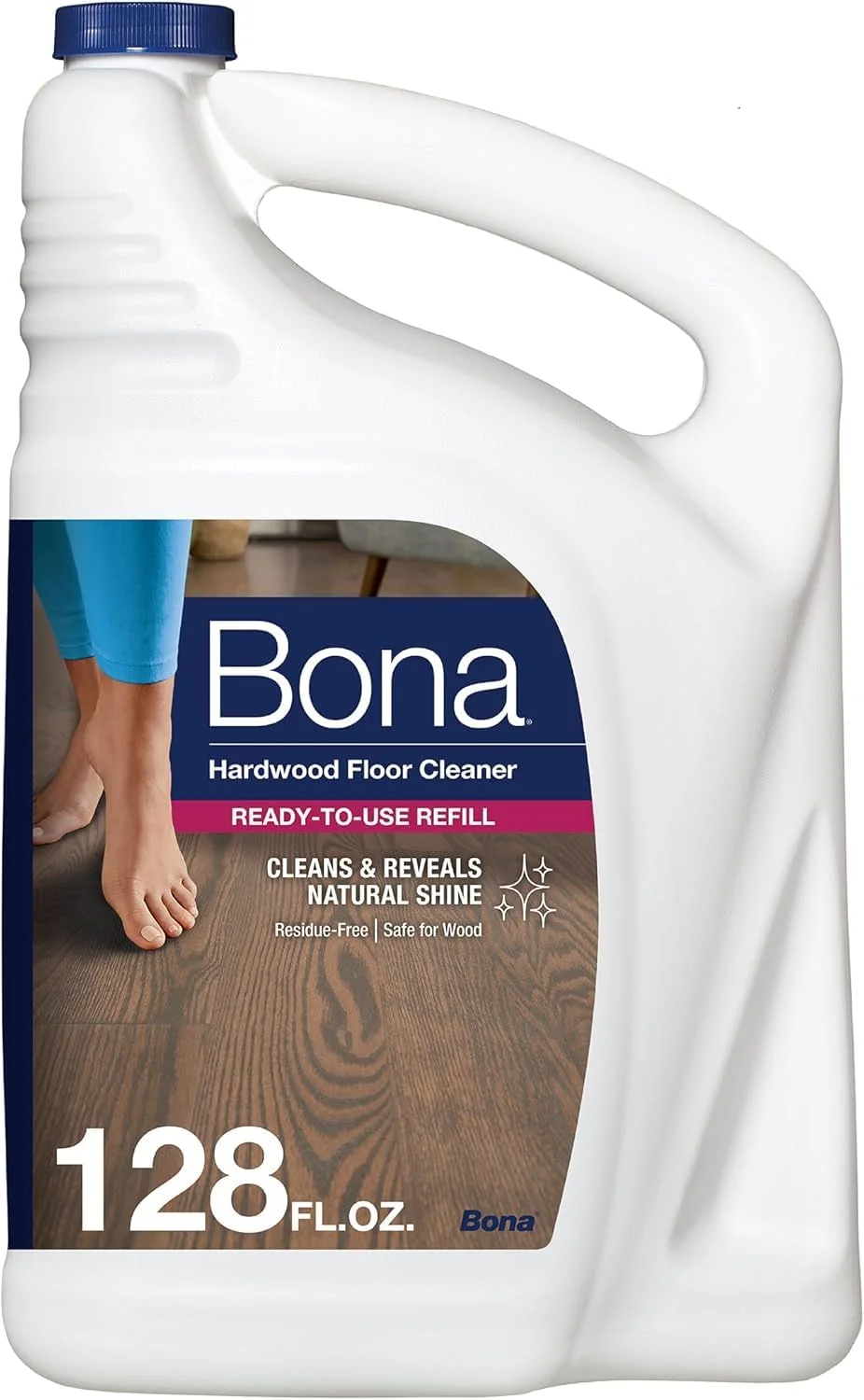 |
Bona Hardwood Floor Cleaner Refill, 128 fl oz – $19.97 This is the pH-neutral, no-rinse formula the comparison table above recommends for polyurethane-finished floors — the opposite chemistry from classic Murphy’s Oil Soap.
|
For the health and beauty of your wood, a pH-neutral, dedicated wood cleaner is the better everyday choice — it removes dust and grime without residue buildup or the slow chemical wear a repeatedly alkaline cleaner causes.
Think of it like shampoo: a harsh dish soap would get grease out of your hair, but it would also strip your natural oils and leave it dry. A pH-balanced shampoo cleans gently and protects instead. Murphy’s classic formula is the strong soap; a wood cleaner (including Murphy’s own spray version) is the protective shampoo.
By choosing the right tool for the job, you’re preserving your wood’s beauty and strength for years, not just getting it clean today.
Frequently Asked Questions
Can I use Murphy’s Oil Soap on unfinished wood?
It’s not recommended. Unfinished wood is like a sponge — the soap and water soak deep into the grain, which can raise the grain, cause swelling, and lead to discoloration, and the residue becomes impossible to rinse out.
Is Murphy’s Oil Soap good for kitchen cabinets?
A dedicated wood cabinet cleaner is a better choice. While Murphy’s can cut grease, its residue can create a sticky film that attracts new grease and dust, making cabinets look dull and feel tacky over time.
What’s a good alternative to Murphy’s Oil Soap for wood floors?
Look for a pH-neutral, water-based hardwood floor cleaner from a reputable brand like Bona, Bruce, or Method — or Murphy’s own pH-neutral Wood Cleaner Spray. All are designed to clean polyurethane-finished floors without leaving a haze or damaging the finish.
How often should I clean my wood furniture?
For dusting, a dry microfiber cloth once a week is usually enough. For a deeper clean with a wood cleaner, aim for every few months or as needed when you see grime or fingerprints. Over-cleaning can be just as bad as not cleaning at all.
Why does my floor look dull and cloudy after using Murphy’s Oil Soap?
That dull, cloudy, hazy look is the classic sign of soap residue. Because Murphy’s is a true soap, it can leave a film behind, especially if it wasn’t diluted enough or rinsed thoroughly, and that film builds up and scatters light.
Can I mix vinegar with Murphy’s Oil Soap?
No. Murphy’s is alkaline and vinegar is acidic, so mixing them triggers a neutralizing reaction that leaves you with a cloudy, separated mixture that cleans neither surface well.
Does Murphy’s Oil Soap remove wax or furniture polish?
Its alkaline nature can soften and strip some waxes and polishes, but it’s not a dedicated stripper, and using it on a waxed piece can leave a splotchy, uneven finish. For removing old wax, use a product made for that specific task, like mineral spirits.
Bottom Line
It’s not that one product is “bad” and the other is “good” — it’s about matching the tool to the job. Reach for a pH-neutral wood cleaner (Murphy’s spray version included) for your regular floor, cabinet, and furniture cleaning, and keep the classic Murphy’s Oil Soap bottle for the occasional heavy-duty, non-wood job it still handles well.
Murphy’s Oil Soap is an alkaline, oil-based soap (pH around 11) built for tough cleanup jobs, while a dedicated wood cleaner is pH-neutral and made specifically for sealed wood — that difference is why one leaves a dulling residue and the other doesn’t. Using Murphy’s regularly on polyurethane floors is the classic cause of a hazy, dull finish, and it can even block adhesion if you ever refinish. This guide compares both, and covers the pH-neutral spray Murphy’s itself now sells for exactly this problem.
What Exactly Is Murphy’s Oil Soap?
Murphy’s Oil Soap is a classic, general-purpose cleaner that’s been around for over a century. The main ingredient is potassium soap made from vegetable oils, which is why it has “oil soap” in its name — think of it as a powerful all-purpose soap, not a wood “feeder.”
Its defining trait is a high pH (around 11, alkaline), which makes it effective at breaking down dirt and grime on many surfaces, but it was never formulated specifically for the delicate finishes on most modern furniture and flooring.
Pros of Using Murphy’s Oil Soap
- Affordable and widely available: found in almost any grocery or hardware store at a low price.
- Versatile: works on many surfaces beyond wood — painted walls, linoleum, even laundry stains.
- Familiar scent: many people like the classic citronella smell.
Cons of Using Murphy’s Oil Soap on Wood
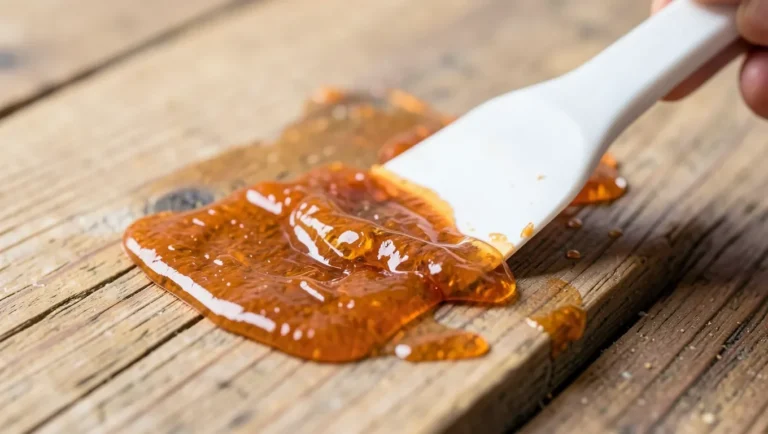
- Leaves a residue: as a true soap, it can leave a sticky or hazy film if not rinsed thoroughly, and that film attracts more dust.
- High pH can harm finishes: its alkalinity (pH ~11) can be harsh on polyurethane and lacquer over repeated use.
- Can cause dulling: residue buildup is a common cause of a dull, cloudy appearance on floors and furniture.
- Can block refinishing later: accumulated residue can interfere with a new finish’s adhesion if you ever have the floor recoated.
The Detail Most Guides Miss: Murphy’s Makes a pH-Neutral Version Too
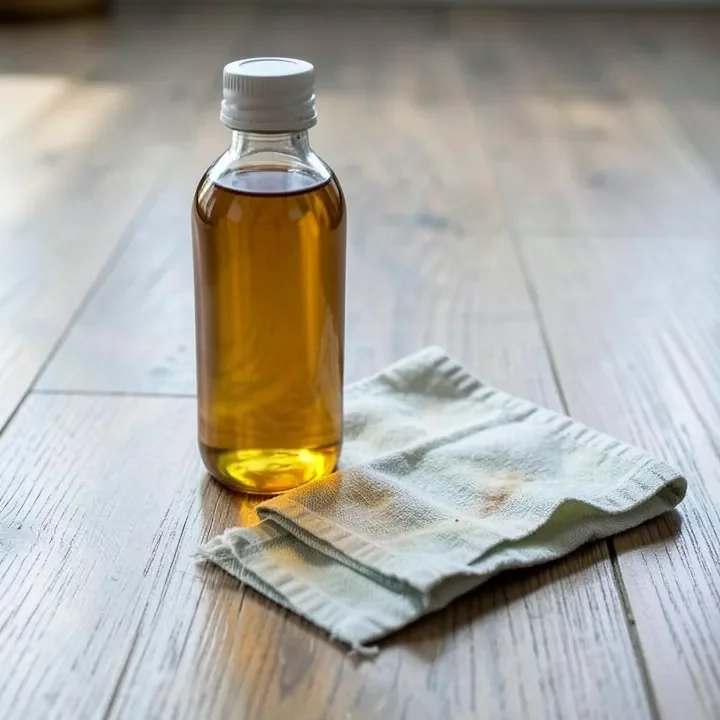
Here’s the part that trips people up: “Murphy’s Oil Soap” and “Murphy’s Oil Soap Wood Cleaner Spray” are not the same formula. The classic bottle is the alkaline soap described above. The no-rinse spray is a separate, pH-neutral formula designed specifically for finished floors, cabinets, and furniture — no oil, no residue, no rinsing. If you’ve been avoiding the Murphy’s brand entirely because of the pH issue, the spray version solves that specific problem while keeping the familiar name.
“Each application of the classic oil soap leaves a thin residue that accumulates into a sticky film, which attracts dust, dulls the finish in walkways, and can block adhesion when a refinisher tries to recoat the floor years later.”
What Is a Modern Wood Cleaner?
Dedicated wood cleaners are a different animal — formulated for one job: safely cleaning wood surfaces without touching the protective finish. Instead of soap, most use water-based formulas with mild, pH-neutral detergents (around pH 7), which is far safer for the finishes on modern floors, cabinets, and furniture. According to Michigan State University Extension, mild, pH-neutral cleaners are key to preserving wood furniture.
Pros of Using a Modern Wood Cleaner
- pH-neutral and safe: won’t strip or dull common wood finishes.
- No residue: designed to evaporate cleanly, with no rinsing required.
- Effective: formulated to lift dirt, dust, and grime without harsh chemicals.
Cons of Using a Modern Wood Cleaner
- Less versatile: made specifically for wood, not a household all-purpose cleaner.
- Costs more: specialty products often carry a slightly higher price tag than all-purpose cleaners.
Murphy’s Oil Soap vs Wood Cleaner: A Head-to-Head Comparison
Sometimes the clearest way to see the difference is side by side.
| Feature | Murphy’s Oil Soap (Classic) | Dedicated Wood Cleaner |
|---|---|---|
| pH Level | Alkaline (~11) | Neutral (~7) |
| Main Ingredient | Vegetable oil soap | Water-based, mild detergents |
| Residue | Can leave a dulling, sticky residue | Typically none |
| Safety on Finishes | Can weaken polyurethane over time | Safe for polyurethane, lacquer, varnish |
| Best For | Heavy-duty cleaning on durable, non-wood surfaces or well-sealed painted wood | Regular cleaning of finished furniture, cabinets, floors |
| Rinsing Required? | Yes, for best results | No — spray and wipe |
When Should You Use Murphy’s Oil Soap?
That doesn’t mean you should throw your bottle away — it’s a great cleaner for the right jobs. Think of it as a heavy-duty tool, not an everyday duster.
- Deep cleaning very dirty, durable surfaces: greasy buildup on old painted porch swings or heavily sealed outdoor furniture responds well to a diluted Murphy’s solution.
- Cleaning woodwork before painting: its grease-cutting power makes it a decent prep cleaner before you scuff-sand and paint trim or doors.
- Non-wood surfaces: linoleum, tile, and general household cleaning.
How to Use Murphy’s Oil Soap Safely on Wood
If you decide to use it, follow these steps to minimize the risk:
- Dilute it heavily: never use it straight from the bottle on wood — start with 1/4 cup of soap per gallon of warm water.
- Test first: try a hidden spot, like the back of a table leg, let it dry, and check for dullness or stickiness.
- Wipe, don’t soak: use a well-wrung-out cloth — never saturate wood with water.
- Rinse afterward: go over the area with a second cloth dampened with plain water.
- Dry thoroughly: immediately dry the surface with a clean, soft cloth.
When Is a Dedicated Wood Cleaner the Better Choice?
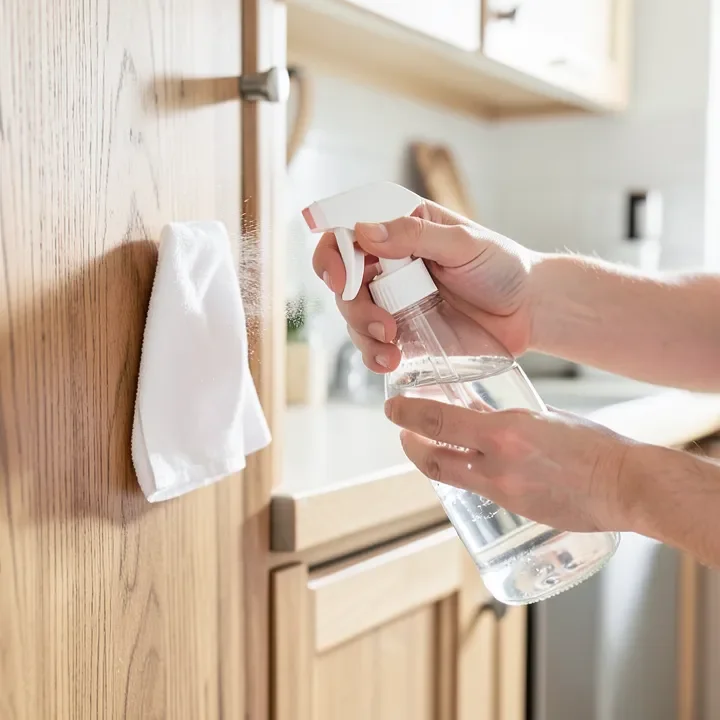
For almost all regular wood care, a dedicated wood cleaner is the safer, more effective option. Its gentle, residue-free formula is exactly what modern wood finishes need.
- Fine wood furniture: your dining table, coffee tables, dressers, and heirlooms deserve a cleaner that won’t harm their finish.
- Kitchen cabinets: a wood cleaner cuts through grease without leaving a residue that attracts more dirt.
- Hardwood floors: most have a polyurethane finish, and an alkaline cleaner is a leading cause of dull, hazy floors — for a deeper look at this specific case, see our guide on whether Murphy’s is good for hardwood floors.
- Any wood with an unknown finish: a pH-neutral cleaner is the least likely to cause damage if you’re not sure what you’re dealing with.
As the USDA Forest Service points out in its wood-finishing research, the finish is the wood’s primary line of defense against moisture and wear — using the wrong cleaner can compromise that defense over time.
The Verdict: Which Should You Reach For?
For the health and beauty of your wood, a pH-neutral, dedicated wood cleaner is the better everyday choice — it removes dust and grime without residue buildup or the slow chemical wear a repeatedly alkaline cleaner causes.
Think of it like shampoo: a harsh dish soap would get grease out of your hair, but it would also strip your natural oils and leave it dry. A pH-balanced shampoo cleans gently and protects instead. Murphy’s classic formula is the strong soap; a wood cleaner (including Murphy’s own spray version) is the protective shampoo.
By choosing the right tool for the job, you’re preserving your wood’s beauty and strength for years, not just getting it clean today.
Frequently Asked Questions
Can I use Murphy’s Oil Soap on unfinished wood?
It’s not recommended. Unfinished wood is like a sponge — the soap and water soak deep into the grain, which can raise the grain, cause swelling, and lead to discoloration, and the residue becomes impossible to rinse out.
Is Murphy’s Oil Soap good for kitchen cabinets?
A dedicated wood cabinet cleaner is a better choice. While Murphy’s can cut grease, its residue can create a sticky film that attracts new grease and dust, making cabinets look dull and feel tacky over time.
What’s a good alternative to Murphy’s Oil Soap for wood floors?
Look for a pH-neutral, water-based hardwood floor cleaner from a reputable brand like Bona, Bruce, or Method — or Murphy’s own pH-neutral Wood Cleaner Spray. All are designed to clean polyurethane-finished floors without leaving a haze or damaging the finish.
How often should I clean my wood furniture?
For dusting, a dry microfiber cloth once a week is usually enough. For a deeper clean with a wood cleaner, aim for every few months or as needed when you see grime or fingerprints. Over-cleaning can be just as bad as not cleaning at all.
Why does my floor look dull and cloudy after using Murphy’s Oil Soap?
That dull, cloudy, hazy look is the classic sign of soap residue. Because Murphy’s is a true soap, it can leave a film behind, especially if it wasn’t diluted enough or rinsed thoroughly, and that film builds up and scatters light.
Can I mix vinegar with Murphy’s Oil Soap?
No. Murphy’s is alkaline and vinegar is acidic, so mixing them triggers a neutralizing reaction that leaves you with a cloudy, separated mixture that cleans neither surface well.
Does Murphy’s Oil Soap remove wax or furniture polish?
Its alkaline nature can soften and strip some waxes and polishes, but it’s not a dedicated stripper, and using it on a waxed piece can leave a splotchy, uneven finish. For removing old wax, use a product made for that specific task, like mineral spirits.
Bottom Line
It’s not that one product is “bad” and the other is “good” — it’s about matching the tool to the job. Reach for a pH-neutral wood cleaner (Murphy’s spray version included) for your regular floor, cabinet, and furniture cleaning, and keep the classic Murphy’s Oil Soap bottle for the occasional heavy-duty, non-wood job it still handles well.
Sponsored / affiliate links. As an Amazon Associate I earn from qualifying purchases. I may earn additional commission from eligible campaigns.