How to Remove Tung Oil From Wood (3 Methods That Actually Work)
Tung oil doesn’t sit on wood like paint or varnish — it polymerizes and soaks into the grain, which is exactly why it can’t be stripped with a quick wipe of solvent the way a surface finish can. Getting it off means either dissolving and lifting it with a solvent or physically sanding through the cured layer, and knowing which approach fits your situation saves a lot of wasted effort.
Signs You Actually Need to Remove It
Best Solvent for Softening Tung Oil
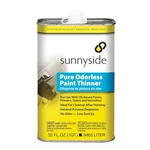 |
Sunnyside Pure Odorless Paint Thinner, Quart – $17.25 Mineral spirits are the first thing to reach for on a light or partially worn tung oil finish before resorting to sanding.
|
Not every tired-looking tung oil finish needs full removal — often a fresh coat over a cleaned surface revives it. Full stripping is worth the effort when the finish has gone patchy or blotchy in a way a new coat won’t blend into, when you’re switching to an incompatible finish like certain water-based polyurethanes that need bare wood to adhere properly, or when the surface has enough buildup or grime embedded in it that cleaning alone won’t restore an even appearance.
Method 1: Mineral Spirits
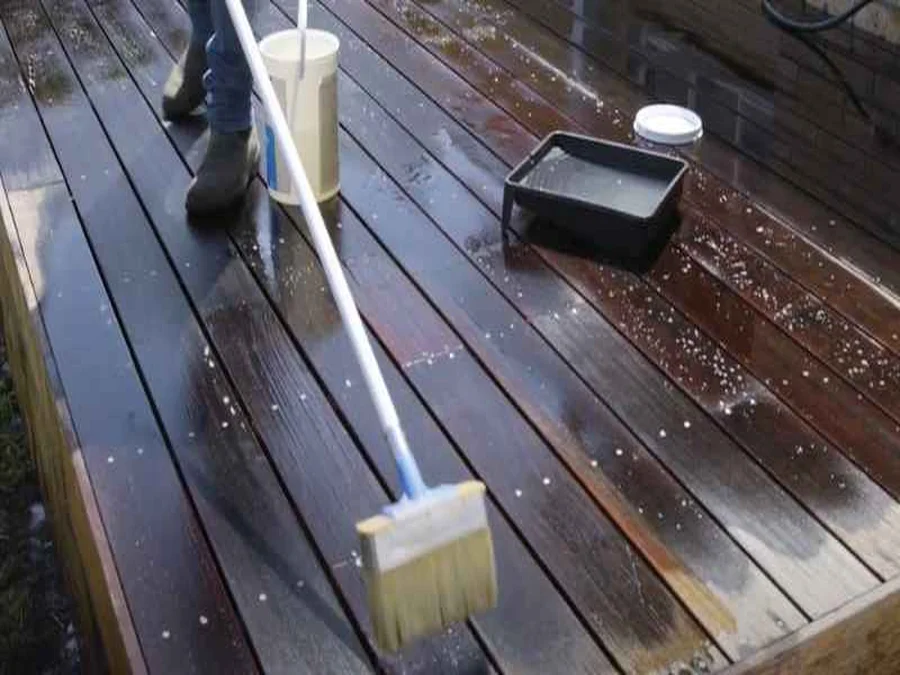
Mineral spirits (paint thinner) softens tung oil enough to wipe away, and it’s the least aggressive option for surfaces you want to preserve. Work in a ventilated area, wear gloves, and dampen a lint-free cloth rather than pouring it directly on the wood. Rub with moderate pressure, following the grain, and expect to go through several cloths as the softened oil transfers off the wood. This method rarely removes a heavy, well-cured coat completely on its own — it’s most effective on a thinner or partially worn finish, or as a first pass before sanding.
Method 2: Sanding
Sanding physically removes the cured layer and is the most reliable method for a thick or old finish. Start with 120-grit sandpaper and work in the direction of the grain, checking periodically rather than sanding blind — tung oil clogs sandpaper faster than bare wood does, so expect to change sheets more often than usual. Once the finish is gone and the surface looks dull and even, switch to 220-grit for a smoother surface before refinishing. Sanding removes actual wood along with the finish, so it’s not the right choice on thin veneer or pieces where preserving original material thickness matters.
Method 3: Heat
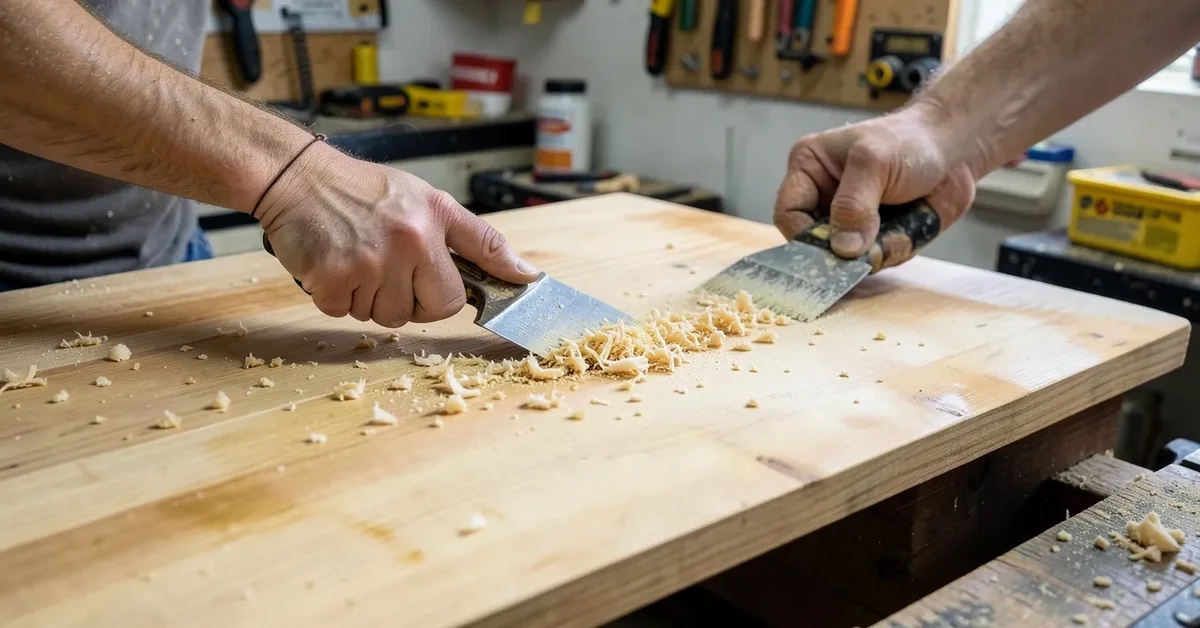
A heat gun on a low setting softens tung oil enough to scrape with a plastic or wood scraper — keep the gun moving constantly, a few inches from the surface, since holding it still risks scorching the wood. This works well on flat surfaces but is slower and more awkward on carved or detailed pieces where a scraper can’t easily follow the contours.
Which Method Should You Use?
For a light or partially worn finish where you want to preserve the wood’s surface exactly as-is, start with mineral spirits. For a heavy, well-cured coat or when you’re prepping for a different finish that needs bare wood, sanding is more reliable, even though it’s more labor-intensive. Heat is worth reaching for on flat panels where you want to avoid the dust and material loss of sanding, but it’s a poor fit for detailed or carved surfaces.
Safety Notes
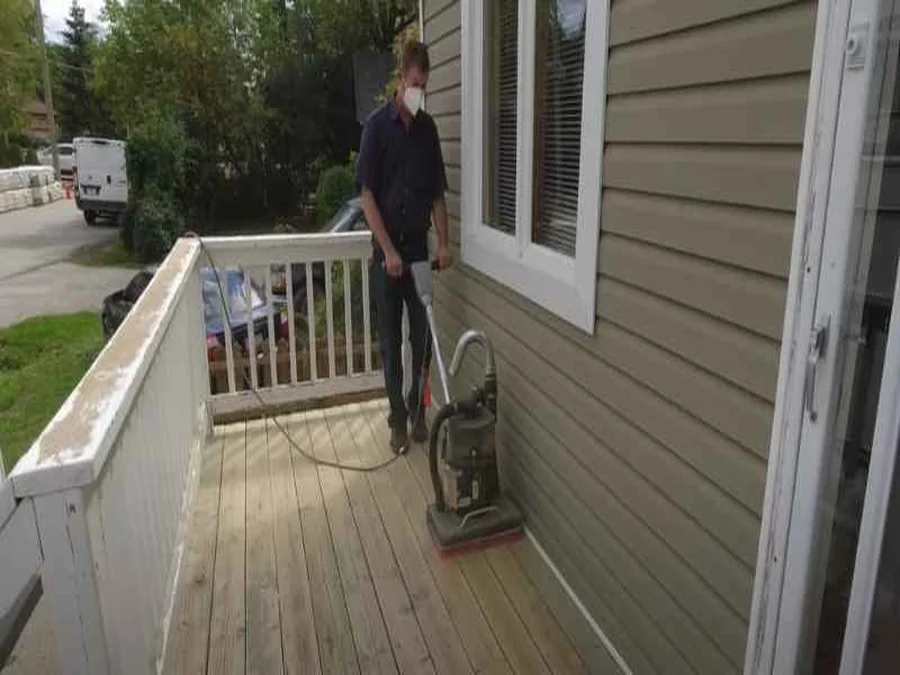
Mineral spirits and other solvents produce flammable vapors — work away from open flames or pilot lights, and ventilate the room. Sanding tung oil finishes produces fine dust that’s worth capturing with a dust mask and, ideally, a shop vacuum attachment on your sander. Always test any method on an inconspicuous area first, since wood species and the age of the finish both affect how it responds.
Frequently Asked Questions
Will Mineral Spirits Fully Remove Tung Oil?
On a light or partially worn coat, often yes with enough rubbing. On a thick, well-cured finish, mineral spirits will soften it but usually won’t lift it completely — sanding is more reliable for heavy buildup.
What Grit Sandpaper Should I Use to Remove Tung Oil?
Start with 120-grit to cut through the cured finish, then move to 220-grit to smooth the bare wood before applying a new finish.
Can I Use a Heat Gun to Remove Tung Oil?
Yes, on a low setting with constant movement to avoid scorching. It works best on flat surfaces; carved or detailed pieces are easier to strip with solvent or sanding.
Do I Need to Remove All the Tung Oil Before Refinishing?
It depends on the new finish. Another coat of oil-based finish can often go over a cleaned, lightly scuffed tung oil surface. Water-based finishes and some film finishes need bare wood to bond properly, so full removal matters more in that case.
Bottom Line
Tung oil resists quick removal because it cures into the wood rather than sitting on top of it. Mineral spirits handle light finishes, sanding handles heavy or old ones, and heat is a useful option for flat surfaces where you want to avoid dust. Match the method to how much finish you’re actually dealing with, and always test first.
Sponsored / affiliate links. As an Amazon Associate I earn from qualifying purchases. I may earn additional commission from eligible campaigns.