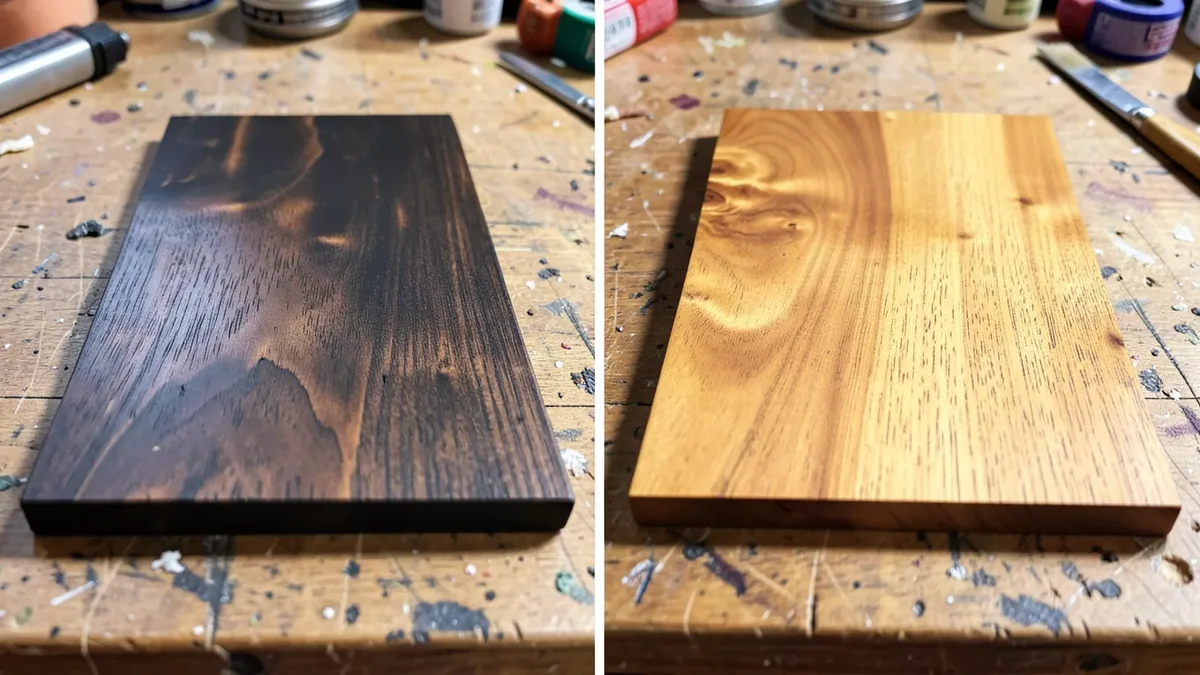
Linseed Oil vs. Stain: They Are Not Actually Rivals
Linseed oil and wood stain aren’t really competing for the same job. Linseed oil is a penetrating oil finish that deepens the grain and adds a warm amber tone, with minimal protection on its own. Stain is a colorant, not a protective finish by itself. Many projects actually use both, stain for color plus a topcoat for protection, rather than picking one over the other.
What Linseed Oil Actually Does
Best Boiled Linseed Oil
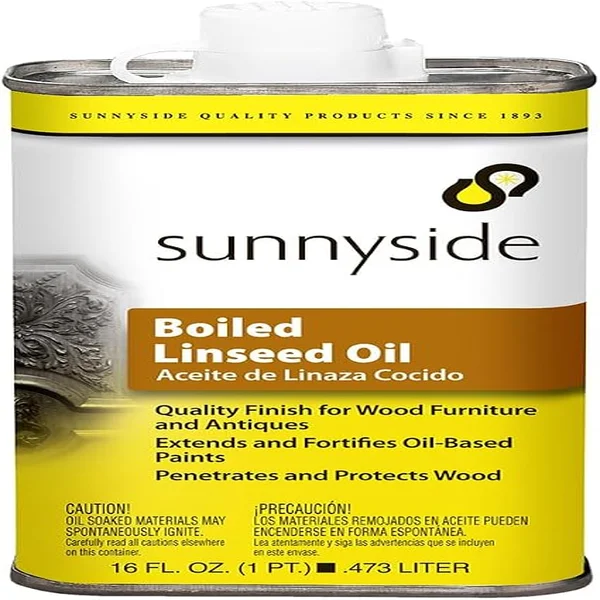 |
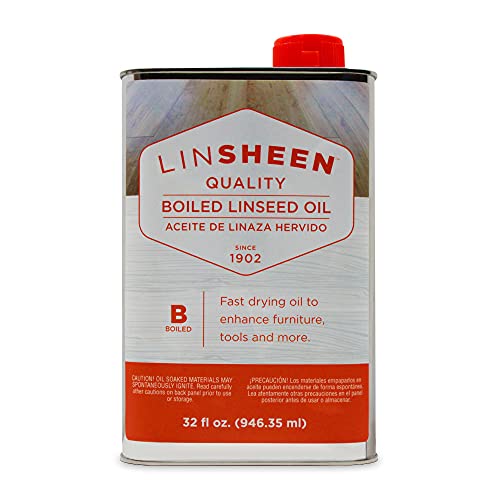
Sunnyside Boiled Linseed Oil – $14.75 A standard, widely available BLO for furniture, tool handles, and as a topcoat over stain (not for food-contact surfaces).
|
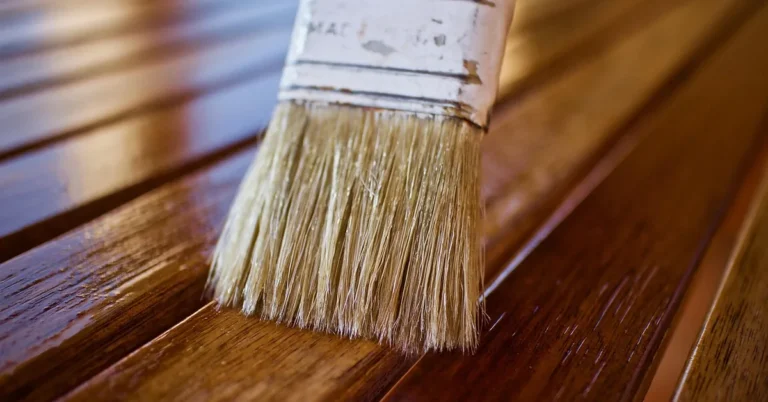
Linseed oil is a penetrating finish pressed from flax seeds. It soaks into the wood fibers rather than sitting on top, which is why it deepens the grain and gives an almost 3D look that a surface film finish can’t match. Nearly everything sold as “linseed oil” for woodworking is boiled linseed oil (BLO), not raw — raw linseed oil can take weeks to cure, so manufacturers add metallic drying agents to make it cure in a day or two on the surface (full cure still takes weeks). That distinction matters for one specific use: BLO’s metal driers make it unsafe for food-contact surfaces like cutting boards, where you need raw linseed oil or a food-safe mineral oil instead.
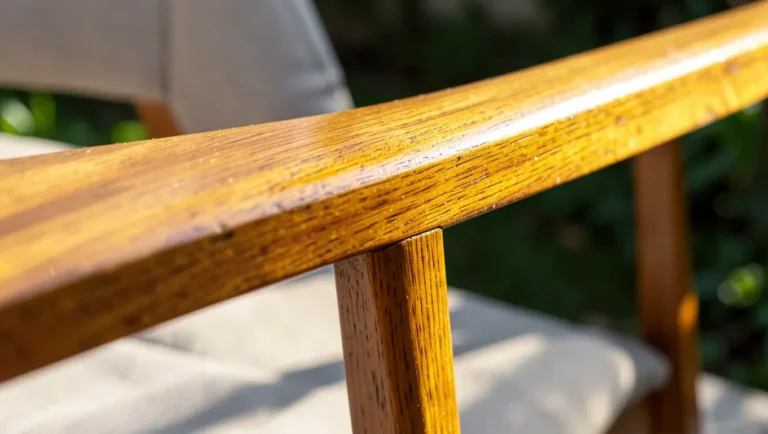
Linseed oil also ambers wood over time, more than most people expect going in — it’s not a color-neutral finish, it just doesn’t come in a range of colors the way stain does. And on its own, it offers modest water resistance at best; it’s not a substitute for a film-forming topcoat if the piece needs real protection.
What Wood Stain Actually Does
Stain is a colorant, full stop. It’s pigment or dye suspended in a carrier (oil, water, or gel) that colors the wood, and it comes in far more color options than oil ever will, from natural wood tones to grays, whitewash, and everything between. What stain does not do by itself is protect the wood in any meaningful way — a stained-only surface with no topcoat will still absorb water, stain, and wear just like bare wood, because the color layer isn’t a film. If you’ve stained a project and stopped there, you have a colored piece of wood, not a finished one.
Real protection comes from whatever goes over the stain: polyurethane, wax, or yes, an oil like linseed or tung applied as a topcoat. That’s why “stain vs. linseed oil” is a bit of a false choice for a lot of projects — a common, durable combination is stain for color, then a linseed oil or poly topcoat for protection.
Side-by-Side Comparison
| Linseed Oil | Wood Stain | |
|---|---|---|
| Primary job | Penetrating finish, deepens grain | Colorant only |
| Color range | One (ambers wood over time) | Wide range, light to dark, gray, whitewash |
| Protection on its own | Modest water resistance | Essentially none, needs a topcoat |
| Dry/cure time | Surface dry 24-72 hrs, full cure weeks | Dries in hours, needs a topcoat afterward |
| Maintenance | Reapply periodically | Depends entirely on the topcoat used |
| Food-safe option | Raw linseed oil only, not boiled | Not applicable, stain isn’t for food-contact surfaces |
The Safety Step Almost Every Guide Skips
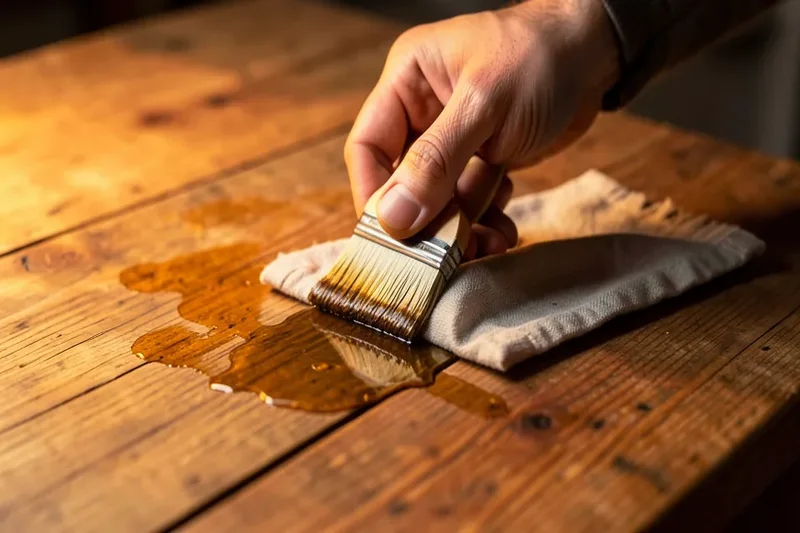
A rag soaked in linseed oil (or tung oil, or any drying oil) generates real heat as it cures, and a crumpled, balled-up oily rag can hold that heat instead of dissipating it. This is a documented, real cause of house and shop fires — not a rare fluke. Never leave an oil-soaked rag balled up in a trash can or on a bench. Lay rags flat outside to dry completely before disposal, or submerge them in a sealed metal container of water. This isn’t a “some people say” caution; it’s printed directly on the safety label of every can of boiled linseed oil sold.
Which One for Your Project
- Want the natural grain to show through with no color change beyond a warm amber tone: linseed oil alone, reapplied periodically.
- Want a specific color (gray, dark walnut, whitewash, etc.): stain, followed by a real topcoat for protection.
- Want both color and deep grain definition: stain first, then an oil or poly topcoat once the stain has dried per the label.
- Cutting boards or anything food-contact: raw linseed oil or food-safe mineral oil only, never boiled linseed oil or stain.
- Outdoor deck or furniture: either can work, but plan on reapplying an oil finish roughly every 1-2 years outdoors, more often than most modern exterior stains.
Frequently Asked Questions
Is linseed oil better than stain?
They do different jobs, so “better” depends on the goal. Linseed oil deepens the natural grain with an amber tint and minimal protection. Stain provides color but no real protection by itself, so it needs a topcoat. Many projects use both together.
What are the disadvantages of using linseed oil on wood?
It ambers the wood more than expected, offers only modest protection on its own, needs periodic reapplication, and boiled linseed oil is not food-safe. Oil-soaked rags are also a real fire risk if balled up instead of laid flat to dry or submerged in water.
Does wood stain protect wood the way a finish does?
No. Stain is a colorant, not a protective film. Wood that’s stained but never topcoated will still absorb water and wear like bare wood. Real protection comes from whatever goes over the stain, such as polyurethane, wax, or an oil finish.
Is it safe to leave a linseed-oil-soaked rag in the trash?
No. A balled-up oily rag can build up enough heat while curing to ignite on its own, a real and documented cause of fires. Lay rags flat outdoors until fully dry, or submerge them in a sealed metal container of water before disposal.
Conclusion
Linseed oil and stain aren’t really rivals: oil is a penetrating finish that deepens grain with minimal protection, and stain is a colorant that needs its own topcoat to protect the wood. Pick oil alone for a natural amber look, stain plus a topcoat for a specific color with real protection, or combine both for color and depth together, and always handle oily rags with real caution.
Sponsored / affiliate links. As an Amazon Associate I earn from qualifying purchases. I may earn additional commission from eligible campaigns.