How Much Is a Japanese Maple Worth: The Ultimate Guide
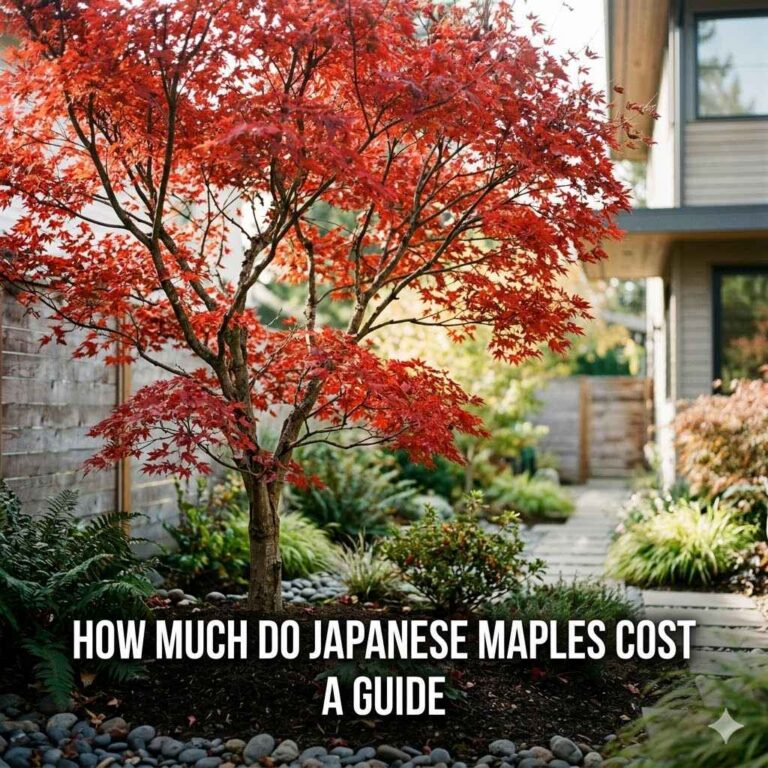
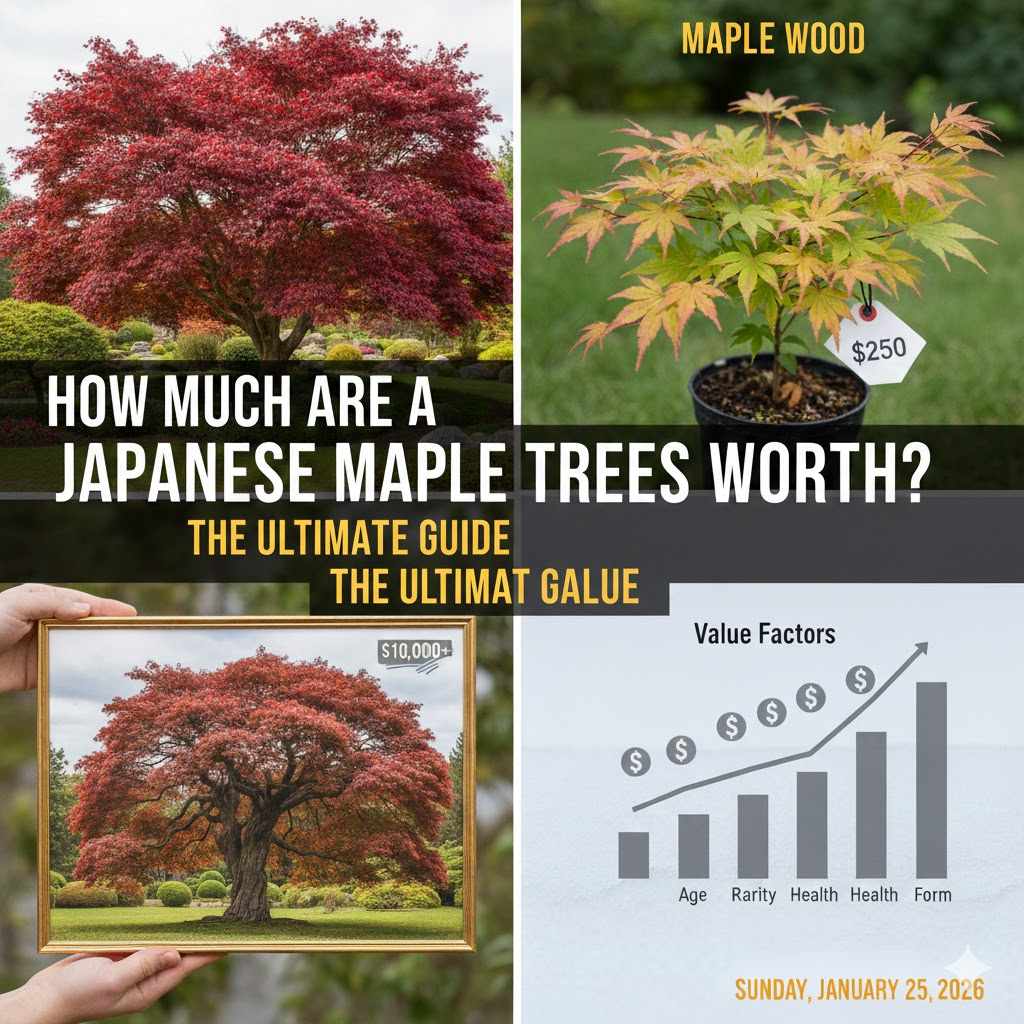
A Japanese Maple can be worth anywhere from $30 for a small sapling to over $10,000 for a very old, rare, and well-sculpted specimen. The final price depends on its age, size, variety, health, and overall shape. Most landscape-ready trees from a nursery will cost between $150 and $800.
Hello, friends! It’s Md Meraj. Have you ever stood back to admire a stunning Japanese Maple? With its delicate leaves and graceful branches, it’s easy to see why these trees are so loved. You might have one in your yard, or maybe you’re thinking of adding one. That often leads to a simple question: what is this beautiful tree actually worth?
Figuring out the value can feel confusing. It’s not like looking up the price of a power tool. A living tree has many things that affect its price tag. But don’t worry! I’m here to walk you through it. Together, we’ll explore everything that gives a Japanese Maple its value, from a tiny seedling to a majestic, mature tree. Let’s dig in and make it simple.
Why Determine the Value of a Japanese Maple?
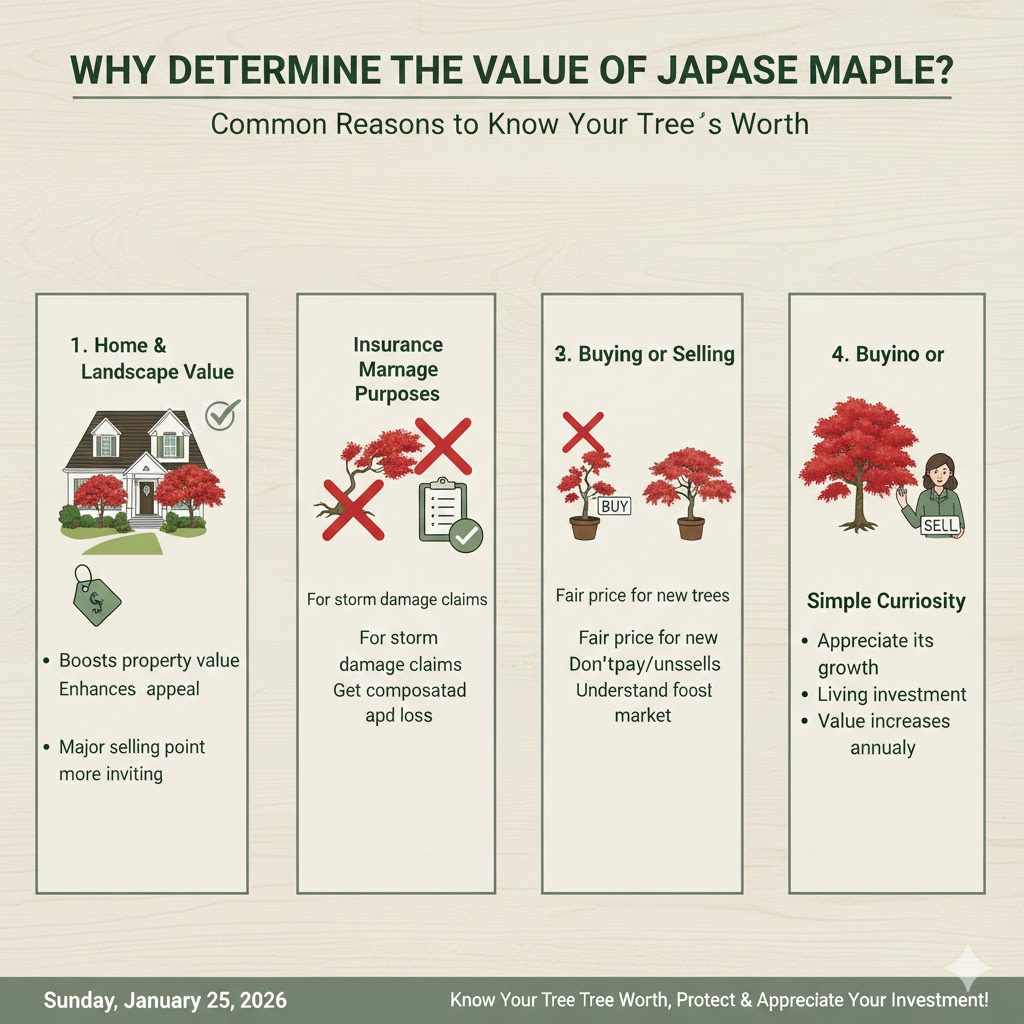
You might be curious about your tree’s value for a few common reasons. It’s not always about selling it. Understanding its worth can be helpful in many situations, whether you’re a homeowner, a gardener, or just planning a project.
- Home & Landscape Value: A healthy, mature Japanese Maple can significantly boost your property’s curb appeal and overall value. Real estate experts agree that mature landscaping is a major selling point.
- Insurance Purposes: If a storm, accident, or vandalism damages or destroys your tree, knowing its value is crucial for an insurance claim. A certified appraisal can help you get properly compensated for your loss.
- Buying or Selling: Of course, if you plan to buy a new tree or sell a mature one from your property, you need a fair price. Understanding the market prevents you from overpaying or underselling.
- Simple Curiosity: Sometimes, you just want to know! Valuing a tree is a way of appreciating the time and care that went into its growth. It’s a living investment that grows more valuable each year.
Key Factors That Influence a Japanese Maple’s Price
Not all Japanese Maples are created equal. Two trees of the same age can have vastly different prices. The value comes down to a combination of several important factors. Let’s break them down one by one.
1. Age and Size
This is the most straightforward factor. Just like with most things, older and larger trees cost more. Why? Because it takes a nursery years, sometimes decades, to grow a tree to a large, landscape-ready size. You are paying for the time, care, water, and expertise that went into its growth.
- Young Saplings (1-3 years old): These are often sold in small 1 to 3-gallon pots. They are the most affordable but will take many years to mature.
- Adolescent Trees (4-10 years old): Found in 5 to 15-gallon pots, these trees have a more established shape and offer more immediate impact in a garden.
- Mature Trees (10+ years old): These are typically sold “balled and burlapped,” meaning their root ball is dug up and wrapped for transport. Their size, called caliper (the trunk diameter), is a key price indicator. A 2-inch caliper tree is much more valuable than a 1-inch one.
2. Variety (Cultivar)
There are over 1,000 different cultivars of Japanese Maple (Acer palmatum), and this is where value can really skyrocket. Some varieties are common and grow quickly, while others are rare, slow-growing, or have unique features that make them highly sought after by collectors.
Here’s a table to show how variety impacts the price range:
| Price Tier | Common Varieties | Characteristics | Typical Price (for a 5-Gallon Tree) |
|---|---|---|---|
| Common & Affordable | ‘Bloodgood’, ‘Emperor I’ | Classic red upright trees, vigorous growers, widely available. | $100 – $200 |
| Mid-Range & Popular | ‘Sango Kaku’ (Coral Bark), ‘Crimson Queen’ (Laceleaf) | Unique features like colorful bark or a weeping habit. Still common but more specialized. | $150 – $300 |
| High-End & Rare | ‘Mikawa yatsubusa’ (Dwarf), ‘Ryusen’ (Weeping), ‘Katsura’ | Rare colors, unusual forms, very slow growth rate, or new to the market. | $250 – $600+ |
Collectors and enthusiasts will pay a premium for a rare cultivar that you can’t find at your local big-box store. For more details on specific types, university resources like the Clemson Cooperative Extension offer great, trustworthy information on different cultivars.
3. Health and Condition
A healthy tree is a valuable tree. No one wants to buy a plant that’s struggling. When assessing a Japanese Maple, look for these signs of good health:
- Strong Trunk and Branches: The trunk should be solid with no cracks, deep wounds, or signs of rot. The branches should be flexible, not brittle.
- Healthy Leaves: The leaves should have vibrant, consistent color for their variety. Watch out for brown, crispy edges, excessive spotting, or signs of pests.
- Good Root System: If the tree is in a container, it shouldn’t be “root-bound,” where the roots are a tangled, dense mat. For a mature tree, the root flare (where the trunk widens at the ground) should be visible.
- No Signs of Disease or Pests: Check for things like powdery mildew (a white film on leaves), aphids, or scale insects.
Any damage or disease will significantly lower the tree’s value, as it represents a risk and potential future cost for the new owner.
4. Form and Shape (Aesthetics)
This factor is more subjective but hugely important, especially for mature trees. A Japanese Maple is often considered a “specimen” tree, meaning it’s a focal point in the landscape. Its artistic form is a major part of its value.
- Branch Structure: A tree with a beautiful, well-spaced, and graceful branch structure is worth more than one with crowded, crossing, or poorly pruned branches. The classic, artistic shape is highly prized.
- Trunk Taper: A trunk that is thick at the base and gradually thins as it goes up is considered ideal and visually appealing.
- Overall Balance: The tree should look balanced and full from all sides. A one-sided tree or one with major gaps will be less valuable.
Think of it like a piece of art. A beautifully sculpted tree that has been expertly pruned over many years is a living masterpiece and will command a very high price.
5. Source (Where You Buy It)
The place you buy your tree from also affects the cost. Each seller has different overhead costs and offers a different level of quality and selection.
- Big-Box Retailers: These stores often have the lowest prices. However, they usually carry only a few common varieties, and the staff may not be tree experts. The quality can be a bit of a gamble.
- Local Nurseries: Your local garden center will likely have a wider selection, including some less common varieties. The staff is usually more knowledgeable, and the trees are often better cared for. Prices will be higher than at a big-box store.
- Specialty Nurseries: These nurseries focus exclusively on Japanese Maples or rare trees. They offer the highest quality, the rarest cultivars, and expertly grown specimens. This is where you’ll find the most expensive and valuable trees.
Average Japanese Maple Prices: What to Expect
So, what can you expect to pay? Prices can vary based on your location and the factors we just discussed. But here is a general guide to help you budget for a new tree or get a rough idea of what a tree in your yard might be worth if it were for sale at a nursery.
| Tree Size / Type | Common Price Range | Who It’s For |
|---|---|---|
| 1-Gallon Sapling (1-3 feet tall) | $30 – $80 | Patient gardeners and those on a tight budget. |
| 5-Gallon Pot (3-5 feet tall) | $100 – $250 | The most common size for home landscaping. A good balance of size and cost. |
| 15-Gallon Pot (5-7 feet tall) | $250 – $600 | Homeowners who want more immediate impact in their garden. |
| Balled & Burlapped (2″+ Trunk Caliper) | $700 – $5,000+ | Serious landscapers, commercial projects, or homeowners wanting a fully mature tree instantly. |
Remember, a rare variety can easily double these prices at any size!
Valuing a Mature, Established Japanese Maple in Your Yard
Estimating the value of a mature tree already growing in your landscape is a different process. You can’t just look up a price tag. Professional arborists and landscapers use specific methods to appraise trees. While getting an official appraisal requires hiring a certified professional, you can get a rough idea on your own.
Here’s a simplified approach to think about its value:
- Determine the Replacement Cost: First, find out how much it would cost to buy and install the largest available Japanese Maple of the same variety from a nursery. This could be a tree with a 3-4 inch caliper trunk, which might cost $2,000 to $5,000 or more, including professional installation. This is your baseline value.
- Assess the Tree’s Condition: Now, adjust that baseline value based on your tree’s health and form. Rate your tree on a scale. Is it in perfect health (100%)? Or does it have some dead branches or a weak side (maybe 70% condition)? Be honest.
- Consider its Location: Where is the tree planted? A tree that is a perfect focal point for the front of your house has a higher value than the same tree hidden in a back corner. A tree that provides essential shade over a patio also has added functional value.
- Species Rating: Japanese Maples are highly desirable trees, so they generally have a high species rating. They are not weedy or short-lived.
A professional from an organization like the International Society of Arboriculture (ISA) can perform a formal appraisal for insurance or legal purposes, which is the most accurate method.
Can You Sell a Mature Japanese Maple?
Yes, you can, but it’s not as easy as it sounds. Selling a large, established tree is a complex and expensive process. It involves specialists known as tree movers or tree spades who use heavy equipment to carefully excavate the root ball, transport the tree, and replant it.
Here are the pros and cons to consider:
Pros of Selling a Mature Tree:
- High Potential Payout: An exceptionally beautiful and rare specimen could fetch thousands of dollars.
- New Space for Projects: Removing the tree frees up space for a new deck, garden, or home addition.
Cons of Selling a Mature Tree:
- High Moving Costs: The cost to professionally move a large tree can be $1,000 to $5,000+, which often eats into or exceeds the tree’s sale price.
- Risk of Tree Loss: Even with professional care, there is always a risk that the tree will not survive the transplant due to shock.
- Finding a Buyer: You need to find a buyer (often a landscape designer or wealthy homeowner) willing to pay for both the tree and the moving service.
- Damage to Your Property: Heavy equipment will need access to your yard, which can damage lawns, sprinkler systems, and other plants.
For most homeowners, selling a mature tree is not practical unless it is a truly exceptional specimen and a buyer is willing to cover all associated costs.
Beyond Monetary Value: The True Worth of a Japanese Maple
Friends, we’ve talked a lot about dollars and cents. But the true worth of a Japanese Maple in your yard goes far beyond a price tag. Think about the joy it brings.
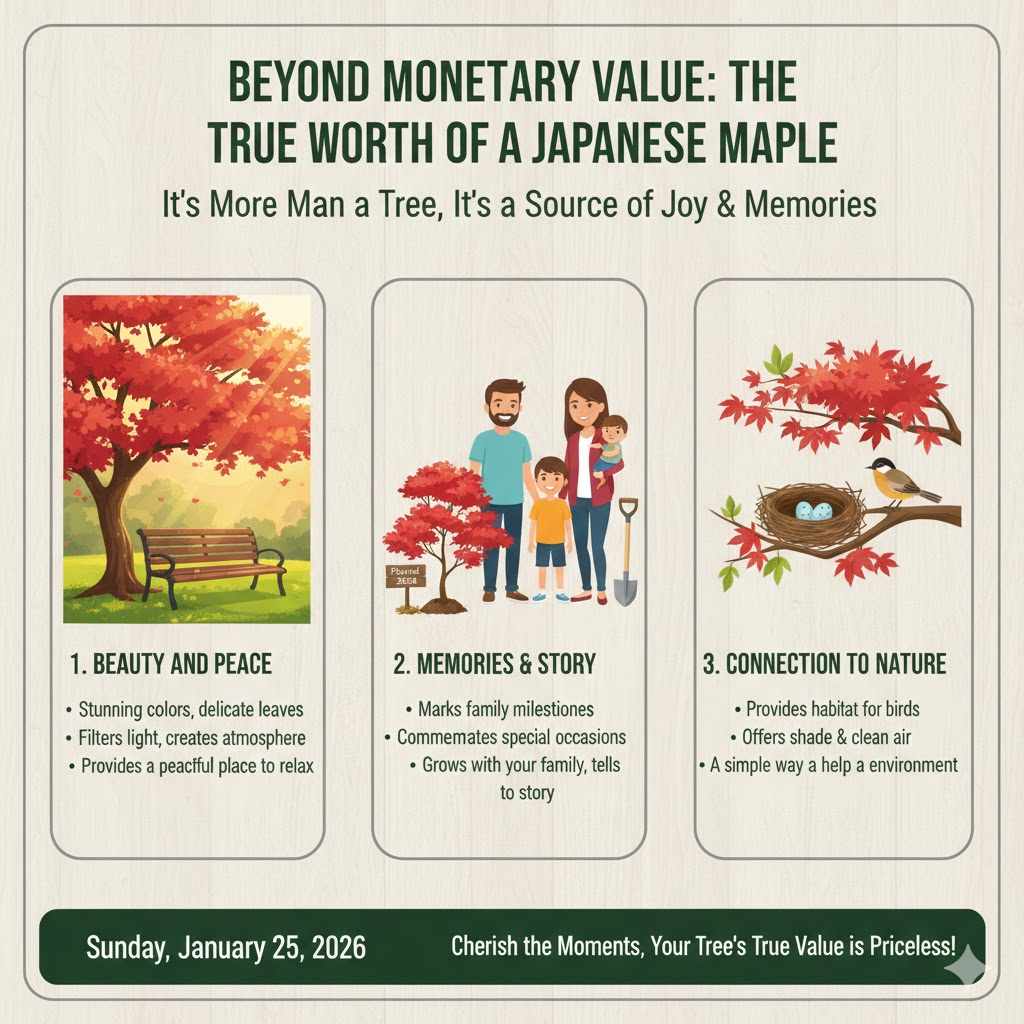
- Beauty and Peace: The way the light filters through its leaves, the brilliant colors in the fall, the quiet grace it brings to your garden—these are things money can’t buy. It provides a peaceful place to sit and relax.
- Memories: Maybe you planted it when your kids were born or to remember a special occasion. Trees become part of our family’s story, marking the passage of time.
- Connection to Nature: Tending to a tree connects us to the natural world. It provides shade for us and a home for birds. It’s a small but powerful way to improve our environment.
This personal value is often the most important. A healthy, beautiful tree that you love is, in many ways, priceless.
Frequently Asked Questions (FAQ)
What is the most expensive type of Japanese Maple?
Rare and slow-growing cultivars are typically the most expensive. Varieties like ‘Mikawa yatsubusa’ are highly prized for their compact, dense form, and ancient, sculpted specimens used for bonsai can be worth tens of thousands of dollars.
Does a Japanese Maple add value to a home?
Absolutely. A mature, well-placed, and healthy Japanese Maple can significantly increase a home’s curb appeal, which can translate to a higher property value. It suggests a well-cared-for home and a beautiful, established landscape that new buyers won’t have to create from scratch.
How can I get my mature Japanese Maple officially appraised?
To get a formal appraisal for insurance or legal reasons, you should hire a certified arborist. Look for a professional with credentials from the International Society of Arboriculture (ISA) or the American Society of Consulting Arborists (ASCA).
Is it hard to move a mature Japanese Maple?
Yes, it is very difficult and risky. Moving a mature tree requires specialized equipment (like a tree spade) and expertise to excavate a large enough root ball without killing the tree. It is not a DIY project and is very expensive to have done professionally.
Why are some small Japanese Maples so expensive?
A small tree can be expensive if it is a very rare or new cultivar. These varieties are often difficult to graft and grow very slowly, so the nursery has invested a lot of time and effort into producing even a small plant. You are paying for its rarity and unique genetics.
Can I grow a valuable Japanese Maple from a seed?
You can grow a Japanese Maple from a seed, but it likely won’t be a valuable named cultivar. Seeds from a cultivar like ‘Bloodgood’ will not grow “true to type,” meaning the new tree will be a generic Japanese Maple, not another ‘Bloodgood.’ Valuable cultivars are created through grafting, which is a skilled technique of joining a branch from the desired tree onto a standard rootstock.
Conclusion
So, how much is a Japanese Maple worth? As you can see, the answer is “it depends!” The price is a puzzle with many pieces: its age, size, variety, health, and artistry all play a crucial role. For a small tree at a nursery, you might pay a hundred dollars. For a majestic, decades-old specimen in a landscape, the value could be in the thousands.
But I hope you also see that its value goes beyond a number. It’s an investment in beauty, a piece of living art, and a part of your home’s story. Whether you are buying your first little sapling or enjoying a mature tree that has stood for generations, take a moment to appreciate its true worth. Happy planting, and take care of those beautiful trees!