Ash Tree Cost in 2026: Buying, Treatment, and Removal Prices
A small ash tree costs $50 to $150 to buy, a mature one can run $300 to $700 or more, and professional planting adds another $100 to $700 on top of that. But in 2026, the purchase price is rarely the number that matters most. Emerald ash borer (EAB) has killed hundreds of millions of ash trees across North America, and in most infested regions arborists now advise against planting new ash at all. If you already have one, the real costs to plan for are usually what comes after the purchase: $120 to $520 to treat it against EAB, or $450 to $2,500+ to remove it if treatment isn’t worth it or comes too late. This guide walks through what each of those actually costs and how to decide which one applies to you.
Quick Answer
Buying and planting a new ash tree runs $150-$1,200 depending on size and labor. Treating an existing ash against emerald ash borer costs $120-$520 upfront plus $60-$180 a year to keep it protected. Removing a dead or dying ash costs $450-$2,500+, often more than removing a healthy tree of the same size, because a brittle, borer-killed trunk usually needs a crane or bucket truck instead of a climber.
Why Emerald Ash Borer Changes the Ash Tree Cost Question
Emerald ash borer is a metallic-green beetle that arrived from Asia in the early 2000s and has since spread to more than three dozen states and several Canadian provinces. Its larvae tunnel under the bark and cut off the tree’s ability to move water and nutrients, and once a tree is infested, it typically dies within three to five years without treatment. Some cities have lost nearly all of their unprotected street ash to it. That single fact reshapes almost every cost decision below: a nursery price tag is only meaningful once you’ve decided whether planting ash still makes sense in your area, and for most homeowners in EAB-affected regions, the honest answer from extension foresters is to plant a different species instead and reserve ash-specific spending for protecting or removing the trees you already have.
If you already own a mature, otherwise-healthy ash you don’t want to lose, treatment is usually the first cost to budget for, not removal. A soil-drench or trunk-injection product applied on schedule can protect a tree for years, which is a lot cheaper than replacing a 40-year-old shade tree.
Best DIY EAB Treatment Pick
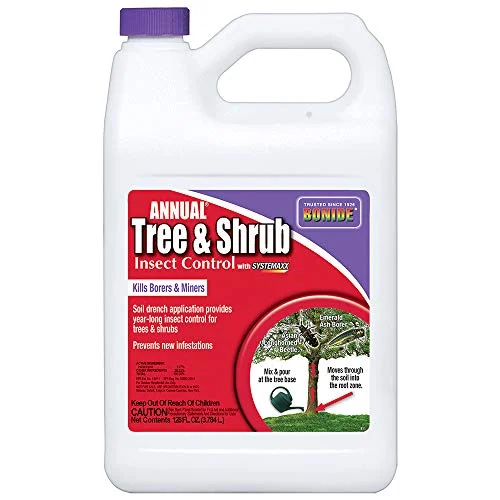 |
Bonide Annual Tree & Shrub Insect Control, 128 oz – $34.69 A soil-drench imidacloprid concentrate you mix and pour at the base of the trunk yourself, cheaper per-tree than most professional treatments if you’re protecting one or two ash trees.
|
Cost to Buy and Plant an Ash Tree, by Size
If you’ve confirmed ash is still a reasonable choice where you live, or you’re pricing out replacing one you already lost, here’s the typical range by size. These are nursery prices for the tree itself; add labor if you want it planted professionally rather than doing it yourself.
| Tree Size | Typical Height | Tree Price | Professional Planting |
|---|---|---|---|
| Small / young | Under 10 ft | $50 – $150 | $125 – $300 |
| Medium | 10 – 20 ft | $150 – $500 | $200 – $700 |
| Large / mature | 20 ft and up | $500 – $2,000+ | $400 – $1,300 |
A few things move the price inside those ranges. Caliper (trunk diameter) matters more than height for larger nursery stock, since a wide-trunk tree took longer to grow and survives transplant shock better. Delivery adds $40 to $150 depending on distance and tree size. Spring is peak buying season, so nurseries often charge more then; fall planting is both cheaper and generally easier on the tree, since it isn’t fighting summer heat while its roots re-establish. Soil amendments, mulch, and a season or two of extra watering (via a soaker hose or temporary irrigation bag) typically add another $30 to $80.
Cost to Treat an Existing Ash Tree for EAB
Two treatment methods dominate the market, and they land in different price ranges because they trade cost for how long the protection lasts:
- Soil drench (imidacloprid): mixed with water and poured around the base of the trunk, absorbed through the roots. Runs $50 to $150 per tree per year professionally applied, or well under $40 in product cost if you do it yourself on a smaller tree. Protection lasts about one year, so it’s an annual task.
- Trunk injection (emamectin benzoate): injected directly into the trunk by a certified applicator using a specialized tool. Costs $150 to $500+ per tree but lasts two to three years per treatment, and is considered more reliable on large, mature trunks where a soil drench may not move through the root system fast enough to keep up with an active infestation.
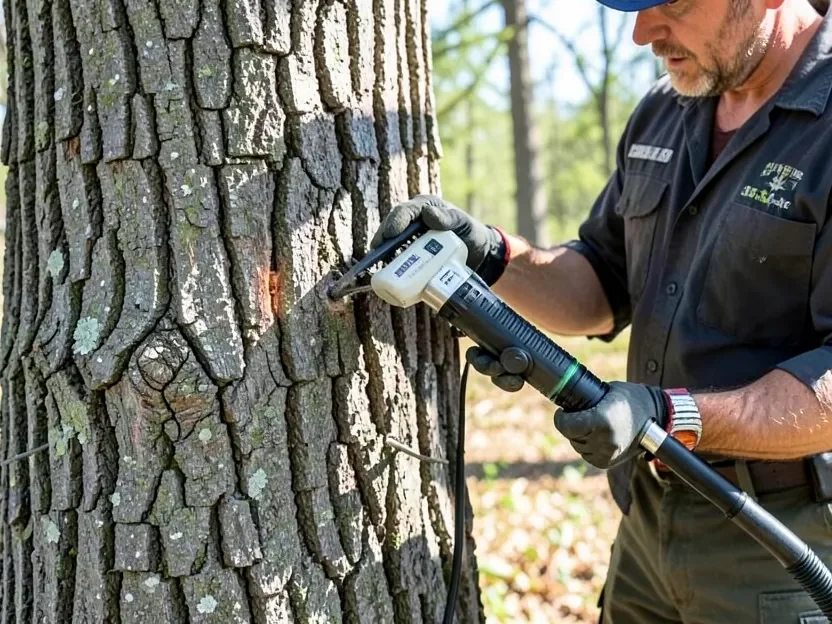
Initial treatment for a single tree typically totals $120 to $520 once you factor in the applicator’s visit, and ongoing annual upkeep runs roughly $60 to $180 a year after that. Pricing also varies by region: labor tends to run higher in the urban Northeast ($180-$350 per tree initially) than in the rural Southwest ($120-$260), with the Midwest falling in between. Treating a tree only makes sense before it’s heavily infested – once a mature ash has lost more than about 30-50% of its canopy to EAB, most arborists will tell you it’s past the point where treatment reliably saves it, and removal becomes the more realistic plan.
Cost to Remove a Dead or Dying Ash Tree
Removal is where EAB adds a cost most guides don’t mention: a borer-killed ash is more expensive to take down than a healthy tree of the same size. Dead ash wood dries out and turns brittle within a year or two, and a crew that would normally climb and hand-lower sections from a live tree often won’t climb a dead one at all – the branches can snap without warning. That usually means bringing in a crane or bucket truck instead, which adds real cost to the job.
| Tree Size | Typical Removal Cost |
|---|---|
| Small (under 30 ft) | $250 – $550 |
| Medium (30-60 ft) | $450 – $1,300 |
| Large / mature (70+ ft, or dead & brittle) | $2,000 – $3,600+ |
Most homeowners land in the $900-$1,300 range for an average-sized ash. Stump grinding is billed separately, usually $200 to $300 per stump, and isn’t always included in a removal quote by default – ask before you book. If the tree is dead and close to a house, power line, or fence, get quotes from at least two insured arborists; a standing dead ash near a structure is exactly the situation where cutting corners on equipment or insurance turns into a much bigger bill later.
Should You Treat, Remove, or Replace? A Simple Cost Framework
Extension foresters generally frame this as a canopy-health question, and it’s a useful way to run the numbers yourself before calling anyone out for a quote:
- Canopy still mostly full (under ~30% loss): treatment is usually the better value. A few hundred dollars in trunk injections spread over several years costs far less than removing and replacing a mature shade tree, and you keep the shade, property value, and years of growth the tree already has.
- Canopy 30-50% thinned: a judgment call. Treatment can still work, but ask the applicator for an honest read on the tree’s odds before paying – some will tell you plainly if it’s a borderline case not worth the money.
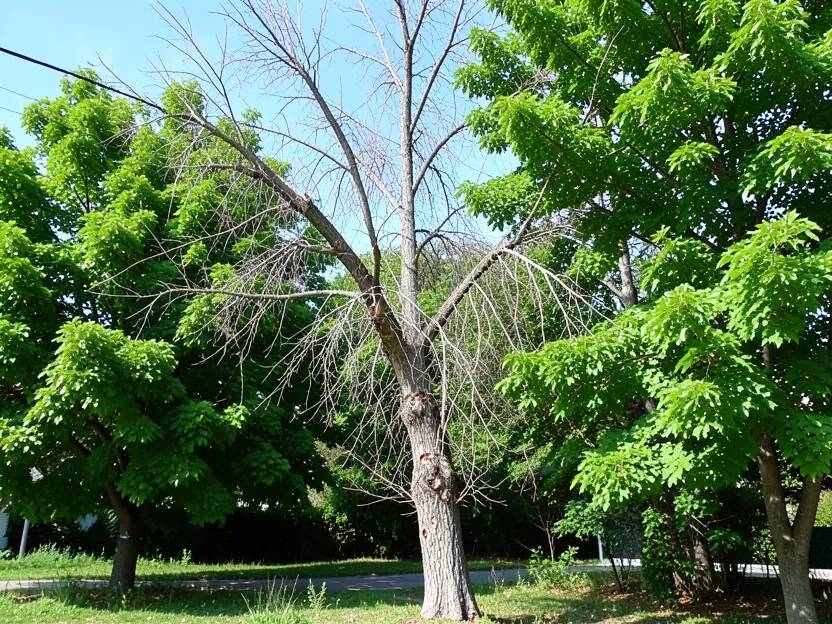
- Canopy over 50% gone, or large dead sections: removal is almost always the more realistic plan at this point. Treatment rarely reverses that much dieback, and a heavily infested dead ash only gets more brittle, and more expensive to remove safely, the longer it’s left standing.
If you do end up removing a mature ash, replacing it with a species that isn’t vulnerable to EAB – oak, hackberry, or a disease-resistant elm cultivar are common recommendations from local extension offices – means you won’t be back in this same decision again in a decade.
Where to Buy an Ash Tree, If You Still Want One
Some areas remain outside the current EAB range, or a local extension office may say ash is still a reasonable planting choice for your specific situation – if that’s you, local nurseries typically beat big-box garden centers on tree health and post-purchase advice, even when the sticker price is similar. Buying in fall rather than spring, buying bare-root or a smaller caliper tree instead of a large balled-and-burlapped one, and asking about end-of-season discounts can meaningfully cut the price without changing the tree you end up with. If you’re shopping for ash lumber for a project rather than a living tree, that’s a different market entirely with its own pricing – see our guide to ash wood cost for board-foot and slab pricing instead.
Frequently Asked Questions
How Much Does an Ash Tree Cost to Buy and Plant?
A small ash tree costs $50 to $150, a medium one $150 to $500, and a large mature tree $500 to $2,000 or more. Professional planting adds another $125 to $1,300 depending on size, so a fully planted small tree might total $175-$450 while a large one can run well over $1,500 once labor is included.
How Much Does It Cost to Treat an Ash Tree for Emerald Ash Borer?
Initial treatment typically costs $120 to $520 per tree, with ongoing annual costs of $60 to $180 to keep protection current. Trunk injection lasts two to three years per treatment and costs more upfront than an annual soil drench, but usually costs less over several years since it’s applied less often.
Why Is It More Expensive to Remove a Dead Ash Tree Than a Healthy One?
Dead, borer-killed ash wood becomes brittle within a year or two, and branches can snap without warning. Many tree services won’t climb a dead ash and instead remove it with a crane or bucket truck, which costs more than the climb-and-lower method used on a healthy tree of the same size.
Should I Plant a New Ash Tree in 2026?
In most regions where emerald ash borer is established, extension foresters recommend against planting new ash trees, since young trees face the same infestation risk as mature ones without years of growth to show for it first. Check with a local extension office or certified arborist for your specific area before buying, and consider a non-host species like oak or hackberry instead.
The nursery price is never the whole story with ash trees anymore. Whether you’re planting, protecting, or removing one, run the numbers on what comes next before you spend on what comes first – it’s usually the bigger line item.
Sponsored / affiliate links. As an Amazon Associate I earn from qualifying purchases. I may earn additional commission from eligible campaigns.