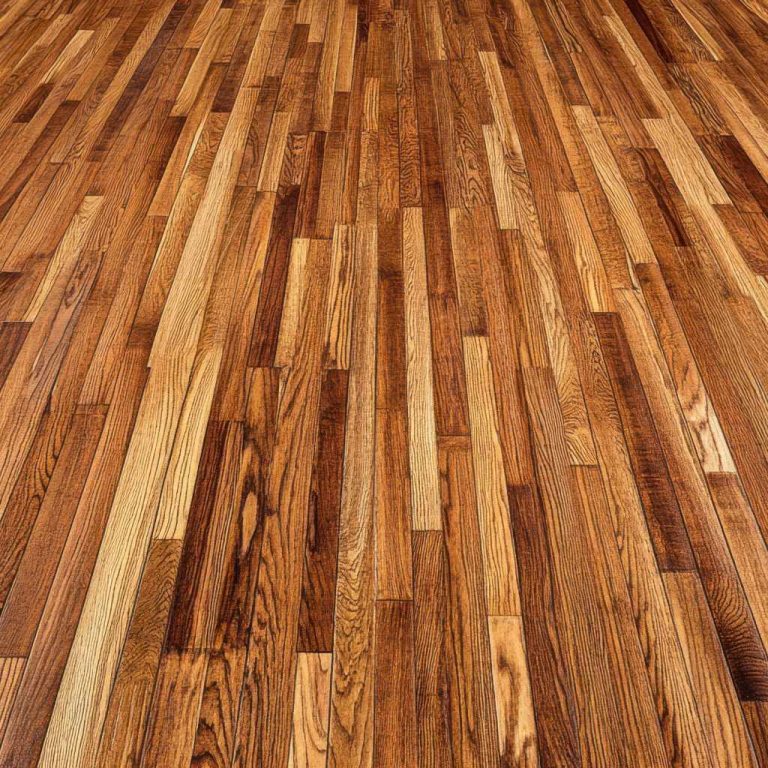
How Much is Hardwood Floors: Unveiling Costs & Value
Hardwood floors can range in price depending on various factors such as the type of wood, quality, and installation method. The cost of hardwood floors can start as low as $1 per square foot for unfinished options, while pre-finished hardwood floors can range from $2 to $15 per square foot.
Additionally, the cost of installation can vary, with labor costs typically ranging from $3 to $8 per square foot. Overall, the total cost for hardwood floors, including materials and installation, can range from $5 to $30 per square foot. When considering hardwood floors, it’s important to weigh the benefits and long-term value it can add to your home.
Despite the initial investment, hardwood floors can increase the resale value of your property and provide a timeless and durable flooring option.
Intro To Hardwood Flooring Costs
When considering hardwood flooring costs, it’s essential to weigh the initial investment against the long-term value it provides.
Initial Investment Vs. Long-term Value
Hardwood floors have a higher upfront cost but offer lasting value over time.
Comparing Hardwood To Other Flooring Options
- Carpet vs. Hardwood Floors: Cost, Resale Value, Maintenance
- Hardwood floors worth the money for long-term home value
Factors Affecting Hardwood Floor Pricing
When considering hardwood flooring, it’s essential to understand the various factors that influence the overall cost. By examining these factors, homeowners can make informed decisions and select the most suitable hardwood flooring for their needs. Let’s explore the key elements that impact hardwood floor pricing.
Species Of Wood And Their Prices
One of the primary factors influencing hardwood floor pricing is the species of wood used. Different wood species vary in price due to factors such as availability, durability, and aesthetic appeal. For instance, exotic hardwoods like Brazilian Cherry and Tigerwood tend to be more expensive compared to domestic species such as Oak and Maple.
Pre-finished Vs. Unfinished Hardwood Costs
Another crucial aspect affecting the cost of hardwood flooring is whether the planks are pre-finished or unfinished. Pre-finished hardwood comes with a factory-applied finish, which can result in higher initial costs but may lead to long-term savings due to reduced installation time and labor expenses. On the other hand, unfinished hardwood provides more flexibility for customizing the finish but may involve additional costs for finishing and sealing the floors on-site.
Average Cost Range For Hardwood Floors
Explore the average cost range for hardwood floors in Austin, Texas. Prices vary, with options like White Oak Solid Hardwood starting at $31. 62 per square foot and Acacia Solid Hardwood flooring priced around $178. 89 per square foot. Labor costs and additional expenses should also be factored in when budgeting for hardwood floors.
Per Square Foot Pricing
When it comes to hardwood flooring, the cost can vary greatly depending on a number of factors. One of the most important factors that determines the cost of hardwood flooring is the price per square foot. On average, homeowners can expect to pay anywhere from $3 to $14 per square foot for hardwood flooring installation, with the national average falling around $8 per square foot. However, keep in mind that this price can vary depending on the type of hardwood flooring you choose, the complexity of the installation process, and your location.
Room Size And Its Impact On Total Cost
The size of the room you want to install hardwood flooring in can also have a significant impact on the overall cost. Generally speaking, larger rooms will require more materials and more time to install, which can drive up the overall cost. Additionally, if you have a room with an irregular shape or lots of nooks and crannies, this can also add to the complexity of the installation process, which can lead to a higher cost.
If you’re looking to save money on your hardwood flooring installation, one option is to focus on smaller rooms first, or to start with a single room and gradually work your way through your home. This can help you spread out the cost of the installation process over time, rather than having to pay for everything all at once.
In conclusion, when it comes to the cost of hardwood flooring, there are a number of factors that can impact the overall price. By understanding these factors, you can make an informed decision about whether hardwood flooring is the right choice for your home and budget.
Labor Costs Breakdown
The breakdown of labor costs for hardwood floor installation varies based on factors such as the size of the space and the complexity of the job. Typically, the cost of installing hardwood floors ranges from $6 to $12 per square foot.
Additional costs may include the removal of existing flooring and subfloor preparation.
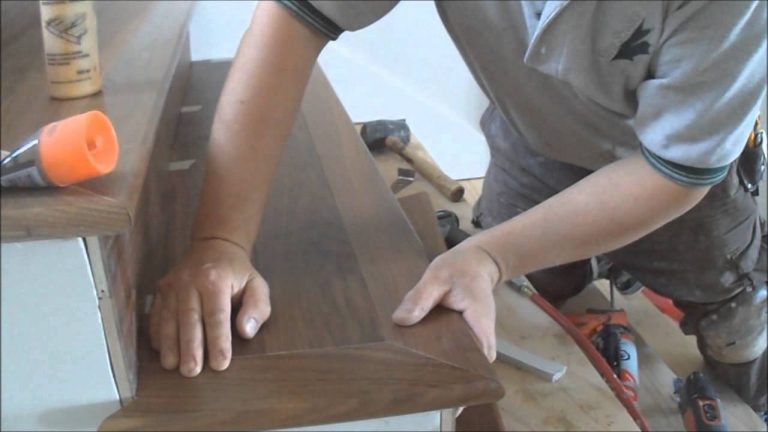
DIY Vs. Professional Installation
When it comes to installing hardwood floors, you have two options: doing it yourself (DIY) or hiring a professional. Each option has its advantages and considerations.
DIY Installation:
- Cost savings: DIY installation can save you money as you won’t have to pay for labor costs.
- Sense of accomplishment: Installing hardwood floors on your own can give you a sense of pride and accomplishment.
- Flexibility: You can work at your own pace and schedule the installation based on your availability.
Professional Installation:
- Expertise: Professional installers have the experience and skills to ensure a proper and efficient installation.
- Time-saving: Hiring professionals can save you time and effort, as they will handle all aspects of the installation.
- Warranty: Many professional installers offer warranties on their work, providing you with peace of mind.
Geographical Variations In Labor Pricing
The cost of labor for hardwood floor installation can vary depending on your geographical location. Here is a breakdown of the average labor costs in different regions:
| Region | Average Labor Cost per Square Foot |
|---|---|
| Austin, Texas, United States | $2.69 |
| USA Average | $3.99 |
Please note that these are just average labor costs and can vary based on factors such as the complexity of the installation, the type of hardwood flooring, and the specific contractor you choose.
It’s important to research and gather multiple quotes from local contractors to get a better understanding of the labor costs in your area. This will help you make an informed decision and ensure you get the best value for your money.
Additional Expenses To Consider
When budgeting for hardwood floors, it’s important to consider the additional expenses that may arise. Beyond the cost of the hardwood itself, there are various other factors to take into account. From subfloor preparation to the removal of existing flooring, these additional expenses can impact the overall cost of your hardwood floor installation.
Subfloor Preparation
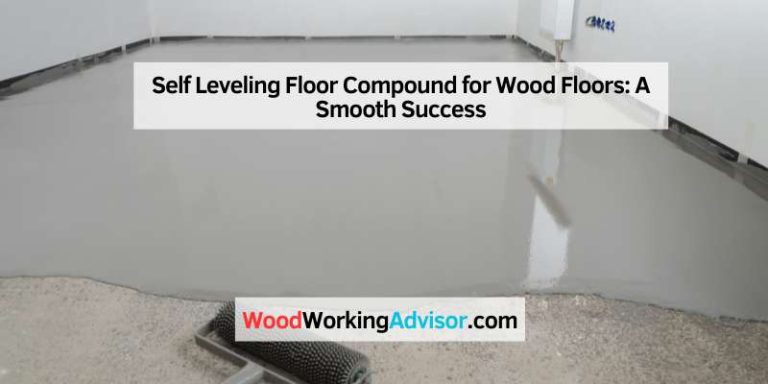
Before installing hardwood floors, it’s essential to ensure that the subfloor is in suitable condition. This may involve repairing any damage, leveling uneven areas, or adding a moisture barrier. Subfloor preparation is crucial to ensure the longevity and performance of your hardwood floors.
Removal Of Existing Flooring
If there is existing flooring in the installation area, such as carpet, tile, or laminate, it will need to be removed before the hardwood floors can be installed. The cost of removing the old flooring, along with any necessary disposal fees, should be factored into your overall budget for hardwood floor installation.
Cost Analysis: Solid Vs. Engineered Hardwood
When considering hardwood flooring, it’s crucial to weigh the cost implications of solid hardwood versus engineered hardwood. Let’s delve into the cost analysis and explore the pros and cons of each to make an informed decision.
Pros And Cons Of Solid Hardwood
Solid hardwood flooring offers timeless elegance and exceptional durability. However, it comes with some drawbacks to consider:
- Pros:
- Natural, authentic look
- Durable and can be refinished multiple times
- Potential to add value to the home
- Cons:
- Prone to moisture damage
- More susceptible to temperature and humidity changes
- Installation costs can be higher
Pros And Cons Of Engineered Hardwood
Engineered hardwood presents a cost-effective and versatile flooring option, but it also has its own set of advantages and disadvantages:
- Pros:
- Greater resistance to moisture and temperature fluctuations
- More cost-effective than solid hardwood
- Wide variety of installation options
- Cons:
- Limited number of refinishing opportunities
- May not add as much value to the home
- Potential for off-gassing due to adhesives used in construction
Calculating The Total Price
Calculating the total price of hardwood floors involves factoring in the cost of the flooring material, installation labor, and any additional expenses. Prices vary based on the type of wood, quality, and square footage required, with hardwood floors typically costing more upfront but offering long-term value and durability.
Hardwood Flooring Cost Calculators
Calculating the total price of hardwood floors involves various factors. To get an accurate estimate, use hardwood flooring cost calculators available online. These tools consider wood type, square footage, installation method, and additional costs.
Estimating The Final Investment
When estimating the final investment for hardwood floors, consider the cost of the hardwood planks, installation labor, underlayment, and any additional materials needed. Don’t forget to account for waste factor, delivery fees, and potential extra expenses.
Factors Affecting Cost:
– Wood Type
– Square Footage
– Installation Method
– Additional Materials
Cost Breakdown:
1. Hardwood Planks: $X per square foot
2. Installation Labor: $X per square foot
3. Underlayment: $X per square foot
4. Additional Materials: $X per square foot
Total Estimated Cost:
– Subtotal: $X
– Waste Factor: $X
– Delivery Fees: $X
– Extra Expenses: $X
Consider these factors when estimating the total investment for your hardwood floors. Use online calculators for a more precise cost breakdown.
Value Addition And Resale Impact
When considering hardwood floors for your home, it is essential to understand the value addition and resale impact they can have. Hardwood floors are a timeless and popular choice that can significantly increase the overall value of your home.
Hardwood Floors And Home Resale Value
Hardwood floors can boost the resale value of your home, attracting more potential buyers and setting your property apart in the competitive real estate market.
Durability And Maintenance Considerations
Hardwood floors are durable and require minimal maintenance, making them a practical and long-lasting flooring option for homeowners.
Making The Decision: Is Hardwood Worth It?
When considering investing in hardwood floors, one of the key questions that often arises is whether the cost justifies the benefits. Hardwood flooring is renowned for its timeless appeal and durability, but is the price tag worth it in the long run?
Comparing Longevity And Aesthetics
Hardwood floors are not only aesthetically pleasing but also long-lasting. With proper care, hardwood floors can easily last for decades, maintaining their beauty and adding value to your home. In comparison, other flooring options may require more frequent replacement due to wear and tear.
Final Thoughts On Hardwood Flooring Investments
While the initial cost of hardwood floors may be higher than other flooring options, the long-term benefits far outweigh the investment. Hardwood floors not only enhance the aesthetics of your home but also increase its resale value. The timeless elegance and durability of hardwood make it a worthwhile investment for homeowners looking to elevate their living space.
Frequently Asked Questions
How Much Is 1000 Square Feet Of Hardwood Flooring?
The cost of 1000 square feet of hardwood flooring can vary depending on the type and quality of the wood. Prices range from $1. 00 to $856. 80, with options available at Home Depot, Lowe’s, Floor and Decor, and other retailers.
It’s important to consider additional costs such as installation labor and any necessary accessories.
How Much Is 500 Square Feet Of Hardwood Flooring?
The cost of 500 square feet of hardwood flooring can vary depending on the type of wood, quality, and installation method. On average, it can range from $2,500 to $7,500. Prices can be as low as $1 per square foot for unfinished pine, up to $20 per square foot for exotic or high-end woods.
It’s best to get quotes from different suppliers and contractors for the most accurate estimate.
Is Wood Floor Cheaper Than Carpet?
Yes, wood floors are generally cheaper than carpet in the long run due to their durability and longevity.
Are Hardwood Floors Worth The Money?
Hardwood floors are worth the investment due to their long-term value and durability compared to other flooring options.
Conclusion
The cost of hardwood floors can vary depending on factors such as the type of wood, installation labor, and additional expenses. While hardwood flooring may require a larger upfront investment, it offers long-term value to a home and can enhance its overall appeal.
It is important to consider the advantages and additional costs associated with hardwood floors before making a decision. Ultimately, the decision should be based on your budget and preferences.