Can You Buff Hardwood Floors Without Refinishing?
Yes – if the finish is only dulled or lightly scuffed at the surface, not worn through to bare wood, and the floor has never been treated with wax. That third condition is the one most guides skip, and it’s the difference between a buffing job that bonds perfectly and one that ends up hazy or peeling within weeks.
Buffing (Screen-And-Recoat) Vs. Refinishing
Easiest DIY Option (No Buffer Needed)
 |
Rejuvenate Wood Floor Restorer, 32 oz – $20 A mop-on polymer coating that fills light scratches and restores sheen without a buffer machine – the simplest option if you don’t want to rent equipment or hire a pro.
|
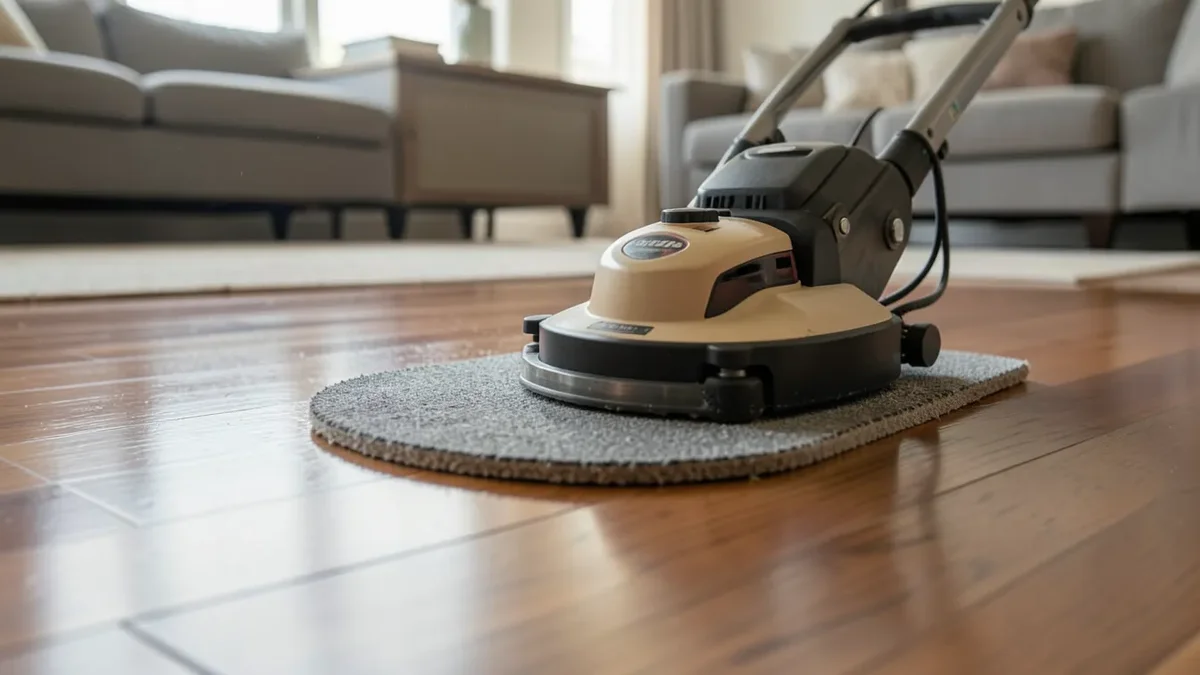
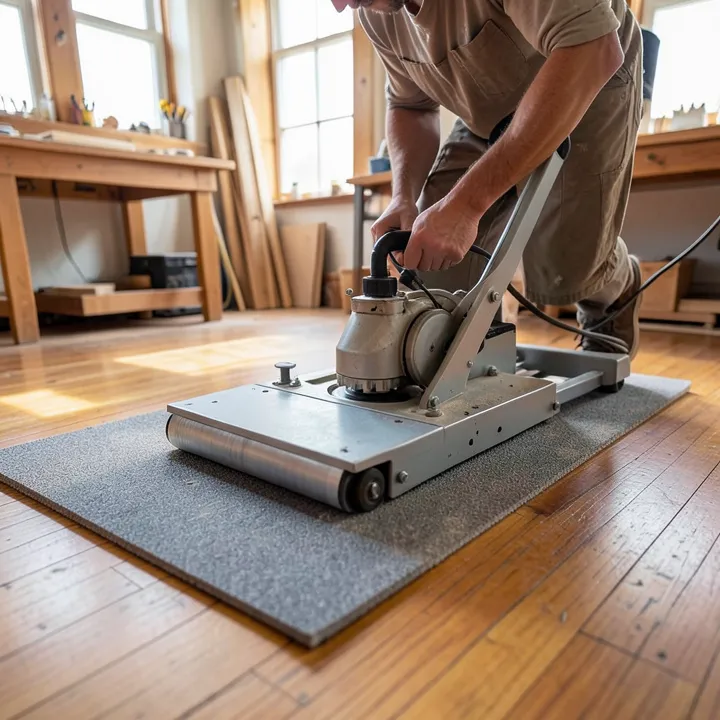
Refinishing sands the floor down to bare wood to remove deep scratches, stains, and worn spots, then applies new stain and multiple coats of finish. Buffing – the professional term is screen-and-recoat – skips the sanding entirely. A floor buffer fitted with an abrasive screen pad lightly scuffs the top of the existing finish so a fresh coat of polyurethane has something to grip, then one or two new coats go on over what’s already there. It’s faster, dustier only in a minor way compared to full sanding, and considerably cheaper since there’s no bare-wood restoration involved.
The Test Most Guides Skip: Check For Wax First
Polyurethane will not bond to a floor that has ever been treated with a paste wax or an oil-soap wax polish – the new coat sits on top of the wax layer instead of adhering to the old finish, and it can turn cloudy, streaky, or peel within days. This matters because many older floors were waxed at some point even if the current owner never did it themselves.
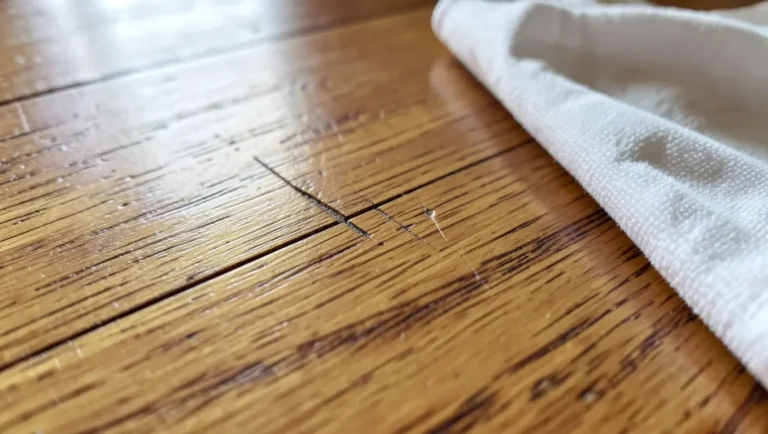
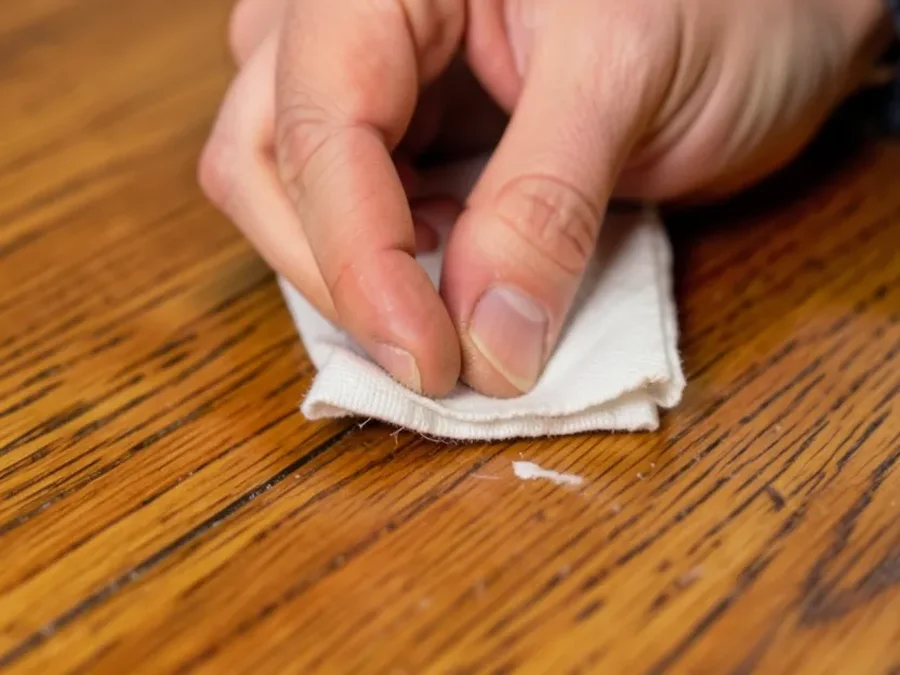
Test before you commit: in an inconspicuous spot, rub a small amount of mineral spirits on a white cloth over the floor. If the cloth picks up a waxy, slightly gummy residue, or the spot turns cloudy, the floor has wax on it and needs a wax-stripping pass (or full refinishing) before any recoat will hold. If the cloth comes away with only a bit of dirt and no waxy film, you’re clear to buff and recoat.
When Buffing Isn’t Enough
Buffing only addresses the top of the existing finish, so it can’t fix anything below that layer. Skip straight to refinishing if you see: scratches deep enough to catch a fingernail, gray or black water-stain discoloration (a sign moisture reached the wood itself), bare or worn-through patches near doorways and high-traffic paths, or gaps and cupping between boards. If you’re not sure how many refinishing cycles a floor has left in it before buffing stops being an option, our guide on how many times you can refinish wood floors covers how to judge remaining wear layer.
The Screen-And-Recoat Process, Step By Step
- Clear the room and remove floor vents, shoe molding, or anything the buffer could catch on.
- Run the wax test above in a few spots around the room, not just one, since wax may have been applied unevenly over the floor’s history.
- Clean the floor thoroughly – any dirt, grease, or furniture polish left on the surface gets sealed under the new coat if it isn’t removed first.
- Buff the entire floor with an abrasive screen pad (120 to 150 grit is typical), working with the grain, until the existing finish looks uniformly dull rather than glossy in spots.
- Vacuum thoroughly, then wipe with a tack cloth to pick up fine dust the vacuum misses – dust trapped under the new coat shows up as visible grit once it dries.
- Apply one to two thin, even coats of compatible finish (oil-based over oil-based, water-based over water-based – mixing types is its own bonding problem), allowing full dry time between coats.
DIY, Rental, Or Pro?
A floor buffer rents for roughly $50 to $80 a day at most hardware or equipment rental stores, plus the cost of screen pads and finish – a realistic total DIY cost for an average room is well under $150. Hiring a professional for a screen-and-recoat typically runs $1 to $2 per square foot, several times the DIY cost, but professionals bring experience judging finish compatibility and even coat application that’s easy to get wrong on a first attempt. If your test shows no wax and the floor is only surface-dull, a rented buffer and a weekend is a reasonable DIY project; if you’re unsure about the finish history or the floor sees heavy daily traffic, the more forgiving choice is paying a pro once rather than redoing a bad DIY recoat.
Frequently Asked Questions
Can you buff hardwood floors without refinishing?
Yes, as long as the existing finish is only surface-dull or lightly scuffed, not worn through to bare wood, and the floor has never been waxed. Buffing (screen-and-recoat) lightly abrades the old finish and adds new coats over it without sanding to bare wood.
How do I know if my floor has wax on it?
Rub mineral spirits on a white cloth over an inconspicuous spot. A waxy, gummy residue on the cloth or a cloudy spot on the floor means wax is present and needs to be stripped before any recoat will bond.
How much does it cost to buff and recoat a hardwood floor?
A DIY buffer rental plus screen pads and finish typically runs under $150 for an average room, while hiring a professional runs roughly $1 to $2 per square foot.
Conclusion
Buffing without refinishing works well on a floor that’s only surface-dulled and wax-free – check both conditions before you start, since skipping the wax test is the single most common reason a screen-and-recoat job fails to bond.
Sponsored / affiliate links. As an Amazon Associate I earn from qualifying purchases. I may earn additional commission from eligible campaigns.