How to Clean Hardwood Floors After Sanding (Skip the Water)
Hardwood floor dust needs a HEPA vacuum pass right after sanding, then a few hours for the fine airborne dust to resettle, followed by a tack cloth or mineral-spirits wipe immediately before staining — not the 24–48 hour wait some guides recommend, and never a wet mop, since water raises the grain on bare sanded wood. This guide covers the real cleaning order, why water is off-limits until the finish goes on, and what to use on stubborn spots.
The Real Cleaning Order (Not a 24–48 Hour Wait)
Best Tack Cloth Pick for Floors
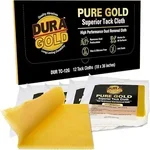 |
Dura-Gold Pure Gold Tack Cloth (12-Pack) – $12.99 This is the final-pass tool in the cleaning order above — use it right before staining, after the HEPA vacuum and resettling steps, not as a substitute for either.
|
Some guides confuse two different waiting periods: the hours it takes fine sanding dust to settle out of the air, and the 24–48 hours a finish needs to cure once it’s actually applied. Those are not the same step. You clean the bare, sanded wood the same day — there’s nothing to “cure” yet, and leaving raw wood exposed to shop dust and foot traffic for two days before cleaning it just gives more dust time to settle into the open grain. The real order is: vacuum immediately, let the air clear for a couple hours, then do a final tack-cloth or mineral-spirits pass right before you stain or seal.
Step-by-Step: Vacuum, Resettle, Tack Cloth
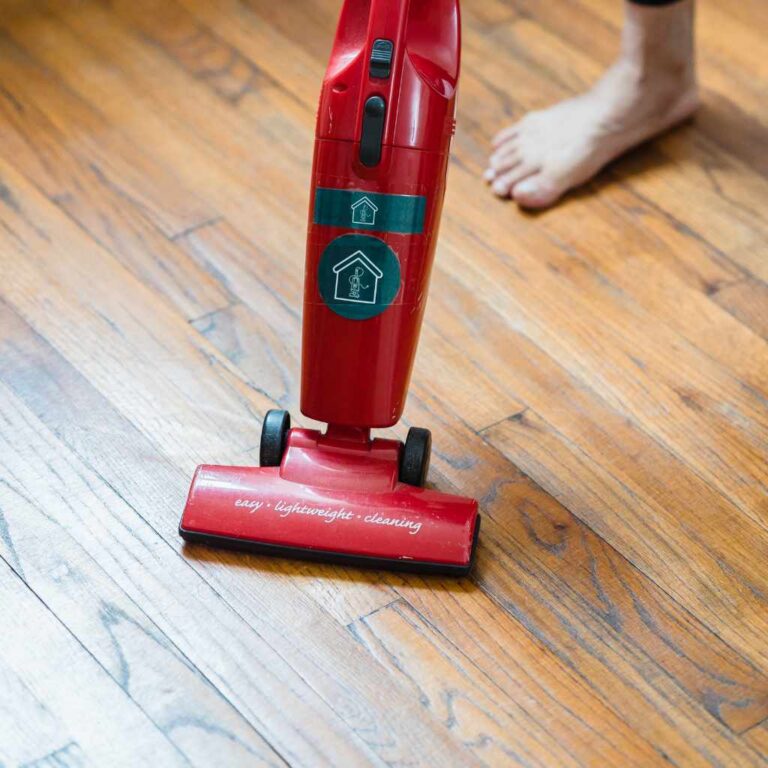
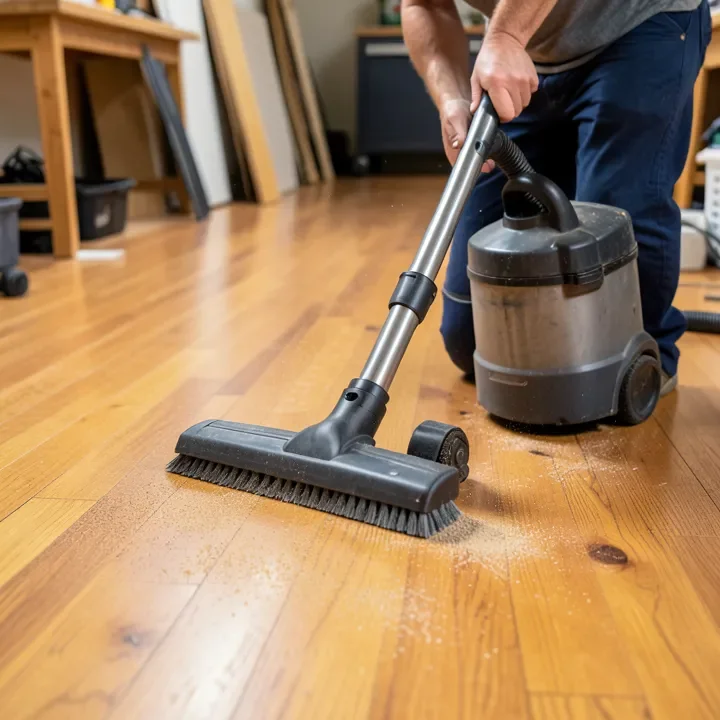
- Vacuum with a HEPA filter immediately after sanding, using a floor brush attachment — go with the grain and overlap passes to catch dust packed into the grain lines.
- Vacuum the room, not just the floor: sanding dust settles on windowsills, baseboards, and light fixtures too, and foot traffic kicks it back onto the floor if you skip this.
- Leave the room closed for a couple hours so the finest airborne dust has time to settle out before your final pass — opening windows or running a box fan speeds this up.
- Vacuum a second time to pick up what just resettled.
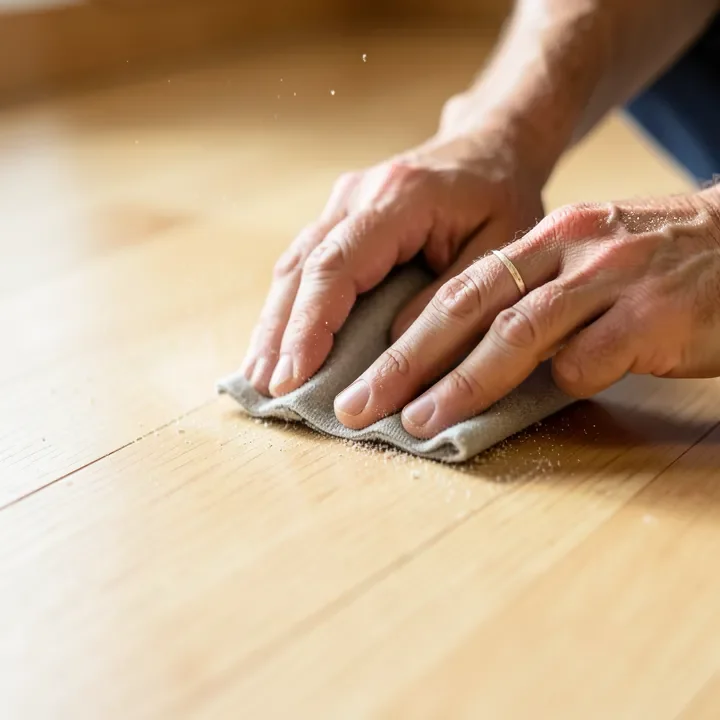
- Wipe with a tack cloth (or a cloth dampened with mineral spirits if you’re staining) immediately before applying stain or finish — do this last, right before you open the can.
📊 A HEPA filter captures 99.97% of particles down to 0.3 microns — well below the size of fine sanding dust, which is why a HEPA-filtered shop vacuum outperforms a standard household vacuum for this step. Standard vacuum bags and filters let much of the finest dust pass straight through and back into the air. Source: EPA — What is a HEPA filter.
Why Water Is Off-Limits on Bare Sanded Wood
A damp mop feels like the obvious way to pick up fine dust, but on bare, freshly sanded wood it’s the wrong tool. Water swells the exposed wood fibers — the same mechanism that warps wood when it’s left wet — and raises the grain into a slightly rough texture you’ll feel through the stain later. A tack cloth or a mineral-spirits-dampened rag removes dust without introducing water into open grain that has no finish yet to protect it. Save the damp mop for routine cleaning once a protective finish is actually on the floor.
Stubborn Spots Before Finishing
- Pencil marks or light scuffs: a dry tack cloth or a soft eraser usually lifts these without needing any liquid.
- Grease or oil spots (common near stair treads or old furniture feet): spot-clean with a cloth dampened in mineral spirits, then let the area dry fully before continuing — check does mineral spirits leave a residue if you’re worried about that step interfering with stain.
- Deep gouges the sander missed: these need hand-sanding and a fresh local pass, not a cleaning fix — clean around them the same way once they’re smoothed.
For furniture-scale projects rather than a whole floor, see how to clean wood after sanding — the tack-cloth technique is the same, but a single tabletop doesn’t need the room-scale dust settling steps above. If you’re planning the full sand-and-refinish process rather than just the cleaning step, how to sand and refinish wood floors like a professional covers the whole job.
Frequently Asked Questions
How soon can I clean hardwood floors after sanding?
Right away for the first vacuum pass — there’s no reason to wait 24-48 hours, since that timeframe applies to a finish curing, not to bare sanded wood. Do a second vacuum pass a couple hours later once the finest airborne dust has resettled, then a final tack-cloth wipe immediately before staining.
Can I use water to clean hardwood floors after sanding?
No, not before the finish goes on. Water raises the grain on bare wood and can cause slight warping at the surface. Use a HEPA vacuum, a tack cloth, or a mineral-spirits-dampened rag instead, and save damp mopping for after the floor is sealed.
What’s the best tool for removing sanding dust from floors?
A shop vacuum with a HEPA filter and a floor brush attachment, followed by a tack cloth. A standard household vacuum without HEPA filtration lets much of the finest dust pass back into the air instead of capturing it.
Should I use chemicals after sanding?
Skip harsh or acidic cleaners entirely on bare wood — they can react with the open grain. Mineral spirits is the one solvent commonly used at this stage, specifically for spot-cleaning grease or oil before staining.
The dust-removal step gets rushed or over-thought in equal measure — the fix is simple: vacuum with HEPA filtration right away, let the air clear for a couple hours, then finish with a tack cloth immediately before you stain. Skip the water, skip the multi-day wait, and the floor is ready.
Sponsored / affiliate links. As an Amazon Associate I earn from qualifying purchases. I may earn additional commission from eligible campaigns.