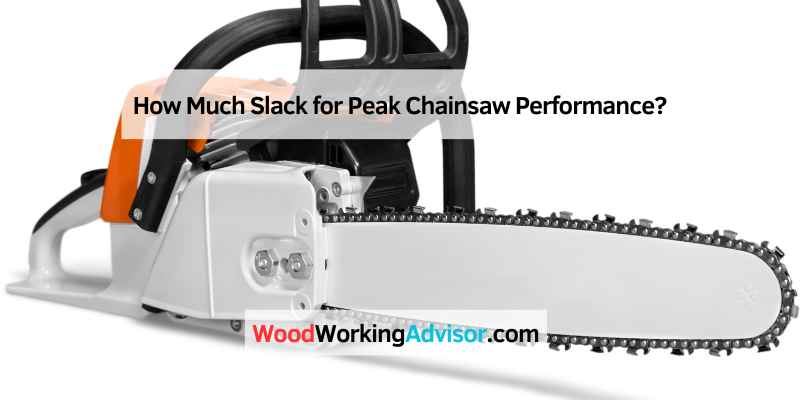
How Much Slack for Peak Chainsaw Performance?
The ideal amount of slack in a chainsaw chain is such that it is a little loose on the guide bar, but not so much that the drive links come out of the bar nose. The bar links should feel like they are raising up but not actually coming out of the guide bar.
This allows for proper tensioning of the chain and prevents it from coming off during operation. Maintaining the right amount of slack in the chainsaw chain is crucial for optimal performance and safety during use. We will discuss the importance of maintaining the right amount of slack in your chainsaw chain, how to adjust it, and common mistakes to avoid.
Introduction To Chainsaw Tension
The importance of proper tension in a chainsaw chain cannot be overstated. Correct tension ensures safe and efficient operation, while improper tension can lead to accidents and damage. Many people have misconceptions about chainsaw slack, often resulting in either overtightening or leaving the chain too loose. The ideal tension allows the chain to move freely without sagging excessively. When the chain is properly tensioned, it should be snug against the guide bar, but still lift easily by hand at the middle of the bar. Regularly checking and adjusting the tension is essential for optimal chainsaw performance and longevity.
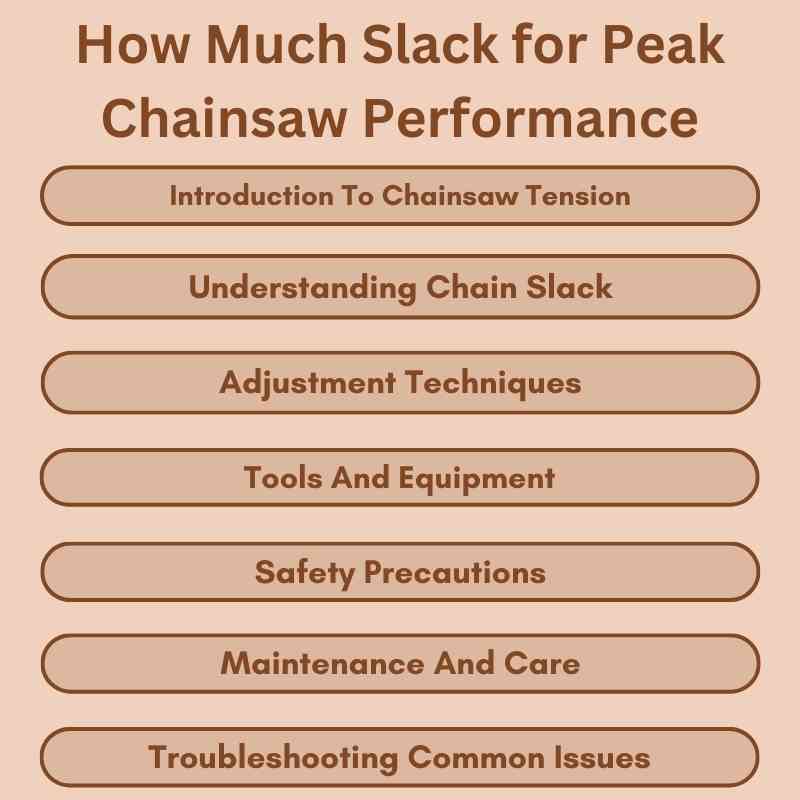
Understanding Chain Slack
When it comes to the slack in a chainsaw chain, finding the ideal amount is crucial for peak performance. The chain should be a little loose on the guide bar, but not so loose that the drive links come out of the bar nose. You should be able to feel the bar links raising up, but they should not actually come out of the guide bar. Too much slack can lead to a loss of control and decreased cutting efficiency, while too little slack can cause excessive wear and damage to the chain and guide bar. It is important to find the right balance to ensure optimal operation and longevity of the chainsaw chain.
Adjustment Techniques
When it comes to adjusting the tension of a chainsaw chain, it’s important to find the right balance. The chain should be slightly loose on the guide bar, but not loose enough for the drive links to come out. It should feel like it’s raising up without actually coming out of the bar.
| Adjustment Techniques |
| Front-mounted vs side-mounted adjustment screws |
| To properly adjust the slack in a chainsaw chain, it is important to understand the different adjustment techniques. Some chainsaws have front-mounted adjustment screws, while others have side-mounted ones. Front-mounted screws are typically easier to access and adjust, as they are located on the front of the chainsaw. Side-mounted screws, on the other hand, may require the removal of the side cover before making any adjustments. When adjusting the chain, it is essential to follow the manufacturer’s recommendations for the appropriate tension. Generally, the chain should be a little loose on the guide bar, but not loose enough for the drive links to come out of the bar nose. It should feel like the bar links are raising up but not actually coming out of the guide bar. Proper chain tension is crucial for optimal chainsaw performance and safety. |
| Step-by-step chain adjustment |
| 1. Loosen the bar nuts on the side cover. 2. Verify the location of the adjustment screw. 3. If it is a front-mounted screw, simply turn it clockwise to tighten and counterclockwise to loosen the chain. If it is a side-mounted screw, remove the side cover and use a screwdriver to adjust the tension. 4. Tension the chain until it is a little loose on the guide bar, following the manufacturer’s recommendations. 5. Once the desired tension is achieved, tighten the bar nuts securely. 6. Check the chain tension periodically and make adjustments as needed. |
Tools And Equipment
|
When it comes to chainsaw maintenance, one important aspect to consider is the amount of slack in the chainsaw chain. The chain should be a little loose on the guide bar, but not loose enough that the drive links come out of the bar nose. It should feel like the bar links are raising up, but not actually coming out of the guide bar. Essential tools for tensioning the chainsaw chain include front-mounted chain adjustment screws, bar nuts, and tensioning tools. To use these tools effectively, start by loosening the bar nuts on the side cover. Then, pull the chain off the bottom rail and rotate it on the bar to locate the adjusting screw. Turn the adjusting screw to tighten or loosen the chain as needed. It is important to find the proper tension for the chainsaw chain to ensure safe and efficient operation. If the chain is too tight, it can cause excessive wear on the bar and chain, as well as strain the engine. On the other hand, if the chain is too loose, it can become dislodged during operation, posing a safety risk. |
Safety Precautions
When it comes to chainsaw safety, it’s important to ensure the chain has the right amount of slack. The chain should be a little loose on the guide bar but not so loose that the drive links come out. Proper tensioning is crucial for safe and efficient chainsaw operation.
| Dangers of improper chain tension |
| When it comes to chainsaw safety, one of the most important precautions is proper chain tension. If the chain is too loose, it can come off the guide bar, potentially causing injury or damage to the chainsaw. On the other hand, if the chain is too tight, it can cause overheating and premature wear and tear on the chainsaw components. Additionally, a tight chain can also increase the risk of kickback, which can be very dangerous for the operator. |
| Personal protective equipment (PPE) for adjustments |
| Before making any adjustments to the chainsaw chain tension, it is important to wear the appropriate personal protective equipment (PPE). This includes eye and ear protection, as well as gloves and sturdy footwear. Once you have the proper PPE on, you can safely adjust the chain tension according to the manufacturer’s recommendations. This typically involves loosening the bar nuts, adjusting the tension with the adjusting screw, and then tightening the nuts back up to secure the bar and chain in place. |
In conclusion, it is important to maintain the proper chain tension on your chainsaw to ensure safe and efficient operation. By following the manufacturer’s recommendations and wearing the appropriate PPE, you can make sure that your chainsaw is in good working order and ready to tackle any cutting task. Remember to always prioritize safety when working with power tools like chainsaws.
Maintenance And Care
Proper maintenance and care are essential for optimal chainsaw chain tension. Routine checks for tension should be performed regularly to ensure the chain is a little loose on the guide bar, but not loose enough for the drive links to come out of the bar nose. Cleaning and proper storage can also help maintain tension. When adjusting tension, make sure to follow the manufacturer’s recommendations and use the correct tools. Avoid over-tightening the chain, as this can cause damage and increase the risk of kickback. By properly maintaining and adjusting the chainsaw chain tension, you can ensure safe and efficient operation of your chainsaw.
Troubleshooting Common Issues
| Troubleshooting Common Issues |
| Chain keeps coming off |
Excessive wear and tear from improper tension is a common cause of chainsaw chains coming off. When the chain is too loose, it can easily derail from the guide bar, leading to operational issues and safety concerns. It is important to ensure that the chain has the right amount of slack to function properly.
Generally, the chain should be a little loose on the guide bar, but not loose enough for the drive links to come out of the bar nose. The bar links should feel like they are raising up, but not actually coming out of the guide bar. This allows for proper movement and cutting efficiency.
To maintain the correct tension, regularly check and adjust the chain according to the manufacturer’s recommendations. Proper tensioning will not only prevent the chain from coming off but also extend the lifespan of the chain and the guide bar.
Expert Advice And Tips
When it comes to chain tension in a chainsaw, it is important to find the right balance. The chain should be a little loose on the guide bar, but not so loose that the drive links come out of the bar nose. It should feel like the bar links are raising up, but they should not actually come out of the guide bar.
To ensure proper chain tension, it is recommended to check and re-tighten the chain regularly. As the chainsaw is used, the chain may stretch and become loose. This can affect the performance and safety of the chainsaw. It is a good practice to re-tighten the chain every time before using the chainsaw.
Remember to follow the manufacturer’s recommendations for chain tension. Different chainsaws may have different specifications, so it is important to consult the user manual or contact the manufacturer for specific guidelines.
Frequently Asked Questions
How Do I Know If My Chainsaw Chain Is Tight Enough?
To check chainsaw chain tension, it should be a little loose on the guide bar but not loose enough for drive links to come out. The bar links should raise up without coming out.
How Much Slack Does A Chainsaw Need?
A chainsaw chain should be a little loose on the guide bar, but not loose enough for the drive links to come out.
How Freely Should Chainsaw Chain Move?
The chainsaw chain should be a little loose on the guide bar, but not loose enough that the drive links come out of the bar nose. The bar links should feel like they are raising up, but not actually come out of the guide bar.
It’s important to check and adjust the chain tension regularly to ensure safe and efficient operation of the chainsaw.
What Is The Proper Tension For A Chainsaw?
The chain on a chainsaw should be a little loose on the guide bar but not so loose that the drive links come out of the bar nose. The bar links should feel like they are raising up but not actually come out of the guide bar.
It should be tight enough that you can barely lift it off the bar and loose enough that you can actually rotate it around the bar.
Conclusion
Maintaining the right amount of slack in your chainsaw chain is crucial for optimal performance. Following the manufacturer’s guidelines and regularly checking and adjusting the tension can prevent damage and ensure safe operation. Remember, a slightly loose chain is better than one that’s too tight.
Regular maintenance is key to a well-functioning chainsaw.