Are Husqvarna Chainsaws Good? Real Specs, Pricing, and Where to Buy One
Yes, Husqvarna chainsaws are good – they’re one of the two brands (alongside Stihl) that dealers, arborists, and land-clearing crews treat as genuine top-tier equipment, known for X-Torq engine efficiency, LowVib anti-vibration damping, and engines that routinely outlast cheaper homeowner saws by a decade or more. The twist most reviews miss: unlike Stihl, which is 100% dealer-only, Husqvarna actually sells several of its homeowner-grade models – including the 130 and 120 Mark II – directly through Amazon and Lowe’s, while its professional X-series and AutoTune-equipped saws remain dealer-exclusive.
Husqvarna traces back to 1689 as a Swedish musket factory for the national military, later pivoting through bicycles, sewing machines, and motorcycles before becoming an outdoor power equipment leader in the 20th century. That 330-plus-year engineering history is part of why the brand still designs and builds its own two-stroke engines in-house rather than rebadging a supplier’s motor, which shows up directly in how the saws start, run, and hold up over thousands of hours of cutting.
Why Husqvarna Has the Reputation It Does
Homeowner Husqvarna Model Actually Sold On Amazon
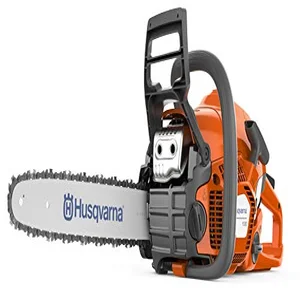 |
Husqvarna 130 Gas Powered Chainsaw, 16 Inch – $187.99 This is a genuine Husqvarna saw, sold and shipped by Amazon itself – a real exception to the dealer-only model most premium chainsaw brands use, and a solid entry point if you want the brand’s X-Torq engine without a dealer visit.
|
Ask a firewood processor or a land-clearing crew why they run Husqvarna and the answer usually comes down to three things: the saw starts consistently even after sitting cold for weeks, the engine holds compression well past the point a big-box saw would need a rebuild, and a local dealer can usually get a carburetor kit or replacement chain same-day. On arborist forums and heavy-equipment boards, Husqvarna and Stihl are consistently the two brands everything else gets measured against.
That reputation isn’t unconditional, though. The most common owner complaint isn’t reliability – it’s price relative to a Poulan, Craftsman, or Echo saw at the same bar length, and the fact that professional-tier AutoTune saws (the 500-series and X-series) are dealer-only, so you can’t just add one to an Amazon cart the way you can the 130 or 120 Mark II. Some owners of the smaller homeowner saws also note that parts availability for entry models is thinner at a dealer than for the popular 450 and 460 Rancher line.
The Model Lineup, With Real Specs
Husqvarna’s lineup splits cleanly into homeowner saws you can buy online or at a big-box retailer, and professional saws that stay dealer-exclusive. Engine displacement, not bar length alone, is what actually predicts how a saw handles a given job.
| Model | Engine Size | Bar Length | Where To Buy |
|---|---|---|---|
| 120 Mark II | 38.2cc | 14–16″ | Dealers, Amazon, Lowe’s |
| 130 | 38cc | 14–16″ | Dealers, Amazon |
| 450 Rancher | 50.2cc | 18–20″ | Dealers, select big-box retailers |
| 460 Rancher | 60.3cc | 18–24″ | Dealers, select big-box retailers |
| 562 XP (professional) | 59.8cc, AutoTune | 18–20″+ | Authorized dealers only |
As a rule of thumb: under 40cc is entry-level homeowner territory for branches and small firewood rounds, 40–60cc covers most residential land-clearing and firewood processing, and the AutoTune professional saws above that are built for daily commercial duty cycles – buying one of those means finding a dealer, not adding it to an online cart.
What Actually Makes the Engineering Different
Two technologies show up across almost the entire current Husqvarna gas lineup and explain most of what owners notice day to day. X-Torq is Husqvarna’s scavenging engine design; the company’s own spec sheets state it cuts fuel consumption by roughly 20% and harmful exhaust emissions by up to 60% compared with a conventional two-stroke engine of the same size, without sacrificing torque. LowVib is the second: a set of dampening elements between the engine and the handles that meaningfully reduce the vibration transmitted to your hands, which matters for anyone running a saw for more than a few minutes at a stretch, since sustained vibration exposure is a real long-term hand and wrist health concern for professional users.
On the professional side, Husqvarna’s AutoTune system automatically adjusts the carburetor’s air-fuel mixture in real time for altitude, temperature, and fuel quality – a feature that only ships on the dealer-exclusive 500-series and X-series saws, not on the homeowner models sold through Amazon. Neither X-Torq nor LowVib is unique in concept – Stihl has its own 2-MIX and ErgoStart equivalents – but the fit, finish, and long-term seal quality behind the implementation is where owners of both brands say the real difference shows up after a few hundred hours of use.
Where You Can (And Can’t) Buy One
This is the part most “is Husqvarna good” articles get wrong by lumping the brand in with Stihl’s dealer-only model. In reality, Husqvarna runs a split distribution strategy: entry and mid-tier homeowner saws like the 120 Mark II, 130, and 450 Rancher are sold through Husqvarna’s own dealer network and through Amazon and select big-box retailers like Lowe’s, while the professional AutoTune-equipped 500-series and X-series saws are reserved for authorized dealers only, the same way Stihl handles its entire lineup.
The practical upshot: if you’re buying a first homeowner saw, you genuinely can order a real Husqvarna on Amazon and have it shipped, no dealer visit required – something you cannot do with a full-size Stihl. If you’re outfitting a crew or buying a saw you expect to run daily for years, the professional AutoTune models still mean a dealer relationship, which also gets you in-house warranty work, carb tuning, and same-day parts the way a Stihl dealer does.
Keeping a Husqvarna Running Long-Term
Most of what shortens any chainsaw’s life is neglect, not a manufacturing defect, and Husqvarna saws are no exception. Clean the air filter every few tanks of fuel – a clogged filter starves the engine and is the most common cause of hard starting on any two-stroke saw. Use fresh, properly mixed fuel (Husqvarna specifies its own two-stroke oil ratio in the owner’s manual, and gas that’s sat more than 30 days starts breaking down and gumming up the carburetor). Keep the bar and chain oiled continuously while cutting, since running a chain dry for even a few minutes accelerates bar wear dramatically, and a properly tensioned, freshly sharpened chain cuts faster with less strain on the engine. Store the saw with the tank empty if it won’t run for more than a month – ethanol-blended gas left sitting in a carburetor is the single biggest cause of small-engine shop visits industry-wide.
Husqvarna vs. the Alternatives
Stihl is the one brand most owners and dealers treat as a genuine peer rather than a step down – the two brands trade the #1 and #2 U.S. chainsaw market share spots, and the real-world difference usually comes down to which brand has a better-stocked dealer near you, plus whether you want the flexibility of buying a homeowner Husqvarna online versus Stihl’s strictly dealer-only approach. Echo is generally the best value tier below both: not quite the same fit-and-finish, but genuinely durable and easier to find parts for in a pinch since it’s sold at both dealers and some big-box stores. Budget brands like Poulan and Craftsman, along with most battery-powered chainsaws under $150, are built to a lower duty cycle and are fine for a few branches a year, but they’re not a substitute for a Husqvarna or Stihl if you’re processing multiple cords of firewood annually or doing regular land-clearing work.
Frequently Asked Questions
Are Husqvarna chainsaws reliable for home use?
Yes. Husqvarna’s homeowner saws, like the 120 Mark II, 130, and 450 Rancher, are built for regular yard work, pruning, and firewood cutting, and the X-Torq engine and LowVib damping make them comfortable for extended use. Reliability still depends on basic maintenance – a clean air filter, fresh fuel, and proper chain tension – but the engines themselves are designed to handle regular homeowner duty cycles for many years.
Can you buy a Husqvarna chainsaw on Amazon?
Yes, for homeowner-grade models. Husqvarna sells saws like the 130 and 120 Mark II directly through Amazon and select big-box retailers such as Lowe’s, unlike Stihl, which is 100% dealer-exclusive. Husqvarna’s professional AutoTune-equipped 500-series and X-series saws, however, are reserved for authorized dealers only and are not sold online.
How does Husqvarna compare to Stihl?
Husqvarna and Stihl are widely considered the two top-tier chainsaw brands, and most dealers and professionals treat them as genuine peers. Husqvarna uses X-Torq and LowVib technology; Stihl’s equivalents are 2-MIX and ErgoStart. The biggest practical difference is distribution: several Husqvarna homeowner models are sold on Amazon and at big-box stores, while Stihl sells its entire lineup exclusively through authorized dealers.
What is the lifespan of a Husqvarna chainsaw?
With regular maintenance – clean air filters, properly mixed fresh fuel, and consistent bar oiling – a Husqvarna gas chainsaw commonly lasts well over a decade of regular use, and many owners of the Rancher and professional XP lines report running the same saw for 15-20 years with only routine part replacement like spark plugs, chains, and bars. Neglecting fuel and filter maintenance is by far the most common reason a Husqvarna saw fails early.
The Bottom Line
Husqvarna earns its reputation on engine longevity, X-Torq efficiency, and dealer-backed support for its professional lineup – but the genuinely useful thing most reviews leave out is that you don’t need a dealer visit for a homeowner-grade saw. If you’re processing real volumes of wood for a living, the dealer-only AutoTune professional saws and the relationship that comes with them are worth it. If you’re cutting a few branches or a cord of firewood a year, a Husqvarna 130 or 120 Mark II ordered straight from Amazon will do the job without the extra trip.
Sponsored / affiliate links. As an Amazon Associate I earn from qualifying purchases. I may earn additional commission from eligible campaigns.
 Top Handle Gas Chainsaws, 20 Inch Bar Power Chain Saws, Cycle Gas Powered Chainsaw, Chainsaw 2 Stroke Handed Petrol Gasoline Chain with Tool Bag, Gas Chain Saw for Cutting Wood Pruning Branches(52cc)
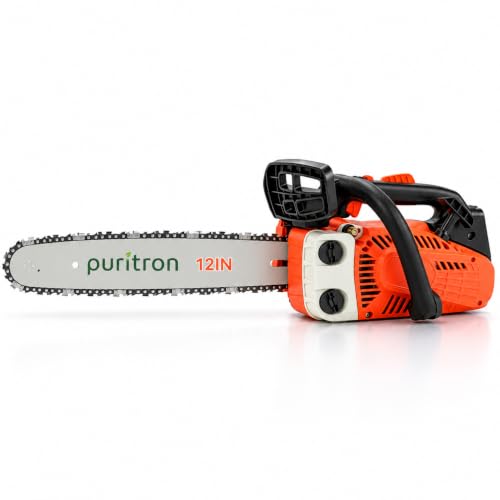 25.4CC 2-Stroke 12 Inch Top Handle Gas Chainsaw, Top Handle Gas Powered Chainsaw Petrol Handheld Cordless Chain Saw for Tree-climbing Tree Pruning Wood Cutting Firewood Preparation Yard Maintenance