How Much to Install Wood Flooring Per Square Foot: Cost Insights
Imagine stepping into your home and feeling the warm, inviting embrace of beautiful wood flooring beneath your feet. It’s a dream many homeowners share, yet the question of cost can often be a roadblock.
How much will it actually take to transform your space with stunning wood floors? The price per square foot is a crucial piece of this puzzle, and understanding it is key to planning your project wisely. We’ll break down the costs associated with installing wood flooring.
You’ll discover not only the numbers but also the factors that can influence them. With clear insights, you’ll be empowered to make informed decisions that suit both your style and budget. Let’s dive in and unravel the mystery of wood flooring costs, ensuring your path to a beautiful home is as smooth as the floors you desire.
Factors Affecting Wood Flooring Costs
Different types of wood have different prices. Hardwoods like oak and maple cost more. Softwoods like pine are cheaper. Exotic woods like teak can be very expensive. Each type has its own look and feel. Choose what fits your home best.
Installation methods vary. Glue-down is often cheaper. Floating floors are faster to install. Nail-down can be more stable. Each method impacts the final price. Choose based on your budget and needs.
Labor costs differ by installer. Experienced workers charge more. Newer companies might offer discounts. Always compare prices. Check reviews to ensure quality work.
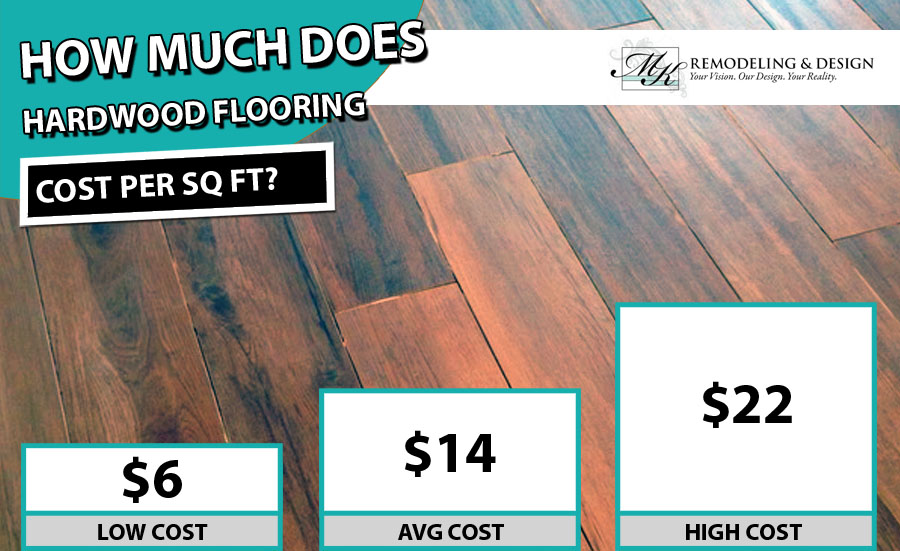
Prices change based on region and location. Cities often have higher costs. Rural areas might be cheaper. Local market demand plays a big role. Always check local prices before deciding.
Credit: mkremodeling.com
Types Of Wood Flooring
Solid hardwood is known for its durability. It consists of 100% real wood. Each plank is a single piece of wood. This type can be sand and refinish several times. It offers a classic look. It is often more expensive than other types.
Engineered wood is made with layers. The top layer is real wood. Beneath are layers of plywood or fiberboard. It’s designed to resist moisture. This type is usually cheaper than solid hardwood. It has less maintenance need. It can be a good choice for basements.
Bamboo flooring is eco-friendly. It grows faster than trees. It is strong and resilient. Bamboo can come in strips or tiles. It often costs less than hardwood. It’s not true wood but looks similar. It’s easy to clean and maintain.
Installation Methods
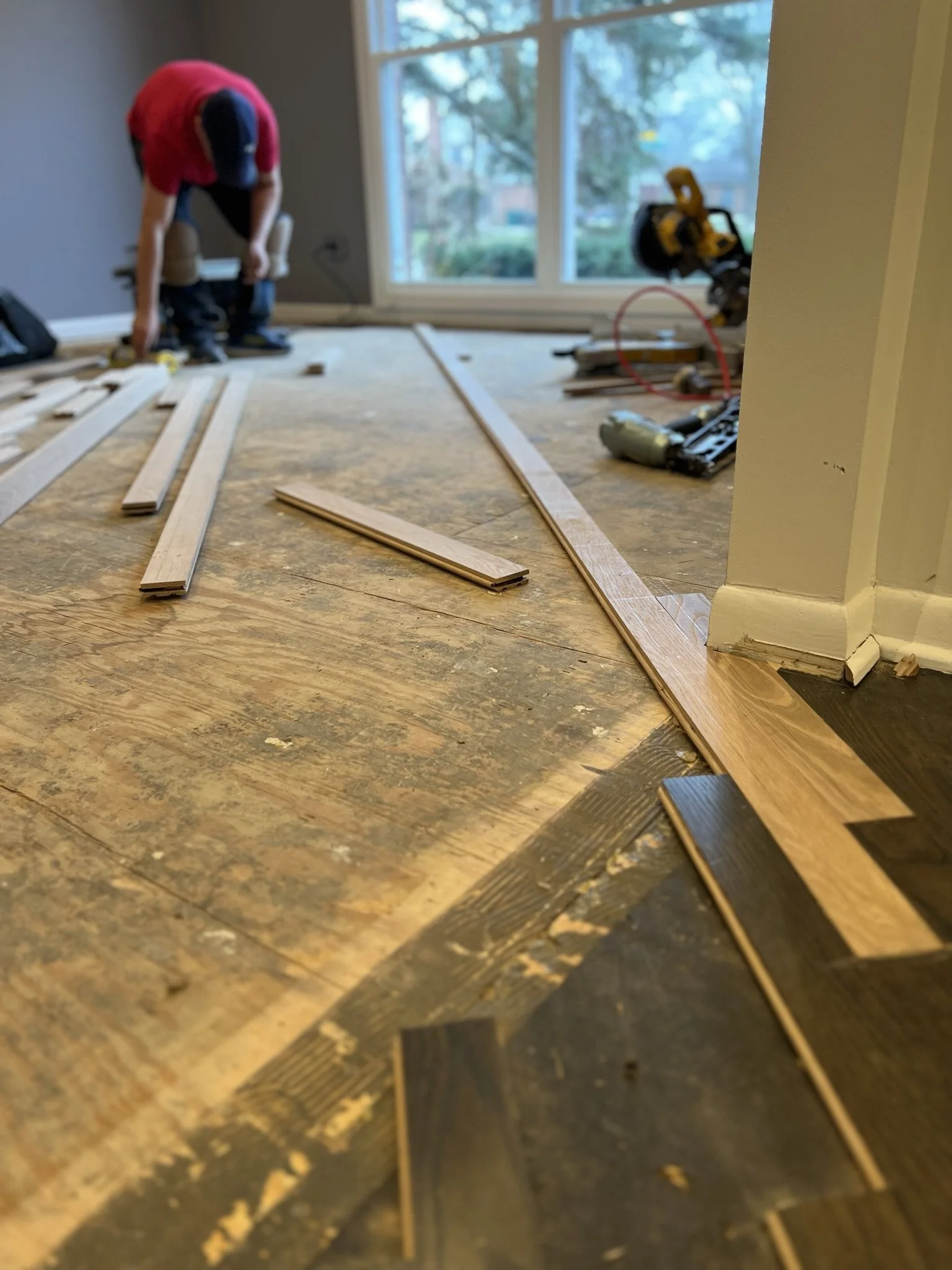
Nail-down is a traditional method for installing wood floors. It uses nails to attach the wood to the subfloor. This method is best for homes with wooden subfloors. It provides a strong bond and keeps the floor stable. It might need more time and tools. Experienced workers are usually required. Costs can vary based on the wood type.
Glue-down uses adhesive to stick the wood to the subfloor. This method works well with concrete subfloors. It helps reduce noise. The glue offers a firm hold and can be long-lasting. It might need special glue and careful application. Some types of wood may cost more to glue.
Floating installation does not need nails or glue. The wood planks snap together like a puzzle. It’s easy and quick to install. Ideal for DIY projects. It can be placed over existing floors. This method is often cheaper. Some floors may need a foam layer underneath.

Credit: www.fixr.com
Labor Costs Breakdown
Wood flooring installers often charge hourly. The rate can be around $30 to $50per hour. Skilled workers may charge more. Rates vary by location.
Some contractors offer flat fees. This means one price for the whole job. It often covers all work. A flat fee might range from $3 to $10per square foot.
Extra services can add to the cost. Moving furniture costs more. Removing old flooring is another extra. These services can add $1 to $2per square foot.
Regional Price Variations
Wood flooring costs morein urban areas. Cities have higher prices due to demand. Labor is more expensive too. In rural areas, costs are often lower. Fewer people means less demand. Labor is cheaper. This makes wood flooring more affordable in the countryside.
Some states have more trees. Wood is cheaperthere. This affects flooring costs. States with fewer trees might import wood. This makes it more expensive. Local laws can also change prices. Some states have strict building rules. These rules can add to costs.
Additional Costs To Consider
Wood flooring installation costs per square foot can vary. Consider additional expenses like underlayment, trims, and labor fees. These factors can influence the overall budget significantly.
Subfloor Preparation
Preparing the subfloor is crucial. Old flooring must be removed. Cleaning and leveling the surface are key steps. Uneven floors need extra work. Materials for leveling can add cost. Professionals might charge more for complex jobs. Time also affects the total expense.
Finishing Touches
After installation, the floor needs finishing. Sanding and staining make the wood look beautiful. These steps require special tools. Sealants protect the wood from damage. Costs vary with the quality of products. Some finishes are more expensive. Labor costs for finishing can be high.
Maintenance Expenses
Wood floors need care. Regular cleaning keeps them shiny. Polishing adds to the expense. Repairs might be needed over time. Scratches and dents require fixing. Proper maintenance ensures long life. Costs vary with the type of wood. High-quality wood might need less care.
Tips For Budget-friendly Installation
Picking the right materials can save money. Laminate and engineered wood are cheaper than solid wood. They look nice and last long. Use simple designs. Fancy patterns cost more. Buying from discount stores helps too. They often sell materials at lower prices.
Doing it yourself saves on labor costs. Some find it fun and rewarding. But it takes time and effort. Hiring professionals is faster. They handle mistakes better. Sometimes, they offer discounts for bigger jobs. Compare costs before deciding.
Contractors may lower prices if asked. Mention a tight budget. Ask for a better deal on labor costs. Sometimes they agree. Get quotes from different contractors. Comparing helps find the best price. Contractors value repeat business. They might give discounts if promised more work later.
Calculating Total Cost
Wood flooring costs include materialsand labor. Material costs vary. The type of wood matters. Labor costs depend on the job size. Professionals charge per square foot. Installation costs may be higher for complex designs. Some places charge extra for removing old flooring. Always check local rates. It’s wise to get multiple quotes. This helps find the best price.
Consider other expenses in your plan. Underlaymentis needed for most floors. It provides cushioning. Baseboardsmight need replacing. They can affect costs. Finishingtouches add to the price. These include stains and seals. Delivery feesmay apply for materials. Don’t forget about cleanup costs. Some installers charge for this service.
A clear budget helps manage costs. Calculate the total square footage first. Multiply this by the cost per square foot. Add expenses for underlayment and baseboards. Include labor costs and finishing fees. Don’t forget delivery and cleanup. Keep a small reserve for surprises. This ensures you stay within budget. Adjust your plan if needed.
:max_bytes(150000):strip_icc()/installing-hardwood-floor-170040982-582b748c5f9b58d5b17d0c58.jpg)
Credit: www.thespruce.com
Frequently Asked Questions
How Much Does It Cost To Install 1000 Square Feet Of Hardwood Floors?
Installing 1000 square feet of hardwood flooring typically costs between $6,000 and $12,000. Pricing varies by wood type, location, and labor. Always get multiple quotes for the best deal. Factors like installation method and removal of old flooring can affect the final cost.
How Much Should I Charge To Install Flooring Per Square Foot?
Charge between $2 to $8 per square foot for flooring installation. Prices vary based on material type and complexity. Consider factors like location and labor costs. Ensure competitive pricing by researching local rates. Provide a detailed quote to customers for transparency and trust.
How Much Does Home Depot Charge For Wood Floor Installation?
Home Depot charges around $4 to $7 per square foot for wood floor installation. Prices vary by location and project specifics. Always get a detailed quote for accurate pricing.
How Much Is Labor For Wood Flooring?
Labor for wood flooring typically costs $3 to $8 per square foot. Prices vary based on location and complexity. Always get multiple quotes for accurate estimates tailored to your project. Hiring experienced professionals ensures quality installation and enhances the longevity of your flooring investment.
Conclusion
Choosing the right wood flooring cost matters. It impacts your budget. Make sure to compare prices. Quality and installation fees vary. Always check for hidden costs. Hiring professionals can ensure a smooth process. They bring experience and efficiency. DIY might save money, but requires skill.
Consider the long-term benefits of quality flooring. It adds value to your home. Research thoroughly before making a decision. This ensures you get the best deal. Happy flooring installation!