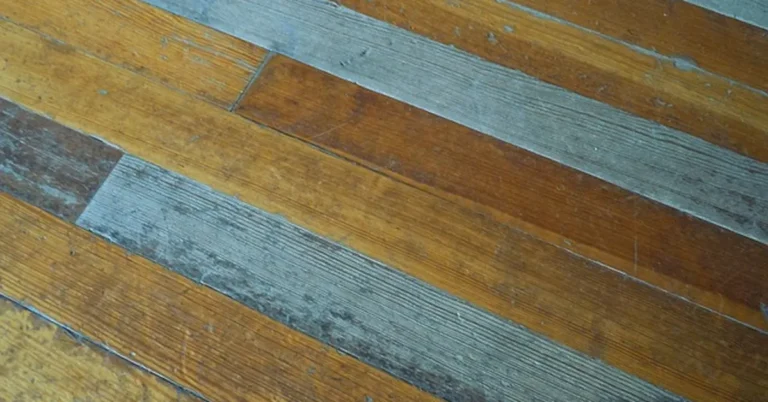
Keep Your Hardwood Floors Safe with Cord Covers
A loose cable across a hardwood floor is a real trip hazard and a scratch risk every time something drags over it. Cord covers solve both problems — they channel the cable flat against the floor and put a smooth, low-profile ramp over it instead of a bare wire someone can catch a foot or a chair leg on.
What Cord Covers Actually Do
Best For Heavy-Duty Floor Cord Protection
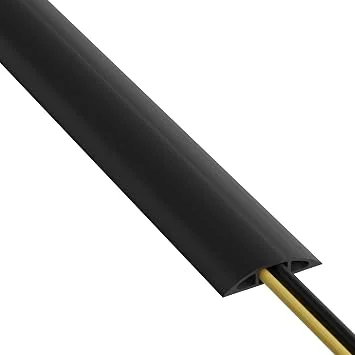 |
D-Line 6ft Floor Cord Cover, Heavy Duty – $16.79 A flexible PVC cover that uncoils flat, holds up to two cables, and can be trimmed to length with a utility knife.
|
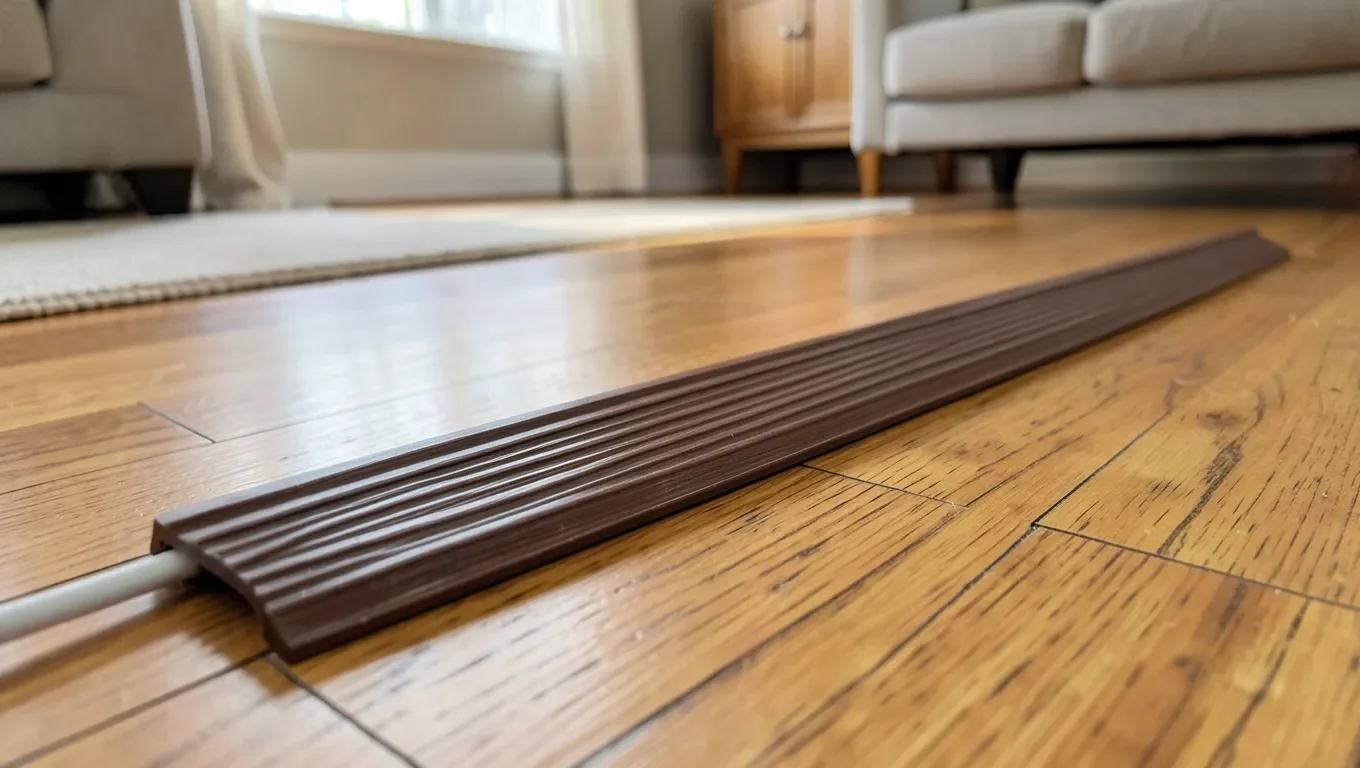
A cord cover is a channel or tunnel that sits on top of the floor and holds one or more cables inside it, out from underfoot. Beyond preventing trips, it protects the floor finish from the scuffing and dragging a loose cable causes over time, and it keeps kids or pets from chewing on or yanking exposed wires. Covers come in several colors and finishes, including wood-grain PVC made specifically to blend with hardwood, so the fix doesn’t have to look like an obvious add-on.
Types Of Cord Covers For Hardwood Floors
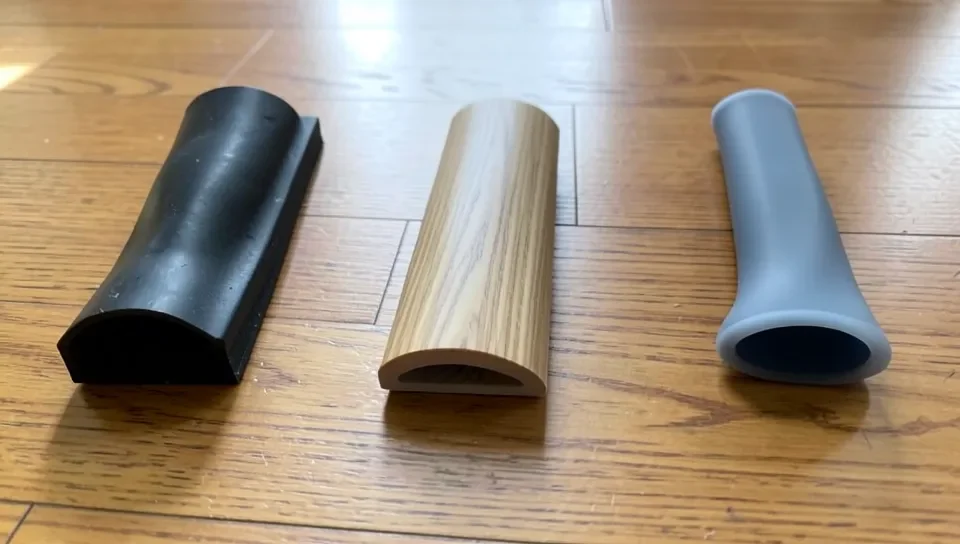
- Rubber: Soft and flexible, usually held down with adhesive tape. Inexpensive but rarely matches a hardwood floor’s look.
- PVC: Rigid and durable, and the material most wood-grain and color-matched covers are made from — the standard choice for visible living spaces.
- Silicone: Soft, bendable, and safe around kids and pets, but less sturdy under heavy foot traffic than PVC.
| Material | Pros | Cons | Best For |
|---|---|---|---|
| Rubber | Flexible, cheap | Rarely matches wood floors | High-traffic areas where looks matter less |
| PVC | Wood-grain finishes available, durable | Costs more than rubber | Living rooms, offices, visible spaces |
| Silicone | Soft, safe for kids/pets | Less sturdy under heavy traffic | Kids’ rooms, low-traffic spots |
How To Install A Cord Cover
- Measure the run: check the actual distance the cable needs to travel, not just the cable’s total length.
- Pick a cover sized for your cable: the internal channel needs to fit your cable’s diameter with a little room, not a tight squeeze.
- Clean the floor: wipe away dust and debris along the path so any adhesive actually bonds and nothing grinds under the cover.
- Lay the cable in the channel: press it into the cover’s groove so it sits flat rather than bunching up.
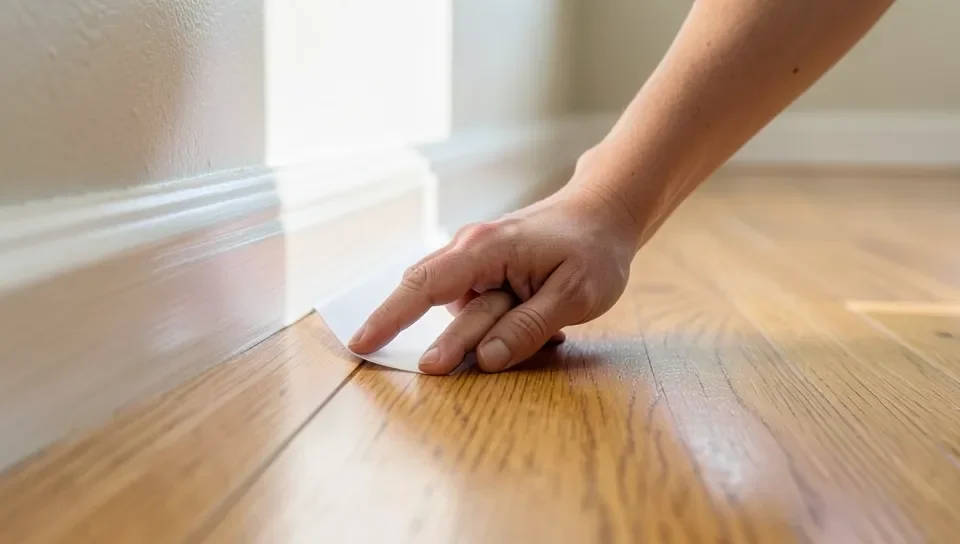
- Secure the cover: stick down the adhesive backing if it has one, or simply set a non-adhesive cover in place — test any adhesive on a small, hidden spot first to make sure it won’t damage the finish when removed later.
Drawbacks To Watch For
Cord covers aren’t flawless. Taller profiles can be hard for a vacuum or a robot vacuum to climb, which turns cleaning into a bigger hassle than the cover was meant to prevent — check the height spec before buying if that matters in your space. Cheap adhesive can also peel up after a week or two of foot traffic, so read reviews for adhesion complaints before committing, and a bright or mismatched color against dark wood will draw more attention to the cord than leaving it bare.
Alternatives Worth Considering
- Cable clips: stick cables up and out of the way along a wall or furniture leg — a good option when the cord doesn’t need to cross open floor at all.
- Rugs: hide a cord underneath, though a cord under a rug in a high-traffic path is itself a wear point and a minor fire-safety concern for thick or hot-running cables — fine for light-gauge cords, not ideal for anything carrying real load.
- In-wall or baseboard channels: route wiring along the wall instead of across the floor — more work to install, but the cleanest permanent solution for a fixed setup like a wall-mounted TV.
| Option | Typical Cost | Ease Of Use | Look |
|---|---|---|---|
| Cord Covers | $10-$30 | Easy | Can match floor color |
| Cable Clips | $5-$15 | Medium | Less visible on floor, visible on wall/furniture |
| Rugs | $20-$100 | Easy | Fully hides cord, adds décor |
Common Mistakes To Avoid
- Wrong size: a cover with too small a channel won’t fully close over thicker cables or multiple cords bundled together.
- Skipping the adhesive test: some tapes pull up finish along with themselves when removed — test a small spot first.
- Ignoring traffic level: a light-duty cover in a high-traffic hallway wears out and lifts far faster than a heavy-duty one rated for the space.
Frequently Asked Questions
What Are Cord Covers For Hardwood Floors?
Cord covers are channels that sit on top of a floor and hold cables inside them, reducing trip hazards and protecting the floor’s finish from dragging cables. They come in rubber, PVC, and silicone, with wood-grain PVC options made to blend with hardwood.
How Do I Choose The Right Cord Cover?
Match the cover’s color to your floor, measure your cable’s diameter and total run length, and confirm the adhesive (if any) won’t damage the finish by testing a small, hidden spot first.
Can Cord Covers Damage Hardwood Floors?
Some adhesive-backed covers can pull up a floor’s finish when removed. Choose a cover with gentle tape or no adhesive at all, and test any sticky-backed cover on a small, inconspicuous area before committing to the full run.
Are Cord Covers Safe For Kids And Pets?
Yes — silicone covers in particular are soft and non-toxic, and they physically stop kids and pets from grabbing or chewing an exposed cable. Check for sharp edges on any cover before installing it where kids or pets will be around it.
How Do I Clean Cord Covers?
Wipe with a damp cloth; avoid harsh chemical cleaners, which can degrade the cover’s finish over time. Mild soap and water handles sticky residue, and drying the cover fully afterward keeps the surface from becoming slippery.
Can Vacuums Go Over Cord Covers?
Low-profile covers handle a standard vacuum fine. Taller covers can block a robot vacuum entirely, so check the cover’s height against your vacuum’s clearance before buying if a robot vacuum runs that route.
Are There Cord Covers For Corners?
Yes — flexible silicone covers bend around corners, and some PVC covers include dedicated corner or joint pieces. Look for “corner” or “flexible” in the product description if your cable run needs to turn.
Conclusion
A cord cover is a small, inexpensive fix for a real hazard — pick a size that fits your cable, a color that blends with your floor, and test any adhesive before committing to the full run. Done right, it removes the trip risk and the floor-scuffing both, without turning into an eyesore in the room.
Sponsored / affiliate links. As an Amazon Associate I earn from qualifying purchases. I may earn additional commission from eligible campaigns.