How to Build Kitchen Cabinets from Plywood: DIY Secrets
To build kitchen cabinets from plywood, start by measuring your space and designing your cabinet layout. Cut the plywood panels according to your design, ensuring precise dimensions for a perfect fit.
Building kitchen cabinets from plywood is a rewarding project that enhances both functionality and aesthetics in your home. Plywood offers durability and a clean finish, making it a popular choice for cabinetry. This guide will walk you through the essential steps, from planning and cutting to assembly and finishing.
You’ll learn how to select the right plywood type, tools, and techniques for a professional look. Whether you’re a DIY novice or an experienced woodworker, this project can elevate your kitchen’s style and efficiency. Dive in to transform your space with custom-built cabinetry that meets your needs perfectly.
Selecting The Right Plywood
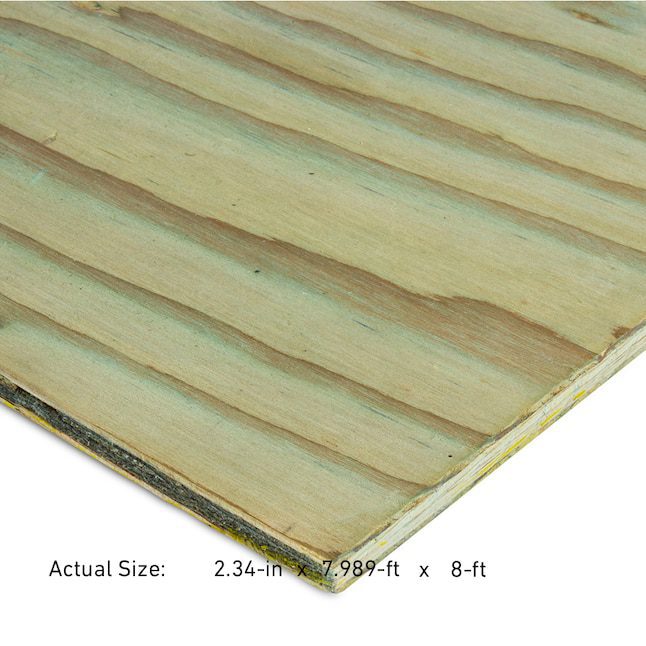
Choosing the right plywood is key for building kitchen cabinets. Different types of plywood include hardwood, softwood, and marine. Each type has unique features and uses.
Hardwood plywood is strong and looks beautiful. It is ideal for visible areas. Softwood plywood is cheaper and lighter, making it good for hidden parts. Marine plywood is water-resistant, perfect for kitchens.
| Type of Plywood | Best Use |
|---|---|
| Hardwood | Visible cabinets |
| Softwood | Hidden structures |
| Marine | Water-prone areas |
Plywood thickness and grades matter too. Thicker plywood is stronger and holds weight better. Grades indicate quality. Use higher grades for visible parts.
Common thicknesses are 1/2 inch and 3/4 inch. Always choose quality materials for long-lasting cabinets.
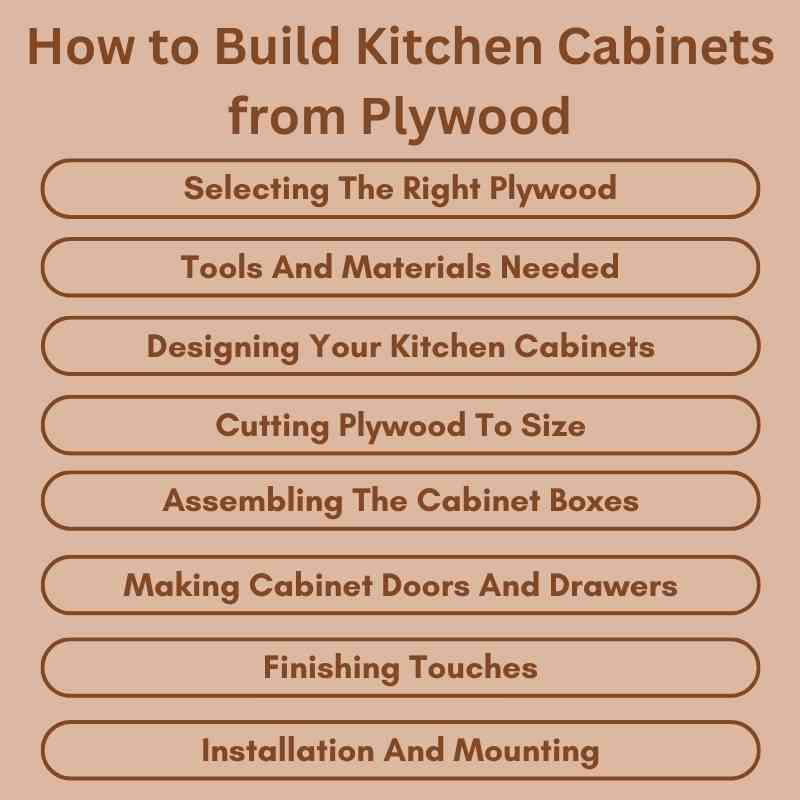
Tools And Materials Needed
To build kitchen cabinets from plywood, gather the right tools. Essential tools include a circular saw, drill, and screwdriver. A measuring tape and square ensure accurate cuts.
Don’t forget safety gear like safety glasses and ear protection. A workbench will help with stability while cutting and assembling.
| Essential Tools | Purpose |
|---|---|
| Circular Saw | For cutting plywood sheets. |
| Drill | For making holes and driving screws. |
| Screwdriver | For assembling parts together. |
| Measuring Tape | For precise measurements. |
| Square | For ensuring right angles. |
Additional supplies for assembly include wood glue, screws, and hinges. Keep sandpaper handy for smoothing edges. A clamp will hold pieces in place while drying.
Designing Your Kitchen Cabinets
Designing kitchen cabinets starts with a clear layout. Begin by measuring your space. This helps to ensure a perfect fit.
Consider your kitchen’s functionality. Think about where you need storage the most. Draw a simple sketch to visualize your ideas.
Customizing cabinets for specific needs is essential. Include drawers for utensils and shelves for dishes. Make sure the height suits everyone.
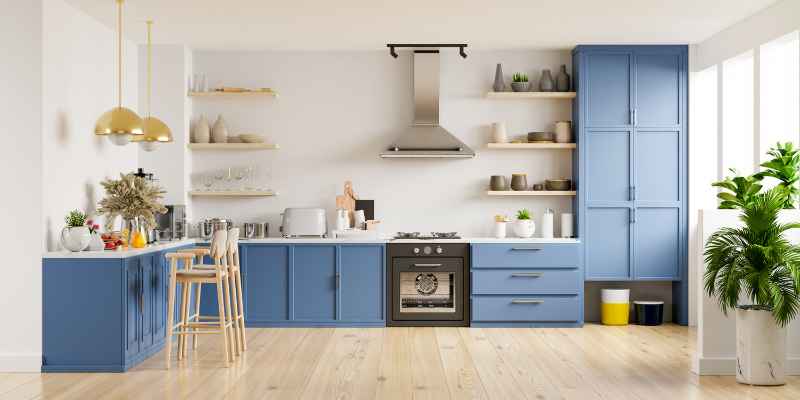
Use plywood for durability and a clean look. It is easy to work with and can be painted or stained. Choose a finish that complements your kitchen.
Cutting Plywood To Size
Start by measuring the plywood carefully. Use a tape measure to get accurate dimensions. Mark the measurements with a pencil for clarity. Always double-check the marks before cutting.
Use a straight edge or ruler to draw a line. This line will guide your saw. Keep the line visible while cutting. This helps make clean edges.
Safety is key when cutting plywood. Always wear safety goggles to protect your eyes. Use ear protection if the saw is loud. Make sure the workspace is clear of clutter.
Keep hands away from the blade while cutting. Use clamps to hold the plywood steady. Always cut on a stable surface to avoid accidents.
Assembling The Cabinet Boxes
Assembling cabinet boxes involves using strong and reliable joining techniques. These techniques ensure stability and strength.
Some common joining methods are:
- Dowels: Wooden dowels create strong connections between pieces.
- Pocket holes: This method hides screws and provides a neat finish.
- Biscuits: Biscuits add strength and align the wood pieces.
Ensuring cabinets are square and level is very important. Use a level to check the surface. Adjust the legs or base as needed. This step prevents doors from sticking or not closing properly.
Making Cabinet Doors And Drawers
Choosing the right door style is important for your kitchen cabinets. Options include flat panel, raised panel, and slab doors. Each style offers a unique look. Flat panel doors are simple and modern. Raised panel doors have a classic feel. Slab doors provide a sleek, minimalistic appearance.
For drawer construction methods, consider using dovetail joints or butt joints. Dovetail joints are strong and attractive. They work well for drawers that will hold heavy items. Butt joints are easier to make but less durable. Choose the method that fits your skills and needs.
Finishing Touches
Sanding is essential for a smooth finish. Use fine-grit sandpaper to remove rough spots. Ensure all surfaces are even and ready for paint or stain.
Edging adds a professional look to your cabinets. Use edge banding to cover raw plywood edges. This step enhances durability and appearance.
Applying finishes protects the wood. Choose between paint, stain, or varnish based on your design. Always test a small area first.
Sealants provide extra protection. Use a water-resistant sealant for kitchen cabinets. This helps prevent damage from spills and moisture.
Installation And Mounting
Securing cabinets to the wall is very important for safety. Use wall anchors to hold the cabinets firmly. Make sure to locate studs in the wall for extra support. A level will help ensure that the cabinets are straight.
After securing the cabinets, check the alignment of doors and drawers. Adjust hinges to make doors close properly. Use a screwdriver to fix any misalignment. For drawers, ensure they slide in and out smoothly. Tighten screws if necessary for better function.
Custom Features And Add-ons
Adding pull-outs and organizers to kitchen cabinets increases storage and efficiency. Consider using pull-out shelves for easy access to pots and pans. Drawer dividers can help keep utensils organized.
For hardware installation, choose sturdy materials to ensure long-lasting use. Handles and knobs should match the cabinet style. Use soft-close hinges to prevent slamming doors. This feature adds a touch of luxury.
Accessories like lazy Susans and pull-out trash bins enhance functionality. These features make the kitchen more user-friendly. Always plan the layout before installation. This step ensures that everything fits perfectly.
Maintenance And Care
Regular cleaning keeps kitchen cabinets looking fresh. Use a soft cloth and mild soap. Avoid harsh chemicals that can damage the finish.
For tough stains, mix water and vinegar. Apply this solution gently. Rinse with clean water and dry with a soft towel.
Check for scratches or dents often. Use a touch-up pen to cover small marks. For larger repairs, sand the area lightly.
Apply a matching stain or paint. Let it dry completely before touching. This keeps your cabinets looking new.
Frequently Asked Questions
How Do I Choose Plywood For Kitchen Cabinets?
Selecting the right plywood for kitchen cabinets is crucial. Look for high-quality, furniture-grade plywood, ideally with a hardwood veneer. Consider the thickness; 3/4-inch plywood is typically sturdy enough. Ensure it’s moisture-resistant to withstand kitchen conditions. This choice will enhance durability and aesthetics.
What Tools Are Needed To Build Plywood Cabinets?
To build plywood cabinets, you’ll need essential tools. Start with a circular saw for cutting plywood. A drill and screws are necessary for assembly. Additionally, a measuring tape and square ensure accuracy. Sanding tools will give your cabinets a smooth finish.
These tools make the process efficient and effective.
How Long Does It Take To Build Cabinets?
The time required to build kitchen cabinets varies. On average, you might need a week or two for completion. This includes planning, cutting, and assembly. Factors like your skill level and the complexity of the design affect the timeline. Always allocate extra time for finishing touches.
Can Beginners Build Plywood Kitchen Cabinets?
Yes, beginners can successfully build plywood kitchen cabinets. With proper planning and research, the process is manageable. Start with simpler designs to build confidence. Online tutorials and guides can provide step-by-step instructions. Patience and practice will lead to satisfactory results.
Conclusion
Building kitchen cabinets from plywood is a rewarding project. It allows for customization and can save money. With proper planning and the right tools, anyone can achieve great results. Remember to take your time and enjoy the process. Your new cabinets will enhance your kitchen’s beauty and functionality for years to come.