1/4 Pressure Treated Plywood (Rare at Most Retailers)
True 1/4-inch pressure-treated plywood is uncommon at most lumberyards and home centers — chemical treatment is typically applied to 1/2-inch and thicker structural panels, since thin plywood is prone to warping and delamination inside the pressure-treating cylinder. If a listing says “1/4 pressure treated plywood,” check the actual end-tag for an AWPA Use Category rating before assuming it is treated the same way as thicker stock. This guide covers what thickness is actually available, how to read the treatment tag, and how to protect thin plywood that is not treated.
What You Need
Best Exterior Wood Sealer Pick
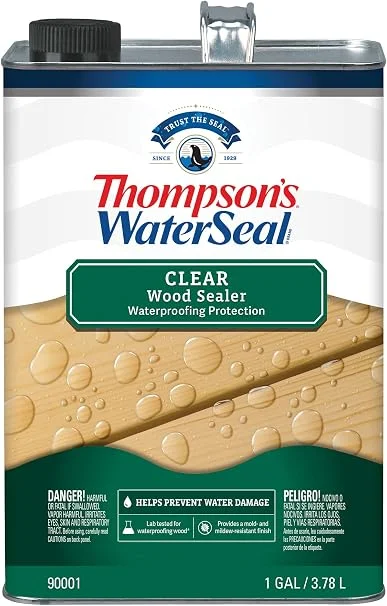 |
Thompson’s WaterSeal Clear Wood Sealer, 1 Gallon – $19.94 This is the type of exterior sealant referenced in the steps below for protecting thin, untreated plywood used outdoors — penetrates and waterproofs without changing the wood’s natural color.
|
If you end up using untreated or thin exterior-glue plywood outdoors instead of true pressure-treated stock, budget for an exterior wood sealant to coat every face and edge, since factory pressure treatment on thicker panels penetrates the wood in a way a surface sealant on thin plywood cannot fully replicate.
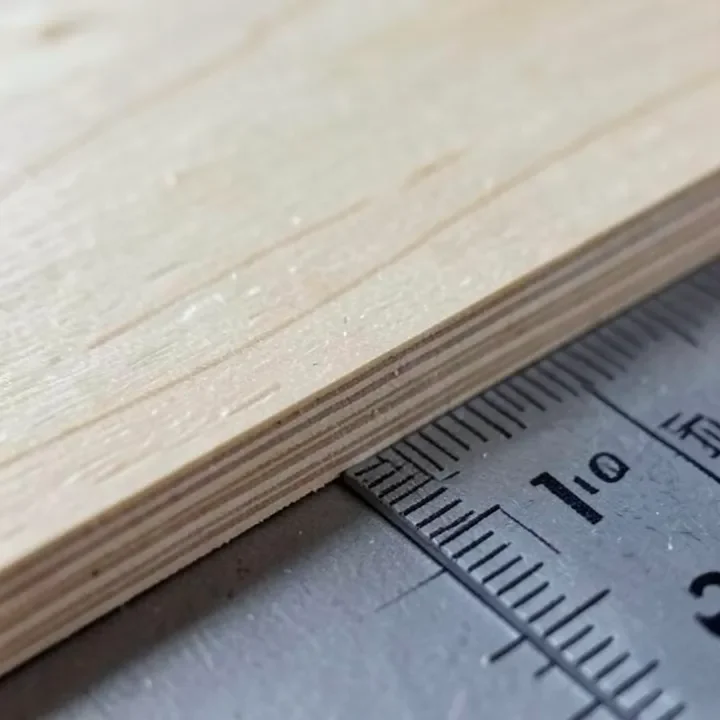
Does 1/4 Inch Pressure-Treated Plywood Actually Exist?
Rarely as true structural pressure-treated stock. The pressure-treatment process forces preservative deep into the wood using a vacuum and pressure cycle in a large steel cylinder — a process thin 1/4-inch plywood tends not to survive flat, since the veneers can bow, bubble, or separate under that pressure. Most suppliers limit pressure-treated plywood to 1/2 inch (nominal, often stamped 15/32) and up. Compare against thinner non-treated stock like our 1/8 plywood sheets guide if you just need a thin indoor panel.
What is commonly sold as thin “exterior” plywood at 1/4 inch is usually exterior-glue (CDX-style bond) plywood, not chemically treated — it resists moisture delamination at the glue line but has no preservative against rot or insects. If your project genuinely needs a thin treated panel, ask the yard to special-order it or confirm the specific SKU carries a real AWPA end-tag before buying. Once you do have real pressure-treated plywood, see our guide on painting pressure treated plywood for how long to wait before finishing it, and our breakdown of what pressure-treated lumber Lowes actually stocks.
Reading the Treatment Tag
📊 The IRC’s decay-protection section (R317.1) requires treated or naturally durable wood within 6 inches of exposed earth, and for girders/joists within 18 inches of the ground in a crawlspace. A real end-tag lists the AWPA Use Category (UC3B for above-ground exterior, UC4A+ for ground contact), the preservative used, and the treating company — a plywood sheet without one is not code-recognized pressure-treated material, regardless of what the retail label says.
Thin Plywood vs Standard Pressure-Treated Thickness
| Thickness | Typically Pressure-Treated? | Common Use |
|---|---|---|
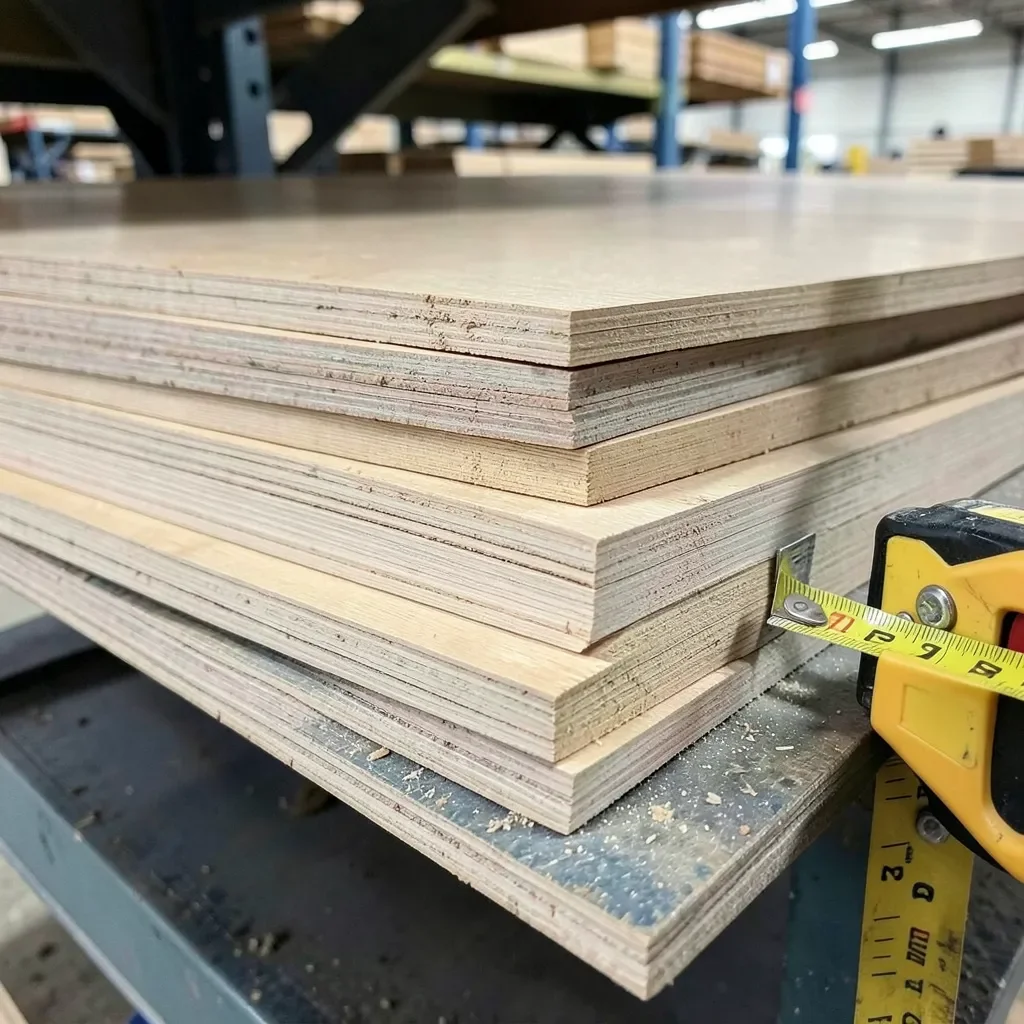
| 1/4 in | Rarely — usually exterior-glue only, not chemically treated | Cabinet backs, drawer bottoms, indoor project panels |
| 1/2 in (15/32) | Yes, widely stocked | Shed walls, fence panels, light outdoor sheathing |
| 3/4 in (23/32) | Yes, widely stocked | Deck framing, subfloors, structural sheathing |
If You Must Use Thin Plywood Outdoors
- Confirm the actual product: Ask for the specific SKU’s end-tag or spec sheet rather than trusting a generic listing title.
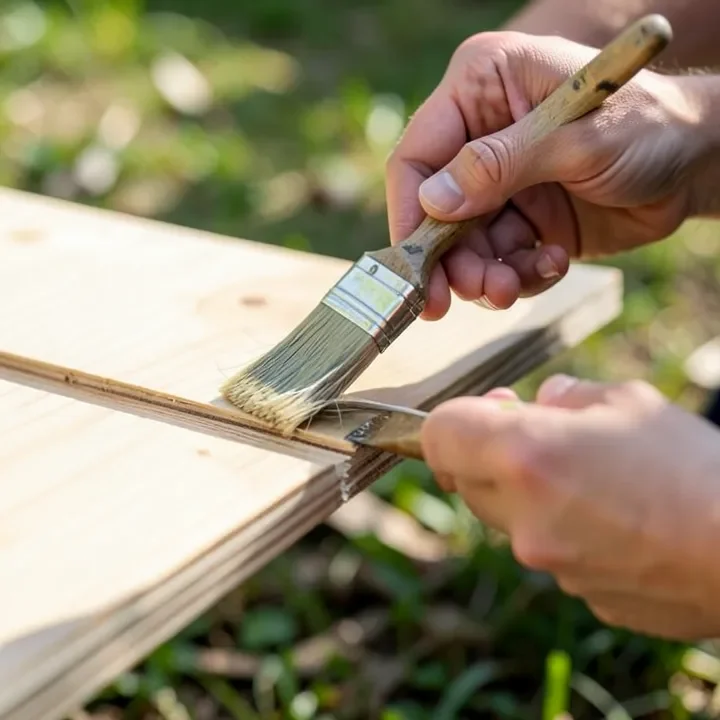
- Seal every face and edge: Cut edges absorb water fastest, so coat them even more heavily than the flat faces.
- Keep it out of ground contact and standing water: Thin exterior-glue plywood without preservative cannot substitute for a real UC4A-rated product in ground contact.
- Reapply sealant annually: A surface sealant wears faster than a treatment that penetrated the wood fibers.
- Use pressure-treated 1/2-inch or thicker wherever the IRC decay-protection rules actually apply: Do not substitute thin sealed plywood for code-required treated wood near grade.
“Cross-referencing a ‘1/4 inch’ filter with a ‘pressure-treated’ filter at most lumberyards and home centers turns up almost nothing in stock — that gap between the two filters is the clearest practical sign of how uncommon true thin pressure-treated plywood actually is.”
Frequently Asked Questions
What is 1/4 pressure treated plywood?
In practice, most plywood sold at 1/4 inch is exterior-glue plywood, not chemically pressure-treated — genuine pressure treatment is usually reserved for 1/2-inch and thicker structural panels. Always check for a real AWPA end-tag before assuming a thin sheet is treated.
How is pressure treated plywood made?
Plywood is loaded into a sealed steel cylinder, a vacuum draws air out of the wood fibers, then preservative is forced in under pressure so it penetrates rather than just coating the surface. Thin panels are more prone to warping or delaminating under that pressure cycle than thicker stock.
Where can I use thin plywood outdoors?
Above-grade applications away from standing water and ground contact — a sealed underside of an eave, a covered shed shelf, or a protected panel are reasonable uses. Anything within the IRC’s 6-inch ground clearance rule needs real pressure-treated lumber rated for that exposure, not a sealed thin panel.
Is pressure treated plywood safe for indoor use?
It is not prohibited, but it offers no benefit indoors and the preservative smell can be noticeable in an enclosed room until it airs out. For interior cabinet backs or drawer bottoms, standard interior-grade plywood is the simpler and cheaper choice.
Conclusion
Before buying “1/4 pressure treated plywood,” check the actual end-tag — true pressure treatment is uncommon below 1/2 inch, and a thin sheet without an AWPA rating will not perform like real treated lumber in ground contact or continuous moisture, no matter what the retail listing calls it.
Sponsored / affiliate links. As an Amazon Associate I earn from qualifying purchases. I may earn additional commission from eligible campaigns.