Boise Cascade Chester Plywood: What Mill #548 Actually Makes (2026)
Boise Cascade Chester Plywood isn’t a single branded product you pick off a shelf — it’s structural softwood plywood made at Boise Cascade’s Mill #548 in Chester, South Carolina, and that mill is still operating today.
If you searched for this expecting a specific consumer product page, here’s the direct answer: Chester is one of Boise Cascade’s plywood mills in the eastern U.S., APA-certified as Mill #548 since February 2017, and it ships roughly 320 million square feet of panels a year. Below is what the Chester mill actually produces, how to confirm a sheet really came from there, what its investment and jobs history actually was, and what you’ll need on-site if you’re installing this grade of plywood.
What Boise Cascade’s Chester, South Carolina Mill Actually Produces
The Chester mill sits at 1445 Lancaster Highway in Chester, South Carolina. Boise Cascade — a wood products and building materials company based in Boise, Idaho, founded in 1957 — bought the facility in 2013 from Chester Wood Products, and it now falls under Boise Cascade’s Wood Products division alongside the company’s other plywood panel and veneer plants.
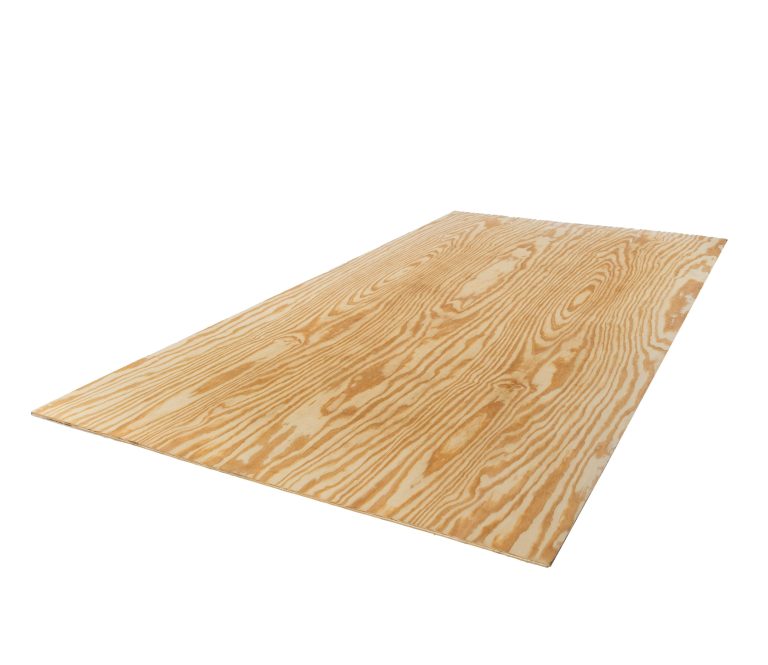
Chester’s output is 4×8 softwood sheathing panels plus smaller runs of specialty and industrial plywood — not furniture-grade or decorative panels. The table below breaks down what actually leaves the mill.
| Product | What It Is | Common Uses |
|---|---|---|
| Softwood sheathing plywood | 4×8 structural panels built from softwood veneer layers, glued and pressed | Roof decking, wall sheathing, subflooring |
| Veneer | Rotary-peeled softwood veneer used as the ply layers inside a finished panel | Plywood manufacturing at Chester and other Boise Cascade mills |
| Specialty / industrial plywood | Panels built to custom thickness or grade for non-residential orders | Industrial crating, packaging, commercial components |
Best Adhesive For Installing Sheathing Plywood
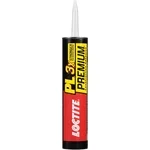 |
Loctite PL Premium Polyurethane Construction Adhesive – $6.48 Raw sheathing plywood itself isn’t something you buy on Amazon — it ships through lumberyards and building-material distributors. This is the adhesive that actually goes with it on install day.
|
Boise Cascade doesn’t sell panels directly to homeowners, and very few retailers put “Chester” on the shelf tag — the mill’s plywood moves through building-material distributors and lumberyards mixed in with output from the company’s other plants. The reliable way to confirm a specific sheet actually came from Chester is the APA grade-trademark stamp printed on the panel back: look for mill number 548 in the stamp. Boise Cascade’s Pacific Northwest mills carry different numbers — Elgin, Oregon is Mill #528, Medford, Oregon is 526 — so the stamp, not the store, is what tells you where a sheet was actually made.
Chester’s Investment and Jobs History
Since acquiring the mill in 2013, Boise Cascade has put more than $40 million into it across two documented projects. A $23.5 million upgrade in 2015 was tied to roughly 52 new jobs, and a second $17.5 million project in 2019 expanded warehouse capacity and production equipment. By 2019 the mill employed more than 295 full-time workers, a number that has stayed above 300 since.
When the 2019 expansion was announced, Chester County Supervisor Shane Stuart put it this way: “When one of our great corporate citizens, like Boise Cascade, expands once again in our county, they prove that there is no better place to be doing business than in Chester County. The new $17.5 million investment will have a positive impact on our economy!”
“When one of our great corporate citizens, like Boise Cascade, expands once again in our county, they prove that there is no better place to be doing business than in Chester County.”
Shane Stuart, Chester County Supervisor, S.C. Governor’s Office announcement, 2019
Grades, Certifications, and What “APA-Rated” Actually Means
Boise Cascade is an APA (The Engineered Wood Association) member manufacturer, and Chester’s panels are graded on the same A-through-D scale APA uses industry-wide: A-grade veneer is smooth and essentially defect-free, while lower letter grades allow progressively more knots, patches, and repairs on the face and back. Structural sheathing from Chester is certified to the U.S. Voluntary Product Standard PS 1 for structural plywood, which sets the requirements for panel construction, glue bond, and strength that let it carry a code-recognized span rating for roof and wall applications.
Structural sheathing from a mill like Chester typically ships in thicknesses from 3/8 inch up to 3/4 inch, with the span rating printed as two numbers separated by a slash — for example, 32/16 — on the APA stamp. The first number is the maximum recommended rafter or truss spacing (in inches) for roof sheathing use, and the second is the maximum joist spacing for subfloor use. Always match the span rating to your actual framing spacing rather than assuming a thicker panel automatically means a longer allowable span — the rating, not the thickness alone, is what your local inspector will check. If your project calls for thinner craft or hobby-grade sheets rather than structural sheathing, 1/8-inch plywood sheets are a different product category entirely and aren’t what a mill like Chester ships.
Sustainability: What’s Actually Verified
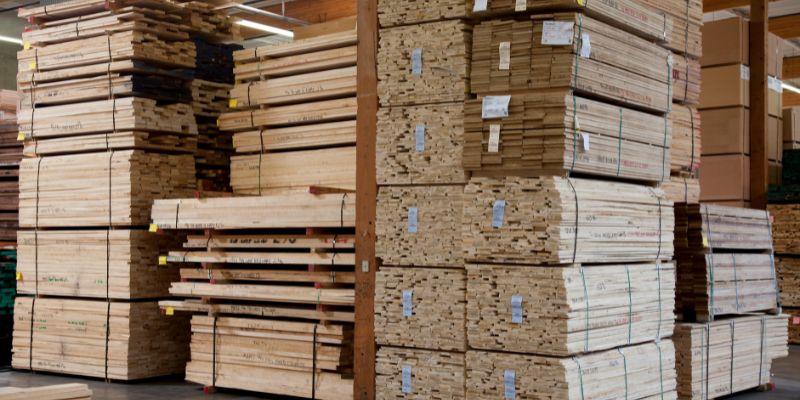
Boise Cascade’s primary production facilities, including Chester, are certified to the SFI (Sustainable Forestry Initiative) 2022 Fiber Sourcing Standard, and the company’s manufacturing plants are certified to the SFI 2022 Chain of Custody Standard. According to Boise Cascade’s own environmental reporting, 100% of the wood fiber procured for its manufacturing locations is verified annually by a third party against the SFI Fiber Sourcing Standard, with systems in place to trace fiber back to its district of origin.
📊 100% of Boise Cascade’s manufacturing-location wood fiber is third-party verified annually against the SFI Fiber Sourcing Standard. — Source: Boise Cascade, Sustainable Forestry (bc.com), 2026
Installing This Grade of Plywood: What Actually Holds It Down
Structural sheathing like what comes out of Chester is fastened with nails or screws on a schedule set by the local building code and the panel’s span rating — that part doesn’t change based on which mill made the sheet. Adding construction adhesive between the panel and the joist before fastening, in addition to nailing or screwing, resists squeaks and nail pops far better than fasteners alone. That’s why APA’s own glued-floor-system spec (AFG-01) exists, and why the adhesive above meets that standard.
A sharp, fine-tooth blade matters more on sheathing than people expect — a dull or coarse blade tears the face veneer instead of shearing it cleanly, which weakens the edge and makes fastener holding power less predictable near a cut line. Store panels flat and off the ground until install day; sheets left standing on edge or exposed to damp ground can develop a permanent bow that no amount of fastening will pull flat.
Chester vs. Boise Cascade’s Other Plywood Mills
Boise Cascade runs plywood mills in several states, and it’s easy to conflate them if you’re researching the company rather than one specific plant. Boise Cascade’s Elgin, Oregon mill (Mill #528) and its Medford, Oregon mill (Mill #526) both run on Pacific Northwest softwood species and ship mostly structural sheathing. Chester, South Carolina (Mill #548) is Boise Cascade’s mill serving the Southeast, acquired in 2013 with its own softwood plywood line, roughly 320 million square feet of annual capacity, and more than $40 million invested since the acquisition. If the plywood you’re researching is tied to a Southeastern U.S. project or supplier, Chester is the mill you actually want, not Elgin or Medford.
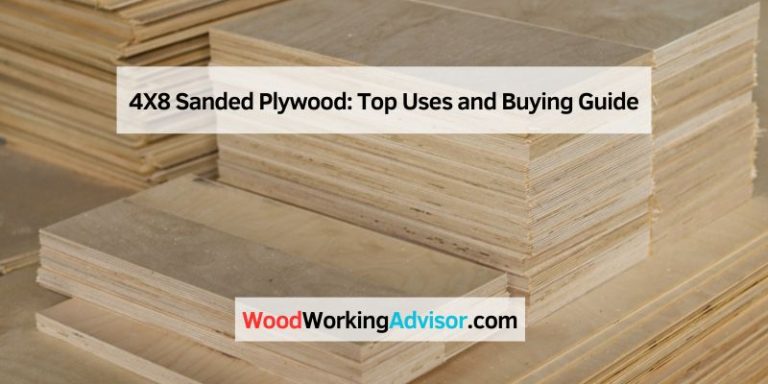
The takeaway for anyone who landed on this page looking for “Boise Cascade Chester Plywood” as a product: what you’re actually researching is one specific, currently-operating mill’s structural plywood output, identifiable by the APA 548 stamp, built to PS 1 and graded like any other APA panel. If you’re building furniture or shop projects rather than structural sheathing, a furniture-grade plywood project calls for a sanded panel grade, not the structural sheathing Chester primarily ships.
Frequently Asked Questions
What does Boise Cascade actually make at its Chester, South Carolina plant?
Boise Cascade’s Chester, South Carolina plant (APA Mill #548) makes 4×8 softwood sheathing plywood along with smaller runs of specialty and industrial panels. It is not a furniture-grade or decorative plywood mill.
Is the Chester, South Carolina Boise Cascade mill still operating in 2026?
Yes. Chester remains an active, APA-certified Boise Cascade plywood mill (Mill #548) as of 2026, alongside the company’s other plywood mills including Elgin and Medford, Oregon.
How can I tell if a sheet of plywood came from the Chester mill?
Check the APA grade-trademark stamp printed on the back of the panel. It lists a mill number along with the grade and span rating — Chester’s panels are stamped with mill number 548. Retailers rarely label plywood by mill, so the stamp is the only reliable way to confirm the source.
Where can I buy Boise Cascade plywood?
Boise Cascade sells through building-material distributors and lumberyards rather than direct to consumers, and panels from different mills are typically mixed together on a distributor’s shelf. Ask your lumberyard whether they carry Boise Cascade sheathing and check the APA stamp on the panel if you specifically need Chester-made (548) product.
Is Boise Cascade’s Chester plywood sustainably sourced?
Boise Cascade’s manufacturing facilities, including Chester, are certified to the SFI 2022 Fiber Sourcing and Chain of Custody standards, and the company reports that 100% of its manufacturing-location wood fiber is third-party verified annually against the SFI Fiber Sourcing Standard.
Sponsored / affiliate links. As an Amazon Associate I earn from qualifying purchases. I may earn additional commission from eligible campaigns.