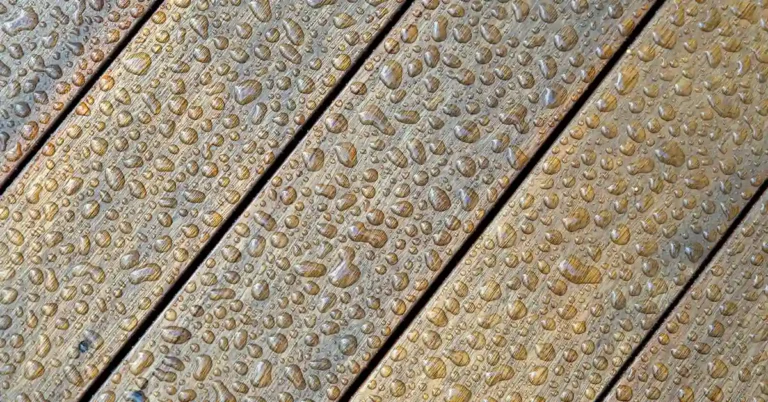
How to Clean an Area Rug on Hardwood Floor (Protect the Finish)
A rug on a hardwood floor traps moisture against the finish — vacuum it dry, blot spills within minutes, and never wet-shampoo a rug you cannot lift and dry flat. The wrong rug pad does more damage than a bad cleaning: synthetic rubber and PVC backings react with polyurethane finish and leave a permanent yellow stain refinishing may not remove. This guide covers safe cleaning steps, which rug pad materials protect the finish, and how to catch moisture damage early.
Quick Answer
Vacuum the rug on both sides, then blot spills immediately with a dry cloth — do not rub. For a deeper clean, spot-treat with mild detergent and a barely-damp cloth, then air-dry the rug completely flat before it touches the floor again. Use a 100% felt rug pad, never rubber or PVC, to keep the finish underneath from staining.
Preparing the Rug and the Floor Before You Clean
Best Hardwood-Safe Rug Pad Pick
RugPadUSA Basics 100% Felt Rug Pad
A pure felt pad with no rubber or PVC layer, so there’s no plasticizer to migrate into a polyurethane finish.
- Best for: sealed hardwood floors where finish protection matters more than maximum grip
- Why we picked it: listed by the maker as safe for hardwood finishes, matching the felt-only material NWFA recommends
- Main drawback: less non-slip grip than a felt-and-rubber hybrid pad, so it can shift on very smooth finishes
Compare more hardwood floor rug-care options
 Option 1 Bona Hardwood Floor Cleaner Spray
|
 Option 2 Mohawk Home Felt + Rubber Gripper Pad
|
 Option 3 Bissell Featherweight Stick Vacuum
|
As an Amazon Associate we earn from qualifying purchases.
Clear furniture off the rug and lift its edges to check the hardwood underneath before you start — any existing discoloration, dullness, or tackiness on the finish tells you the current pad is already a problem, and cleaning over it won’t fix that. Note where stains sit on the rug so you can spot-treat instead of soaking the whole surface later.
If the rug sits on unfinished or oiled hardwood rather than a polyurethane-sealed floor, treat every step here as higher-risk — unsealed wood has no film barrier and absorbs spilled cleaning solution directly into the grain.
Vacuuming Both Sides First
- Vacuum the top of the rug in the direction of the pile using medium suction — high suction on a rug with fringe can pull threads loose.
- Flip the rug and vacuum the back. Grit trapped against the backing is what scratches both the rug fibers and the hardwood finish over time.
- Run a crevice tool along the edges where the rug meets the floor — this is where dust and grit build up fastest and get tracked underfoot onto the finish.

Why the Wrong Rug Pad Ruins a Hardwood Finish
Hardwood floors are sealed with polyurethane, oil, or wax, and rubber is chemically incompatible with all three. Cheap rug pads made from PVC or synthetic rubber contain plasticizers that slowly migrate into the finish, leaving a permanent orange or yellow discoloration — flooring pros often call it a “nicotine stain” because of the color. Once it sets in, the fix isn’t cleaning; it’s sanding off the affected layer of finish and refinishing that section.
“Felt and jute rug pads are recommended for hardwood floors because they’re free of the chemicals that cause discoloration, and their open structure lets moisture dissipate instead of building up against the finish.”
A hardwood-safe rug pad is a cushioning layer made from 100% felt, jute, or felt combined with natural (not synthetic) rubber. It grips the floor without bonding to the finish, and its open weave lets trapped humidity escape rather than pool under the rug. Skip anything labeled just “non-slip” without a material breakdown — that’s usually PVC or vinyl foam, and it’s the version most likely to stain.
Spot-Cleaning Spills Without Damaging the Finish
Speed matters more than the cleaning solution. Blot a fresh spill with a dry cloth immediately — every minute it sits, more liquid works down through the pile toward the backing and the floor beneath it.
- Blot, don’t rub: press a clean cloth straight down on the spill to lift liquid out instead of pushing it deeper into the fibers.
- Mix a mild solution: a few drops of dish detergent in a cup of warm water handles most spills; use a vinegar-water mix for pet accidents or a baking soda paste for grease.
- Apply sparingly: dampen a cloth with the solution rather than pouring it on the rug — you want the stain treated, not the backing soaked.
- Rinse and blot again: wipe with a cloth dampened in plain water to remove detergent residue, then blot dry.
- Lift and check underneath: if any moisture reached the backing, prop that section of rug up so air reaches the hardwood below instead of trapping the damp spot overnight.
For pet accidents specifically, treat the stain fast and thoroughly — urine that soaks through a rug and sits on hardwood is the single fastest way to get a dark, set-in stain in the wood itself. If it’s already reached the floor, removing a dog urine stain from hardwood takes a different approach than rug cleaning does.
Deep Cleaning: Shampoo vs. Steam, and Which Is Safer on Hardwood
Regular vacuuming and spot-cleaning handle daily upkeep, but a heavily soiled rug eventually needs a deeper clean. On hardwood, the method you choose matters as much as how you do it.
Carpet Shampoo (Safer for Hardwood, If You Control the Moisture)
Vacuum first, then dilute a carpet shampoo per the label and work it in with a soft brush in small sections rather than soaking the entire rug at once. Shampooing a rug on hardwood floors is workable as long as you slide a plastic sheet or towel under the section you’re cleaning first, then rinse and blot each section before moving to the next. Never leave a shampooed rug on the hardwood to dry — hang it or lay it on a non-porous surface until it’s fully dry to the touch on both sides.
Steam Cleaning (Higher Risk — Use With Caution)
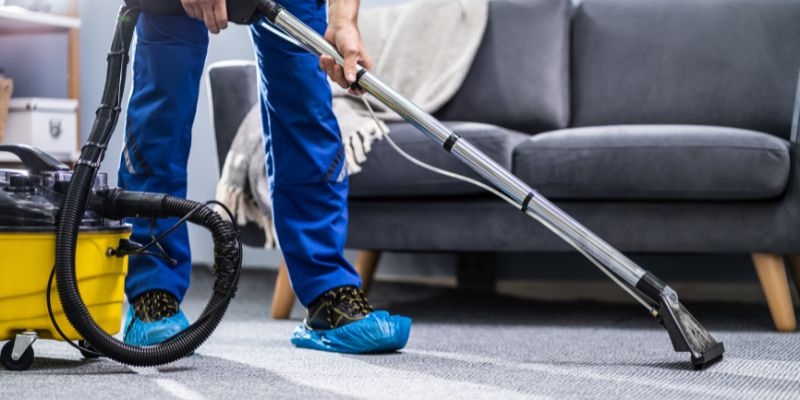
Steam kills allergens and bacteria that vacuuming alone misses, but heat and moisture are exactly what a hardwood finish doesn’t want nearby. If you steam clean a rug on a hardwood floor, keep the steamer head at least 6 inches from the rug’s edge, work in short passes instead of holding it in one spot, and never let condensation pool where the rug meets the floor. For rugs with a rubber or latex backing, skip steam entirely — the heat can soften the backing and push adhesive or plasticizer residue straight into the finish.
Drying the Rug So It Doesn’t Warp the Floor Underneath
Trapped moisture is what actually damages hardwood — not water contact itself, but water that sits against the finish for hours without evaporating. A rug is an effective moisture trap by design, which is exactly why drying matters more here than with any other cleaning step.
- Squeeze or press out as much water as possible before the rug goes anywhere near the floor again.
- Layer dry towels on top of damp areas and walk over them, or weight them down, to pull out residual moisture.
- Hang the rug over a rack or line in a well-ventilated room — never lay a damp rug flat on the hardwood to air dry.
- Confirm the rug is dry on both sides, including the backing, before setting it back down. A rug that feels dry on top can still be damp where it contacts the floor.
If you skip this step and moisture does get trapped, mold under a hardwood floor can start developing in as little as 24 to 48 hours in a warm, humid room — long before you’d notice a smell.
How to Catch Moisture Damage Before It’s Permanent
Early moisture damage under a rug looks like a faint ring or slightly darker patch at the rug’s edge, not obvious warping. Lift the rug every month or two and check for these signs while they’re still fixable:
- Cloudy or hazy finish where the rug pad sat — often the first sign of plasticizer or moisture reacting with the polyurethane.
- A tacky or slightly sticky feel underfoot when you run a hand across the exposed wood — rubber pad residue feels different from normal dust.
- Color shift at the rug’s outline — the wood inside the rug’s footprint looks visibly lighter or darker than the surrounding floor.
- Slight cupping at plank edges — boards that feel raised at the edges compared to the center indicate moisture absorption from below.
📊 Rotate rugs every 3 to 6 months (more often in high-traffic or sunny rooms) to even out UV exposure and moisture contact instead of letting one spot take all of it. — Source: hardwood flooring industry maintenance guidance
Catching cloudiness or a color shift early means a light buff and re-coat can usually fix it. Wait until the discoloration is obvious and you’re often looking at sanding and refinishing that section instead — the same underlying issue, just a much bigger repair. If the finish is already scratched from grit that got trapped under the rug, that’s a related but separate fix: fixing scratches on a hardwood floor covers that repair on its own.
Common Mistakes That Damage Hardwood Floors Under Rugs
- Using a rubber-backed bath mat or cheap non-slip pad instead of a felt or jute rug pad rated for hardwood — the single most common cause of the permanent yellow staining described above.
- Steam cleaning directly against the floor’s edge without keeping distance, pushing heat and moisture into the finish.
- Soaking the whole rug to deep clean it instead of working in sections with controlled moisture.
- Putting the rug back down while still damp, even slightly, because “it felt dry on top.”
- Never lifting the rug to check the floor underneath between cleanings — damage that’s caught early is a buff-and-recoat; damage caught late is a refinish.
Frequently Asked Questions
Can you clean an area rug on a wood floor?
Yes. Vacuum both sides regularly and spot-clean stains with a mild detergent and a barely-damp cloth. The floor risk isn’t cleaning the rug itself — it’s moisture and the wrong rug pad material reaching the finish underneath.
Is it OK to put area rugs on hardwood floors?
Yes, and rugs actually protect hardwood from scratches and foot-traffic wear in that spot. Use a felt or jute rug pad rated safe for hardwood, and rotate the rug every few months so one area isn’t taking all the wear and UV exposure.
If you are still choosing a pad, we break down the backing materials that are safe against a floor finish and the cost of securing a single rug with each type.
How do you clean an area rug without moving it?
Vacuum it thoroughly, then sprinkle baking soda over the surface and let it sit 30 minutes to absorb odors before vacuuming again. Spot-clean any stains with mild detergent and water. This works for routine upkeep but doesn’t replace flipping the rug occasionally to check and vacuum the backing.
Do area rugs discolor hardwood floors?
They can, but the rug fabric itself is rarely the cause. Trapped moisture and rug pads made from PVC or synthetic rubber are the usual sources — plasticizers in cheap pads migrate into the finish and leave a permanent yellow or orange stain. A felt or jute pad avoids this almost entirely.
What kind of rug pad is safe for hardwood floors?
100% felt or jute pads are the safest choice, and felt combined with natural rubber is acceptable for extra grip. Avoid pads made from PVC, vinyl foam, or synthetic rubber — those are the materials most likely to react with polyurethane, oil, or wax finishes and cause discoloration.
Can steam cleaning damage a hardwood floor under a rug?
Yes, if the steamer’s heat and moisture reach the floor. Keep the steam head at least 6 inches from the rug’s edge, avoid dwelling in one spot, and skip steam entirely on rugs with a rubber or latex backing, since heat can soften the backing and push residue into the finish.
Does baking soda damage hardwood floors?
Plain baking soda sprinkled on a rug and vacuumed back up is not a hardwood risk since it never contacts the floor directly. It’s a different story if baking soda paste is applied straight to bare wood — for the details on that specific use, see whether baking soda damages wood.
Conclusion
Cleaning an area rug on a hardwood floor comes down to two things: keep moisture under control, and keep the rug pad’s material away from the finish’s weak points. Vacuum both sides regularly, blot spills the moment they happen, dry the rug completely before it goes back down, and swap out any rubber or PVC pad for felt or jute. Lift the rug every couple of months to check the floor — catching a cloudy patch early is a quick fix; catching it late usually isn’t. Browse more hardwood floor care guides for related fixes.
Sponsored / affiliate links. As an Amazon Associate I earn from qualifying purchases. I may earn additional commission from eligible campaigns.