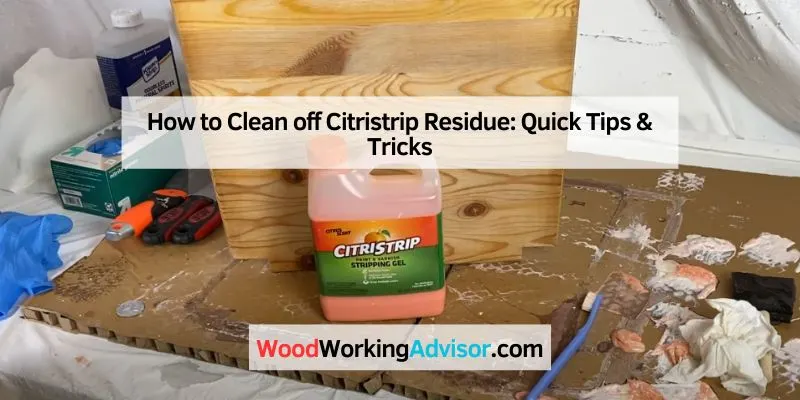
How to Clean off Citristrip Residue: Quick Tips & Tricks
To clean off Citristrip residue, use a clean cloth soaked in mineral spirits or rubbing alcohol. Wipe the surface thoroughly until all residue is removed.
Citristrip is a popular paint and finish remover, known for its citrus-based formula. While effective, it often leaves behind a sticky residue that can be frustrating to clean. Proper removal of this residue is essential for achieving a smooth, clean surface before applying a new finish.
Understanding the best techniques for removing Citristrip residue can save time and effort. Using the right materials ensures you won’t damage the underlying surface. This guide provides straightforward methods for tackling Citristrip residue, making your project easier and more enjoyable. Keep reading to learn how to restore surfaces to their original state efficiently.
Introduction To Citristrip
Citristrip is a popular paint and varnish remover. It is known for its citrus scent and effectiveness. Many DIY enthusiasts choose it for removing old finishes.
This product is safe for indoor use. It does not emit strong fumes like other removers. Users appreciate its environmentally friendly formula. Citristrip works well on wood, metal, and masonry surfaces. It can save time and effort in stripping paint.
Many people enjoy DIY projects. Citristrip makes these projects easier and more enjoyable. Its simple application process attracts beginners and experts alike.
Before You Begin
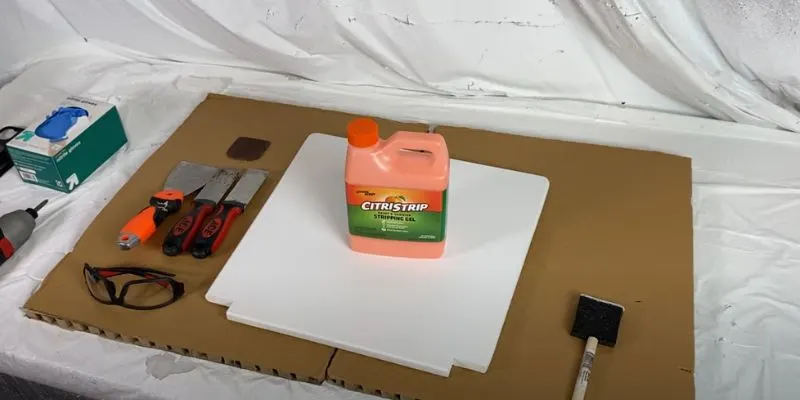
Safety precautions are very important before cleaning Citristrip residue. Always wear gloves and safety goggles. Use a mask to avoid inhaling fumes. Make sure to work in a well-ventilated area.
Materials needed for the cleaning process include:
| Material | Purpose |
|---|---|
| Paint scraper | To remove residue |
| Rags | For wiping surfaces |
| Mineral spirits | To dissolve residue |
| Bucket | For mixing cleaning solutions |
| Water | To rinse surfaces |
Applying Citristrip
To achieve the best results with Citristrip, follow these best practices:
- Always work in a well-ventilated area.
- Apply Citristrip using a brush for even coverage.
- Leave the product on for the recommended time.
- Use a plastic scraper for residue removal.
Avoid these common mistakes:
- Do not use metal scrapers, as they can damage surfaces.
- Never rush the drying time; patience is key.
- Do not apply too thick a layer, as it can be ineffective.
- Always wear protective gear to keep safe.
Waiting Time Matters
Waiting time is very important for removing Citristrip residue. The ideal wait time is usually 30 minutes to 24 hours. This depends on the surface type and temperature.
Check for signs that the residue is ready for removal. The surface should appear wet and saturated. If the Citristrip starts to bubble or lift, it’s time to act. Use a scraper to remove the residue.
Always wear gloves and a mask for safety. Make sure to work in a well-ventilated area. Clean up any remaining residue with a clean cloth and water.
Initial Removal Process
For effective removal of Citristrip residue, gather the right tools. Use a plastic scraper to gently lift residue from surfaces. Rags or paper towels work well for wiping. A brush can help with stubborn spots.
Different surfaces require special techniques. For wood, use a soft cloth and mild soap. Avoid harsh chemicals that can damage the finish. On metal, a damp cloth and a little elbow grease can do wonders. Always test on a small area first.
For glass, a glass cleaner can help remove any remaining residue. Plastic surfaces may need a gentle scrub with a soft sponge. Always read product labels for specific instructions on cleaning.
Dealing With Residue
Residue from Citristrip can be frustrating to deal with. It often sticks to surfaces and is hard to remove. This residue can cause uneven finishes and affect the final look of your project.
Initial steps for residue removal include using a scraper to gently lift the residue. A soft cloth soaked in warm water can help loosen stubborn spots. For tougher areas, a bit of soap may work wonders. Always test your method on a small area first to avoid damage.
Another effective method involves using mineral spirits or denatured alcohol. These solvents can break down the residue easily. Make sure to wear gloves and work in a well-ventilated area for safety.
Quick Tips & Tricks
Cleaning off Citristrip residue can be easy with the right methods. Natural solutions work well to remove stubborn residue.
- Vinegar: Spray vinegar on the area and wipe with a cloth.
- Baking soda: Make a paste with water, apply, and scrub gently.
- Lemon juice: Use lemon juice to help break down sticky spots.
For tougher spots, chemical helpers may be needed. Use products designed for paint removal.
- Acetone: Apply with a cloth for effective residue removal.
- Mineral spirits: Soak a cloth and wipe the area clean.
- Commercial cleaners: Choose a cleaner that targets Citristrip specifically.
Always test any product on a small area first. This prevents damage to surfaces.
Post-cleanup Care
After cleaning off Citristrip residue, proper care is essential. Start by protecting the surface with a suitable sealant. This helps in preventing damage and enhances appearance.
For long-term maintenance, regularly check the surface for any wear. Clean it gently with a mild soap and water solution. Avoid harsh chemicals that may harm the surface.
Use a soft cloth for drying to prevent scratches. Reapply the sealant as needed to maintain protection. Following these steps ensures a clean and lasting finish.
Frequently Asked Questions
How Do I Remove Citristrip Residue Effectively?
To remove Citristrip residue effectively, use a clean cloth soaked in denatured alcohol or mineral spirits. Gently scrub the area until the residue lifts. Rinse with water afterward to remove any chemical remnants. Always wear gloves and work in a well-ventilated space for safety.
Can I Use Vinegar To Clean Citristrip Residue?
Yes, vinegar can help clean Citristrip residue. Mix equal parts of vinegar and water in a spray bottle. Spray the solution on the residue and let it sit for a few minutes. Wipe it off with a cloth, ensuring the surface is clean and residue-free.
Is It Safe To Use Citristrip Indoors?
Using Citristrip indoors is not recommended without proper ventilation. The fumes can be harmful and irritating. Always work in a well-ventilated area or outdoors. Consider using an air purifier to minimize exposure to harmful chemicals during the application process.
What Tools Do I Need To Clean Citristrip Residue?
You’ll need a few basic tools to clean Citristrip residue. Gather clean cloths, a brush, and a solvent like mineral spirits. Additionally, wear protective gloves and goggles for safety. These tools will help ensure a thorough and safe cleaning process.
Conclusion
Cleaning off Citristrip residue is essential for achieving a polished finish. By following these steps, you can ensure your surfaces remain clean and ready for use. Always remember to use the right tools and safety precautions. With a little effort, you’ll achieve great results and enjoy your projects more.
Happy cleaning!