Will Mineral Spirits Evaporate? Yes, Here’s How Long It Takes
Yes, mineral spirits fully evaporate and leave no residue. A thin coat wiped onto bare wood or a tool typically flashes off in 15-30 minutes; a small open puddle takes longer, and a full, unsealed can will take days to weeks to evaporate completely.
Mineral spirits (also sold as paint thinner or white spirit) are a petroleum-based solvent used to thin oil-based paint, clean brushes, and remove grease and grime. Because they evaporate on their own, the real questions worth answering are: how long does it actually take, what changes the speed, and what safety issue does that evaporation create that most guides skip.
How Long Mineral Spirits Actually Take To Evaporate
Best Mineral Spirits Pick
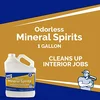
KLEAN-STRIP Odorless Mineral Spirits (1 Gallon) – $23.38
This is the exact odorless mineral spirits type discussed above – a full gallon lasts through many wipe-on finishing sessions.
- Best for: Thinning oil-based paint, wiping stain, general cleanup
- Why we picked it: Odorless formula matters for indoor/low-ventilation use
- Main drawback: A full gallon takes real time to evaporate if left open – keep it sealed
Compare more mineral spirits & safety supplies
 Option 1 Trimaco SuperTuff White T-Shirt Wiping Rags (4lb Box) – $27.53
|
 Option 2 Inspire Heavy Duty Black Nitrile Gloves (6 Mil) – $16.99
|
 Option 3 Rust-Oleum Low VOC Mineral Spirits (32 oz) – $15.85
|
As an Amazon Associate we earn from qualifying purchases.
The vague “a few hours to a few days” answer you’ll find elsewhere isn’t very useful, because the real number depends entirely on how much surface area the mineral spirits are exposed to:
| Situation | Approximate Time To Fully Evaporate |
|---|---|
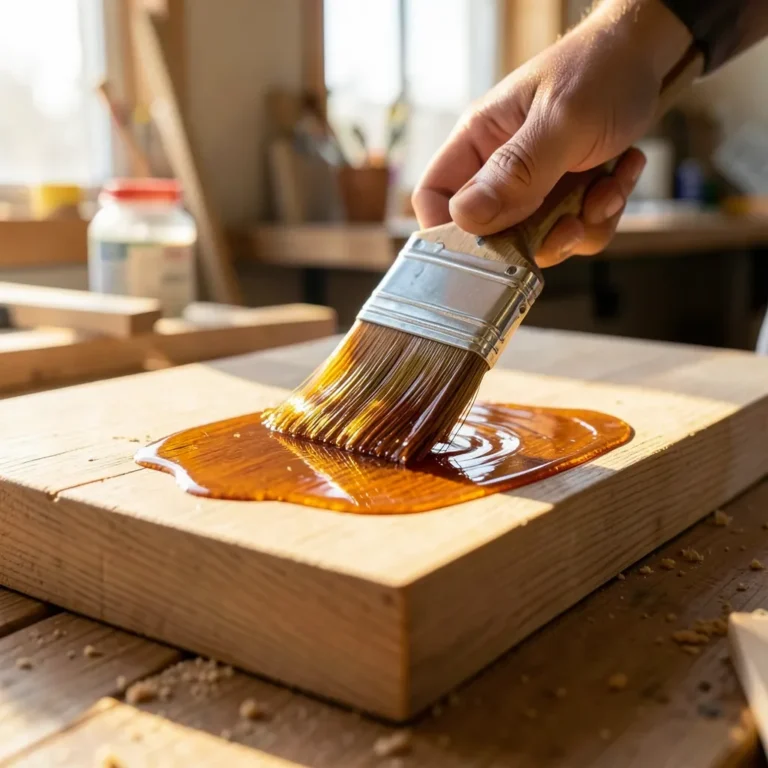
| Thin wipe on bare wood or a tool surface | 15-30 minutes |
| Small open puddle (a few tablespoons) | 2-6 hours |
| Soaked rag, loosely spread flat outdoors | Several hours to a day |
| Full, unsealed can or open container | Days to a few weeks |
More surface area exposed to air means faster evaporation, every time. That’s why a thin wipe disappears almost immediately while the same amount of mineral spirits pooled in a can lasts for days.
What Actually Speeds Up Or Slows Down Evaporation
Surface area matters most, as shown above. Beyond that:
- Temperature: warmer air speeds evaporation; a garage at 90°F clears mineral spirits noticeably faster than the same amount at 40°F.
- Airflow: a fan or open window moves saturated air away from the liquid surface, letting more solvent evaporate instead of the air becoming locally saturated and slowing the process.
- Humidity: mineral spirits aren’t water-soluble, so ambient humidity has only a minor effect compared to temperature and airflow — don’t expect a dehumidifier to meaningfully speed things up.
Mineral spirits have a boiling point around 300-360°F (150-182°C), much higher than water’s 212°F. That’s why they evaporate more slowly than water or acetone at room temperature, even though they do evaporate completely given enough time and air exposure.
The Safety Issue Evaporation Speed Actually Creates
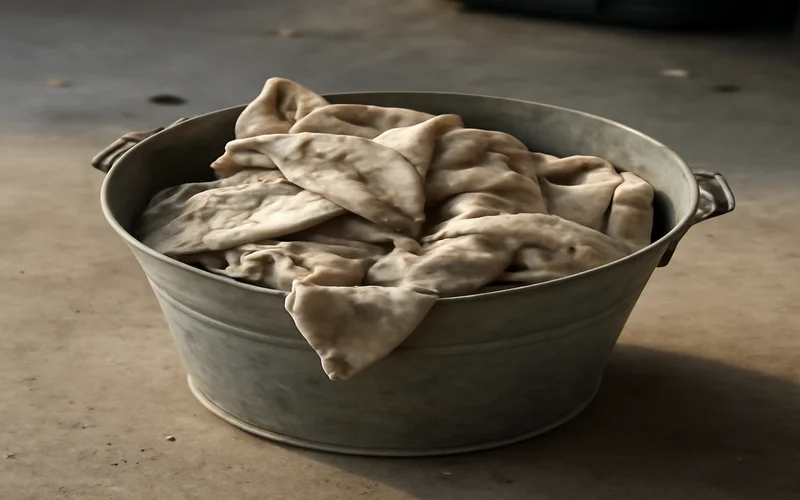
This is the part most “will it evaporate” articles skip entirely: a rag soaked in mineral spirits or an oil-based finish (like linseed oil or oil-based stain) doesn’t just dry — the oxidation process as it evaporates and cures generates real heat. Pile several of those rags together in a trash can, and that heat has nowhere to escape. Fire departments have documented actual house and shop fires caused by exactly this — a pile of solvent- or oil-soaked rags spontaneously combusting hours after the work was finished.
The fix is simple and often skipped: lay used rags flat outdoors on a nonflammable surface (concrete, not a wood deck) until they’re completely dry and stiff, or submerge them in a metal container of water, before throwing them away. Never wad them into a pile in a trash can or a plastic bag.
Mineral Spirits Vs. Other Common Solvents
Mineral spirits sit in the middle of the solvent speed range. Acetone and denatured alcohol evaporate much faster — often in minutes — which makes them better for quick-drying uses but worse for anything where you want working time (like wiping stain evenly). Water isn’t a comparable solvent for oil-based finishes at all; it won’t dissolve oil or grease the way mineral spirits do, and evaporates at a very different rate depending on humidity.
| Solvent | Relative Evaporation Speed | Best For |
|---|---|---|
| Acetone | Very fast | Quick cleanup, removing dried finishes |
| Denatured alcohol | Fast | Shellac, quick-drying finishes |
| Mineral spirits | Moderate | Thinning oil paint, wiping stain, cleaning brushes |
| Water | Variable (humidity-dependent) | Water-based paints and finishes only |
Storage And Handling Tips
- Keep the lid tightly sealed between uses — an open can loses solvent to evaporation even when you’re not using it, and slowly gets thicker/less effective.
- Store in a cool, dry spot away from any flame, spark source, or heat — mineral spirits vapor is flammable, not just the liquid.
- Use in a well-ventilated area; the fumes can cause dizziness or headaches with prolonged exposure in a closed space.
- Never pour leftover mineral spirits down a drain. Let solid residue settle in a sealed container, then take the container to a local hazardous-waste facility.
- Dry out soaked rags flat outdoors (see above) before disposal — this is the step most people skip and the one that actually causes fires.
Frequently Asked Questions
What Are Mineral Spirits?
Mineral spirits are a petroleum-derived solvent, also sold as paint thinner or white spirit. They’re used to thin oil-based paint, clean brushes, and remove grease or sticky residue.
Do Mineral Spirits Evaporate Completely?
Yes, mineral spirits evaporate completely and leave no residue. A thin layer evaporates in 15-30 minutes; a fully open can can take days to weeks, since evaporation speed depends on how much surface area is exposed to air.
How Long Do Mineral Spirits Take To Evaporate?
A thin wipe on wood or a tool typically evaporates in 15-30 minutes. A small open puddle takes 2-6 hours. A soaked rag spread flat can take several hours to a day. A full, unsealed can can take days to weeks. Temperature and airflow speed this up; humidity has only a minor effect.
Are Mineral Spirits Flammable?
Yes. Both the liquid and its vapor are flammable, so store and use mineral spirits away from open flames, sparks, or heat sources. Rags soaked in mineral spirits or an oil-based finish can also generate enough heat while drying to spontaneously combust if piled together — always lay them flat to dry before disposal.
Conclusion
Mineral spirits do evaporate completely, and how long that takes comes down to surface area, temperature, and airflow — not a fixed number of hours. Keep the container sealed to slow evaporation when you’re not using it, and treat the disposal step seriously: lay used rags flat to dry rather than balling them into a trash can, since that’s the step that actually causes shop fires, not the evaporation itself.
Sponsored / affiliate links. As an Amazon Associate I earn from qualifying purchases. I may earn additional commission from eligible campaigns.