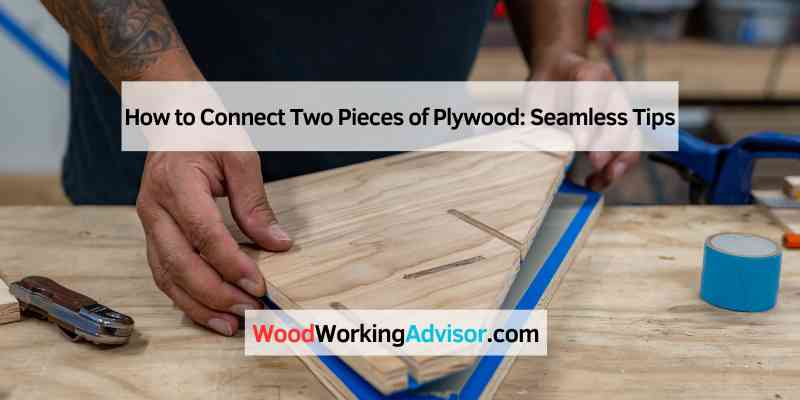
How to Connect Two Pieces of Plywood: Seamless Tips
To connect two pieces of plywood, use wood glue for a strong bond or screws for added stability. Clamps can help secure the pieces while the glue dries.
Connecting two pieces of plywood is a common task in woodworking and DIY projects. Whether you’re building furniture, crafting shelves, or creating a project, ensuring a strong connection is crucial. Plywood is versatile and easy to work with, making it a popular choice for various applications.
The right joining method can significantly impact the durability and strength of your finished project. Understanding the best techniques not only saves time but also enhances the overall quality. This guide will explore effective methods to connect plywood, highlighting essential tools and tips for a seamless finish. Get ready to create sturdy and reliable constructions with ease.
Introduction To Plywood Joinery
Plywood is made from thin layers of wood. These layers are glued together. This process creates a strong material. Plywood is widely used in furniture and construction.
Understanding the basics of plywood helps in effective joinery. Seamless connections are important for strength and appearance. A well-joined plywood piece looks clean and professional.
Weak connections can cause problems. They may lead to cracks or breaks. Strong joints enhance durability and longevity.
| Benefit | Description |
|---|---|
| Strength | Seamless connections provide added stability. |
| Aesthetics | Clean joints improve the overall look. |
| Durability | Well-made joints last longer and resist wear. |
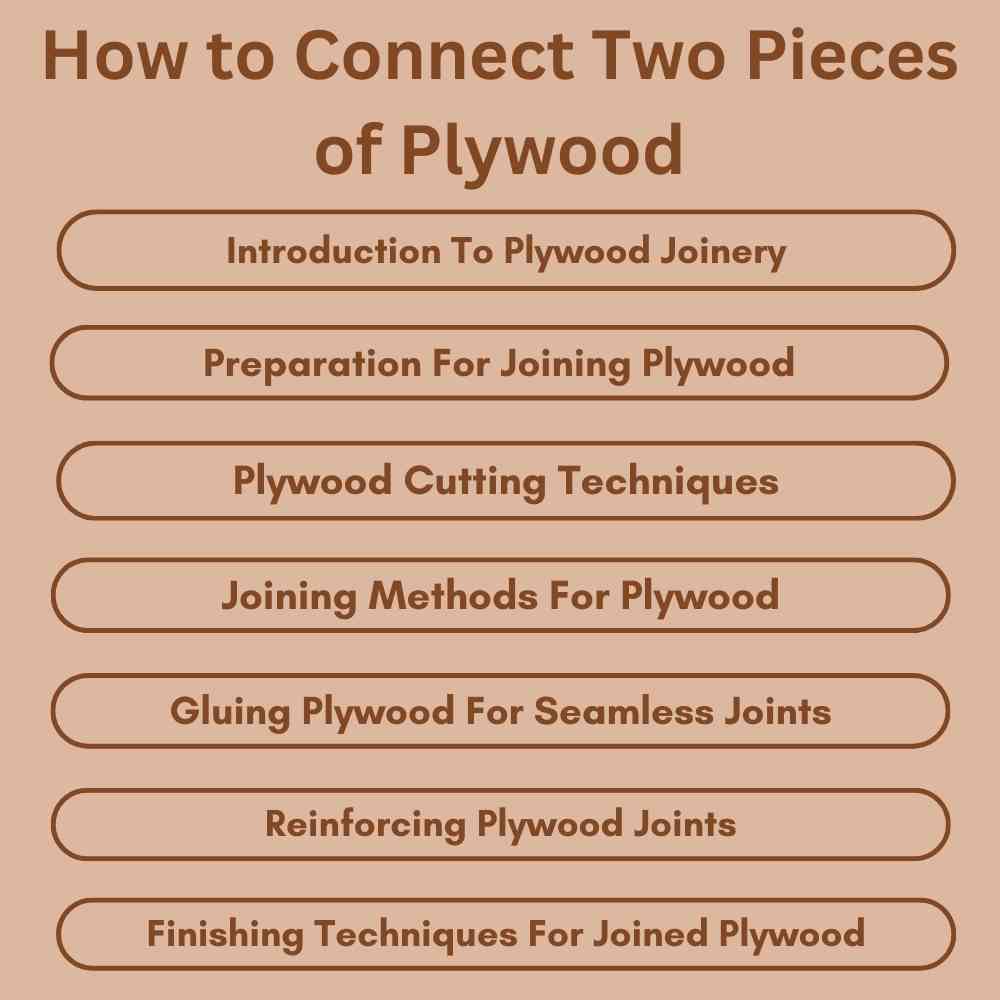
Preparation For Joining Plywood
Choosing the right plywood is very important. Thickness and grade affect the strength. Use plywood with a smooth surface for better glue adhesion. Select exterior-grade plywood for outdoor projects. It can resist moisture and weather damage.
Essential tools include a circular saw, measuring tape, and clamps. Gather wood glue and sandpaper for finishing touches. A drill is needed for creating holes. Screws or nails can secure the plywood pieces together.
| Tools | Materials |
|---|---|
| Circular Saw | Plywood |
| Measuring Tape | Wood Glue |
| Clamps | Screws/Nails |
| Drill | Sandpaper |
Plywood Cutting Techniques
Measuring and marking accurately is key for good cuts. Start with a tape measure to find the right lengths. Use a pencil for clear markings. A square helps create straight lines. Double-check your measurements before cutting.
For cutting methods, several tools work well. A circular saw provides quick cuts. A jigsaw is great for curves and intricate shapes. Use a hand saw for small jobs. Always wear safety gear when cutting.
| Tool | Best For |
|---|---|
| Circular Saw | Quick, straight cuts |
| Jigsaw | Curves and shapes |
| Hand Saw | Small tasks |
Joining Methods For Plywood
Joining methods for plywood can vary based on the project. Here are some common techniques:
| Joining Method | Description |
|---|---|
| Edge to Edge Joining | Align the edges of two pieces and use glue or dowels. |
| End to Face Joining | Join the end of one piece to the face of another using glue. |
| T-joints | Form a T shape by placing one piece against another. |
| Corner Joints | Join two pieces at a right angle for added strength. |
Choosing the right method ensures strong and durable connections. Always use clamps to hold pieces in place while drying. This prevents shifting and misalignment.
Gluing Plywood For Seamless Joints
Choosing the right glue is crucial for a strong bond. PVA glue is popular for woodworking. It dries clear and is easy to clean. Polyurethane glue is another option. This glue expands and fills gaps well.
For strong bonds, use the following application techniques:
- Apply glue evenly on both surfaces.
- Use a brush for better coverage.
- Clamp the pieces together firmly.
- Allow the glue to cure as per instructions.
Check the temperature and humidity before starting. These factors can affect drying time. A clean surface ensures a better bond.
Reinforcing Plywood Joints
To connect two pieces of plywood, using biscuits or dowels is effective. These methods create strong joints. Biscuits are thin, oval-shaped pieces of wood. They fit into slots cut into the plywood edges. This helps align the pieces perfectly.
Dowels are cylindrical rods made of wood. They provide similar support by fitting into holes drilled in both pieces. Make sure to use the right size for a snug fit.
The role of screws and nails is also important. Screws offer strength and stability. They hold the plywood tightly together. Use screws along with biscuits or dowels for the best results.
Nails can be quicker to use but provide less strength than screws. Choose the right fasteners for your project needs.
Finishing Techniques For Joined Plywood
To achieve a smooth finish on joined plywood, sanding is essential. Start with coarse sandpaper to remove any rough spots. Gradually switch to finer sandpaper for a smoother surface. Always sand in the direction of the grain. This prevents scratches and keeps the wood looking great.
Sealing the joint is important for durability. Use a wood sealer to protect against moisture. Apply the sealer evenly, covering all edges of the plywood. Let it dry completely before using the plywood. This will help keep the joint strong and prevent damage.
Troubleshooting Common Joinery Issues
Fixing misaligned joints can be tricky. First, check the edges of both plywood pieces. Make sure they are straight and even. Use a square to align the edges properly. If they still don’t match, sand the edges slightly. This will help them fit together better.
Dealing with glue squeeze-out is important too. Apply glue sparingly to avoid excess. If glue does squeeze out, clean it up quickly. A damp cloth works well to wipe it away. For stubborn glue, use a scraper once it dries. This ensures a clean finish.
Frequently Asked Questions
How Can I Join Two Pieces Of Plywood Securely?
To join two pieces of plywood securely, use wood glue and clamps for a strong bond. You can also use screws or dowels for added strength. Make sure to pre-drill holes to prevent splitting. For a seamless finish, consider edge banding the joint area.
What Tools Do I Need To Connect Plywood?
To connect plywood, you’ll need a drill, screws, wood glue, clamps, and a saw. A measuring tape and square will help ensure accuracy. Sandpaper is useful for smoothing edges. Having these tools ready will make your project easier and more efficient.
Is Wood Glue Enough To Connect Plywood?
Wood glue can be sufficient for connecting plywood when used properly. It forms a strong bond once cured. For additional strength, consider using screws or nails alongside the glue. This combination will provide durability, especially for heavy-duty applications.
Can I Use Nails To Connect Plywood?
Yes, you can use nails to connect plywood. However, ensure that you use the right size and type of nails. For better holding power, consider using screws instead. Nails are quick, but screws offer more strength and stability in the long term.
Conclusion
Connecting two pieces of plywood can be simple and effective with the right techniques. Choose methods that suit your project needs, whether using glue, screws, or brackets. A strong bond ensures durability and stability. With these tips, you can achieve a seamless connection, enhancing your woodworking projects and overall craftsmanship.