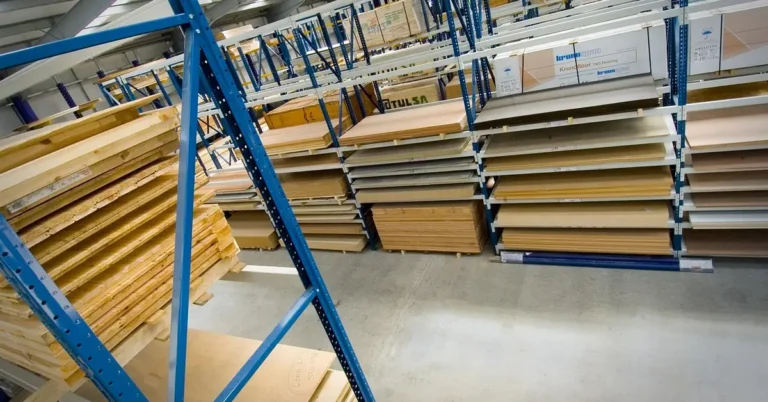
Best Plywood for a Workbench Top: Baltic Birch vs Standard
Baltic birch plywood is the best choice for a workbench top — its void-free, multi-ply core resists sagging and warping better than standard construction-grade sheets. Skip that distinction and a bench top can flex, split at fastener points, or sag within a season of hard use. This guide covers Baltic birch vs construction-grade vs cabinet-grade plywood, the 1.5-3 inch lamination approach, and a replaceable hardboard sacrificial top.
Quick Answer
Use Baltic birch plywood for a workbench top — its void-free, cross-laminated plies resist sagging better than construction-grade fir or pine plywood. Build the top from two or three layers of 3/4-inch plywood glued and screwed together (1.5-2.25 inches total), then add a 1/4-inch tempered hardboard sacrificial layer on top that you can replace when it wears out.
Choosing The Right Plywood For Your Workbench
Best Workbench Top Plywood Pick
Baltic Birch Plywood, 3/4in x 24in x 48in Sheet
Void-free, multi-ply Baltic birch sized for jigs, sacrificial tops, or a laminated top layer over a cheaper substrate.
- Best for: a flat, void-free top layer laminated onto MDF or construction-grade plywood
- Why we picked it: nearly void-free core resists chipping and sagging better than standard plywood
- Main drawback: costs more per sheet than construction-grade plywood of the same size
Compare more lamination and assembly options
 Option 1 8-Pack Bar Clamps (12in and 6in)
|
 Option 2 #10 x 3in Exterior Deck Screws (137pc)
|
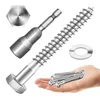 Option 3 5/16in x 3in Hex Lag Bolts with Washers
|
As an Amazon Associate we earn from qualifying purchases.
Choosing the right plywood for your workbench is essential for durability. High-quality plywood resists warping and cracking. Look for hardwood plywood like birch or maple for strength.
Thickness is very important for stability. At least ¾ inch thickness provides a solid surface. Thicker plywood can handle heavy loads without bending.
Consider a veneered plywood for a smooth finish. It helps in easy cleaning and maintenance. Use a laminated plywood for extra durability against wear and tear.

Types Of Plywood Suitable For Workbench Tops
Hardwood plywood is often the best choice for workbench tops. It is strong and durable. This type has a smooth surface, perfect for various projects. It resists scratches and dents well. The layers in hardwood plywood provide stability and strength.
Softwood plywood can also be a good fit for workbenches. It is lighter and easier to handle. This option is typically cheaper than hardwood. Softwood plywood works well for light-duty tasks. It may not last as long as hardwood but offers decent performance.
The Importance Of Plywood Grade
Choosing the right plywood grade is essential for a strong workbench top. Different grades indicate quality and durability. Higher grades have fewer defects and are more stable. For workbench projects, consider using Grade A or Grade B plywood. These grades provide a smooth surface and strong support.
Deciphering plywood grading can be simple. Grades range from AA to D. Grade A has the fewest defects, while Grade D has more visible flaws. It’s crucial to select a grade that meets your project needs.
| Grade | Characteristics |
|---|---|
| Grade A | Smooth, few defects, ideal for visible surfaces. |
| Grade B | Some defects, still good for sturdy projects. |
| Grade C | More visible flaws, suitable for utility use. |
| Grade D | Many defects, best for hidden areas. |
Baltic Birch vs Construction-Grade vs Cabinet-Grade Plywood
Plywood grade (the A-D face-veneer scale above) is not the same thing as plywood type. Baltic birch, cabinet-grade, and construction-grade plywood are different products built from different numbers of thinner plies, and that ply construction is what actually determines whether a workbench top sags under a mallet blow or clamp pressure.
| Plywood Type | Void Quality | Relative Cost | Best Use |
|---|---|---|---|
| Baltic birch | Nearly void-free core, 9-13 thin cross-laminated plies | Highest | Precision jigs and workbench tops needing maximum flatness and rigidity |
| Cabinet-grade (birch/maple face) | Few voids, 7 plies with a nicer face veneer than construction-grade | Mid-range | Furniture-quality tops where appearance matters as much as strength |
| Construction-grade (CDX/BC fir or pine) | Common voids in the inner plies, fewer total layers | Lowest | Budget benches, best laminated in multiple layers or backed with bracing underneath |
Solid Baltic birch is a genuinely different material from standard birch plywood — and for a full workbench top, many woodworkers find a full sheet of it overkill for a surface that is going to get dented and scratched anyway. A common compromise is laminating a thinner sheet of Baltic birch, or a hardboard sacrificial layer, onto a cheaper MDF or construction-grade plywood base underneath.
Plywood Core Options
Plywood core options play a key role in choosing a workbench top. Two popular types are veneer core and MDF core. Veneer core plywood has a strong structure. It consists of thin layers of wood glued together. This type is often lighter and less expensive.
MDF core plywood offers a smooth surface. It provides excellent stability and durability. This type is great for heavy use. It resists warping and is easy to work with.
The benefits of a combined core can be significant. A combined core uses both MDF and veneer layers. This results in a balanced mix of strength and smoothness. Such cores often yield better performance in various conditions.
Surface Treatments And Finishes
Sealing plywood is essential for durability. It protects the wood from moisture and stains. Choose a high-quality sealant for the best results. A good sealant can extend the life of your workbench top.
Applying protective coatings is also important. These coatings add a layer of protection against scratches and dents. Use a polyurethane finish for a strong barrier. This finish dries clear and enhances the wood’s natural beauty.
Always follow the manufacturer’s instructions for application. Apply multiple thin coats for the best protection. Allow each coat to dry completely before adding the next.
Size And Cut: Preparing Plywood For Assembly
For a perfect workbench top, size and cut are very important. Start with measuring the area where the workbench will sit. Use a straight edge and a sharp blade for clean cuts. This helps avoid splinters.
Here are some precision cutting tips:
- Always use a saw suitable for plywood.
- Keep the blade sharp for cleaner edges.
- Support the plywood on both sides while cutting.
Edge treatments add both aesthetics and function. Consider using banding to cover raw edges. This makes the plywood look neat. It also protects against moisture and wear.
Assembly Techniques For Plywood Workbenches
For a strong workbench top, use proper gluing and clamping methods. Apply a generous amount of wood glue between the plywood layers. Make sure to clamp the pieces tightly together. This helps create a solid bond.
After gluing, reinforce the top with hardware. Use corner brackets for added strength. These brackets help prevent warping and increase stability. Screws can also be used to secure the plywood layers. They provide extra support and durability.
Always check for any gaps after clamping. Fill them with glue or wood filler for a smooth finish. A well-assembled workbench will last longer and perform better in your projects.
Most workbench tops use two to three layers of 3/4-inch plywood glued and screwed together, for a total thickness of 1.5 to 2.25 inches — some builders add a third layer or extra bracing underneath to reach 3 inches for maximum rigidity under heavy tool and clamp use. If you want a smoother, more forgiving surface, see our guide on laminating plywood for the full gluing and clamping sequence.
A popular final step is a sacrificial top: a thin, replaceable layer — usually 1/8 to 1/4-inch tempered hardboard — screwed or double-sided-taped on top of the main plywood layers. It absorbs dents, glue drips, and saw marks, and can be unscrewed and swapped out every few years instead of rebuilding the entire bench top.
📊 Two to three glued layers of 3/4-inch plywood (1.5-2.25 inches total), topped with a thin replaceable hardboard layer, is the construction method most frequently recommended across established woodworking forums and shop-build guides. According to woodworking author Christopher Schwarz, whose published workbench-design research is widely cited in the woodworking community, a benchtop’s mass, thickness, and flatness matter more for performance than the wood species used — which is why laminated plywood or MDF sandwiches remain common alternatives to solid hardwood tops. Source: woodworking forum and shop-build consensus, 2026.
Maintenance Tips For Plywood Workbench Tops
Choosing the right plywood for workbench tops ensures durability and functionality. Opt for a high-grade, thick plywood like birch or maple for better resistance to wear and tear. Regular maintenance, such as sealing and cleaning, can significantly extend the lifespan of your workbench surface.
Routine Cleaning Practices
Regularly clean your plywood workbench top. Use a damp cloth to remove dust. Avoid using harsh chemicals. They can damage the wood surface. For spills, wipe them up immediately. This helps prevent stains and warping.
Dealing With Wear And Tear
Check for scratches or dents often. Lightly sand these areas to smooth them out. Apply a wood conditioner to protect the surface. Refinish the top once a year to maintain its look.
Keep the workbench dry to prevent mold. Store tools properly to avoid scratches. A little care goes a long way in keeping your workbench top in great shape.
Cost Considerations
Choosing the right plywood for your workbench top affects costs. Balancing quality and budget is crucial. Premium plywood often costs more but offers better durability. It can last for many years without damage.
Lower-quality plywood may save money upfront. Yet, it might need replacement sooner. This leads to higher costs in the long run. Investing in premium plywood could save money over time.
| Type of Plywood | Initial Cost | Longevity |
|---|---|---|
| Premium Plywood | Higher | Long-lasting |
| Standard Plywood | Lower | Shorter lifespan |
Real-life Examples
Many woodworkers share their experiences with different types of plywood. Birch plywood stands out for its strength and smooth surface. It’s perfect for a workbench top. Maple plywood is another favorite. It offers great durability and a beautiful finish. Softwood plywood is often used too, as it is lightweight and easy to handle.
Community reviews highlight cost-effectiveness and availability as key factors. Many recommend using 3/4″ thickness for stability. Some users prefer laminated plywood for added durability. Baltic birch is praised for its uniformity and strength. It can withstand heavy tools and impacts.
| Plywood Type | Strength | Cost |
|---|---|---|
| Birch | High | Moderate |
| Maple | High | High |
| Softwood | Moderate | Low |
Frequently Asked Questions
What Type Of Plywood Is Best For A Workbench?
The best plywood for a workbench is typically birch or maple. These hardwood options offer durability and strength. They resist warping and scratching, making them ideal for heavy-duty tasks. Choose at least 3/4-inch thickness for added stability. Quality plywood ensures your workbench can withstand years of use.
Can I Use Mdf For A Workbench Top?
MDF can be used for a workbench top, but it has limitations. While it’s smooth and affordable, MDF is less durable than plywood. It can sag under heavy loads and absorbs moisture, leading to damage. If you choose MDF, consider adding a protective layer to enhance its lifespan.
How Thick Should Plywood Be For A Workbench?
Plywood thickness should ideally be at least 3/4 inch for a workbench. This thickness provides the necessary support for heavy tools and materials. Thicker plywood increases overall stability and reduces the risk of sagging. Always choose high-quality plywood to ensure maximum strength and longevity.
Is Plywood Waterproof For Outdoor Workbenches?
Standard plywood is not waterproof and can warp outdoors. However, you can use marine-grade plywood, designed for wet conditions. This type is treated to resist moisture and is more durable. Always apply a protective sealant to enhance its water resistance further, ensuring your workbench lasts longer outside.
Is Baltic Birch Plywood Overkill for a Workbench Top?
For a full workbench top, often yes — many woodworkers find a complete sheet of Baltic birch too expensive for a surface that will get dented and scratched anyway. A common compromise is laminating a thinner Baltic birch or hardboard sacrificial layer onto a cheaper MDF or construction-grade plywood base, giving the same tool-resistant surface at a lower material cost.
How Many Layers of Plywood Should a Workbench Top Have?
Most workbench tops use two to three layers of 3/4-inch plywood glued and screwed together, for a total thickness of 1.5 to 2.25 inches. Some benches add a third layer or extra bracing underneath to reach 3 inches for maximum rigidity under heavy tool and clamp use.
What Is a Sacrificial Top on a Plywood Workbench?
A sacrificial top is a thin, replaceable layer — usually 1/8 to 1/4-inch tempered hardboard — attached on top of the main plywood layers. It absorbs dents, glue drips, and saw marks, and can be unscrewed and replaced every few years instead of rebuilding the entire bench top.
Conclusion
The right plywood for a workbench top comes down to two decisions: pick Baltic birch, or a laminated construction-grade/MDF base, for a void-free, sag-resistant core, then build up to 1.5-3 inches thick with a replaceable hardboard sacrificial layer on top. That combination outlasts a single sheet of any one grade alone. For the full build process, see our guide on how to build a plywood workbench or our DIY workbench top plans, and browse more plywood buying guides for other projects.
Sponsored / affiliate links. As an Amazon Associate I earn from qualifying purchases. I may earn additional commission from eligible campaigns.
 Baltic Birch Plywood 1/8'' x 12'' x 18'', 6 Pack, B/BB Grade, Void-Free Core, Laser Cutting Ready, Flat Sheets for CNC, Engraving, DIY Crafts, Art Painting, Wood Burning, Staining
 Baltic Birch Plywood Sheets Box of 45 - Laser Engraving Cutting, Scroll Saw Nature Veneer Color, Stronger Than Basswood, A/A Grade,12 x 12 x 1/8”, 3mm Thickness Perfect for Wood Burning