How to Dispose of Oily Rags: Safe and Eco-Friendly Methods
Disposing of oily rags can be tricky. Incorrect disposal may cause fires.
Oily rags are a common byproduct of various tasks, from painting to car maintenance. These rags, soaked in substances like paint or motor oil, can pose a significant fire hazard if not handled correctly. Proper disposal is crucial for safety and environmental protection.
In this guide, we will explore the best practices for disposing of oily rags. You will learn safe, simple methods to prevent accidents and ensure compliance with local regulations. By understanding these steps, you can keep your home and environment safe while dealing with oily rags responsibly. Let’s dive into the details and ensure you’re equipped with the knowledge to manage these materials safely.
Credit: mendhamfd.org
Importance Of Proper Disposal
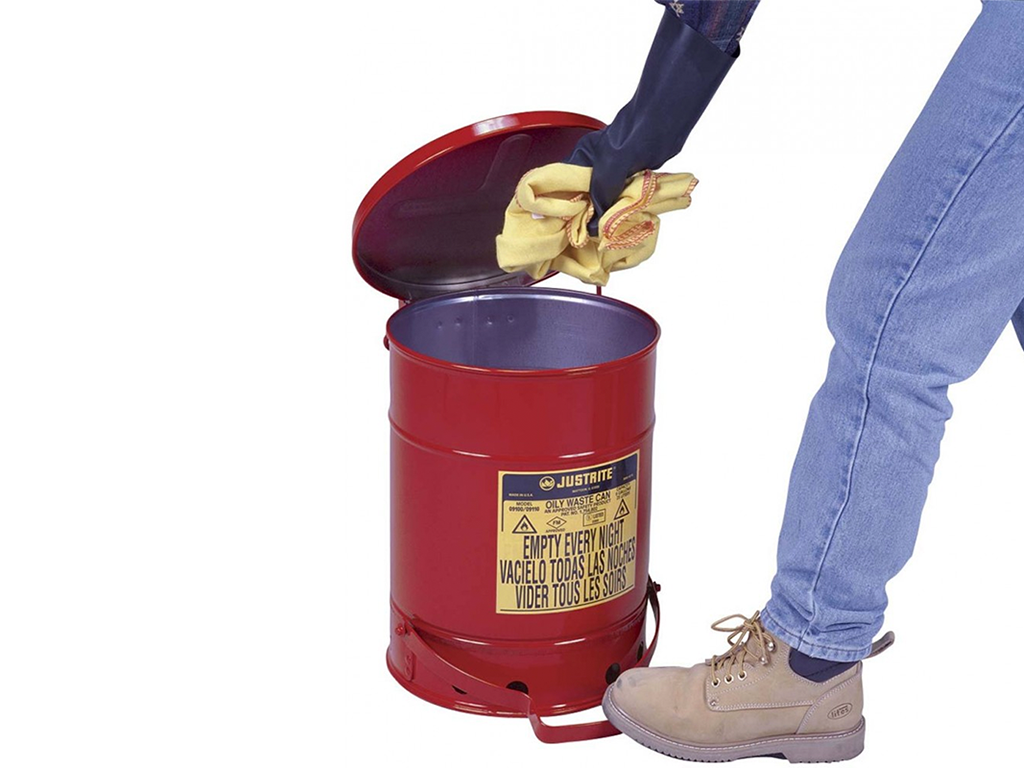
Proper disposal of oily rags prevents fire hazards and environmental pollution. Store used rags in metal containers with airtight lids. Follow local regulations for disposal to ensure safety.
Environmental Impact
Oily rags can harm the environment. They can pollute water and soil. This can kill plants and animals. Proper disposal stops this damage. Use safe methods to dispose of oily rags. This helps protect nature.
Fire Hazards
Oily rags can cause fires. They can catch fire even without a spark. This is called spontaneous combustion. Store oily rags in a metal container. Make sure the container has a tight lid. This keeps the rags safe and prevents fires.
Identifying Oily Rags
Oily rags are rags soaked with oil. They can be dangerous. Different oils can be used. Some oils are cooking oils. Others are machine oils. Some are also used for cleaning.
Types Of Oils
Cooking oils include olive oil and vegetable oil. Machine oils include motor oil and lubricant. Cleaning oils include mineral oil and linseed oil.
Common Uses
Cooking oils are used in kitchens. Machine oils are used in garages. Cleaning oils are used in homes. They can also be used in workshops.
Pre-treatment Steps
Store oily rags in a metal container with a tight lid. Add water to keep them damp. Dispose of at a hazardous waste facility.
Removing Excess Oil
First, squeeze out as much oil as possible. Use gloves to protect your hands. Place the oily rag on a flat surface. Press down firmly with a clean cloth. The oil will transfer to the clean cloth. Repeat until no more oil comes out. This reduces the risk of fires.
Using Absorbents
Spread cat litter or sawdust on the rag. These materials absorb oil well. Let the rag sit for a few hours. Check if the absorbent is soaked. Replace it if needed. This makes the rag safer to handle. Dispose of the used absorbent properly.
Safe Storage Solutions
Safe storage solutions ensure oily rags are disposed of properly. Prevent fires by sealing used rags in metal containers. Follow local guidelines for safe disposal.
Storage Containers
Store oily rags in metal containers. These containers should have a tight lid. Metal containers prevent fires. Plastic containers can melt. Use a container that is labeled. The label should say “Oily Rags”. This helps avoid confusion. Keep the container away from heat sources. Store it in a cool place.
Ventilation Requirements
Ventilation is very important. Keep the storage area well-ventilated. Airflow reduces the risk of fire. Open windows if possible. Use fans to circulate air. Do not store rags in closed spaces. Closed spaces trap fumes. Fumes can ignite. Make sure fresh air can enter. This keeps the area safe.
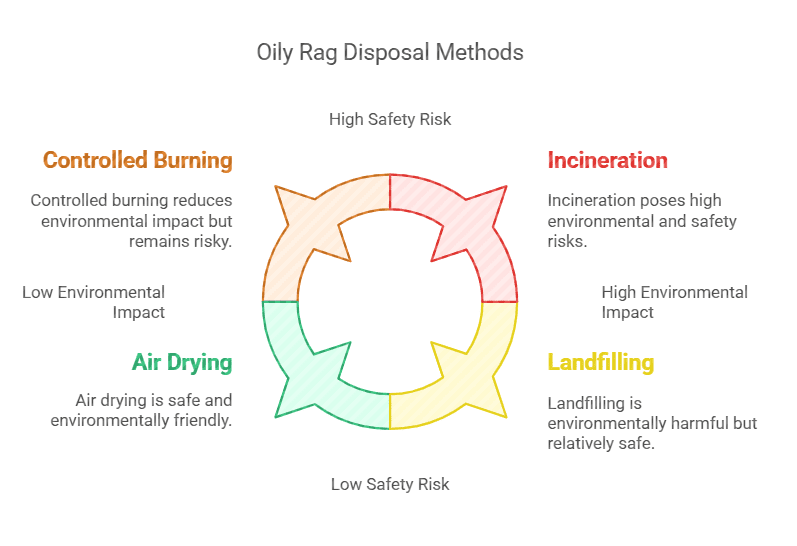
Disposal Methods
Oily rags can be recycled. Recycling centers accept them. Make sure they are clean. Remove excess oil first. Place them in a sealed bag. This prevents leaks. Check local guidelines for disposal. Some centers have special rules.
Use professional services for oily rags. They know how to handle them. These services follow safety rules. They ensure proper disposal. Contact a local service. They will guide you. It’s a safe choice.

Credit: www.chemkleancorp.com
Eco-friendly Practices
Use biodegradable products for cleaning. These break down naturally. They don’t harm the environment. Choose natural fiber rags. They decompose faster. Avoid synthetic materials. They take longer to break down. Natural oils work too. They are safer for the earth. Use them instead of harsh chemicals. This helps our planet stay green.
Reuse rags whenever possible. Wash and dry them well. Store them safely. Keep them in a metal container. This prevents fires. Air dry rags outside. Sunlight kills bacteria. It also reduces odors. Proper disposal is key. Don’t throw oily rags in regular trash. They can cause fires. Take them to a recycling center. They handle such waste safely.
Legal Regulations
Proper disposal of oily rags is crucial to avoid fire hazards. Follow local regulations for safe disposal methods. Use a metal container with a tight lid.
Local Guidelines
Always check your city’s rules for disposing of oily rags. Different places have different rules. Some cities need you to use special bins. Other places might have drop-off centers. This helps to keep the environment safe.
Compliance Tips
Store oily rags in metal containers. These containers should have tight lids. This helps to prevent fires. Never leave oily rags in a pile. Spread them out to dry. Keep them away from heat sources. Follow these steps to stay safe.
Emergency Procedures
Quickly contain the spill. Use absorbent materials like sand. Wear gloves to protect your hands. Collect the oily rags in a metal container. Seal the container tightly. Label the container as hazardous waste. Dispose of the rags properly to avoid any danger.
Store oily rags in a metal can. The can must have a tight lid. This stops air from getting in. Air can cause the rags to catch fire. Always keep the container away from heat. Never smoke near oily rags. Check the storage area often for safety.

Credit: blog.wastebits.com
Frequently Asked Questions
What Type Of Container Should Be Used To Dispose Of Oily Rags?
Use a metal container with a tight-fitting lid to dispose of oily rags safely. Ensure it is labeled properly. This prevents fire hazards and promotes safe disposal.
How To Dispose Of Oil Paint Rags At Home?
Store oil paint rags in a metal container with a tight lid. Fill the container with water and detergent. Dispose of them at a hazardous waste facility. Avoid throwing them in regular trash to prevent fire hazards.
What To Do With An Oily Rag?
Store oily rags in a metal container with a tight lid. Dispose of them at a hazardous waste facility. Avoid piling or crumpling them to prevent fire risks.
How Do You Safely Dispose Of Oily Rags?
Store oily rags in a metal container with a tight lid. Fill the container with water. Dispose of the rags at a hazardous waste facility. Keep the container away from heat sources. Follow local disposal regulations.
Conclusion
Disposing of oily rags properly is crucial for safety. Always store them in a metal container. Fill the container with water to prevent fires. Check local regulations before disposal. This ensures you follow the law. Keep your workspace clean and safe.
Educate others about proper disposal methods. By doing so, you protect your environment and community. Stay informed and practice safe habits.