What Is Boiled Linseed Oil Used For? Real Uses Explained
Boiled linseed oil (BLO) is used mainly as a wood finish and a paint additive — it penetrates bare wood to enrich the grain and add some moisture resistance, and it’s mixed into oil-based paint to help it flow and level better. It’s also used as a light rust-preventive coating on tools, a leather conditioner, and a traditional finish for items like cricket bats and axe handles.
One thing it is not used for: food-contact surfaces. If you’re finishing a cutting board or salad bowl, see our guide to whether boiled linseed oil is food safe (short answer: no, because of the metallic driers below) before you apply anything. Everything else it’s genuinely good for is covered here.
What “Boiled” Actually Means (It’s Not Boiled)
Our Pick for Wood Finishing & Tool Care
 |
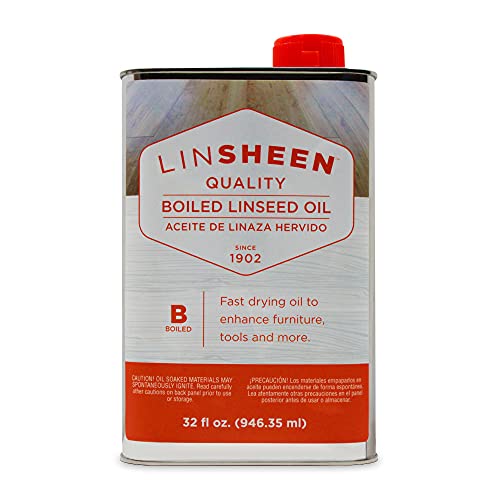
Sunnyside Boiled Linseed Oil, 1 Pint – $14.20 A straightforward, widely-available BLO for the wood finishing and tool-protection uses covered above.
|
Despite the name, modern boiled linseed oil usually isn’t heated at all. Raw linseed oil takes days to weeks to fully cure because it dries through slow oxidation, not evaporation. Manufacturers speed that up by adding small amounts of metallic driers — historically lead, today almost always cobalt or manganese compounds — which catalyze the oxidation reaction and cut the dry time down to 12-24 hours. The “boiled” name is a holdover from the 19th century, when the oil actually was heat-treated to get a similar effect before chemical driers were standard.
That distinction matters for two reasons: it’s why BLO dries so much faster than raw linseed oil (the version with no added driers), and it’s exactly why BLO isn’t food safe even once fully cured — the driers themselves are the concern, not the oil.
Wood Finishing (Its Main Use)
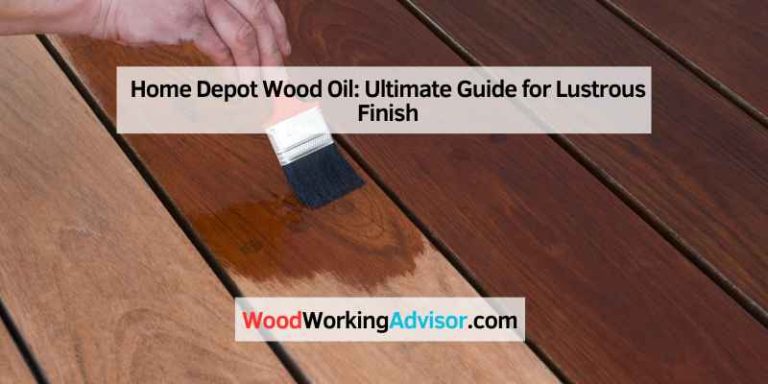
BLO is a penetrating oil finish, not a film finish — it soaks into the top layers of bare wood rather than forming a hard shell on the surface the way polyurethane does. That’s what gives it the “wet look” that deepens grain figure and warms up the color, especially on walnut, cherry, and oak. It offers some water resistance and slows moisture absorption, but it’s not a real waterproofing layer and needs reapplication every 6-12 months on anything exposed to weather.
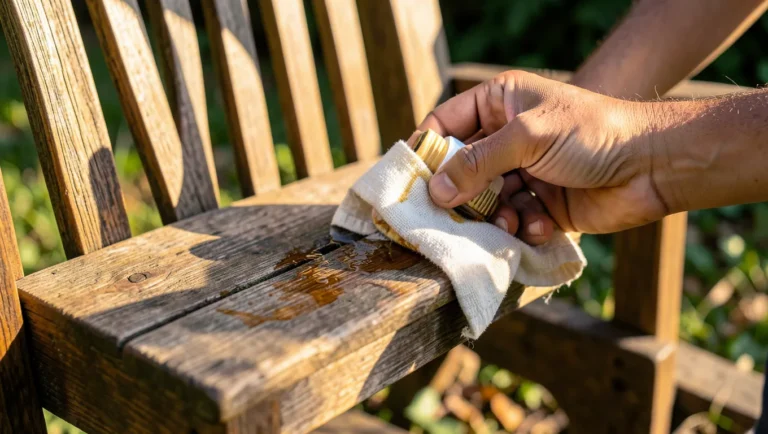
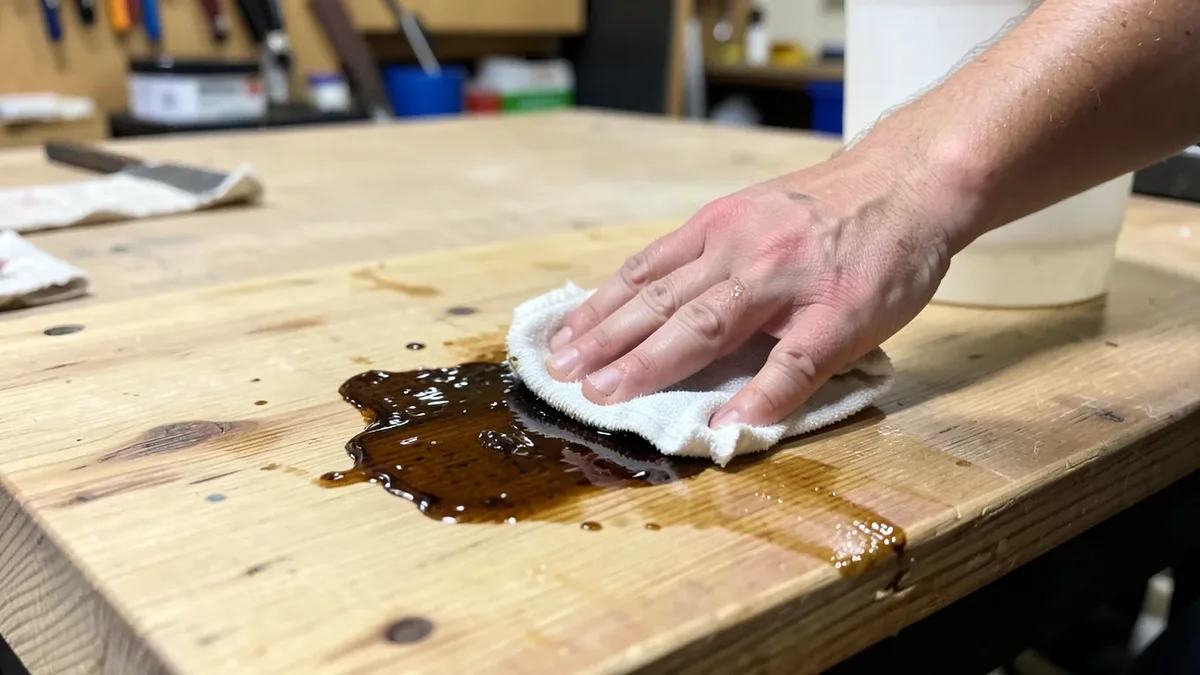
Typical application: sand the wood, wipe on a liberal coat with a rag going with the grain, let it sit 15-20 minutes so it can soak in, then wipe off every bit of excess with a clean rag. Leftover oil on the surface stays tacky and never fully hardens. Most pieces need 2-3 coats, 24 hours apart.
Tool and Metal Protection
A thin wiped-on coat of BLO is a traditional way to protect bare cast iron — table saw and jointer tops, hand plane soles, axe heads — from rust between uses. It leaves a light, dry, non-tacky film once cured that displaces moisture without staying sticky or attracting dust and sawdust the way grease does. Wipe on a very thin coat, let it sit a few minutes, then buff off essentially all of it; a thick coat gets gummy.
Paint and Stain Additive
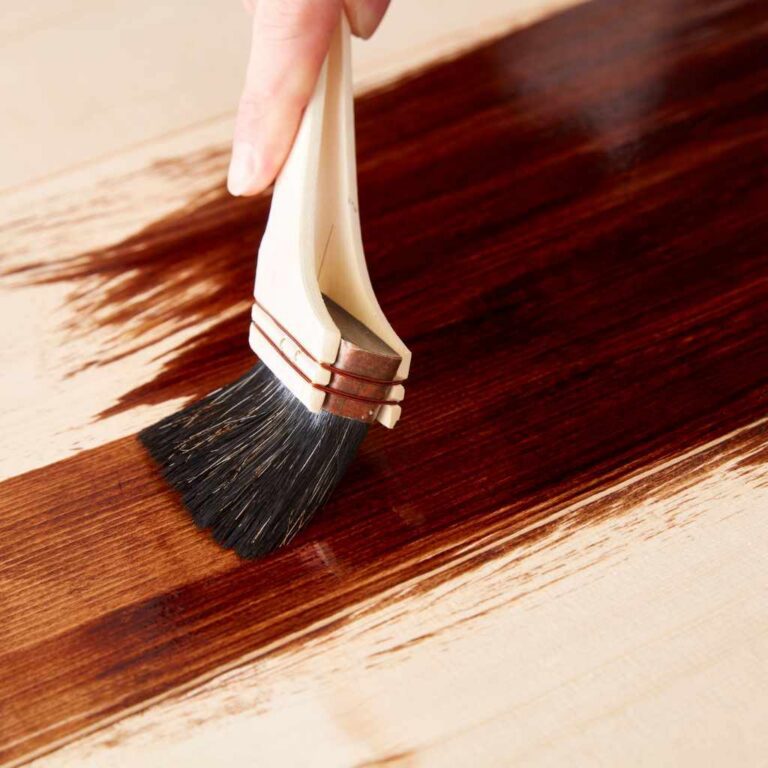
Painters and finishers mix a small amount of BLO (typically 10-20%) into oil-based paint or stain to extend the open working time and improve leveling, which reduces visible brush marks. It’s the same logic behind traditional linseed oil-based glazes and washes used in furniture restoration and sign painting.
Other Traditional Uses
Leather: A light coat conditions and softens dry leather (boots, tool belts, saddle leather), though purpose-made leather conditioners are gentler on stitching over the long run.
Cricket bats: Willow cricket bats are traditionally “knocked in” with repeated thin coats of raw or boiled linseed oil before use, to condition the willow fibers and reduce the chance of cracking on impact.
Concrete: A diluted BLO coat is sometimes used as a low-cost sealer on porous concrete to reduce water absorption and dust. It’s a real, if dated, use — modern penetrating silane/siloxane sealers outperform it for both durability and appearance, so treat BLO here as a budget option rather than a first choice.
The Safety Warning That Actually Matters
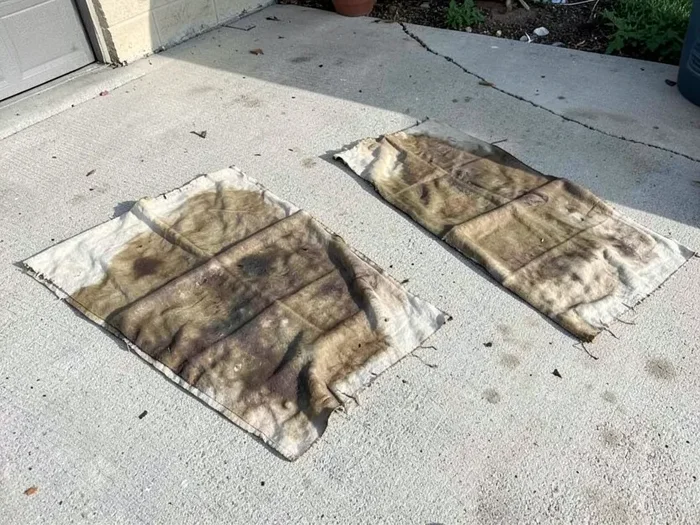
Rags, paper towels, or steel wool soaked in boiled linseed oil can catch fire on their own — no flame or spark needed. The same oxidation reaction that cures the oil on wood releases heat, and a wadded-up oily rag traps that heat instead of letting it dissipate, which lets the temperature climb until the rag ignites. This is a real, well-documented cause of shop and job-site fires, not an exaggerated warning label.
Lay used rags flat outdoors on a non-flammable surface until they’re fully dry and stiff, or submerge them in a sealed metal container of water, before throwing them away. Never wad up an oily rag and toss it in a trash can or leave it in a pile.
Frequently Asked Questions
What is the best use of boiled linseed oil?
Its main use is as a penetrating finish for bare wood furniture and antiques, and as an additive that helps oil-based paint flow and level. It also works as a light rust-preventive coating on tool metal.
What are the disadvantages of using linseed oil on wood?
It’s slower to apply than a film finish (multiple wipe-on, wipe-off coats), offers only modest water and UV resistance compared to polyurethane or spar varnish, and needs reapplication every 6-12 months on exposed pieces.
Does boiled linseed oil waterproof wood?
No. It adds some water resistance by partially sealing the wood’s pores, but it is not a true waterproof barrier the way polyurethane or epoxy is.
What is the difference between linseed oil and boiled linseed oil?
Raw linseed oil has no additives and can take weeks to fully cure. Boiled linseed oil has metallic driers (typically cobalt or manganese compounds) added, which speed curing to about 12-24 hours — it usually isn’t actually heat-boiled despite the name.
The Bottom Line
Boiled linseed oil earns its place in a shop as a wood finish, a paint extender, and a light rust preventive on tools — not as a food-safe finish, and not without respecting the oily-rag fire risk. Used for the right jobs and disposed of correctly, it’s one of the cheapest, most traditional finishing products still worth keeping around.
Sponsored / affiliate links. As an Amazon Associate I earn from qualifying purchases. I may earn additional commission from eligible campaigns.