How to Dispose of Paint Thinner After Cleaning Brushes: Safely
You’ve just finished cleaning your brushes after a creative painting session, but now you’re faced with a dilemma: what do you do with the leftover paint thinner? It’s tempting to just pour it down the drain, but that choice can have serious environmental consequences.
You want to do the right thing, but the options seem confusing and overwhelming. Imagine this: by learning how to properly dispose of paint thinner, you not only protect the planet but also maintain a safe and clean space for your future projects.
This article will guide you through simple, effective methods for disposing of paint thinner responsibly. It’s easier than you think, and the peace of mind you’ll gain is invaluable. Stick around to discover how you can make a positive impact while keeping your workspace safe and organized.
Importance Of Safe Disposal
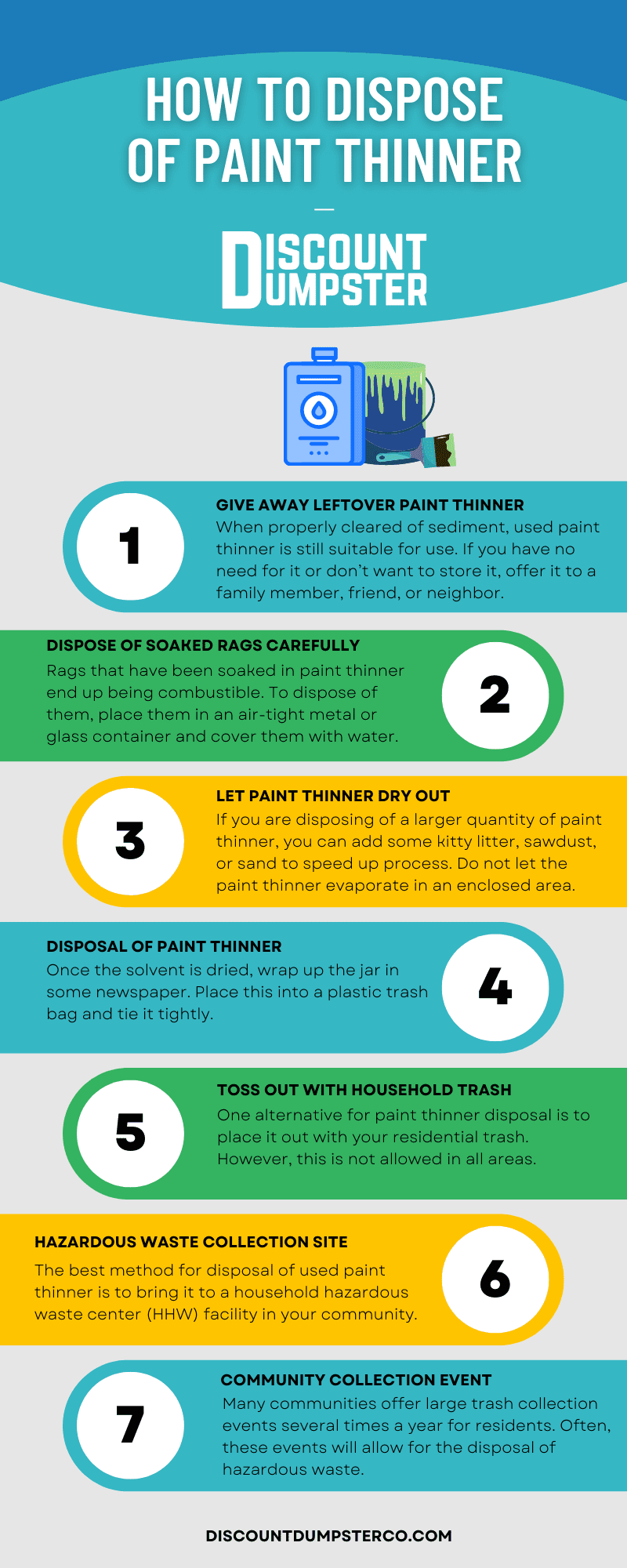
Paint thinner can harm the environment. It is toxic. Proper disposal is crucial. Improper disposal can poison water sources. It can damage wildlife. Follow safe disposal guidelines always. Keep everyone safe.
Use a sealed container for disposal. Do not pour it down the drain. It can pollute. Take it to a disposal center. They have the right tools. They know what to do. They can dispose of it safely.
Teach kids about safe disposal. They should know the risks. Make sure they understand. It is important for their future. Safe disposal protects nature. It keeps the community healthy. Everyone benefits from safe practices.
Credit: www.ecolife.com
Understanding Paint Thinner
Paint thinner is a strong liquid. It helps clean paint brushes. It can be dangerous if not used right. Paint thinner smells strong and can make people sick. It can also catch fire easily. This means it’s important to be careful with it.
Use paint thinner in open spaces. This helps the smell go away. Keep it away from heat and flames. Never breathe it in. Always wear gloves to protect your skin. If it gets on your skin, wash it off fast. Store it in a safe place. Away from kids and pets.
Environmental Concerns
Paint thinner can harm the earth. It is a toxic liquid. Improper disposal can pollute water and soil. Animals and plants can get hurt. People might get sick too. Always think about the environment before throwing it away.
Never pour it down the drain. It can damage water pipes. It might reach rivers and oceans. Protect the environment by using special disposal sites. These sites handle hazardous waste safely. Ask your local waste center for help.
Preparation For Disposal
Start by collecting all needed items. You will need a metal container with a lid. Get some old newspapers or rags. Have a funnel ready too. Make sure you have rubber gloves to protect your hands. Keep a dust mask nearby if you have one. This will help keep you safe.
Work in a space with fresh air. Open all windows wide. Turn on fans to keep air moving. This will help reduce fumes. Never work in a closed room. This could be dangerous. Fresh air keeps you safe.
Reuse Options
Pour the used paint thinner into a clear jar. Let it sit for a few days. The paint particles will settle at the bottom. Carefully pour the cleaner liquid into another jar. Make sure the settled particles remain at the bottom of the first jar. This filtered paint thinner can be reused for future cleaning. It’s a simple way to save resources.
After filtering, store the clean paint thinner in a sealed container. Keep it in a cool, dry place away from children. Label the container clearly with the date and contents. This ensures it’s safe for future use. Proper storage extends the life of your paint thinner. It also helps in saving money and reducing waste.

Credit: wasteremovalusa.com
Local Regulations
Rules for disposing paint thinner change by place. Local laws might ask you to use special methods. Contact your town office for the right steps. Do not pour paint thinner down drains. Always follow local safety rules to keep the environment safe. Keep your community healthy.
Some towns have disposal programs for paint thinner. Call local waste centers to ask about these programs. They take hazardous items safely. Ask for pick-up options if you can’t drop it off. Use community services to keep danger away. Make sure paint thinner doesn’t harm people or nature.
Methods Of Disposal
Paint thinner is a hazardous waste. It needs special care for disposal. Many areas have hazardous waste collection sites. These sites handle dangerous items. You can find them by checking local rules. Usually, they have drop-off days. You can take the paint thinner there. Make sure it is in a sealed container. This keeps everyone safe. Don’t mix it with other trash. Hazardous waste sites know how to handle it.
Some companies offer professional disposal services. They handle paint thinner safely. This service costs money. But it is very safe. Professionals know all the safety rules. They make sure the environment stays clean. You can find these services online. Check their reviews before hiring. Always choose a trusted service. This keeps the community safe and clean.

Credit: www.youtube.com
Safety Precautions
Always wear gloves and goggles when handling paint thinner. These protect your skin and eyes. Wear a mask to avoid breathing in fumes. Long sleeves and pants are good to cover your skin. This keeps you safe from spills and splashes. Proper gear is important for your safety.
Spills can happen anytime. Quickly clean up any paint thinner spill. Use old rags or paper towels to soak it up. Dispose of used rags in a sealed plastic bag. This stops fumes from escaping. Open windows to let fresh air in. It helps clear out any bad smells. Keep kids and pets away from the area. Safety first at all times.
Impact Of Improper Disposal
Improper disposal of paint thinnerharms the environment. It can poison water and soil. Animals and plants suffer from this. People can get sick too. Paint thinner is a dangerous chemical. It should not go in regular trash. Never pour it down the sink or toilet. This can damage pipes and harm wildlife. Always store it in a safe container. Check local rules for proper disposal methods. Many places have special facilities. These facilities handle toxic waste safely. Protect our Earth by disposing of paint thinner correctly.
Frequently Asked Questions
How Do I Safely Dispose Of Paint Thinner?
Paint thinner should be disposed of at a hazardous waste facility. Never pour it down the drain. Check local regulations for disposal guidelines. Seal the container tightly before transporting. Some recycling centers also accept paint thinners. Always ensure proper ventilation when handling paint thinners to avoid harmful fumes.
Can I Reuse Paint Thinner After Cleaning?
Yes, you can reuse paint thinner. Allow the used thinner to sit until the paint settles at the bottom. Carefully pour the clear liquid into a new container for reuse. This method reduces waste and saves money. Always store reused thinner in a properly labeled container.
What Are The Environmental Impacts Of Paint Thinner?
Improper disposal of paint thinner can harm water and soil. It can contaminate groundwater and affect aquatic life. Paint thinner fumes contribute to air pollution. Always follow proper disposal methods to minimize environmental impact. Consider using eco-friendly alternatives when possible.
Is Paint Thinner Hazardous To Health?
Yes, paint thinner can be hazardous. It can cause skin irritation and respiratory issues. Prolonged exposure may lead to serious health problems. Always use paint thinner in a well-ventilated area. Wear protective gear like gloves and masks to reduce exposure risk.
Conclusion
Proper disposal of paint thinner is crucial. It keeps our environment safe. Always check local regulations first. Follow guidelines for hazardous waste. Use labeled containers for storage. Contact disposal services for assistance. Never pour thinner down drains. It harms water systems and wildlife.
Consider recycling options when possible. Some centers accept used thinner. This reduces waste and promotes sustainability. Your effort matters. Every small step counts. Protect our planet for future generations. Safe disposal practices make a difference. Keep cleaning brushes responsibly. It’s good for you and the Earth.