How to Thin Oil-Based Paint: The Right Ratio for Brushing & Spraying
Thin oil-based paint with mineral spirits or paint thinner, never water — oil and water don’t mix, so water just curdles into little beads instead of loosening the paint. For brushing or rolling, start with 10% thinner or less and add it a splash at a time; a spray gun usually needs closer to 20-30% to atomize properly. Below is the actual ratio for each method, how to check it with more than a guess, and what over-thinning does to the finish.
What to Thin Oil-Based Paint With (Never Water)
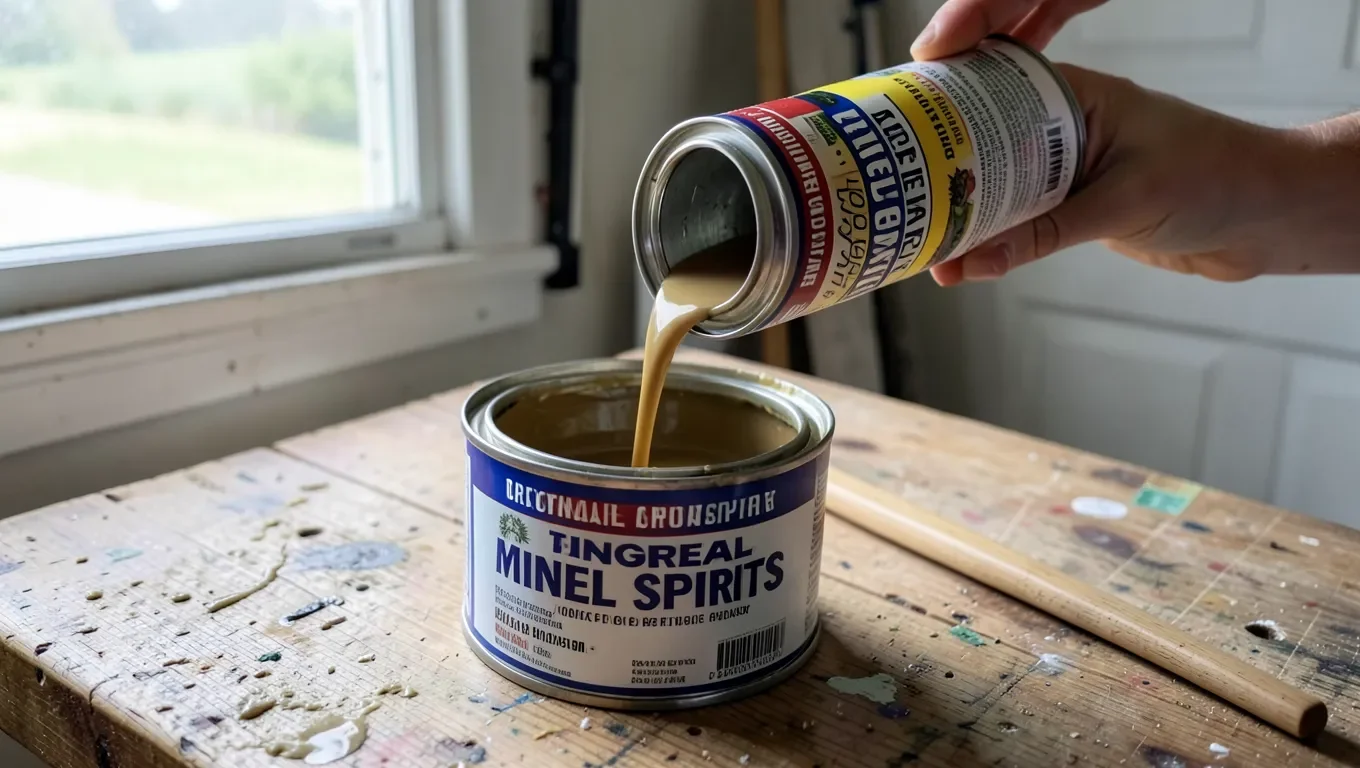
Oil-based paint is built around an oil or alkyd resin binder, which is why it needs a petroleum-based solvent to loosen it — water has nothing to bond with in that binder, so mixing it in just leaves lumps of separated paint floating in water. Mineral spirits (sometimes labeled odorless mineral spirits or Stoddard solvent) is the standard choice: it’s a refined petroleum solvent that thins the paint evenly without breaking down the pigment or changing the color. Paint thinner is usually the same base chemistry with a bit more naphtha added for extra solvency, and turpentine is a plant-derived alternative that works but has a much stronger smell and is more expensive per ounce for no real performance gain on most paint jobs. Whichever you use, check the paint can’s label first — some specialty oil enamels call out a specific reducer by name.
Best Mineral Spirits for Thinning Oil-Based Paint
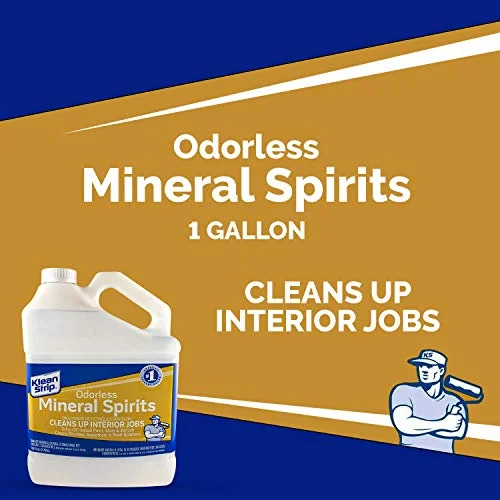 |
Klean-Strip Odorless Mineral Spirits, 1 Gallon – $21.98 The standard, low-odor thinner for the ratios and mixing steps in this guide — also doubles as a brush cleaner when you’re done.
|
How Much Thinner: Ratio by Application Method
The right ratio depends on how you’re putting the paint on, and this is the step most guides skip:
- Brushing or rolling: 10% thinner or less (roughly 3 tablespoons per quart). Most oil-based paint is already formulated to brush on without thinning at all — only add this much if it’s dragging or leaving brush marks.
- Airless or conventional spray gun: 20-30% thinner, added gradually. Spray equipment needs the paint thin enough to atomize into a fine mist, which is far runnier than a brush needs.
- HVLP spray guns: Often the high end of that range, sometimes more — check your gun manufacturer’s viscosity spec, since HVLP nozzles are pickier about flow than airless sprayers.
Add thinner in small increments — a splash, stir, test, repeat — rather than dumping in a measured amount all at once. Paint viscosity varies by brand, sheen, and even by can, so a fixed ratio is a starting point, not a guarantee.
Get a Precise Ratio with a Viscosity Cup
If you’re spraying, “add a little and see how it looks” is how you end up redoing a coat. A viscosity cup (also sold as a Zahn cup or Ford cup) takes the guesswork out: dip the cup fully into the thinned paint, lift it out, and time how many seconds it takes for the stream pouring out the bottom hole to break into drips instead of a steady stream. That number is the “efflux time,” and it’s the same measurement paint manufacturers use to write their own spec sheets.
For most spray guns, a Zahn cup #2 reading between 15 and 30 seconds is the target range for oil-based paint — thicker paint takes longer to drain, thinner paint drains faster. If your paint reads well above 30 seconds, add more thinner a little at a time and retest; once you’re inside that window, stop adding thinner even if it still looks thick to your eye. A $10-15 viscosity cup pays for itself the first time it saves you from stripping and respraying a blotchy panel.
Step-by-Step: Mixing Oil-Based Paint with Thinner
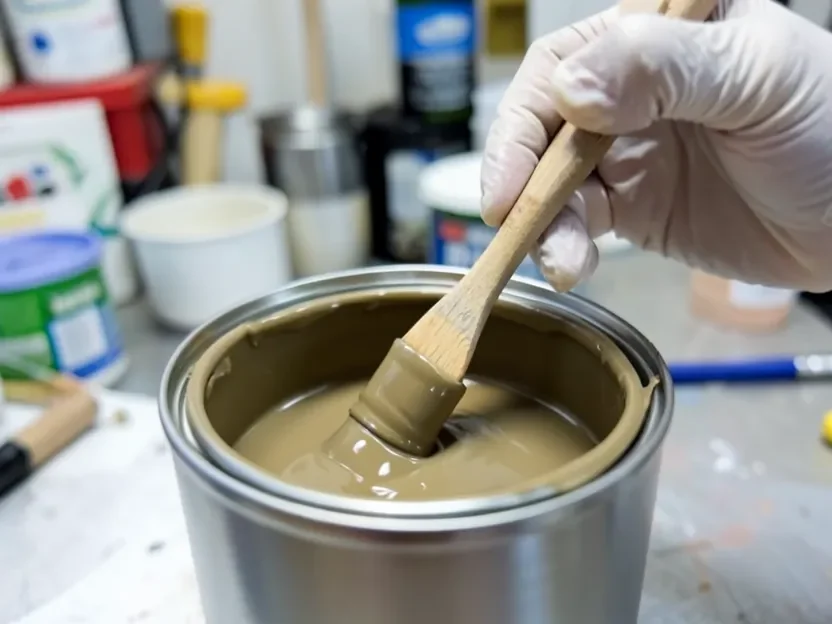
- Stir the paint first, unthinned. Pigment and binder settle in the can; mix it thoroughly before you add anything else so you’re not thinning an already-uneven mixture.
- Pour a measured amount into a separate mixing container. Working from a spare cup or bucket — not straight from the can — keeps the rest of your paint at full strength if this batch ends up too thin.
- Add mineral spirits a small amount at a time. Start with about half of what you think you’ll need for your target ratio.
- Stir slowly in one direction for 30-60 seconds. Fast or circular stirring whips air into the paint, and those bubbles show up as tiny craters once the coat dries.
- Test the consistency with the drip method below, or a viscosity cup if you’re spraying.
- Add more thinner in small increments and retest until you hit your target, rather than adding it all at once.
Testing Consistency: The Drip Stick Method
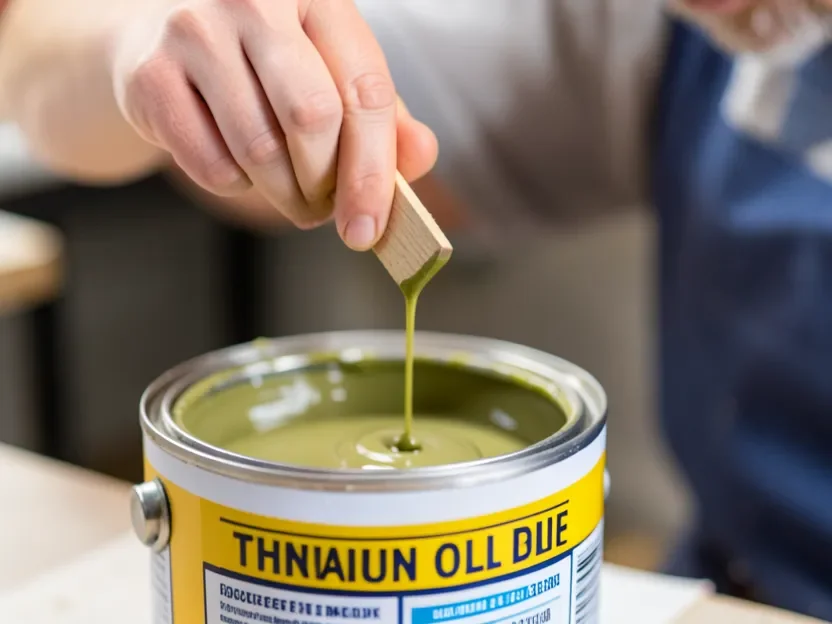
No cup on hand? Dip a paint stick into the mixed paint and lift it out. Thick, unthinned paint clumps off in blobs. Properly thinned paint for brushing flows off in a smooth, even ribbon without breaking apart. For spraying, you want it noticeably thinner — closer to a steady stream than a ribbon, which is exactly what the viscosity cup’s 15-30 second window is measuring more precisely.
Signs You’ve Added Too Much Thinner
Thinner doesn’t just make paint easier to apply — every bit of it dilutes the pigment and binder that’s actually supposed to stay on the surface. Over-thin the paint and you’ll usually see one or more of these:
- Runs and sags on vertical surfaces, since the paint is now too thin to hold its own weight while wet.
- Reduced coverage — you’ll need more coats to hide the surface underneath, which usually costs more in extra paint than the thinner saved.
- A thinner, weaker dried film that scuffs and wears faster, because there’s simply less solid pigment and resin left per coat once the solvent evaporates out.
- Longer dry and cure time, since there’s more solvent that has to flash off before the coat can harden.
If you notice any of this mid-project, the fix is to stop thinning further and, if it’s already too far gone, mix in a small amount of unthinned paint to bring the ratio back up rather than trying to “paint through” a too-thin batch.
Safety and Cleanup
Mineral spirits and paint thinner are flammable and give off vapors, so mix and paint in a well-ventilated area — open windows, a fan moving air out, or work outdoors when you can. Wear nitrile gloves and, if ventilation is limited, a respirator rated for organic vapors, not just a dust mask. Lay rags used to wipe up thinner flat outdoors to dry before disposal; balled-up, solvent-soaked rags can combust on their own as they dry. Clean brushes and rollers in the same thinner you used to mix the paint, and take leftover thinner and rags to a household hazardous waste site rather than pouring anything down a drain.
Frequently Asked Questions
What’s the Best Thing to Thin Oil-Based Paint With?
Mineral spirits (also called odorless mineral spirits or Stoddard solvent) is the standard choice. Paint thinner works the same way with slightly more solvency, and turpentine is a pricier, stronger-smelling alternative that performs about the same for most projects.
Can You Thin Oil-Based Paint with Water?
No. Oil-based paint is built around an oil or alkyd binder that water can’t dissolve or blend into, so adding water just leaves separated beads of paint floating in it instead of a smooth mixture. Use mineral spirits or paint thinner instead.
How Much Mineral Spirits Do You Add to Oil-Based Paint?
For brushing or rolling, 10% thinner or less is usually enough. For spraying, plan on 20-30%, added gradually and tested as you go rather than measured all at once — the exact amount varies by paint brand and sheen.
What Happens If You Add Too Much Thinner to Oil-Based Paint?
Over-thinned paint runs and sags on vertical surfaces, covers less per coat, dries into a thinner and weaker film, and takes longer to cure. If it’s gone too far, mix in some unthinned paint to bring the ratio back up rather than trying to apply it as-is.
Conclusion
Mineral spirits, not water, is what actually thins oil-based paint — and how much you add depends on whether you’re brushing (10% or less) or spraying (20-30%). Add it gradually, check the consistency with a drip test or a viscosity cup, and stop as soon as you’re in range. That’s the difference between a smooth, even coat and a redo.
Sponsored / affiliate links. As an Amazon Associate I earn from qualifying purchases. I may earn additional commission from eligible campaigns.