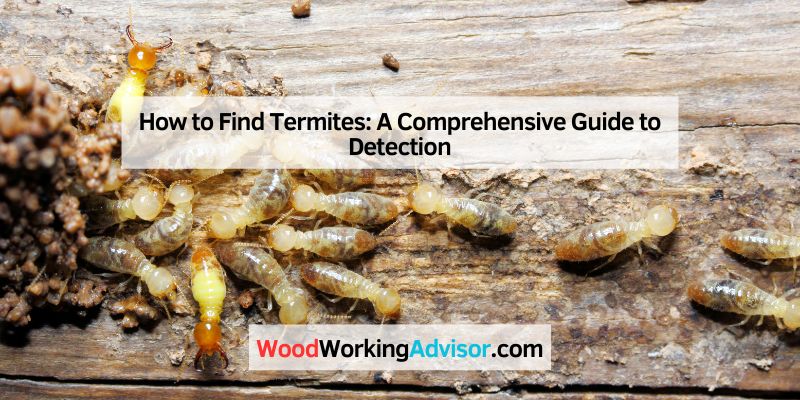
How to Find Termites: A Comprehensive Guide to Detection
Finding termites in your home is crucial. Termites can cause serious damage if left unchecked.
Termites are silent destroyers, often causing significant damage before detection. Learning how to find termites can save you from costly repairs. This guide will help you identify signs of a termite infestation. You’ll learn what to look for and where to check in your home.
Early detection is key to preventing severe damage. Read on to discover effective ways to spot these pesky invaders and protect your property.

Credit: mandmpestcontrol.com
Identifying Termite Types
Hey friends, today we’re diving into a topic that might make you a bit uneasy – termites. These tiny pests can cause big problems for your home. But don’t worry, knowing what type of termite you’re dealing with can make all the difference. Let’s break down the main types of termites you might encounter.
Subterranean Termites
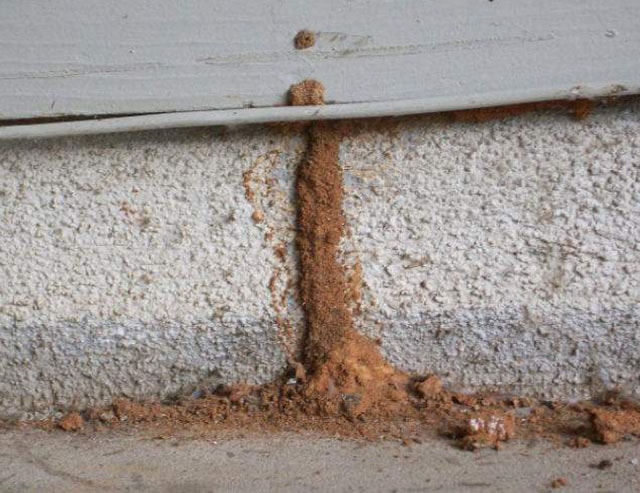
Subterranean termites are the most common type of termite. These little guys live in the soil and build huge colonies. They use mud tubes to move from the ground to your house. Here’s how you can spot them:
- Look for mud tubes around your foundation.
- Check for hollow-sounding wood.
- Watch for swarms of winged insects in the spring.
These termites need moisture, so they usually live in places where there’s a lot of water. Think about your basement or areas with poor drainage.
Drywood Termites
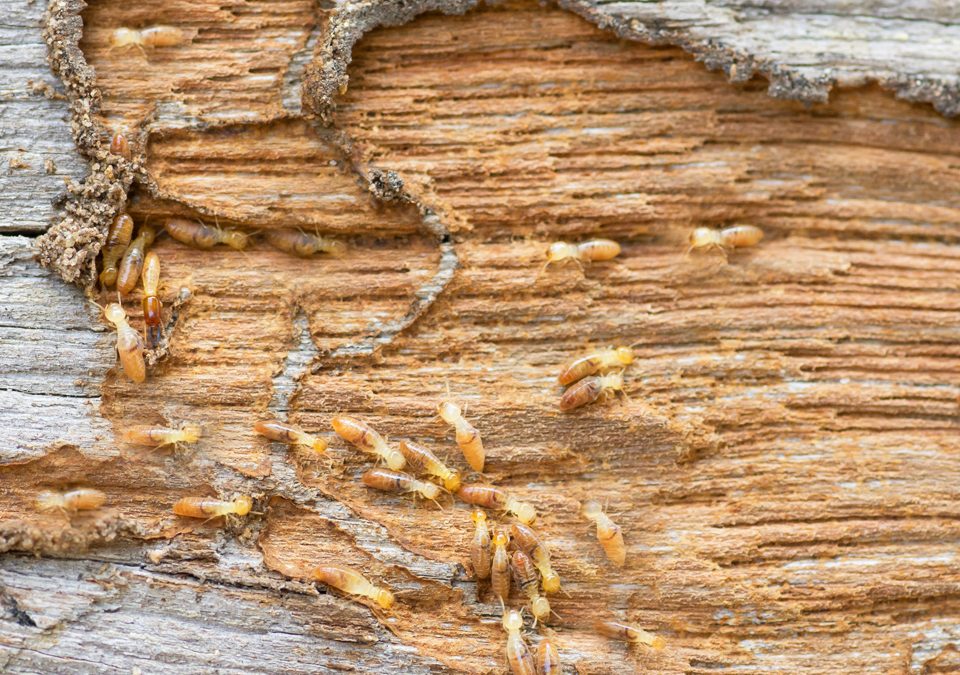
Drywood termites are different. They don’t need soil to live. Instead, they make their homes in dry wood. This means they can live in furniture, walls, or even picture frames. Here’s how to identify them:
- Look for small piles of frass (termite droppings).
- Check for tiny holes in wood surfaces.
- Listen for quiet clicking sounds inside the wood.
These termites are sneaky because they don’t need water. They can stay hidden for a long time, making them hard to find.
Dampwood Termites
Dampwood termites, as their name suggests, love damp wood. They usually infest wood that is already wet. This means you’ll find them in places like leaky roofs or around plumbing. Here’s how to spot them:
- Look for wood that feels soft and spongy.
- Check for large, open galleries in the wood.
- Watch for winged termites around lights in the evening.
If you have dampwood termites, it’s a sign that you might have a moisture problem in your home. Fixing leaks and improving ventilation can help keep them away.
So, there you have it – the main types of termites and how to identify them. Remember, catching them early can save you a lot of hassle. Keep an eye out and take action if you see any signs. Your home will thank you!
Credit: www.chemfreeexterminating.com
Signs Of Termite Infestation
Hey friends, today we’re diving into a topic that can cause a lot of stress – termites. These sneaky little pests can wreak havoc on your home. But the good news? You can spot them early if you know what to look for. Here are some clear signs that termites might be causing trouble in your home.
1. Mud Tubes
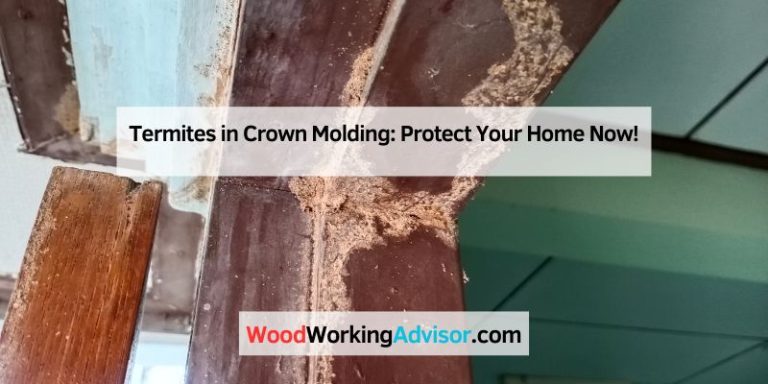
Termites are like tiny construction workers. They build small tunnels, called mud tubes, to move between their nest and your home. These tubes are usually found on walls, foundations, or in crawl spaces. They look like thin, muddy lines. If you see these, it’s time to get a termite inspection.
2. Discarded Wings
Termites have wings. But they don’t need them forever. When they find a new home, they shed their wings. You might find these discarded wings around windowsills, doors, or other entry points. It’s kind of like finding breadcrumbs that lead you to the termites.
3. Wood Damage
This is the big one. Termites love to munch on wood. If you see wood damage like hollowed-out wood or tiny holes, termites might be to blame. Tap on wood structures in your home. If it sounds hollow, that’s a red flag. You can also look for blistering wood or wood that looks like it’s been carved.
So, friends, keep an eye out for these signs. Catching termites early can save you a lot of trouble and money. Have you ever dealt with termites? Share your stories in the comments below!
Inspecting Your Property
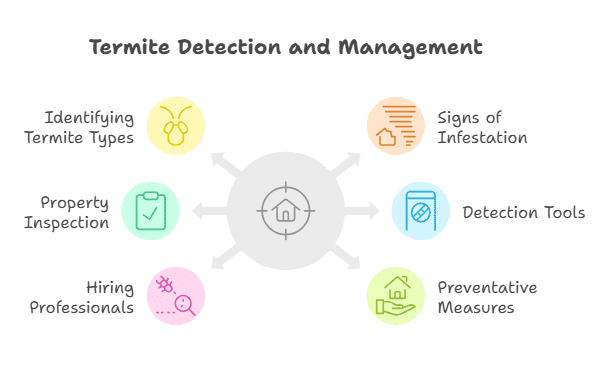
Termites can cause significant damage to your property if left unchecked. Regular inspections are essential. Checking both indoors and outdoors ensures you catch any infestations early. This guide will help you carry out effective inspections.
Indoor Inspection
Start by examining your home’s interior. Look for signs of termite activity. Check wooden structures like floors, beams, and furniture. Tap on wooden surfaces. Hollow sounds may indicate termite damage. Look for mud tubes along walls and baseboards. These are tunnels termites use for travel. Inspect areas around windows and doors for small piles of wood dust.
Pay attention to any blistering or dark spots on wooden surfaces. These could be signs of termites. Check behind wallpaper and under carpets. Termites often hide in these places. Use a flashlight to inspect dark corners and crawl spaces. Always wear gloves and protective gear during inspections.
Outdoor Inspection
Move your inspection outside. Start with the foundation of your home. Look for mud tubes along the foundation walls. Check for damaged wood in outdoor structures like decks and fences. Inspect tree stumps and wooden landscaping features. Termites often nest in these areas.
Examine any wooden siding or trim on your house. Tap on the wood to check for hollow sounds. Look for piles of wood dust or wings around your property. Termite wings are a sign of a nearby colony. Check for moisture-prone areas. Termites thrive in damp environments. Ensure gutters and downspouts direct water away from your foundation.
Inspect mulch and soil around your home. Termites can build tunnels in these areas. Regularly rake and turn over mulch to disrupt potential nests. Finally, trim back any vegetation touching your home. Plants can create moisture and shelter for termites.
Using Detection Tools
Termites can cause significant damage to your home if not detected early. Using detection tools can help identify termite activity before it becomes a major issue. These tools are essential for homeowners and pest control professionals alike. Let’s explore some effective detection methods.
Moisture Meters
Moisture meters are useful for finding areas with high humidity. Termites thrive in moist environments. By detecting moisture, you can locate potential termite hotspots. Place the meter against walls or floors to measure moisture levels. High readings indicate possible termite activity.
Termite Detection Dogs
Dogs trained to detect termites can be very effective. They use their keen sense of smell to find termites. These dogs can sniff out termites in hidden areas. Their accuracy helps in early detection and prevention. Using termite detection dogs can save time and money.
Acoustic Emission Devices
Acoustic emission devices detect the sound of termites. Termites make noise while eating wood. These devices amplify those sounds. Place the device near suspected areas. Listen for clicking or rustling sounds. This can confirm termite presence without invasive methods.
Hiring A Professional
Identifying termites in your home can be challenging. Sometimes, their presence isn’t obvious until significant damage has occurred. This is where hiring a professional becomes invaluable. Experts have the experience and tools to detect these pests early.
When To Call An Expert
Not sure if you have termites? If you notice hollow wood, mud tubes, or discarded wings, it’s time to call an expert. These are clear signs of a termite infestation. An expert can confirm the presence of termites and recommend appropriate treatment.
If you see any of these signs, don’t wait. Termites can cause extensive damage quickly. Early intervention can save you money and prevent further damage.
Choosing A Pest Control Company
Selecting the right pest control company is crucial. Start by researching local companies with good reviews. Check their credentials and ensure they are licensed and insured. A reliable company will offer a detailed inspection and a clear treatment plan.
Ask about their methods and products. Ensure they use safe and effective treatments. Don’t hesitate to get quotes from multiple companies. Compare their services and prices before making a decision.
Choosing a reputable pest control company ensures the job is done right. Protect your home by hiring experts who know how to handle termite infestations effectively.
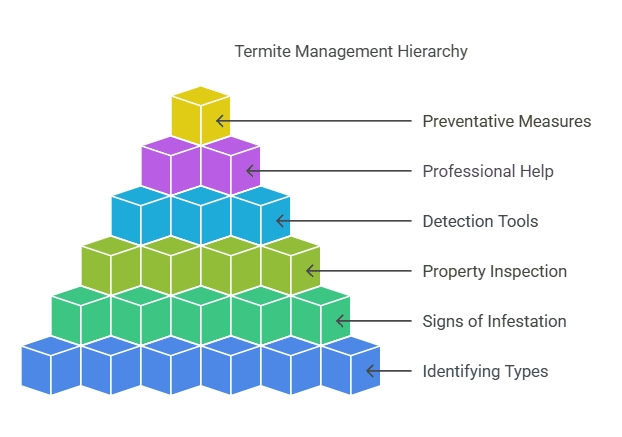
Preventative Measures
Termites can cause significant damage to homes. Preventative measures can save you from costly repairs. These measures focus on controlling conditions that attract termites.
Moisture Control
Termites thrive in moist environments. Reduce moisture levels around your home. Fix leaky pipes and faucets. Ensure proper drainage away from the foundation. Keep gutters clean to avoid water buildup. Use dehumidifiers in damp areas like basements.
Proper Ventilation
Proper ventilation helps keep areas dry. Install vents in attics and crawl spaces. Ensure air can circulate freely. Avoid blocking vents with clutter. Use fans to reduce humidity in closed spaces.
Regular Inspections
Regular inspections help catch termite activity early. Check wooden structures for signs of damage. Look for mud tubes around the foundation. Examine areas where wood meets soil. Schedule professional inspections annually. Early detection prevents severe infestations.
Common Myths About Termites
Hey friends, today we’re diving into some common myths about termites. Many people believe all sorts of things about these tiny pests that just aren’t true. So, let’s clear up some misunderstandings. Ready? Let’s go!
Termites Only Infest Old Homes
One big myth is that termites only attack old homes. But that’s not true. Termites don’t care if your home is new or old. They are looking for food, and unfortunately, your house is a great meal for them. Even new homes can have termites. The good news? You can take steps to protect your home, no matter its age.
Here’s what you can do:
- Keep wood piles away from your home.
- Check for leaks in your roof and pipes. Termites love moisture.
- Get regular termite inspections, even if your house is new.
So, whether your home is brand new or a hundred years old, it’s important to stay vigilant.
DIY Treatments Are Effective
Another myth is that you can handle a termite problem on your own with DIY treatments. This one is tricky. There are products out there that claim to kill termites, but they aren’t always effective. I once tried a DIY method on a small infestation. Guess what? It didn’t work. The termites came back, and I ended up calling a professional.
Here’s why DIY treatments often fail:
- Termites are sneaky. They can hide in places you can’t reach.
- Most DIY treatments only kill the termites you can see. They don’t get rid of the colony.
- Professionals have specialized tools and knowledge. They know how to find and eliminate the whole colony.
So, if you see termites, it’s best to call a professional. They can ensure the problem is fully taken care of.
By understanding these common myths, you can better protect your home from termites. Whether your home is old or new, and whether you’re thinking of DIY or professional help, being informed is your best defense. Stay safe, friends!
Credit: www.drakepest.com
Dealing With An Infestation
Discovering termites in your home can be alarming. These tiny pests can cause serious damage if not addressed quickly. It’s crucial to act swiftly and adopt both immediate and long-term strategies. Taking the right steps can save your property from extensive harm.
Immediate Actions
Once you spot termites, the first step is to stay calm. Clear the area around the infestation to inspect it better. Use a flashlight to check dark corners and hidden spots. Look for mud tubes, which termites use to travel. If you find any, do not disturb them. This can cause the termites to scatter, making them harder to eliminate.
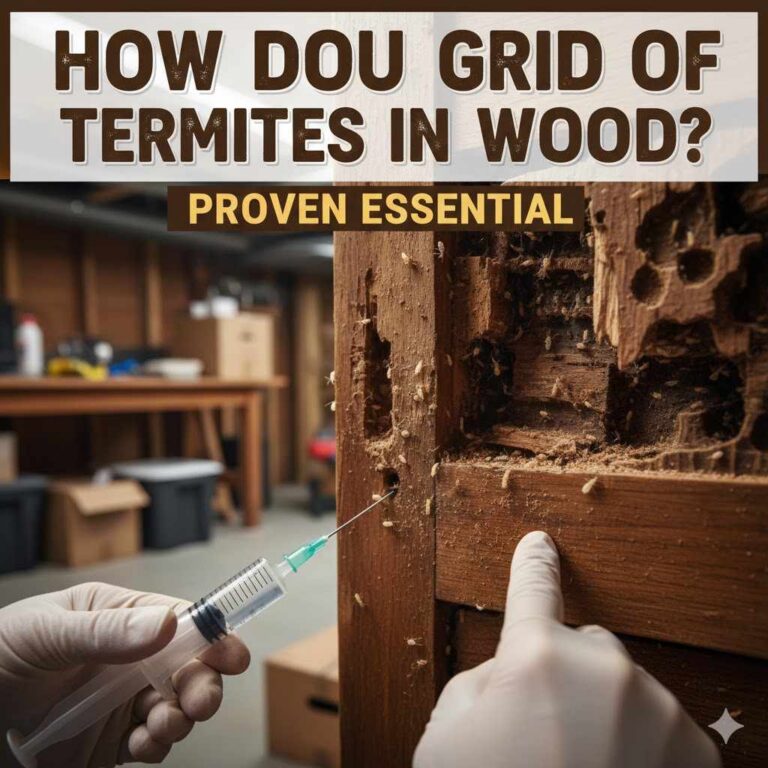
Contact a professional pest control service right away. Experts have the tools and knowledge to handle infestations. They can assess the extent of the problem and suggest effective treatments. Meanwhile, avoid using DIY methods. These can sometimes worsen the situation and spread the termites.
Long-term Solutions
Prevent future infestations by addressing the root causes. Start by reducing moisture in and around your home. Termites thrive in damp environments. Fix any leaks in your plumbing and ensure proper drainage. Use dehumidifiers in basements and crawl spaces.
Regularly inspect your home’s foundation and wooden structures. Look for signs of termite activity, such as hollowed wood or discarded wings. Consider using termite-resistant materials for any new constructions or repairs. Maintaining a clean yard also helps. Remove wood debris and keep firewood away from your home.
Schedule regular inspections with a pest control service. These check-ups can catch early signs of termites before they cause major damage. Implementing these long-term solutions ensures your home stays termite-free.
Frequently Asked Questions
How Do You Determine If You Have Termites?
Check for mud tubes, discarded wings, and damaged wood. Listen for hollow sounds in walls. Look for termite droppings. Consult a professional for confirmation.
Can You Visually See Termites?
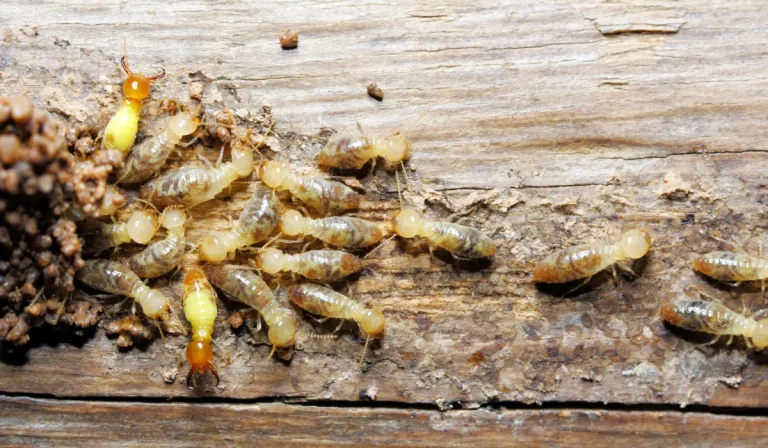
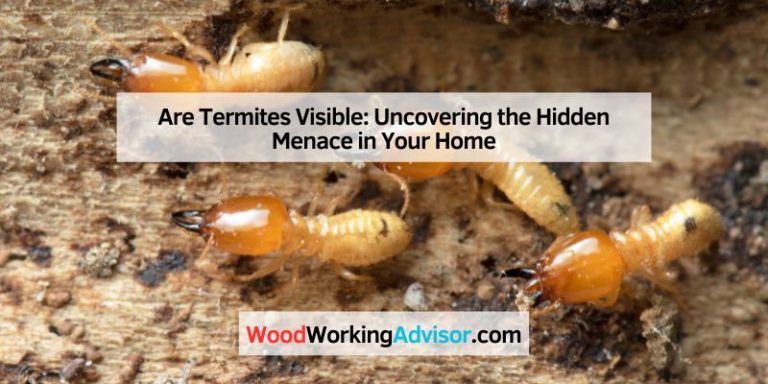
Yes, you can see termites. They are small, pale insects often found in wood or soil. Look for mud tubes, discarded wings, or damaged wood as signs of infestation.
Where Are Termites Most Commonly Found?
Termites are most commonly found in warm, damp environments. They thrive in soil, wood, and decaying plant matter. Homes with moisture issues are particularly at risk.
Can I Inspect For Termites Myself?
Yes, you can inspect for termites yourself. Look for signs like mud tubes, wood damage, and discarded wings. Regular inspection helps early detection.
Conclusion
Finding termites early can save your home from damage. Regular inspections help spot signs quickly. Check for mud tubes and wood damage. Listen for quiet clicking sounds in walls. Notice any discarded wings near windows. Call a professional if you suspect an infestation.
Quick action prevents costly repairs. Keep your home termite-free with these simple steps. Protect your investment and enjoy peace of mind. Stay vigilant and ensure your home remains safe.