How to Install Engineered Hardwood Click Flooring: Step-by-Step Guide
Are you ready to transform your living space with stunning engineered hardwood click flooring? Imagine walking across a floor that not only looks incredible but also feels luxurious underfoot.
The good news is, you don’t need to be a seasoned DIY expert to install this type of flooring. With just a few tools and some simple steps, you can achieve a professional-looking finish that will make your home the envy of all who visit.
In this guide, we’ll walk you through everything you need to know to install engineered hardwood click flooring with confidence and ease. You’ll learn the secrets to a seamless installation, discover tips to avoid common pitfalls, and find out how to ensure your new floor stands the test of time. By the end, you’ll have the knowledge and skills to lay down a floor that not only enhances your space but also boosts the overall value of your home. Ready to get started? Let’s dive in and unlock the potential of your floors!
Tools And Materials Needed
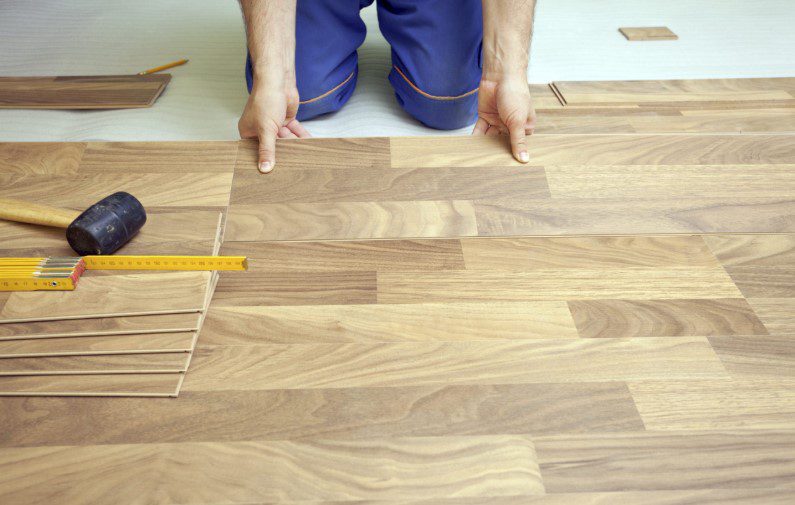
Installing hardwood flooring is fun. Gather all your tools first. You will need a measuring tapeand a hammer. A malletis also helpful. Get a flooring nailerfor tight places. A pull barhelps with fitting. You need spacers for even gaps. Don’t forget a utility knife. A pencilfor marking is a must.
Materials are next. Buy enough flooring planksfor the room. Get underlayment for cushioning. Acquire glue if needed. Nails or staples might be necessary. Have a clean clothready. Prepare everything before starting. It saves time.
Preparing The Subfloor
Start by removing all dirt and debris from the subfloor. Use a broom or vacuum to clean. Check for any nails sticking out. Hammer them down if found. Look for any uneven spots. Use a level to check the floor. Fill low areas with a leveling compound. Let it dry completely. This ensures the floor is even.
Install a moisture barrier to protect your flooring. Lay the barrier flat on the subfloor. Make sure it covers the entire area. Overlap the edges by a few inches. Use tape to secure the seams. This will keep moisture away. Your hardwood will stay dry and last longer.
Acclimating The Flooring
Engineered hardwood flooring needs time to adjust. Let it rest in the room. Two days should be enough. Temperature and humidity matter. Keep the room stable. Avoid direct sunlight. Keep away from heat sources. This helps the wood settle. Floors will not warp or bend. Proper acclimation is important. It ensures a smooth installation. Check the manufacturer’s guidelines. They have specific instructions. Follow them closely. This will help achieve the best result. Acclimation is a key step in flooring prep.
Planning The Layout
Careful planning ensures smooth installation of engineered hardwood click flooring. Measure your room and mark starting points. Consider natural light to determine plank direction for a pleasing look.
Determining Starting Point
Pick a wall as the starting point. This wall should be the longest. Begin laying the boards parallel to this wall. This method helps maintain a straight line. Use a chalk line for extra accuracy. The first row is very important. It sets the base for the rest. Make sure this row is straight and even. It should align with the wall perfectly.
Creating Expansion Gaps
Flooring needs space to expand. Leave a gap between the floor and the wall. This gap should be around 10 mm. Use spacers to keep the gap even. Expansion gaps prevent the floor from buckling. They are important for long-lasting floors. Remove spacers after you finish the installation. Then, cover the gaps with baseboards.
Installing The First Row
Start by laying the first board along the wall. Ensure it’s straight. Use spacers to create a small gap. This allows the wood to expand. Double-check alignment before moving on. Each board should fit snugly. Use a measuring tape for accuracy. A straight line is key to success. It sets the stage for the rest.
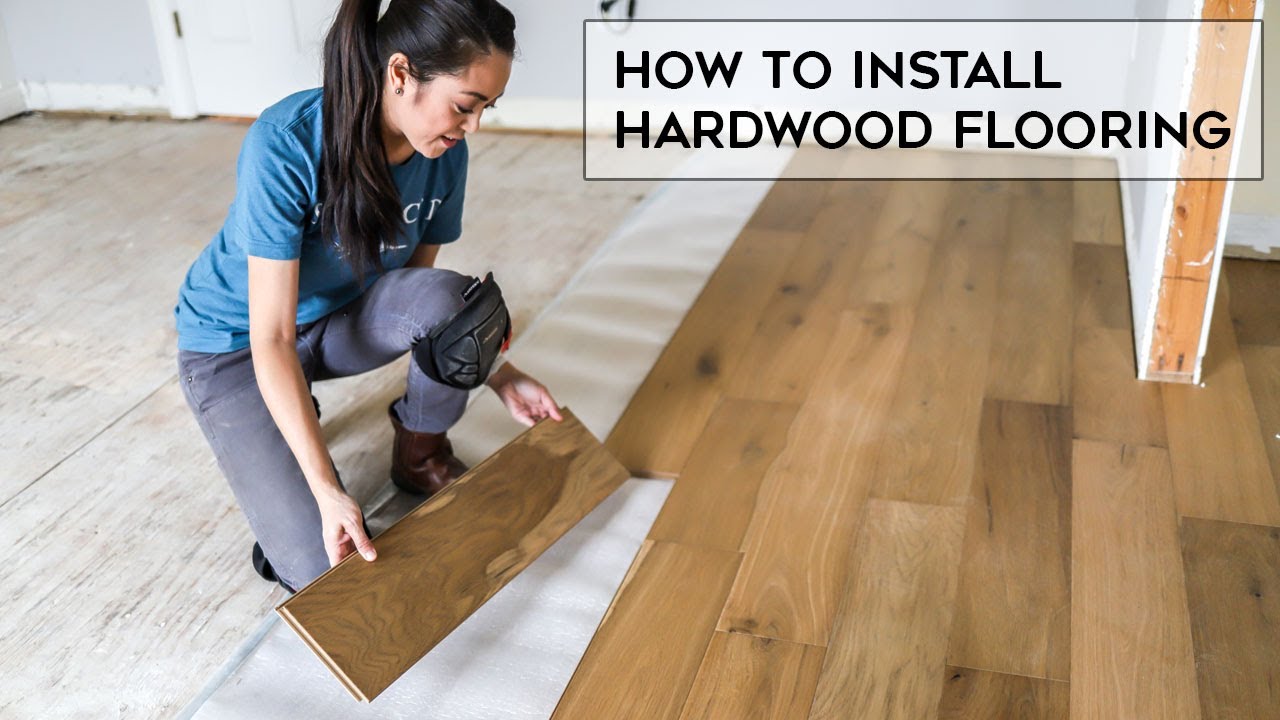
Hold the next plank at an angle. Insert it into the previous plank. Push down gently. You should hear a click. This means it’s locked in place. Continue this process for each plank. Make sure every plank clicks securely. Avoid gaps between planks. Check each connection twice. A tight fit ensures a stable floor.
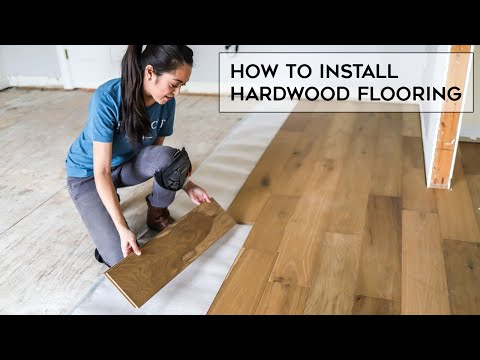
Credit: jenwoodhouse.com
Continuing The Installation
Continue laying the engineered hardwood planks by clicking them together, ensuring each plank fits snugly. Maintain a consistent direction, checking alignment regularly for a seamless look.
Staggering The Seams
Staggering seamshelps floors look natural and strong. Start the next row with a piece that is shorter. This keeps the seams from lining up. Seams that line up may cause the floor to shift. Keep each seam at least six inches apart. Different lengths make the floor stable. This also makes the floor look nice.
Handling Obstructions
Obstructions can be tricky. Carefully measure and cut around them. Use a jig saw for precise cuts. Make sure to leave space for expansion. This space helps the floor move. Without it, the floor may buckle. Keep tools handy for smooth adjustments. Each piece should fit snugly around obstacles.
Finishing Touches
Installing Baseboardsis an important step. It gives the room a neat look. Start by measuring the wall length. Cut the baseboards to fit. Use a saw for cutting. Check the fit before attaching. Nail the baseboards to the wall. Make sure they are straight. This will help them look nice. Cover the nail holes with wood filler. Paint or stain the baseboards to match. This adds a polished touch.
Cleaning the Surfaceis vital after installing. Sweep the floor gently. Remove all dust and debris. Use a damp cloth for spots. Avoid wet mops. Water can damage hardwood. Dry the floor quickly if it gets wet. Use a vacuum with a soft brush. This keeps the floor clean and shiny. Regular cleaning helps maintain its beauty.
Credit: jenwoodhouse.com
Maintenance Tips
Keep floors clean with a soft broom or vacuum. Avoid water on the floor. Use a damp mop for cleaning. Spills should be wiped up quickly. This prevents damage. Place felt pads under furniture legs. This stops scratches. Direct sunlight can fade floors. Use curtains or blinds to protect them. Temperature changes can affect flooring. Keep rooms at stable temperatures. Regular care keeps floors looking nice.
Use rugs in busy areas. Rugs reduce wear on flooring. Never use harsh chemicals for cleaning. Choose safe cleaners for hardwood. Always follow manufacturer guidelines for care. This ensures long life for your floors.
Frequently Asked Questions
How To Install Engineered Hardwood Flooring Click?
To install engineered hardwood flooring click, clean the subfloor. Lay underlayment. Click planks together, ensuring snug fit. Trim edges to fit walls. Finish with baseboards or moldings. Enjoy your new floor!
Is It Better To Glue Or Float An Engineered Wood Floor On Concrete?
Gluing engineered wood to concrete offers stability and durability. Floating floors are easier to install and repair. Consider room moisture levels and long-term maintenance needs when choosing the best method for your space.
What Do You Lay Under Engineered Wood Flooring?
Lay an underlayment like foam or cork under engineered wood flooring. It provides cushioning, moisture resistance, and sound insulation. Choose the underlayment based on your subfloor type and flooring needs. Proper underlayment enhances durability and comfort, ensuring the flooring performs well over time.
Is It Better To Glue Or Staple Engineered Flooring?
Gluing engineered flooring provides stability and reduces noise. Stapling is quicker but may cause gaps or movement. Consider room conditions, installation time, and desired finish before choosing. Glue suits humid areas; staples work in dry, stable environments. Both methods have pros and cons based on your specific needs.
Conclusion
Installing engineered hardwood click flooring is simple and rewarding. Follow the steps carefully for a smooth process. Enjoy a beautiful, durable floor that enhances any room. Your home gains style and warmth with this flooring choice. Remember to measure your space accurately.
Proper preparation ensures a perfect fit. Gather all necessary tools before beginning. Take your time during installation for the best results. Regular cleaning will maintain the floor’s beauty. Now, you can enjoy your new floor with ease. Your space will feel refreshed and inviting.
Happy flooring!