Hardwood Pattern Flooring: 4 Styles and Cost Per Sq Ft
Hardwood pattern flooring uses herringbone, chevron, parquet, or basket weave layouts instead of straight planks, and works with solid or engineered wood, including end grain block flooring. Material typically runs $8 to $14 per square foot, with intricate patterns like herringbone costing more in waste and cut time. This guide covers the four most popular styles, real installation steps, and what drives the price up or down; see the full wood flooring guide for how it compares to other flooring types.
Popular Hardwood Flooring Styles
Best Flooring Nailer Pick

DEWALT Flooring Stapler, 2-in-1 Tool (DWFP12569) – $203.00
Drives both cleat nails and staples in one tool, covering the nails-or-staples step in the Tools Required table above without buying two separate guns.
- Best for: Solid tongue-and-groove hardwood in herringbone or straight-plank layouts
- Why we picked it: One tool handles both fastener types this guide lists, so it works across every pattern covered above
- Main drawback: Heavier than a single-fastener nailer, which is more tiring on large rooms
Compare more flooring nailer options
 Option 1 Freeman P50LSLW Flooring Nailer/Stapler – $169.00
|
 Option 2 3PLUS HFS509040SP 4-in-1 Stapler/Nailer – $76.88
|
 Option 3 NuMax S18GLCNDH Dual Handle Nailer – $169.00
|
As an Amazon Associate we earn from qualifying purchases.
Hardwood floors are a classic and sophisticated choice for any home or office. These floors offer warmth and elegance to any room, not to mention a long lifespan. There are various hardwood patterns to choose from, each with their unique style and appeal. Let’s explore four popular hardwood flooring styles below:
Herringbone
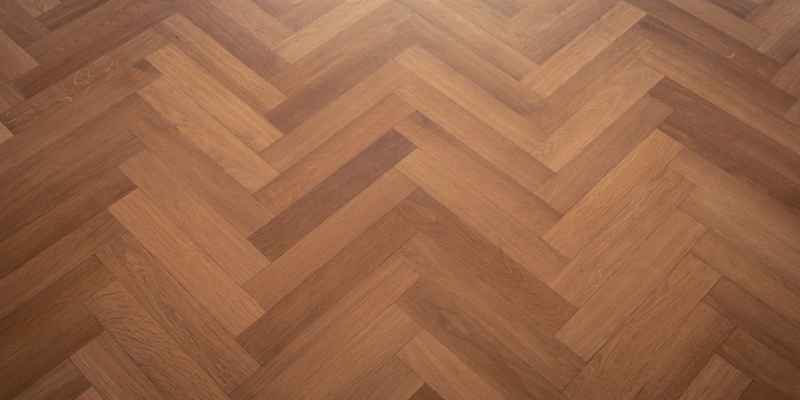
Herringbone pattern flooring is a timeless and famous choice for hardwood flooring. This pattern is made by arranging rectangular planks in a zig-zag pattern that creates a V-shaped design. This style is a popular choice for traditional and contemporary homes due to its unique look and versatility. Herringbone flooring is perfect for entrance ways or living rooms and is an excellent way to add visual interest to any space.
Chevron
Chevron pattern flooring is similar to herringbone flooring, but the planks are cut on an angle, resulting in a continuous, seamless chevron pattern. It is a popular choice for modern, contemporary homes due to its sleek, sophisticated design. Chevron pattern flooring can be used in various rooms, like bedrooms or dining rooms where a subtle style is desired.
Parquet
Parquet pattern flooring is a classic and elegant choice for any home or office. It is made by arranging small pieces of wood into a geometric, mosaic-like design. Parquet floors come in many different patterns, including squares, triangles, and diamonds. This style is perfect for any high-traffic areas like entryways, hallways, or kitchens.
Basket Weave
Basket weave pattern flooring is another classic design that is becoming more popular in modern homes. It is made of rectangular or square planks that are arranged in a basket-like pattern. This style creates a unique and intricate design that gives the flooring its texture. Basket Weave pattern flooring is perfect for home offices, libraries or anywhere requiring a more formal look.
Choosing the right hardwood flooring pattern is essential to create a unique and functional space. Whether you choose a classic parquet pattern, a modern chevron pattern, or a timeless herringbone pattern, you can be sure that the hardwood flooring will undoubtedly add a sense of sophistication and luxury to any room.
Benefits Of Hardwood Pattern Flooring
Hardwood pattern flooring is a popular choice for homeowners due to its durability and aesthetic appeal. With its natural variations in color and texture, it adds warmth and character to any room. Additionally, hardwood pattern flooring can increase the value of a home.
Aesthetics
Hardwood pattern flooring offers a timeless beauty that can elevate the look of any room. With a variety of options available such as herringbone, chevron, and parquet panels, you can customize the flooring to your taste and style. The addition of hardwood patterns to your space creates a natural warmth and luxury, adding value to your property. Also, hardwood floors are available in different colors and wood types, making it easier to match them with the color scheme of your furniture and walls.
Durability
Hardwood pattern flooring is known for its strength and durability. They can stand up to even the heaviest foot traffic without showing any signs of wear and tear. Hardwood floors are scratch-resistant and do not require much maintenance, which makes them perfect for households with pets and children. They can also withstand moisture and humidity, and some hardwood options are ideal for installation in humid regions.
Versatility
Hardwood pattern flooring is one of the most versatile flooring options available. They can be installed in different patterns, ranging from classic to contemporary designs. They are also available in different finishes such as matte, glossy, and semi-glossy, giving you an array of options to choose from. Hardwood pattern flooring can be used in any room, from the living area to the bedroom, giving your home a cohesive and elegant look.
In conclusion, hardwood pattern flooring is an excellent choice for anyone looking for a timeless and versatile flooring option. With the benefits of aesthetics, durability, and versatility, it can undoubtedly add value to your home.
Installing Hardwood Pattern Flooring
Installing hardwood pattern flooring is a great way to add sophisticated style to a room. From herringbone to chevron patterns, there are many options for customizing the look of your hardwood flooring. Professional installation is recommended for optimal results.
Installing hardwood pattern flooring can be a great way to add elegance and style to any room in your house. The process may seem intimidating at first, but with the right preparation and tools, it can be a fun and rewarding project to take on. In this section, we will guide you through the process of installing hardwood pattern flooring, starting from the preparation to the step-by-step guide.
Preparation
Preparation is key when it comes to installing hardwood pattern flooring. Here are a few things you should do before you begin the installation process:
- Measure the room you want to install the flooring in order to determine how much material you’ll need.
- Decide on a hardwood pattern and purchase the appropriate planks or panels.
- Acclimate the wood in the room for a few days to adjust to the temperature and humidity levels.
- Ensure the subfloor is clean, dry, and level.
- Gather all necessary tools and materials.
Tools Required
Here are the tools you’ll need to install hardwood pattern flooring:
| Tools | Materials |
|---|---|
| Circular saw | Hardwood flooring planks or panels |
| Jigsaw | Underlayment |
| Tape measure | Moisture barrier |
| Pry bar | Quarter-round molding |
| Level | Nails or staples |
| Hammer/nail gun | Adhesive glue |
| Chalk line | Sanding pads |
Step-by-step Guide
Now that you’re ready to begin installing hardwood pattern flooring, follow these steps:
- Install the underlayment and moisture barrier if necessary.
- Start on the longest and straightest wall and determine how you want to lay the panels/planks. A herringbone pattern and chevron pattern are two popular options.
- Begin installing the panels/planks, using adhesive glue or nails/staples as necessary. Use a circular saw or jigsaw to cut the ends of the planks/panels to fit the room dimensions.
- Make sure to stagger the seams of each row by a few inches to create a more natural look.
- Once all the planks/panels are installed, install quarter-round molding around the perimeter of the room to cover the expansion gap between the flooring and the wall.
- Give the floor a final sanding to smooth out any rough edges or imperfections.
- Clean the room thoroughly to remove any sawdust or debris.
- Finally, stand back and admire your beautiful new hardwood pattern flooring!
Installing hardwood pattern flooring can be a fun and rewarding project that adds both style and value to your home. With the right preparation and tools, and following these step-by-step instructions, you’ll be sure to have a beautiful and long-lasting hardwood floor that you can be proud of.
Maintaining Hardwood Pattern Flooring
Maintaining hardwood pattern flooring requires regular cleaning with a soft-bristled broom or vacuum cleaner to remove dust and debris. Avoid using excessive moisture while cleaning, and wipe up any spills immediately to prevent damage to the wood.
Sweeping And Vacuuming
Keeping hardwood pattern flooring clean is essential to maintain its beauty. Sweeping or vacuuming regularly will prevent dust and debris from scratching the surface. Use a soft-bristled broom or a vacuum cleaner with a hard floor setting to avoid damaging the floor. While sweeping, make sure to get rid of all the debris, especially in the crevices and between the planks.
Avoiding Moisture
Excess moisture can ruin hardwood pattern flooring, causing it to warp or cup. Avoid any spills on the floor, and wipe them up immediately. If cleaning is necessary, use a damp mop instead of a soaking wet one. Also, make sure to use only cleaning products designed for hardwood floors, as other products may contain chemicals that can damage the wood.
Refinishing
After several years, hardwood pattern flooring may require refinishing to restore its shine and protect it from wear and tear. Refinishing involves sanding down the top layer of the floor to remove any scratches, dents, or stains. Then, a new coat of stain and finish is applied to the surface. It is recommended to hire a professional to do the refinishing, as it requires expertise and specialized equipment.
To summarize, maintaining hardwood pattern flooring involves regular sweeping or vacuuming, avoiding excess moisture, and refinishing when needed. By following these simple steps, you can keep your hardwood pattern flooring looking beautiful for years to come.
Hardwood Pattern Alternatives
Achieve the look of hardwood pattern flooring without the cost by using alternatives such as laminate, vinyl plank, or engineered wood. These options come in a variety of patterns such as herringbone, chevron, and parquet to create a stylish and unique floor.
Hardwood flooring is a popular choice for homeowners due to its timeless, luxurious look and durability. However, traditional hardwood flooring may not be feasible for every budget or practical for every home. Fortunately, there are several hardwood pattern alternatives that can give you the same look for a fraction of the cost. In this article, we’ll explore three of the most popular options: engineered hardwood, laminate flooring, and luxury vinyl tile.
Engineered Hardwood
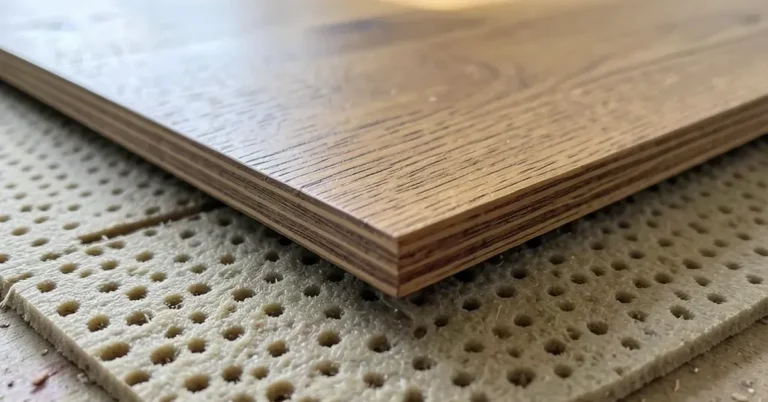
Engineered hardwood is a type of flooring that is made up of several layers of wood that are glued together. The top layer is usually made from hardwood, giving it the same look and feel as traditional hardwood flooring. However, the other layers are made from plywood or high-density fiberboard, which makes it more affordable and less likely to warp or expand due to changes in temperature or humidity. Engineered hardwood is also easier to install than traditional hardwood flooring since it can be glued down or floated over existing flooring.
Laminate Flooring
Laminate flooring is another affordable alternative to traditional hardwood flooring. It’s made up of several layers: a high-density fiberboard core, a photographic layer that mimics the look of hardwood, and a protective wear layer that resists scratches and stains. While it’s not made from real wood, laminate flooring can provide a convincing wood look that is often mistaken for the real thing. It’s also incredibly durable and easy to maintain, making it a great choice for high-traffic areas.
Luxury Vinyl Tile
Luxury vinyl tile (LVT) is a type of flooring that is designed to look like natural materials, such as hardwood or stone. It’s made up of several layers, including a photographic layer that mimics the look of wood and a wear layer that protects against scratches and stains. LVT is also waterproof, making it a great choice for areas that may be prone to moisture, such as bathrooms and kitchens. It’s also incredibly versatile and can be installed in a variety of patterns, including herringbone and chevron.
In conclusion, there are several hardwood pattern alternatives that can give your home the same luxurious look and feel as traditional hardwood flooring. Whether you choose engineered hardwood, laminate flooring, or luxury vinyl tile, you can rest assured that you’ll have a durable, beautiful floor that is sure to impress.
Selecting The Perfect Hardwood Pattern
Choosing the perfect hardwood pattern for your floor can be a daunting task. With a multitude of options available, it is crucial to consider factors such as the size of the room, the decor, and foot traffic to ensure that your flooring looks stunning and lasts for years to come.
When it comes to hardwood flooring, nothing beats the timeless beauty and elegance of a well-crafted hardwood pattern. With so many options to choose from, selecting the perfect pattern for your space can be both exciting and overwhelming. In this article, we will guide you through the process of selecting the perfect hardwood pattern, starting with considering the size of your room.
Consider Room Size
Before deciding on a hardwood pattern, you need to take into account the size of the room. Larger rooms can handle bolder, more intricate patterns like herringbone or chevron, as they add character and depth to the space. However, in smaller rooms, complex patterns can overwhelm the space and make it appear even smaller. In this case, a simpler pattern like straight plank or diagonal might be more appropriate.
Flooring Color Options
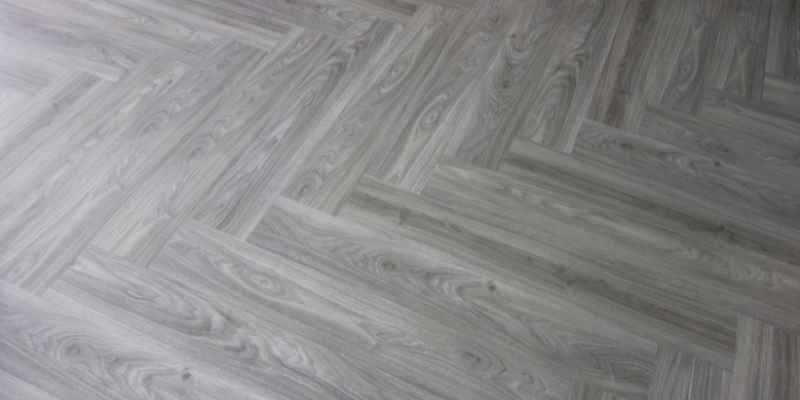
When it comes to the color of your hardwood flooring, the options are endless. From light blonde to rich, dark browns, and even gray tones that are gaining popularity, each color can evoke a different mood and aesthetic. For example, light-colored flooring can make a room feel open and airy, while dark-colored flooring can add warmth and coziness. Consider the color of your furniture and walls when selecting the color of your flooring to ensure a cohesive look.
Furniture Placement
The placement of your furniture is also an important factor when deciding on a hardwood pattern. For example, if you have a lot of furniture in a room, a simple pattern like straight plank might be a better choice to avoid overcrowding the space. On the other hand, if you have minimal furniture, a bold pattern like herringbone or chevron can give the space a dynamic and unique look.
In conclusion, selecting the perfect hardwood pattern requires considering the size of your room, color options available, and placement of furniture. With these factors in mind, you can choose a hardwood pattern that complements your space while also enhancing its overall aesthetic.
Hardwood Flooring Cost
Looking for hardwood pattern flooring in Austin, Texas? Check out European Floors of Austin, who offer high-quality solid and engineered wood floors in herringbone and parquet patterns. From White Oak European living room indoor parquet herringbone hardwood flooring to Wood Floor Medallion Inlay, there are a variety of options available for different budgets and styles.
Factors That Affect Flooring Cost:
The cost of hardwood pattern flooring can be influenced by a range of factors. Some of these factors include:
- The type of wood used
- The design or pattern of the flooring
- The size of the area that needs to be covered
- The installation method used
- The quality of the wood
Average Cost Of Hardwood Pattern Flooring:
The cost of hardwood pattern flooring can vary greatly based on different factors. However, on average, the cost can range from $8 to $14 per square foot. Keep in mind that this cost does not include the cost of installation or any additional materials needed for installation, such as subflooring or adhesive.
Additionally, the cost of hardwood pattern flooring can also vary based on the type of wood used. Some of the most popular types of wood used for hardwood pattern flooring include:
| Type of Wood | Average Cost per Square Foot |
|---|---|
| Oak | $8 to $11 |
| Maple | $9 to $12 |
| Walnut | $10 to $14 |
It’s important to keep in mind that while the cost of hardwood pattern flooring may seem expensive, it is a long-term investment that can add value and beauty to your home.
Where To Buy Hardwood Pattern Flooring
If you’ve decided that you want to install a beautiful hardwood pattern flooring in your home or office, you might be wondering where to buy it. In this section, we’ll explore some of the best places to purchase hardwood pattern flooring.
Local Flooring Stores
One of the most traditional options to buy hardwood pattern flooring is by visiting your local flooring stores. By doing so, you can see, feel, and compare different types of hardwood patterns in person. You’ll also get professional assistance when it comes to selecting the right type of hardwood pattern that suits your requirements. Moreover, you’ll be able to see the different grades and finishes of the hardwood patterns and make the best decision according to your budget.
Online Retailers
Another great option to buy hardwood pattern flooring is to shop online. Online retailers have a vast selection of different hardwood patterns that you can browse through from the comfort of your own home. You can also find customer reviews, ratings, materials, installation guides, and more. Whether you’re looking for a traditional herringbone or a modern chevron, or any other pattern, you’ll have access to a wide range of options. Moreover, online retailers often offer significant discounts and promotions, which can help you save money on your purchase.
Cost Comparison
While purchasing hardwood pattern flooring, it’s essential to keep an eye on the cost. By comparing the prices of different stores, you’ll be able to get the best deal possible. Local stores have the upper edge in this regard, as you can frequently negotiate with them and get discounts. On the other hand, online retailers offer more affordable prices as they have lower overhead costs. Therefore, before making any purchase, be sure to compare the prices of hardwood pattern flooring at local stores and online retailers.
Overall, choosing the right place to buy hardwood pattern flooring is a personal choice. Depending on your budget and requirements, you might find a better deal online or in-store. However, regardless of where you buy it, hardwood pattern flooring is an excellent investment in your property that will not disappoint.
Frequently Asked Questions On Hardwood Pattern Flooring
What Is The Name Of The Wood Pattern Floor?
There are various wood pattern floors available. However, from the provided information, the name of the wood pattern floor is unclear. It is recommended to consult with an expert in this field or provide more specific details to get a precise answer.
Should Hardwood Floors Have A Pattern?
Hardwood floors can have a pattern, such as herringbone or chevron, to add visual interest and style to a space. These patterns can be achieved with solid or engineered wood flooring and can range from simple to intricate designs. Ultimately, the decision to incorporate a pattern will come down to personal preference and the overall design goals for the room.
What Is The Best Pattern For Wood Flooring?
The best pattern for wood flooring depends on personal preference and the overall look and design of the space. Popular patterns include herringbone, chevron, parquet, and straight planks. Factors such as the type of wood and installation method can also affect the look of the pattern.
It’s important to consult with a flooring professional to determine the best pattern for your specific needs.
What Is The Best Pattern To Lay Flooring?
The best pattern for laying flooring depends on the type of flooring and the desired look. Some popular patterns include herringbone, chevron, and plank. When it comes to hardwood flooring, herringbone and chevron are classic patterns. Plank is a great option for a modern or rustic look.
Ultimately, the pattern chosen should complement the overall design of the space.
Conclusion
Hardwood pattern flooring is a timeless and elegant option for any home or business. The variety of patterns available allows for endless design possibilities, and the durability of hardwood ensures a long-lasting investment. With the help of this article, readers can explore the many options available for hardwood pattern flooring and find the perfect fit for their space and budget.
Sponsored / affiliate links. As an Amazon Associate I earn from qualifying purchases. I may earn additional commission from eligible campaigns.