How to Join Round Wood Together: Seamless Techniques
To join round wood together, use strong adhesives or mechanical fasteners like dowels or screws. Ensure the surfaces are smooth for a secure bond.
Joining round wood can be a rewarding project for both beginners and experienced craftsmen. Whether building furniture, creating decorative items, or making outdoor structures, understanding the right techniques is crucial. Round wood presents unique challenges due to its shape, but with the right tools and methods, achieving a sturdy and aesthetic connection is possible.
Proper preparation and selection of joining methods enhance durability and appearance. This guide will explore various techniques to effectively join round wood, ensuring you achieve professional results in your woodworking projects. Get ready to elevate your craftsmanship with practical tips and expert advice tailored for your needs.
Introduction To Joining Round Wood
Joining round wood can be fun and rewarding. Choosing the right wood is important for strong joints. Look for wood that is straight, dry, and free from defects. Different woods have unique properties. Softwoods like pine are easier to work with. Hardwoods such as oak are more durable.
Gather the tools required for the job. Basic tools include a saw, drill, clamps, and wood glue. A measuring tape helps ensure accurate cuts. Using a chisel can create better joints. A sander smooths rough edges for a clean finish.
| Tool | Purpose |
|---|---|
| Saw | Cut wood to desired lengths |
| Drill | Create holes for joining |
| Clamps | Hold pieces together while drying |
| Wood Glue | Bond wood pieces securely |
Preparing The Wood
Start by measuring the wood accurately. Use a saw to cut each piece to the desired length. Ensure cuts are straight for a better fit.
Next, focus on sanding the edges. Use medium-grit sandpaper for rough areas. Switch to fine-grit sandpaper for a smooth finish. This helps the pieces fit together tightly.
Be sure to wear safety glasses while cutting and sanding. Keep your workspace clean to avoid accidents. Proper preparation makes joining wood much easier and more effective.
Basic Joinery Techniques
Dowel joints are a simple way to connect two pieces of wood. They use wooden pegs called dowels. First, drill matching holes in both pieces. Then, insert the dowels into the holes. This creates a strong, tight fit.
Mortise and tenon joints are another effective method. This joint consists of a rectangular hole, called a mortise, in one piece. The other piece has a matching projection, known as a tenon. Fit the tenon into the mortise for a sturdy connection. This method is great for frames and furniture.
Advanced Techniques For Seamless Joins
Biscuit joinery is a great method for connecting pieces of wood. It uses small, oval-shaped biscuits. These biscuits fit into slots made in both pieces. When glued, they create a strong bond.
This technique is quick and easy to use. It also helps align the wood perfectly. Many woodworkers prefer biscuit joinery for its efficiency.
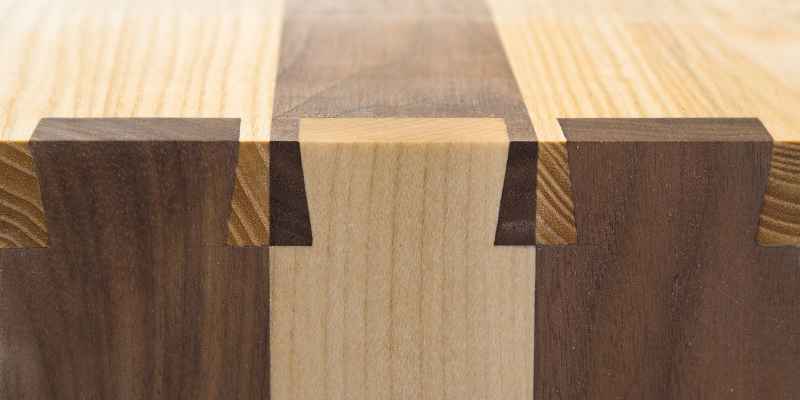
Dovetail joinery is another popular method. This technique features interlocking tails and pins. It is often used in drawers and cabinets.
Dovetail joints are not only strong but also beautiful. They add a decorative touch to any project. Mastering this technique takes practice but is very rewarding.
Gluing And Clamping For Strength
Choosing the right glue is crucial for strong joints. PVA glue works well for most wood projects. It dries clear and is easy to clean. For outdoor projects, polyurethane glue is a great choice. It is waterproof and expands as it dries.
Clamping strategies are important for a solid bond. Use bar clamps or pipe clamps for even pressure. Ensure the pieces are aligned properly before tightening. Corner clamps help with right angles. Always check for excess glue and wipe it away quickly.
| Glue Type | Best Use |
|---|---|
| PVA Glue | Indoor projects |
| Polyurethane Glue | Outdoor projects |
Finishing Touches
Sanding is an important step after joining round wood. It helps create a smooth surface. Use a medium-grit sandpaper first. This removes any rough spots or glue. Follow up with fine-grit sandpaper for a polished finish. Always sand along the grain of the wood.
Applying a finish protects the wood. Options include oil, varnish, or polyurethane. Each type enhances the wood’s natural beauty. Apply the finish with a clean brush or cloth. Be sure to follow the manufacturer’s instructions for the best results.
| Finish Type | Advantages |
|---|---|
| Oil | Easy to apply, brings out grain |
| Varnish | Durable, provides a hard shell |
| Polyurethane | Water-resistant, very tough |
Troubleshooting Common Issues
Gaps in the joint can happen for many reasons. Poor fitting or uneven surfaces often cause them. To fix this, sand the edges of the wood. Apply wood glue to fill small gaps. For larger gaps, use wooden dowels or wedges.
Wood splitting can occur during assembly. Always drill pilot holes before inserting screws. Choose the right size screws for your wood thickness. Avoid over-tightening, as this can cause splits. Use clamps to hold wood pieces together while drying.
Projects To Practice Your Skills
Building a simple stool is a great start. Use four legs and a top. Make sure the legs are equal length. Attach them securely with wood glue or screws. Sand the edges for safety.
Creating a round table is fun and rewarding. Start with a circular top and three or four legs. Use a strong base for support. Join the legs with wood dowels or brackets. Finish it with paint or stain for a polished look.
Frequently Asked Questions
How Do I Join Round Wood Securely?
To join round wood securely, use dowels or screws. First, drill holes at angles for stability. Then, insert dowels or screws, ensuring they are flush. You can also use wood glue for added strength. Proper clamping during drying enhances the bond and ensures a tight fit.
What Tools Do I Need To Join Round Wood?
Essential tools include a drill, clamps, and a saw. A doweling jigs can help align holes accurately. Use wood glue for a stronger bond. Additionally, sandpaper will smooth edges for a cleaner finish. Having the right tools ensures an efficient and precise joining process.
Can I Join Round Wood Without Screws?
Yes, you can join round wood without screws using wood glue. Apply glue generously to the surfaces to be joined. Use clamps to hold the pieces together while the glue dries. This method creates a strong bond if done correctly.
Ensure proper surface preparation for the best results.
What Types Of Joints Are Best For Round Wood?
The best joints for round wood are dowel joints and lap joints. Dowel joints provide strength and alignment. Lap joints offer a flat surface for better glue application. Both methods are effective for creating durable connections. Choose based on the project’s requirements and your skill level.
Conclusion
Joining round wood can be a rewarding project. With the right tools and techniques, you can achieve strong, durable connections. Whether for furniture or crafts, these methods enhance your woodworking skills. Experimenting with various joints will lead to better results and creativity.
Start your next project with confidence and enjoy the process!