What Kind of Sandpaper for Wood Furniture (120-220)
Use 120 to 150 grit sandpaper for initial sanding on wood furniture, then finish with 220 grit for a smooth, stain-ready surface. Skip a grit step or sand across the grain and scratches will show through the very first coat of stain or finish. This guide covers grit selection by project stage, coarse-to-fine sanding order, and safe grits for antique finishes.
Selecting The Right Sandpaper For Wood Furniture
Best Wood Furniture Sandpaper Pick
BOSHCRAFT 50-Piece Sandpaper Assortment – $11.99
Includes dedicated 120 and 220 grit sheets – the exact initial-sanding and finishing grits this guide recommends for wood furniture – plus 80, 150, 320, and 400 grit for every step in between.
- Best for: Furniture refinishing projects that need the full coarse-to-fine progression in one pack.
- Why we picked it: Covers both grits this guide’s direct answer calls for (120 and 220), with extra sheets at each.
- Main drawback: Aluminum oxide sheets wear faster than mesh-backed sandpaper on very hard woods.
Compare more sandpaper options
 Option 1 Dianrui 50-Piece Sandpaper Assortment – $9.99
|
 Option 2 Dianrui 70-Piece Sandpaper Assortment – $14.99
|
 Option 3 KENDO Wet & Dry Sandpaper – $16.99
|
As an Amazon Associate we earn from qualifying purchases.
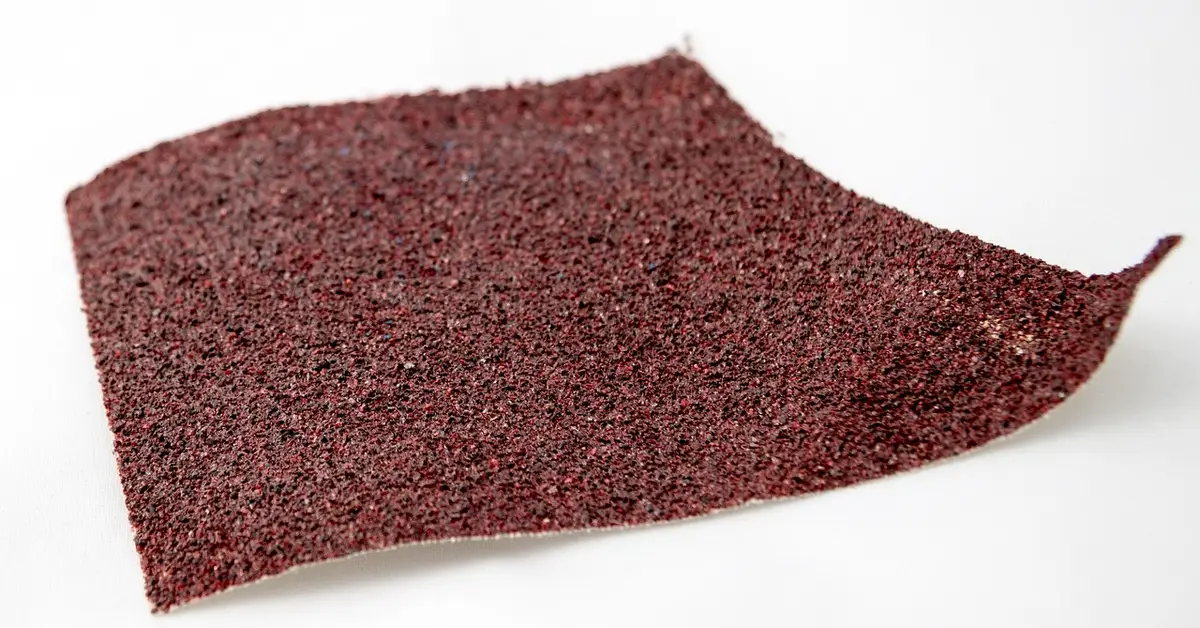
Choosing the right sandpaper is crucial for wood furniture. Different grit numbers serve various purposes. Use coarse grit for rough surfaces. Fine grit is great for smooth finishes.
Grain types also matter. Open grain sandpaper has bigger particles. It removes material faster. Closed grain sandpaper is finer and leaves a smooth finish.
| Grit Number | Purpose |
|---|---|
| 40-60 | Heavy material removal |
| 80-120 | Medium sanding |
| 150-220 | Fine sanding for smooth surfaces |
| 220+ | Final finishing and polishing |
Preparation Before Sanding
Before sanding, cleaning the surface is very important. Dust, dirt, and grease can affect the finish. Use a damp cloth to wipe the furniture. Make sure to let it dry completely.
Choosing the right tools is also essential. Select high-quality sandpaper based on the wood type. For rough surfaces, start with coarse grit sandpaper. For smoother finishes, use fine grit sandpaper.
Always wear a mask and goggles for protection. This keeps you safe from dust and debris. Keep your workspace clean to avoid accidents. This kind of routine prep and cleanup is part of basic wood maintenance for any furniture piece.

Starting With Coarse Sandpaper
Coarse sandpaper is essential for removing old finishes and smoothing rough surfaces. It is often rated with a grit number between 40 and 80. Use this grit when starting a new project or working on weathered wood.
Apply coarse sandpaper to surfaces with a steady hand. Always sand in the direction of the wood grain. This technique prevents damage and ensures a smooth finish. Change the sandpaper often for best results.
After using coarse grit, move to finer grits for a polished look. This will help achieve a professional finish on your furniture.
Transitioning To Medium Grit Sandpaper
Medium grit sandpaper is key for smooth wood surfaces. It typically ranges from 120 to 180 grit. This type of sandpaper removes rough spots effectively without damaging the wood.
Using medium grit helps achieve a uniform surface. It prepares the wood for finishing touches. This is important for a beautiful final look.
| Grit Size | Use |
|---|---|
| 120 | Initial sanding to remove imperfections |
| 180 | Final smoothing before finishing |
Always remember to sand in the direction of the grain. This prevents scratches and ensures a polished finish.
Finishing With Fine Grit Sandpaper
Using fine grit sandpaper is key for a smooth wood finish. It helps remove any scratches left by coarser grits. Fine grit also prepares the surface for paint or varnish. This ensures a flawless appearance that enhances the beauty of the wood.
Choosing the right grit level is essential. Start with 220 grit for initial sanding. For a final touch, use 320 grit or finer. This process makes the wood feel soft and looks polished.
- Always sand in the direction of the grain.
- Keep the sandpaper clean for better results.
- Use a sanding block for even pressure.
- Finish with a tack cloth to remove dust.
Special Considerations For Antique Furniture
Antique furniture often has a unique patina. This adds character and history. Use fine-grit sandpaper to preserve this look. Start with 220-grit sandpaper. It gently smooths the surface without removing too much finish.
Always test on a small area first. This helps avoid damaging the piece. Use a soft cloth to apply sanding. Avoid excessive pressure, as this can harm the wood.
Common mistakes include using too rough sandpaper. Coarse grit can strip away the original finish. Always work in the direction of the wood grain. This helps maintain a smooth surface.
Sanding Techniques For Detailed Areas
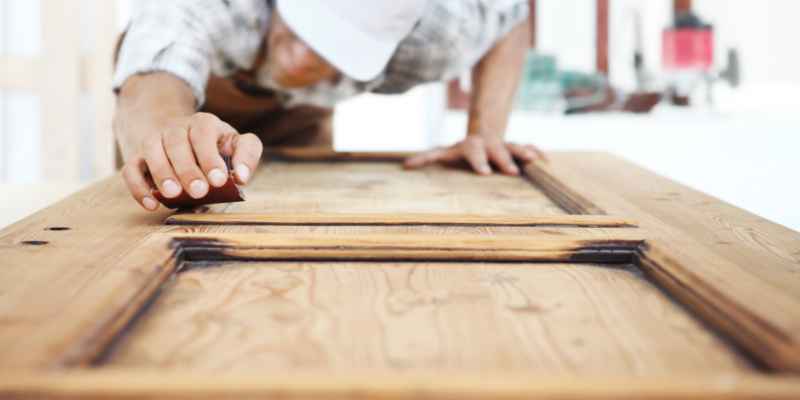
For detailed areas on wood furniture, proper tools are essential. Hand sanding is great for tight spaces. It allows for better control and precision. Use fine-grit sandpaper for smooth finishes. Power sanding works well on larger surfaces. It saves time and effort. However, it may be tricky in corners.
Both methods have their benefits. Choose based on the furniture piece. Hand sanding is ideal for intricate designs. Power sanding is perfect for flat surfaces. Knowing the right technique makes a big difference in the final look.
| Method | Best Use |
|---|---|
| Hand Sanding | Tight Spaces, Detailed Areas |
| Power Sanding | Larger, Flat Surfaces |
After Sanding: Next Steps
After sanding, cleaning is very important. Use a soft cloth to wipe away dust. A vacuum can also help remove particles. Make sure the surface is smooth and clean.
Choose a finish that suits your project. Options include varnish, stain, or oil. Each type gives a different look and feel. Test a small area before applying it widely. This helps ensure satisfaction with the result.
| Finish Type | Characteristics |
|---|---|
| Varnish | Durable and water-resistant |
| Stain | Enhances wood color, adds depth |
| Oil | Penetrates wood, highlights grain |
Frequently Asked Questions
What Grit Sandpaper Is Best For Wood Furniture?
For wood furniture, use 120 to 220 grit sandpaper. Start with 120 grit for rough surfaces, then progress to 180 or 220 grit for a smooth finish. This range helps remove imperfections without damaging the wood. Always sand in the direction of the grain for optimal results.
How Do I Choose Sandpaper For Furniture Refinishing?
Choose sandpaper based on the wood’s condition. Use coarse grit for stripping old finishes and finer grits for smoothing. Consider the type of wood as well; softer woods need finer grits. Always test on a small area first to ensure the desired effect.
Can I Use Wet Sandpaper On Wood Furniture?
Yes, wet sandpaper can be used on wood furniture. It helps reduce dust and provides a smoother finish. However, ensure the wood is dry and clean before applying water. Use it cautiously, as excessive moisture can damage the wood.
How Often Should I Change Sandpaper When Sanding?
Change sandpaper regularly, especially when it becomes clogged or worn. A good rule is to replace it every 10-15 minutes of sanding. Using fresh sandpaper ensures efficient material removal and a better finish. Regular changes improve the overall quality of your work.
Conclusion
Choosing the right sandpaper for wood furniture is essential for achieving a smooth finish. Each grit serves a specific purpose, from rough sanding to fine polishing. Understanding these differences can enhance your woodworking projects. Invest time in selecting the appropriate sandpaper, and you’ll elevate the quality of your furniture restoration.
Sponsored / affiliate links. As an Amazon Associate I earn from qualifying purchases. I may earn additional commission from eligible campaigns.