How to Make Composite Decking Less Slippery: Quick Fixes!
To make composite decking less slippery, use anti-slip coatings or add textured surface products. Regularly clean the decking to prevent mold and algae buildup.
Composite decking offers a stylish, low-maintenance option for outdoor spaces. However, it can become slippery, especially when wet. Safety is a priority for homeowners who enjoy outdoor activities. Ensuring a secure walking surface is essential, particularly around pools or in rainy climates.
Several effective solutions can enhance grip without compromising aesthetics. These methods include applying non-slip treatments or utilizing specialized deck materials. Regular maintenance also plays a crucial role in preventing slippery surfaces. By implementing these strategies, you can enjoy your composite deck while minimizing slip hazards. Emphasizing safety will help create a more enjoyable outdoor environment for family and friends.
Introduction To Composite Decking
Composite decking is a popular choice for outdoor spaces. It combines wood fibers and plastic. This material offers durability and low maintenance. Many homeowners prefer it for its aesthetic appeal.
The Popularity Surge
Composite decking has seen a significant increase in demand. Here are some reasons for its popularity:
- Long-lasting and resistant to rot.
- Requires less maintenance than traditional wood.
- Available in various colors and styles.
- Environmentally friendly, made from recycled materials.
This surge in popularity has made composite decking a top choice for patios and decks. People love its versatility and modern look.
The Slippery Challenge
Despite its benefits, composite decking can be slippery. Wet weather and debris increase the risk of slips and falls. Safety is a major concern for homeowners.
Here are some factors that contribute to the slipperiness:
| Factor | Description |
|---|---|
| Moisture | Rain or spills can create a slick surface. |
| Debris | Leaves, dirt, and algae can make surfaces slippery. |
| Texture | Some composite materials have a smooth finish. |
Homeowners should address this slippery challenge. There are several effective solutions to enhance safety.
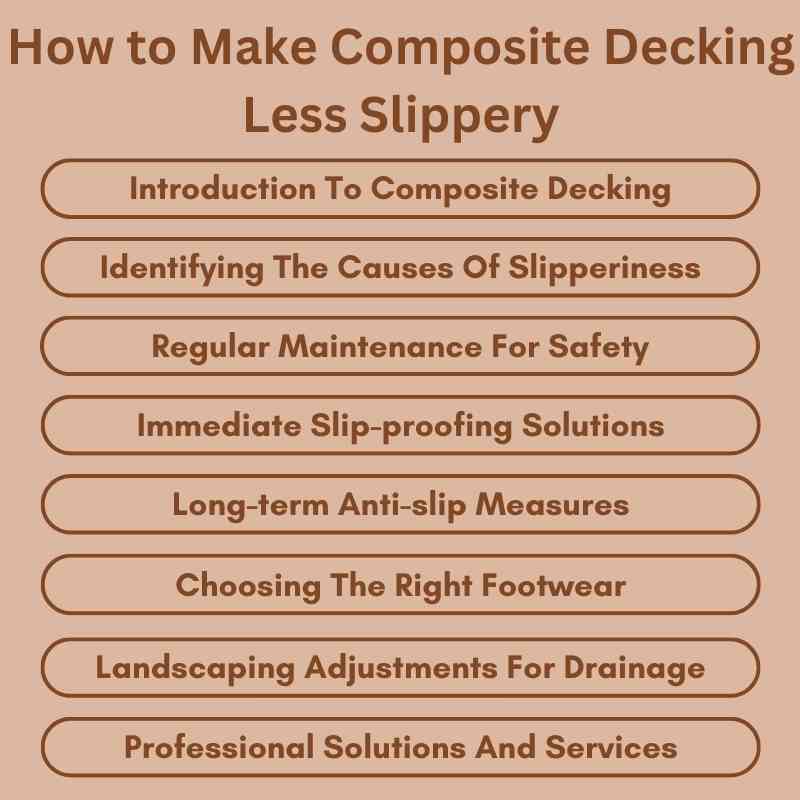
Identifying The Causes Of Slipperiness
Composite decking can become slippery for several reasons. Understanding these causes helps in preventing accidents. Let’s explore the main factors that contribute to this issue.
Moisture And Algae
Moisture is a primary cause of slipperiness. Rain or humidity can create a wet surface. Algae thrive in these conditions, leading to a slippery deck. Here are some key points about moisture and algae:
- Moisture retention occurs in shaded areas.
- Algae growth makes the surface slick.
- Algae can be green, black, or brown.
Regular maintenance helps control moisture. Keep your deck dry and clean. Proper drainage is essential to reduce moisture accumulation.
Mold And Mildew Buildup
Mold and mildew also contribute to slipperiness. They thrive in damp environments. These fungi can create a slippery film on the deck. Here are some important details:
| Type | Description | Prevention |
|---|---|---|
| Mold | Dark spots on the surface | Use a mildew-resistant cleaner |
| Mildew | White or gray powdery substance | Ensure proper ventilation |
Regular cleaning is crucial. Use a brush to scrub away any buildup. Keep your composite decking well-ventilated to reduce moisture. This will help prevent mold and mildew from forming.
Regular Maintenance For Safety
Keeping your composite decking safe starts with regular maintenance. A clean and well-maintained deck reduces slipperiness. Follow these steps to ensure safety for everyone.
Routine Cleaning
Regular cleaning is essential for safety. Dirt, leaves, and algae can make the surface slippery. Here’s how to keep your deck clean:
- Clear Debris: Remove leaves and dirt weekly.
- Wash the Surface: Use a mild soap and water solution.
- Use a Soft Brush: Scrub the deck with a soft-bristled brush.
- Rinse Thoroughly: Use a hose to wash away soap.
- Inspect for Damage: Check for cracks or loose boards.
Seasonal Care Tips
Seasonal changes can affect your deck’s safety. Follow these tips to prepare:
| Season | Tip |
|---|---|
| Spring | Clean thoroughly after winter. Remove any leftover snow or ice. |
| Summer | Check for mold and mildew. Clean as needed. |
| Fall | Clear leaves regularly. They can hold moisture. |
| Winter | Use a shovel or broom to clear snow. Avoid salt. |
Following these seasonal care tips keeps your deck safe. Regular maintenance prevents accidents. A little effort goes a long way.
Immediate Slip-proofing Solutions
Composite decking can be slippery, especially when wet. Fortunately, several immediate solutions exist to enhance safety. These solutions are easy to apply and effective in reducing slip hazards.
Anti-slip Mats
Anti-slip mats provide a quick fix for slippery areas. They are designed to grip surfaces firmly. Here’s why you should consider them:
- Easy Installation: Just place them on the decking.
- Variety of Styles: Available in many colors and designs.
- Weather Resistant: Suitable for outdoor use.
Choose mats with a textured surface. This texture increases traction. Ensure mats fit well to avoid tripping.
Grit Strips Application
Grit strips are another effective option. They adhere directly to the decking. Here’s how to apply them:
- Clean the Surface: Remove dirt and debris.
- Measure and Cut: Cut the strips to the desired length.
- Peel and Stick: Remove backing and press onto the surface.
Grit strips provide excellent traction. They come in various widths and lengths. Select the right size for your decking area.
| Type | Benefits | Installation Time |
|---|---|---|
| Anti-Slip Mats | Quick, Stylish, Weather-Resistant | Minutes |
| Grit Strips | Long-Lasting, High Traction | 15-30 Minutes |
Both options improve safety on composite decking. Choose what fits your needs best. Enjoy a safer outdoor space.
Long-term Anti-slip Measures
Composite decking can be slippery, especially in wet conditions. Implementing long-term anti-slip measures keeps your deck safe. These solutions enhance safety without sacrificing appearance.
Sealing And Deck Treatments
Sealing your composite deck is crucial for reducing slipperiness. Here are some effective treatments:
- Anti-Slip Sealants: These products provide a textured surface.
- Water-Repellent Sealers: They help prevent moisture buildup.
- Regular Maintenance: Reseal every 1-3 years for best results.
Choose a sealant designed for composite materials. This ensures compatibility and longevity. Follow the manufacturer’s instructions for application.
Textured Paints And Coatings
Textured paints and coatings can significantly improve traction. Consider these options:
| Type | Description | Benefits |
|---|---|---|
| Grip Paint | Specially designed for outdoor surfaces. | Increases traction and durability. |
| Anti-Slip Additives | Can be mixed with standard paint. | Provides a textured finish. |
| Rubberized Coatings | Flexible and weather-resistant. | Offers excellent grip in wet conditions. |
Apply textured paints in dry weather. Ensure the surface is clean and dry for best adhesion. A well-applied coating lasts longer and provides better grip.
Choosing The Right Footwear
Choosing the right footwear is essential for safety on composite decking. Proper shoes can reduce slipping and improve grip. Let’s explore how to select the best footwear.
Footwear For Traction
Wearing shoes with good traction is crucial. Look for features like:
- Rubber soles: They provide better grip on slippery surfaces.
- Textured patterns: Treads help increase friction.
- Low heels: They enhance stability and balance.
Here are some recommended types of footwear:
| Type | Benefits |
|---|---|
| Running Shoes | Lightweight and flexible with excellent grip. |
| Waterproof Boots | Great for wet conditions, provides strong traction. |
| Sandals with Straps | Open design with secure fit, ideal for summer. |
Avoiding Common Mistakes
Many people make mistakes with their footwear choices. Avoid these pitfalls:
- Wearing smooth-soled shoes: They offer little grip.
- Choosing high heels: They can cause instability.
- Ignoring weather conditions: Adjust shoes for rain or snow.
Remember these tips to improve safety on your composite decking.
Landscaping Adjustments For Drainage
Proper landscaping helps manage water flow. Effective drainage reduces slippery surfaces on composite decking. Focus on two main areas: improving deck drainage and strategic plant placement.
Improving Deck Drainage
Good drainage keeps water away from your deck. Here are some effective methods:
- Install a Slope: Ensure your deck has a slight slope away from your home.
- Use Drainage Channels: Add channels to direct water flow.
- Integrate Gutters: Install gutters to catch rainwater.
- Choose Permeable Materials: Use stones or gravel around your deck.
These adjustments help water drain efficiently. They reduce pooling and keep surfaces dry.
Strategic Plant Placement
Plants can assist with drainage. They absorb excess water and stabilize soil. Consider these tips:
- Plant Native Species: They thrive in local conditions and require less water.
- Group Plants Wisely: Cluster plants to create natural barriers.
- Avoid Overwatering: Adjust watering schedules based on rainfall.
- Use Ground Covers: Ground covers help absorb water and reduce runoff.
Proper plant placement enhances drainage. This keeps your composite decking safer and less slippery.
Professional Solutions And Services
Composite decking can become slippery, especially in wet conditions. Seeking professional help ensures effective solutions. Experts can assess your decking and recommend the best options. Here are two key areas where professionals can assist.
Expert Assessment
Hiring a professional for an assessment is crucial. They will examine your decking thoroughly. Key benefits of expert assessment include:
- Identifying slippery areas.
- Evaluating current materials.
- Recommending tailored solutions.
Experts use specialized tools to analyze traction levels. This helps in understanding the specific needs of your decking. Accurate assessments lead to better solutions.
Installation Of Non-slip Products
Professionals can install various non-slip products. These products improve safety significantly. Options include:
| Product Type | Description |
|---|---|
| Non-Slip Coatings | A clear layer applied to the surface. |
| Grip Strips | Adhesive strips that enhance traction. |
| Textured Decking | Decking materials designed for better grip. |
Professionals ensure proper installation of these products. This guarantees long-lasting results and safety. Regular maintenance checks can prolong the effectiveness of these solutions.
DIY Tips For Enhanced Grip
Make your composite decking safer with these simple DIY tips. Enhancing grip can prevent slips and falls. Here are some effective methods to improve traction.
Homemade Solutions
Use these easy homemade solutions to increase grip on your deck:
- Sand Mixture: Mix sand with outdoor paint. Apply it to the surface.
- Anti-Slip Tape: Use heavy-duty anti-slip tape. Place it on high-traffic areas.
- Rubber Mats: Lay down rubber mats. They provide extra grip in wet conditions.
- Textured Coating: Apply a textured coating. This adds grip without changing the color.
Deck Board Reorientation
Reorienting your deck boards can improve traction. Follow these steps:
- Check the slope of your deck.
- Ensure boards are laid perpendicular to the slope.
- Adjust spacing between boards for better drainage.
Reorienting can help water flow off the surface. This makes the deck less slippery. Regular maintenance is key for safety.
| Method | Benefits |
|---|---|
| Sand Mixture | Improves traction and is cost-effective. |
| Anti-Slip Tape | Easy to apply and effective in wet areas. |
| Rubber Mats | Provides instant grip and absorbs water. |
| Textured Coating | Long-lasting grip without altering appearance. |
Safety First: A Culture Of Caution
Creating a safe environment on your composite decking is essential. Slippery surfaces can lead to accidents. Instilling a culture of caution helps everyone stay alert. Prioritize safety for family and guests.
Educating House Members
Awareness is key to preventing slips. Teach everyone about the risks of slippery decking. Here are some tips:
- Discuss the Importance of Safety: Talk about why caution matters.
- Demonstrate Safe Practices: Show proper walking techniques.
- Share Information: Provide resources about decking safety.
Use visual aids to explain slippery conditions. Posters or charts can help reinforce safety messages.
Implementing Safety Practices
Establishing clear safety practices reduces risks. Here are some effective strategies:
- Regular Cleaning: Remove debris like leaves and dirt.
- Use Non-Slip Treatments: Apply coatings designed for traction.
- Install Anti-Slip Strips: Add these to high-traffic areas.
- Wear Appropriate Footwear: Encourage non-slip shoes.
Consider seasonal changes. Adjust safety practices based on weather. Rain and ice can increase slipperiness. Always stay vigilant.
| Condition | Recommended Action |
|---|---|
| Wet Surface | Promptly clean and dry |
| Leaves and Debris | Regularly sweep away |
| Snow or Ice | Use salt or sand for traction |
Implementing these practices ensures safety for everyone. Create a culture of caution on your composite decking.
Conclusion: Balancing Aesthetics And Safety
Creating a beautiful outdoor space should not compromise safety. Composite decking offers stunning visuals but can become slippery. Finding the right balance is essential for enjoyment and safety.
Summary Of Key Points
- Texture Matters: Choose textured surfaces to enhance grip.
- Regular Maintenance: Keep the deck clean and dry.
- Non-Slip Coatings: Apply coatings for added traction.
- Strategic Layout: Position furniture wisely to reduce slippery areas.
- Drainage Solutions: Ensure proper drainage to minimize water accumulation.
Final Recommendations
To enjoy your composite deck safely:
- Opt for high-quality textured composite materials.
- Regularly clean the deck to prevent mold and algae.
- Consider non-slip coatings for added safety.
- Use outdoor rugs for extra grip in high-traffic areas.
- Design your space to promote natural drainage.
| Method | Benefits |
|---|---|
| Textured Surfaces | Improves traction and reduces slips. |
| Non-Slip Coatings | Increases grip on wet surfaces. |
| Regular Cleaning | Prevents slippery mold and algae. |
| Rugs and Mats | Adds friction in key areas. |
| Proper Drainage | Reduces water pooling on the deck. |
Take these steps to enhance safety while maintaining a beautiful outdoor space. Enjoy your composite deck without worry.
Frequently Asked Questions
How Can I Reduce Slipperiness On Composite Decking?
To reduce slipperiness on composite decking, consider applying anti-slip coatings or treatments. These products create a textured surface that enhances traction. Additionally, regularly cleaning your decking to remove debris and algae can significantly improve safety. Installing slip-resistant mats can also help in high-traffic areas.
What Materials Make Composite Decking Less Slippery?
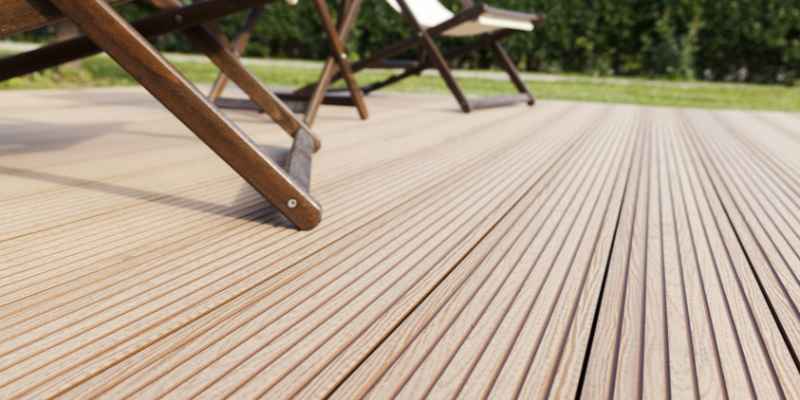
Certain materials can make composite decking less slippery. Textured finishes or those with added grit are effective. Some composites are designed with grooves that enhance traction. Look for products specifically labeled as slip-resistant for the best results. Always check manufacturer recommendations for safety features.
Is It Safe To Use Soap On Composite Decking?
Using soap on composite decking is generally safe, but choose a mild cleaner. Harsh chemicals may damage the surface or finish. Always rinse thoroughly to remove any soap residue. Regular cleaning prevents the buildup of algae and dirt, which can contribute to slipperiness.
How Often Should I Clean Composite Decking?
Cleaning composite decking at least twice a year is recommended. However, areas with heavy foot traffic may require more frequent cleaning. Regular maintenance helps prevent mold, mildew, and dirt buildup. This, in turn, keeps your decking safer and less slippery for everyone.
Conclusion
Keeping your composite decking safe and enjoyable is essential. By implementing effective methods like adding traction, regular cleaning, and using coatings, you can significantly reduce slipperiness. These simple steps not only enhance safety but also prolong the life of your deck.
Enjoy your outdoor space with confidence and comfort.