How to Make Slab Plywood Cabinet Doors: A DIY Guide
To make slab plywood cabinet doors, cut plywood sheets to your desired size and sand the edges for a smooth finish. Assemble the pieces using wood glue and clamps, then apply a finish to enhance durability.
Creating slab plywood cabinet doors is a straightforward DIY project that can elevate your home’s aesthetics. Whether you’re renovating your kitchen or crafting a custom storage solution, plywood offers a versatile option. Its smooth surface and natural grain add warmth to any space.
You can customize these doors to fit your style, from modern to rustic. This guide will walk you through the essential steps, tools, and tips to ensure your project is successful. With a little patience and creativity, you can achieve professional-looking results without breaking the bank. Let’s explore how to get started on your slab plywood cabinet doors!
Introduction To Slab Plywood Cabinet Doors
Slab plywood cabinet doors are gaining popularity in modern design. Their clean lines and simple look fit well in many homes. People love how they look in kitchens and living rooms. These doors add a touch of elegance.
The DIY approach offers many benefits. First, it saves money compared to buying ready-made doors. Making your own doors allows for full customization. Choose your favorite wood and finish. This way, cabinets can match your unique style.
Working on this project can be fun and rewarding. It helps develop new skills and boosts creativity. Sharing your finished work with friends and family adds to the joy.
Materials And Tools Required
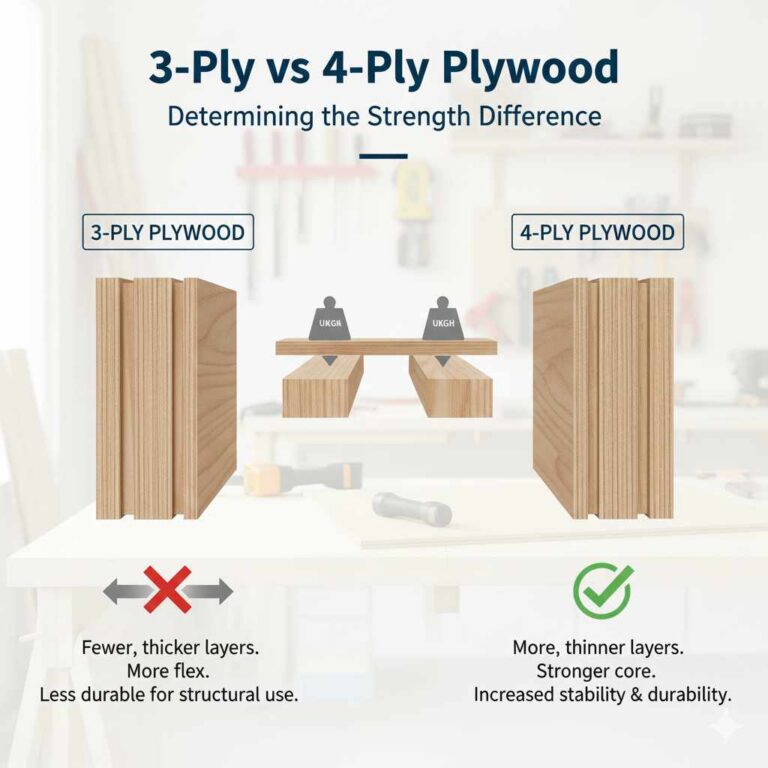
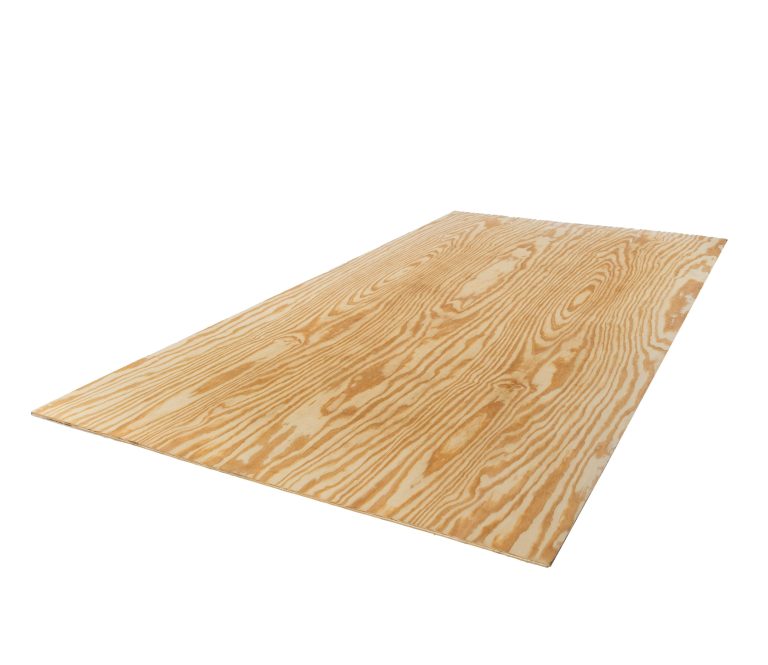
Choosing the right plywood is key to making durable cabinet doors. Select high-quality plywood for strength. Baltic birch is popular for its smooth surface. Maple and oak are also great options. Look for a thickness of at least ¾ inch for sturdiness.
Essential tools for this project include a table saw for cutting. A router will help shape the edges. Clamps are important for holding pieces together while gluing. Use sandpaper for a smooth finish. A drill is necessary for making holes for hardware.
Gather these materials and tools before starting. This will make your project easier and more enjoyable.
Designing Your Cabinet Doors
Designing your cabinet doors begins with determining dimensions. Measure the space where the doors will go. Choose a size that fits well and looks good. Standard sizes include 24 inches and 30 inches wide. Make sure to leave room for hinges.
Consider your style and aesthetic. Do you prefer a modern or rustic look? Select a finish that matches your home. Popular options are stained wood or painted finishes. Keep in mind the color scheme of your kitchen or bathroom.
Use software tools or graph paper to sketch ideas. This can help visualize the final design. Don’t forget about hardware choices, such as handles and knobs. They can add a personal touch to your cabinets.
Cutting The Plywood
Start by measuring the plywood carefully. Use a tape measure for accurate lengths. Mark the measurements with a pencil. A straight edge helps create a clear line. Double-check all measurements before cutting.
Always prioritize safety when using power tools. Wear safety goggles to protect your eyes. Use ear protection to guard against loud noises. Keep your workspace clean and organized. Make sure tools are in good condition before use. Follow the manufacturer’s instructions for each tool.
Sanding And Finishing Edges
To achieve smooth surfaces, start with coarse sandpaper. Gradually move to finer grits. This process will create a professional look for your cabinet doors.
Choosing the right finish is essential. Consider options like paint, stain, or varnish. Each offers a different look and durability. Test a small area before applying the finish.
Always apply your finish in a well-ventilated area. Use a brush or spray for an even coat. Allow sufficient drying time between coats for the best results.
Assembling The Cabinet Doors
To assemble slab plywood cabinet doors, start by applying adhesives. Use a strong wood glue for the best results. Spread a thin, even layer on one edge of each piece. Press the pieces together firmly. Wipe away any excess glue with a damp cloth.
Next, clamping is essential for a tight bond. Use clamps to hold the pieces in place. Make sure the clamps are evenly spaced. This will prevent any warping or shifting. Leave the clamps on for at least 24 hours to allow the glue to dry completely.
Check the drying time on the glue packaging. Every adhesive has different requirements. After drying, remove the clamps carefully. Your cabinet doors are now ready for the next steps!
Adding Hardware
Selecting the right handles and hinges can enhance your cabinet doors. Choose handles that match your kitchen style. Look for finishes like brushed nickel or oil-rubbed bronze. These options offer both durability and beauty.
For hinges, consider soft-close options. They ensure doors close smoothly and quietly. Butt hinges are common for a sleek look. Concealed hinges are great for a modern touch.
Installation techniques matter for a perfect fit. Mark the position for handles and hinges carefully. Use a drill for precise holes. Ensure everything is level before securing.
Test the doors after installation. Check that they open and close easily. Adjust hinges if necessary for a smooth operation.
Mounting The Doors To Cabinets
To mount the doors to the cabinets, start by aligning them carefully. Use a level to ensure that the doors are straight. Check the gaps between the doors and the cabinet frame. Adjust the hinges until the gaps are even on all sides.
After aligning, tighten the screws on the hinges. This will hold the doors in place. Open and close the doors to test their movement. Make sure they do not bind or stick.
For final adjustments, use shims if needed. This will help achieve the perfect fit. Look for any misalignment and correct it by adjusting the hinges. Take your time to ensure everything looks great.
Maintenance And Upkeep
Creating slab plywood cabinet doors requires proper maintenance and upkeep to ensure longevity. Regular cleaning and occasional refinishing will keep the wood looking fresh. Following straightforward steps can enhance both durability and aesthetic appeal, making your cabinets a standout feature in any space.
Cleaning Tips
Use a soft cloth to wipe down your cabinet doors. Avoid harsh chemicals that can damage the finish. For tough stains, mix mild soap with water. Rinse with a damp cloth and dry immediately.
Repairing Minor Damages
Minor scratches can be fixed easily. Use a wood filler that matches your cabinet color. Apply it carefully and smooth it out. Let it dry completely before sanding.
If there are dents, use a damp cloth and an iron. Place the cloth over the dent and apply heat. This helps the wood swell back into shape.
Customization Ideas
Painting and staining can transform your slab plywood cabinet doors. Choose a color that matches your home. Light colors can make a room feel bigger. Dark colors add a touch of elegance.
For staining, pick a wood finish that highlights the grain. Test the stain on a small area first. This ensures the final look meets your vision.
Adding personal touches can make your cabinets unique. Consider using stencils for designs. You can also add hardware like handles or knobs. Decorative hinges can enhance the overall appearance.
Think about adding a clear coat for extra protection. This helps the paint or stain last longer. Regular touch-ups will keep your cabinets looking new.
Troubleshooting Common Issues
Warping can happen due to moisture or temperature changes. To fix warping, use clamps to press the plywood flat. Place weights on top to hold it in place. Leave it for a few hours to settle.
For loose hinges, check all screws first. Tighten them with a screwdriver. If screws are stripped, use wooden toothpicks. Insert them into the hole and then reinsert the screw. This helps create a snug fit.
Ensure the hinges are aligned correctly. Misalignment can cause doors to sag. Adjust the position of the hinges if needed for better support.
Frequently Asked Questions
How Do I Choose The Right Plywood For Cabinet Doors?
Choosing the right plywood is crucial. Opt for high-quality, cabinet-grade plywood, which offers durability and a smooth finish. Consider the thickness; ¾ inch is typically ideal. Additionally, look for hardwood veneers for a more appealing aesthetic. Always check for any defects before making your selection.
What Tools Do I Need For Making Slab Doors?
Essential tools include a table saw, circular saw, and a router. You’ll also need clamps, a drill, and sandpaper for finishing touches. A straight edge will help ensure accurate cuts. Having the right tools not only simplifies the process but also enhances the overall quality of your cabinet doors.
Can I Paint Or Stain Slab Plywood Cabinet Doors?
Yes, you can paint or stain slab plywood cabinet doors. Ensure the surface is sanded smooth for the best results. Use a primer if painting to improve adhesion. For staining, choose a wood conditioner first to achieve an even finish.
This adds character and protects the wood.
How Long Does It Take To Make Slab Cabinet Doors?
The time to make slab cabinet doors varies. Cutting and assembling may take a few hours. Allow additional time for sanding, staining, or painting, which can take a day or two. Drying times for finishes can also extend the overall project time.
Plan accordingly for best results.
Conclusion
Creating slab plywood cabinet doors is a rewarding DIY project. With the right tools and techniques, you can achieve professional results. Remember to choose quality materials and take your time during each step. Enjoy the process, and your efforts will result in beautiful, custom cabinets that enhance your space.
Happy crafting!