How to Fix a Stripped Screw Hole in Wood (5 Fixes by Damage)
A stripped screw hole in wood can be fixed with a glued toothpick plug for minor wear, a glued hardwood dowel for an oversized hole, or a threaded insert if the same hole keeps failing, since plain wood filler will not rethread. Redrilling before the glue cures a full 24 hours is why most plug repairs fail within days. This guide ranks five fixes by damage level, covers MDF and particleboard separately, and shows when to stop patching and move the hardware.
Which fix matches your damage?
| Severity | Best Fix | Holds Up For |
|---|---|---|
| Minor (screw spins but hole looks intact) | Toothpick or matchstick + wood glue | Cabinet hinges, light hardware |
| Moderate (hole visibly enlarged or splintered) | Golf tee, or wood glue + sawdust paste | Drawer pulls, shelf brackets |
| Severe (hole is blown out, a toothpick plug will not fill it) | Drill out and glue in a hardwood dowel (epoxy for extra strength) | Hinges, handles, anything that carries load |
| Repeated (same hole strips again) | Threaded insert (in epoxy-filled hole for max strength) | Hinges, knockdown furniture, anything removed often |
Introduction To Stripped Screw Holes
 |
Best Glue for Hole Repair Titebond III Ultimate Wood Glue, 16 oz, $9.58 The glue behind the toothpick, golf tee, dowel and sawdust-paste repairs on this page. A waterproof PVA with a 30-minute clamp time, so there is room to seat a plug before it grabs.
|
As an Amazon Associate we earn from qualifying purchases.
Catching a stripped hole early keeps the fix simple. Here is what to look for and why it happens before you reach for wood glue and a plug.
Signs Of A Stripped Screw Hole
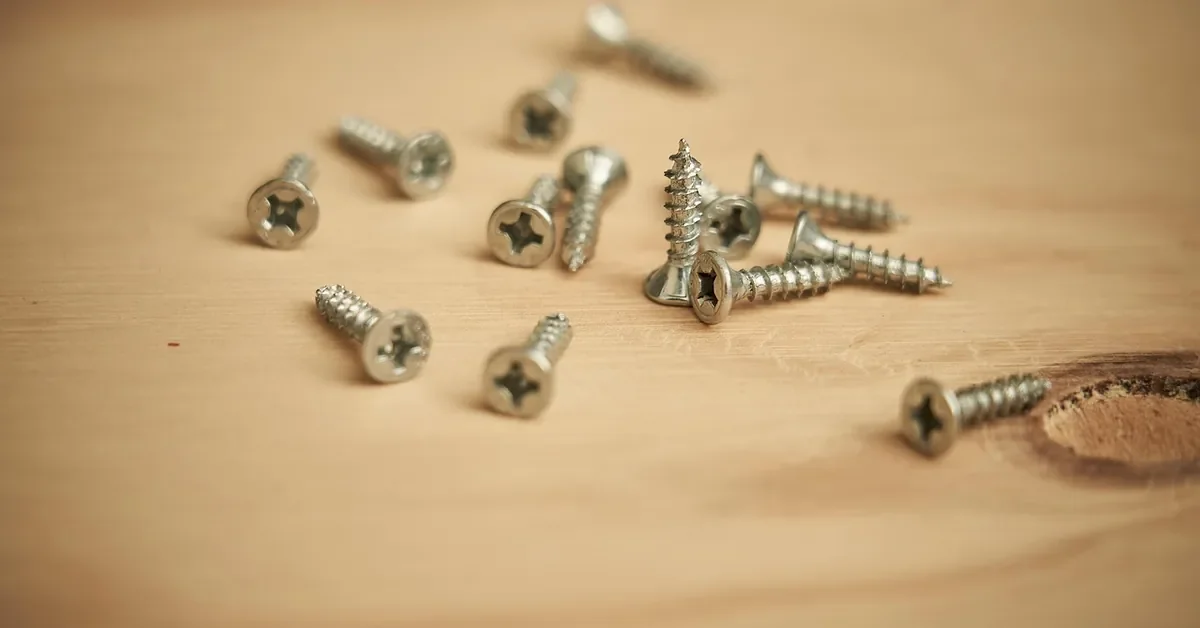
A stripped screw hole in wood can be identified by the inability of the screw to tighten securely, leading to wobbling or loosening of the attached object.
Additionally, visible damage around the screw hole, such as splintering or widening of the hole, indicates that the screw hole is stripped.
Why Screw Holes Get Stripped
Screw holes in wood can become stripped due to various reasons, including over-tightening, using the wrong size or type of screw, or repetitive screwing and unscrewing, which weakens the wood fibers.
Furthermore, the use of low-quality screws or applying excessive force when driving the screw into the wood can also lead to the stripping of the screw hole.
Immediate Actions
When encountering a stripped screw hole in wood, it is crucial to take immediate actions to prevent further damage. Here are the essential steps you should follow:
Assessing The Damage
Begin by assessing the extent of the damage to determine the best course of action for repairing the stripped screw hole in the wood. If the problem is the screw itself (a rounded-out head you cannot turn) rather than the hole, see our guide on removing a stripped screw first.
Gathering Necessary Tools And Materials
Collect the required tools and materials, such as a longer screw, wood glue, toothpicks, or a metal screen repair kit, to effectively fix the stripped screw hole in the wood.
Simple Fixes
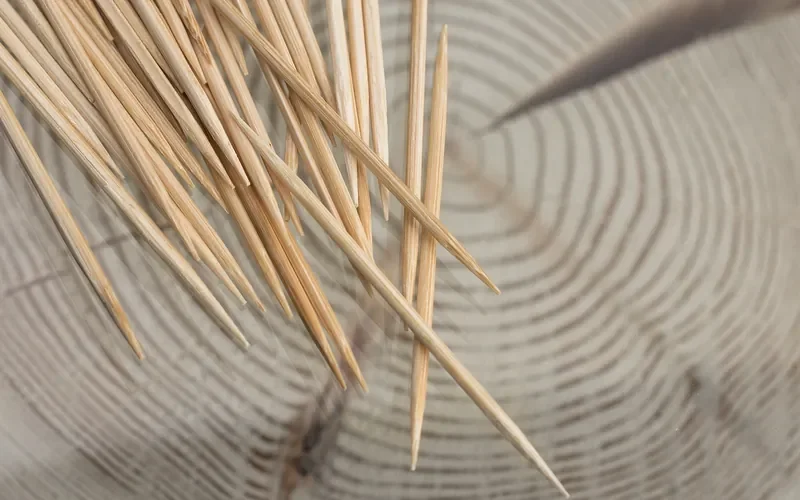
The fixes below are ranked from least to most invasive: a toothpick-and-glue plug and the golf tee trick for minor damage, a wood glue and sawdust paste for a wider hole, a glued dowel for a blown-out hole, then a larger screw as a quick mechanical fix.
Using Toothpicks and Wood Glue
If you’re dealing with a stripped screw hole that is too big for the screw, using toothpicks and wood glue can be an effective solution. Here’s how to do it:
1. Grab some round toothpicks or snap the heads off a few matches to create tiny dowels.
2. Apply a generous amount of wood glue into the too-big hole.
3. Pack in as many toothpicks or match sticks as you can, breaking them off flush with the wood surface when full.
4. Allow the glue to fully dry per instructions on the bottle.
5. Once the glue is dry, you can reinsert the screw and it should hold securely.
Give the glue a full 24 hours to cure before you redrill or reinsert the screw, because driving a screw into a plug that has not fully cured is the single most common reason this fix fails within days.
Using a Golf Tee for Larger Stripped Holes
A golf tee works the same way as a toothpick but fits holes stripped by a #8 or #10 screw, which is too wide for a single toothpick to pack tightly. Golf tees are usually hardwood, so they grip a new screw better than a spongy dowel.
1. Cut the tee to the hole depth plus about 1/8 inch.
2. Coat the tee generously in wood glue.
3. Tap it into the hole with a mallet until flush.
4. Let it cure a full 24 hours.
5. Trim flush with a utility knife and redrill a pilot hole before reinserting the screw.
Wood Glue and Sawdust Paste for a Moderate Strip
For a hole that is visibly enlarged or splintered but not yet too big to save, mix sawdust from the same wood species with PVA wood glue into a thick paste. Because it is wood-to-wood, this paste can be re-drilled and re-tapped once cured, which is something plastic wood filler cannot do.
1. Sand a scrap of the same wood (or the repair area itself) to collect matching sawdust.
2. Mix the sawdust with wood glue until it forms a thick, moldable paste.
3. Pack the paste into the hole with a putty knife and smooth it flush.
4. Let it cure a full 24 hours, and do not rush this step.
5. Drill a fresh pilot hole through the cured paste and reinsert the screw.
If you would rather permanently fill the hole and move the screw elsewhere instead of re-threading it, see our guide on filling screw holes in wood for a flush cosmetic fix.
Using a Wood Dowel for a Blown-Out Hole
When the hole is too wide for toothpicks to pack tightly, replace the damaged wood instead of stuffing it. Drill the stripped hole out to a clean, larger diameter, then glue in a hardwood dowel of exactly that diameter and drill a fresh pilot hole into the dowel.
1. Choose a hardwood dowel at least as wide as the outer thread diameter of your screw, and a drill bit that matches the dowel diameter.
2. Drill out the stripped hole with that bit to its full depth, using a strip of tape on the bit as a depth stop so you do not break through the far side.
3. Coat the dowel and the inside of the hole with wood glue, or with epoxy if the joint will carry load.
4. Drive the dowel in with a mallet, leaving it slightly proud, and wipe off any squeeze-out.
5. Cut it flush with a flush-cut saw once the glue has set, then let it cure a full 24 hours.
6. Drill a pilot hole sized for the screw core through the dowel and drive the screw.
Because you are rebuilding the hole with solid wood rather than filling it with soft fibers, a dowel repair re-drills cleanly and holds a screw far better than a toothpick plug does in a hole this size.
Opting for a Larger Screw
Another simple fix for a stripped screw hole is to use a larger screw. This solution is best suited for holes that are only slightly stripped and can still accommodate a larger screw. Here’s how to do it:
1. Remove the old screw from the hole.
2. Choose a screw that is only one size larger in diameter than the original screw.
3. Insert the new screw into the hole and tighten it securely.
4. If the new screw still doesn’t hold, you may need to try one of the other solutions listed in this post. Avoid jumping to a much larger screw in particleboard or MDF, where it can split the board.
Advanced Repair Techniques
When it comes to repairing a stripped screw hole in wood, advanced techniques may be necessary for a more durable and long-lasting fix. Here are some advanced repair techniques to consider:
Drilling And Tapping For Threaded Inserts
Using threaded inserts to repair stripped threads requires a slightly larger hole so the necessary hardware can fit together. Drill out the hole to break down old, worn-out threads, and then tap the hole to install fresh new threads.
Reach for a threaded insert specifically when the same hole strips more than once, such as knockdown furniture, adjustable shelving, or any hardware you remove and reinstall often. Unlike a glue plug, a metal insert accepts a machine screw afterward, so repeated tightening never wears the wood fibers again. For maximum holding strength in softwood or particleboard, install the insert into a hole filled with epoxy rather than bare wood.
“Golf tees and toothpick plugs work fine for drawer pulls and light cabinet hardware, but I always step up to a threaded insert on anything that gets removed and reinstalled often, like hinges, drawer slides, or shelf pins. A worn plug just fails again in a year.”
Using A Metal Screen Repair Kit
Another advanced repair technique involves using a metal screen repair kit to reinforce the stripped screw hole. This involves lining the hole with a metal screen and applying wood glue to secure it in place, creating a sturdy base for the screw.
Specialty Products
When it comes to fixing a stripped screw hole in wood, there are a variety of specialty products available that can provide effective solutions. These specialty products are designed to make the repair process easier and more efficient. In this section, we will explore two popular options: Plastic Snap-off Wood Anchors and Commercial Screw Hole Repair Kits. If your hole is specifically a wall anchor hole rather than a wood screw hole, our Gorilla Glue anchor hole guide covers that exact case.
Plastic Snap-off Wood Anchors
Plastic snap-off wood anchors are an excellent choice for fixing stripped screw holes in wood. These anchors are made from durable plastic and feature a unique design that allows them to be easily inserted into the damaged hole. The anchor has a threaded interior that provides a secure grip for the screw.
Here’s how you can use plastic snap-off wood anchors to fix a stripped screw hole:
- First, make sure the hole is clean and free from debris.
- Insert the plastic anchor into the hole, ensuring that it is flush with the surface of the wood.
- Using a screwdriver, gently tighten the screw into the anchor until it is securely in place.
- If the anchor is longer than necessary, you can easily snap off the excess portion using pliers or a similar tool.
Plastic snap-off wood anchors provide a reliable and long-lasting solution for repairing stripped screw holes in wood. They are easy to use and can be found at most hardware stores.
Commercial Screw Hole Repair Kits
If you’re looking for a more comprehensive solution, commercial screw hole repair kits are an excellent option. These kits typically include a variety of tools and materials that are specifically designed for repairing stripped screw holes.
Here’s what you can expect to find in a commercial screw hole repair kit:
| Components | Description |
|---|---|
| Drill Bit | A drill bit that is used to remove any damaged or stripped material from the hole. |
| Tapping Tool | A tapping tool that is used to create new threads in the hole. |
| Threaded Inserts | Threaded inserts that are inserted into the newly created threads to provide a secure anchor for the screw. |
| Installation Tool | An installation tool that is used to insert the threaded inserts into the hole. |
Using a commercial screw hole repair kit involves the following steps:
- Start by cleaning out the damaged hole using the provided drill bit.
- Next, use the tapping tool to create new threads in the hole.
- Insert the threaded insert into the newly created threads using the installation tool.
- Ensure that the threaded insert is flush with the surface of the wood.
- Finally, you can insert the screw into the threaded insert, and it will securely hold in place.
Commercial screw hole repair kits offer a professional and durable solution for fixing stripped screw holes in wood. They provide all the necessary tools and materials in one convenient package, making the repair process easier and more efficient.
Whether you choose plastic snap-off wood anchors or a commercial screw hole repair kit, these specialty products are designed to effectively fix stripped screw holes in wood. They offer reliable and long-lasting solutions that will ensure your wood projects remain sturdy and secure.
Stripped Screw Holes in MDF and Particleboard
Most of the fixes above assume solid wood. Particleboard is wood particles held together with adhesive, so it lacks the structural strength of real wood, and screws tear out of it much more easily. MDF is compressed fiber with no grain at all, so threads crush the material instead of biting into it. That changes which repair is worth your time.
| Board type | Minor damage | Stronger fix | Avoid |
|---|---|---|---|
| Solid wood | Glued toothpicks or golf tee | Glued dowel (epoxy for load), or a threaded insert | Filler alone, which cannot be rethreaded |
| MDF | 3 or 4 glued toothpicks, trimmed flush, then redrill | Epoxy-set insert for heavy or repeated use | Driving a bigger screw near an edge |
| Particleboard | Auto-body filler with 3 or 4 toothpicks pressed in for reinforcement | Threaded insert set in a pilot hole with wood glue, driven about 1/16 inch below the surface | A screw much larger than the original, which can split the board |
If the hole in either material has crumbled wider than an insert or dowel would cover, moving the hardware to fresh board is usually more reliable than patching a hole that has no solid walls left. The particleboard steps above follow the repair method described by Hunker.
Finishing Touches
After fixing a stripped screw hole in wood, it’s time for the finishing touches to ensure a seamless repair.
Sanding And Painting
- Sand the repaired area gently to create a smooth surface.
- Remove any excess wood glue for a clean finish.
- Apply a primer to prepare the surface for painting.
- Paint the repaired area to match the surrounding wood.
Testing The Repair
- Insert a screw into the repaired hole to check if it holds securely.
- Apply pressure to ensure the repair is strong and stable.
- If the screw holds firmly, your repair is successful.
Preventive Measures
The fixes above all work, but the best repair is the one you never have to make. These two habits prevent most stripped holes in the first place.
Choosing The Right Screw Size
One of the preventive measures to avoid stripped screw holes in wood is choosing the right screw size. Using a screw that is too large for the wood can cause the wood to split, while a screw that is too small may not provide enough grip, leading to a loose connection.
Pre-drilling Holes
Another important preventive measure is pre-drilling holes before inserting screws. This helps to create a pathway for the screw and reduces the likelihood of the wood splitting. It also ensures that the screw goes in straight and tight, providing a secure fit. See our drilling guides for bit sizing and depth-stop tips that prevent a stripped hole before it starts.
Conclusion And Additional Tips
Here is the short version, plus a couple of places to go deeper if your repair does not hold.
Review Of Key Steps
When fixing a stripped screw hole in wood, start by removing the screw and cleaning out the hole. Then, use wooden toothpicks or matchsticks dipped in wood glue to fill the hole. Break off the excess and let it dry before reinserting the screw. Another method involves using a larger screw or inserting a wooden dowel coated with wood glue to fill the hole. Once dry, cut and sand the dowel and reinsert the screw.
Additional Resources For Diy Enthusiasts
For further information and guidance, you can explore instructional videos on platforms like YouTube, featuring detailed demonstrations of fixing stripped screw holes in wood. Additionally, online forums and home improvement websites offer valuable insights and solutions shared by experienced DIY enthusiasts and professionals.
Frequently Asked Questions
How To Fix A Screw That Won’t Tighten In Wood?
Fix a screw that won’t tighten in wood by inserting toothpicks with wood glue into the hole. Allow glue to dry before retesting.
How Do You Fix A Hole In Wood That Is Too Big For A Screw?
To fix a hole in wood that’s too big for a screw, use round toothpicks or matchsticks. Apply wood glue into the hole and pack in the toothpicks. Let the glue dry, then break off the excess.
How To Tighten A Stripped Screw?
To tighten a stripped screw, follow these steps: 1. Remove the screw and replace it with a longer one. 2. Use toothpicks or matches to fill the hole with wood glue and break them off flush with the surface. 3. Drill and tap the hole for fresh threads if it’s a metal surface.
4. Consider using a metal screen repair kit or a plastic snap-off wood anchor. 5. For added strength, add wood glue before tapping in toothpicks or matches. Remember to choose the method that best suits the material and size of the screw hole.
How To Fix A Stripped Thread Hole?
To fix a stripped thread hole, drill out the hole, then tap it to install fresh threads using threaded inserts.
How Long Should Wood Glue Cure Before Redrilling A Stripped Screw Hole?
Wood glue needs a full 24 hours to cure before you redrill or reinsert a screw into a stripped hole repair. Redrilling sooner is the most common reason a toothpick, golf tee, or sawdust paste plug fails within days.
What Is The Strongest Permanent Fix For A Stripped Screw Hole?
A threaded insert installed in an epoxy-filled hole is the strongest permanent fix. Unlike a glue plug, it accepts a machine screw afterward, so repeated tightening never re-strips the wood fibers.
Can You Reuse The Same Screw Hole After It Is Stripped?
Yes, if the hole is packed with a glue-based plug (toothpicks, a golf tee, or sawdust paste) and given a full 24-hour cure before a fresh pilot hole is drilled. For a hole that strips repeatedly, switch to a threaded insert instead of reusing the same glue plug.
Can You Fix A Stripped Screw Hole In MDF Or Particleboard?
Yes, for minor damage: pack the hole with glued toothpicks (MDF) or auto-body filler with toothpicks pressed in (particleboard), trim flush, and redrill. For a hole that keeps stripping, set a threaded insert instead. Avoid a much larger screw, which can split particleboard.
Conclusion
Fixing a stripped screw hole in wood is a manageable task with simple solutions. By using toothpicks or matchsticks with wood glue, the hole can be easily repaired. This cost-effective method provides a sturdy fix for stripped screw holes, ensuring your woodworking projects remain intact and durable.
Sponsored / affiliate links. As an Amazon Associate I earn from qualifying purchases. I may earn additional commission from eligible campaigns.