How to Prevent Wood Floors from Creaking: Silent Steps
To prevent wood floors from creaking, sprinkle baby powder, baking soda, or powdered graphite over the squeaky floorboard and work it into the seams. This will lubricate the wood and keep the floorboards from rubbing together and squeaking.
Squeaky wood floors can be a nuisance, but there are effective solutions to tackle this issue and restore the peace and quiet in your home. Whether it’s due to loose nails, gaps between the subfloor and floor joist, or the natural expansion and contraction of hardwood floors, there are various methods to address and prevent creaking.
By applying these simple yet effective techniques, you can enjoy a silent and comfortable living space with beautifully restored wood floors.
Silent Footsteps: The Quest For Creak-free Wood Floors
Silent Footsteps: The Quest for Creak-Free Wood Floors offers valuable insights on preventing wood floors from creaking. Discover effective techniques to keep your wood floors silent, including using talcum powder or baby powder to lubricate the boards and prevent them from rubbing together.
The Science Of Squeaks: What Causes Creaking?
Wood floors creak due to a variety of factors, including loose nails, gaps between subfloor and floor joists, and the expansion and contraction of hardwood with changing humidity levels. When boards rub together due to these issues, they create the familiar creaking sound.
Preventing Creaky Wood Floors
Keeping wood floors creak-free requires regular maintenance and proactive measures to address potential causes of squeaks. Here are some effective preventive strategies:
- Ensure Proper Installation: Hire a professional to install the floors to minimize the risk of creaking.
- Use High-Quality Materials: Opt for high-quality wood and fasteners to reduce the likelihood of creaking.
- Control Humidity Levels: Maintain consistent humidity levels to prevent the expansion and contraction of hardwood.
- Regular Inspections: Periodically inspect the floors for loose nails, gaps, or signs of wear and tear.
- Proper Cleaning and Lubrication: Clean the floors regularly and use lubricants such as talcum powder or baby powder to minimize friction between boards.
Professional Maintenance
For persistent creaking or if preventive measures do not suffice, consult a professional for thorough maintenance. They can address underlying issues and provide long-term solutions to keep your wood floors creak-free.
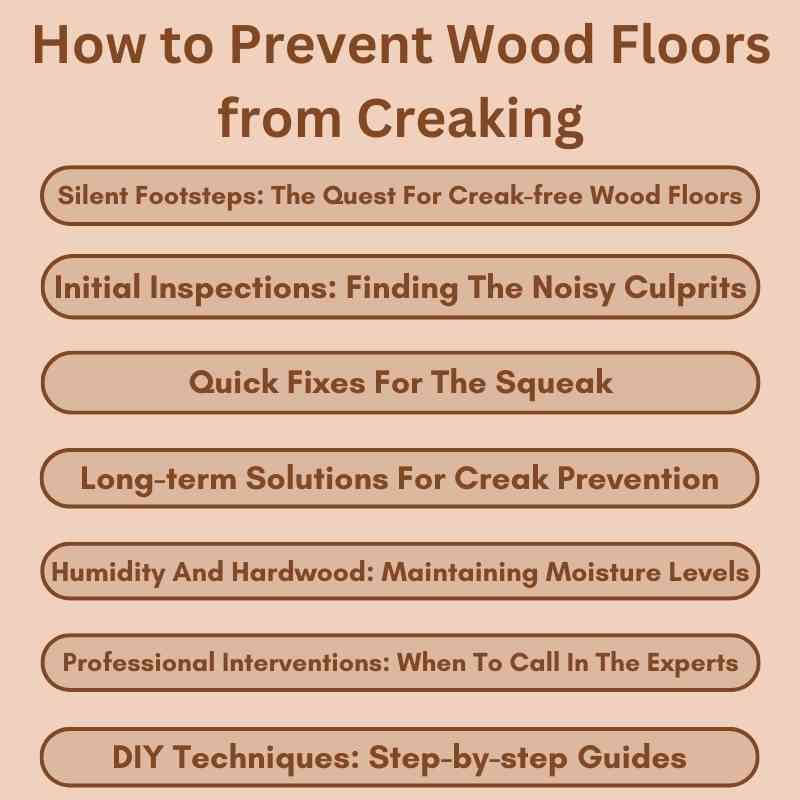
Initial Inspections: Finding The Noisy Culprits
Preventing wood floors from creaking starts with conducting initial inspections to identify the noisy culprits. By addressing loose nails, gaps, or boards rubbing together, you can apply solutions such as sprinkling baby powder or using lubricants to keep the floorboards from squeaking.
These simple steps can help maintain the integrity of your wood floors and ensure a peaceful walking experience.
Audible Investigations: Techniques For Locating Squeaks
The first step in preventing creaky wood floors is to identify the source of the noise. Audible investigations can help you locate where the squeaks are coming from. You can walk around the room and listen carefully for the squeaks. If you are having difficulty hearing the squeaks, you can try using a stethoscope or a metal rod. Hold the metal rod against the floor and listen through the other end to pinpoint the exact location of the squeak.
Visual Clues: Identifying Problem Areas
Visual clues can also help you identify problem areas. Check for any gaps in the flooring or loose boards. Inspect the subfloor and floor joists for any signs of damage or wear. Look for any protruding nails or screws that may be causing the squeaks. Take note of areas where the squeaking is more pronounced, as this can help you narrow down the source of the noise.
Once you have identified the problem areas, you can take steps to prevent further creaking. You can insert shims or glue in between loose boards to secure them in place. You can also use screws to replace any protruding nails. In some cases, you may need to replace damaged or worn-out floorboards.
Preventing creaky wood floors requires some effort, but it can save you from future headaches. By conducting initial inspections and identifying the noisy culprits, you can take proactive steps to keep your wood floors in top condition.
Quick Fixes For The Squeak
If you have wood floors that creak and squeak, don’t worry! There are some quick fixes you can try to silence those annoying noises. In this section, we’ll explore three effective solutions: powder solutions, lubrication, and tightening techniques. Let’s dive in!
Powder Solutions: Talcum And Graphite
If you’re looking for a simple and affordable fix, talcum powder or powdered graphite can work wonders. Here’s how to use them:
- Sprinkle a small amount of talcum powder or powdered graphite over the squeaky floorboard.
- Work the powder into the seams between the floorboards.
- This lubricates the wood and prevents the floorboards from rubbing together and squeaking.
Using powder solutions is a popular DIY method that can provide temporary relief from floor creaks.
Lubrication: The Key To Silence
Lubricating your hardwood floors is another effective way to stop squeaks. Follow these steps:
- Identify the squeaky areas on your floor.
- Apply a suitable lubricant, such as silicone spray or specialized wood floor lubricant, to the affected areas.
- Make sure to wipe away any excess lubricant to avoid slippery surfaces.
Lubrication reduces friction between the floorboards, eliminating the creaking sounds. This method is particularly useful for areas with high foot traffic.
Tightening Techniques: Screws And Nails
If the squeaking persists, it may be due to loose nails or screws in the floorboards. Tightening them can provide a more permanent solution. Here’s what you can do:
- Identify the loose nails or screws by listening closely to the squeaky areas.
- Using a screwdriver or hammer, carefully tighten the loose nails or screws.
- Be cautious not to overtighten, as this may damage the floorboards.
Tightening techniques help secure the floorboards, preventing them from rubbing together and producing noise.
Remember, these quick fixes are suitable for minor squeaks and can provide temporary relief. If your wood floors continue to creak, it may be a sign of underlying structural issues. In such cases, it’s best to consult a professional for a thorough inspection and proper repair.
Long-term Solutions For Creak Prevention
When it comes to preventing creaking in wood floors, it’s important to focus on long-term solutions that provide lasting stability. By addressing the underlying causes of creaking, you can enjoy a quieter and more comfortable living space. In this section, we will explore two effective long-term solutions for creak prevention: subfloor security and joist adjustments.
Subfloor Security: Ensuring Stability Below
One of the main reasons for creaking in wood floors is an unstable subfloor. When the subfloor is not securely fastened to the floor joists, it can lead to movement and friction between the floorboards, resulting in annoying creaks. To address this issue, you need to ensure the subfloor is securely attached to the joists.
Here are some steps you can take to improve subfloor security:
- Identify any loose or squeaky areas in the floor.
- Use a stud finder to locate the floor joists beneath the subfloor.
- Secure the subfloor to the joists using screws or nails, ensuring a tight fit.
- Consider using construction adhesive to further strengthen the bond between the subfloor and joists.
By reinforcing the subfloor and ensuring its stability, you can minimize movement and reduce the chances of creaking in your wood floors.
Joist Adjustments: Shims And Blocks
If the creaking persists even after securing the subfloor, the issue may lie with the floor joists. Uneven or sagging joists can cause the floorboards to rub against each other, resulting in annoying creaks. In such cases, joist adjustments can help alleviate the problem.
Here are a few options for joist adjustments:
- Use shims: Shims are thin wedges that can be inserted between the joist and subfloor to level out any unevenness. This helps to reduce friction and eliminate creaking.
- Install blocking: Blocking involves adding additional pieces of wood between the joists to provide extra support and stability. This can help minimize movement and prevent creaking.
It’s important to note that joist adjustments may require professional expertise, especially if the issue is complex or extensive. Consulting a flooring specialist or contractor can ensure the adjustments are done correctly and effectively.
By addressing subfloor security and making necessary joist adjustments, you can significantly reduce creaking in your wood floors. These long-term solutions provide stability and help create a peaceful and enjoyable living environment.
Humidity And Hardwood: Maintaining Moisture Levels
Maintaining proper humidity levels is crucial to prevent wood floors from creaking. Hardwood floors can expand and contract depending on the moisture levels, causing them to creak. Using a humidifier or dehumidifier to keep the moisture levels stable can help prevent this issue.
The Role Of Humidifiers
Maintaining appropriate moisture levels is crucial to prevent wood floors from creaking. Humidity levels can affect the stability of hardwood floors, causing expansion or contraction, and ultimately leading to creaking noises. To maintain optimal moisture levels, the use of a humidifier can be beneficial. A humidifier adds moisture to the air, preventing the hardwood from drying out and reducing the risk of creaking sounds. It’s recommended to keep the humidity levels between 35-55%.
Seasonal Swelling: Managing Expansion And Contraction
Seasonal changes can also impact hardwood floors, causing swelling or contraction. During the summer months, the humidity level is higher, which can cause the wood to expand and lead to creaking noises. In contrast, during the winter months, the air is drier, causing the wood to contract. The key to preventing creaking sounds is to manage these seasonal changes. One way to manage seasonal swelling is to use a dehumidifier. A dehumidifier can remove excess moisture from the air and prevent the wood from expanding. Additionally, using a humidifier during the winter months can add moisture to the air, preventing the wood from contracting and reducing the risk of creaking noises.
In conclusion, maintaining appropriate moisture levels is essential to prevent wood floors from creaking. Using a humidifier or dehumidifier can be beneficial to manage humidity levels and prevent seasonal swelling. By implementing these tips, you can ensure your hardwood floors remain in top condition, free from creaking noises.
Professional Interventions: When To Call In The Experts
When addressing wood floor creaks, sometimes professional interventions become necessary for a lasting solution. Knowing when to seek expert help can save you time and effort.
Criteria For Professional Assessment
- Extensive floor damage beyond DIY repair
- Persistent creaks despite attempted fixes
- Structural issues affecting the floor
- Desire for a professional, polished finish
Understanding The Extent Of Repair Work
- Assessment of floor condition by experts
- Detailed analysis of creak causes
- Recommendations for comprehensive repair
DIY Techniques: Step-by-step Guides
Learn how to prevent wood floors from creaking with our comprehensive DIY techniques and step-by-step guides. Sprinkle baby powder, baking soda, or powdered graphite over the squeaky floorboard and work it into the seams to lubricate the wood and keep the floorboards from rubbing together and squeaking.
Wood floors creaking can be a common nuisance, but with some simple DIY techniques, you can prevent those annoying sounds. Here are some step-by-step guides to help you silence your creaky wood floors.
Shim Installation Without Subfloor Removal
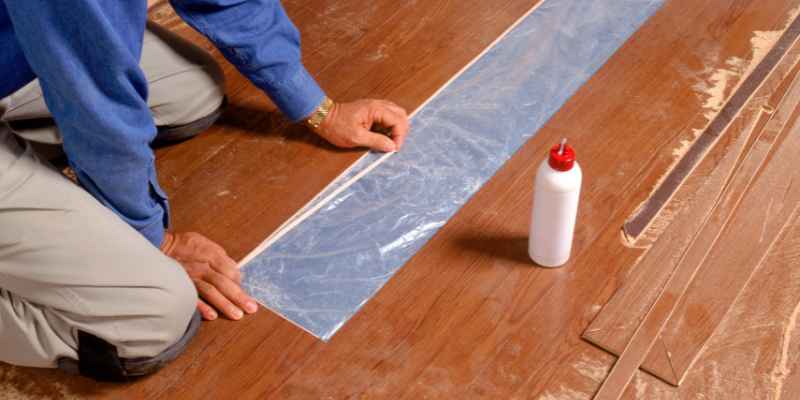
If there are gaps between the subfloor and floor joists causing the creaks, you can use wood shims to fix them without removing the subfloor. Here’s how:
1. Identify Gaps: Locate the areas where the floorboards have gaps between the subfloor and joists.
2. Prepare Shims: Get wood shims and carpenter’s glue ready for the installation process.
3. Slide Shims: Slide the shims into the gaps without nailing them to avoid damaging the floor.
4. Repeat: Continue this process for all the areas with gaps until the creaking stops.
Walking Wisely: Avoiding The Creaks
To prevent wood floors from creaking while walking on them, follow these simple steps:
– Powder Application: Sprinkle baby powder or talcum powder between the boards to act as a lubricant.
– Work into Cracks: Ensure the powder gets into the seams by gently working it between the floorboards.
– Settle In: Walk over the area to help the powder settle and prevent direct rubbing between boards.
– Regular Maintenance: Reapply powder as needed to maintain a quiet floor.
By following these DIY techniques and walking wisely on your wood floors, you can enjoy a creak-free home environment.
Preventative Measures: Protecting Your Wood Floors
Wood floors add warmth and beauty to any home, but over time, they may start to creak. By taking proactive steps to protect your wood floors, you can prevent these annoying noises and prolong the life of your flooring.
Routine Floor Care: Best Practices
Regularly clean your wood floors with a soft-bristled broom or a vacuum cleaner to remove dirt and debris that can cause friction and lead to creaking.
Preventive Padding: Rugs And Mats
Place rugs or mats in high-traffic areas to reduce wear and tear on your wood floors. Make sure to use padding under rugs to provide cushioning and prevent friction.
Innovative Products And Tools For Squeak-free Floors
Prevent wood floors from creaking with innovative products and tools designed to eliminate squeaks. Use special lubricants like baby powder, baking soda, or powdered graphite to reduce friction between floorboards, preventing them from rubbing together and causing noise. Fixing squeaky floors is now easier than ever with these effective solutions.
Specialized Lubricants: A Market Overview
Discover a range of specialized lubricants designed to eliminate squeaks from wood floors. These products offer innovative solutions to keep your floors silent and sturdy.
Gadgets Galore: Modern Solutions For An Age-old Problem
Explore cutting-edge gadgets that provide modern remedies for the timeless issue of creaky wood floors. These tools are designed to effectively address squeaks and ensure a quiet living space.
Understanding The Impact Of Floor Materials And Installation
Preventing wood floors from creaking can be achieved by using talcum powder or baby powder to lubricate the squeaky area and minimize direct rubbing between the boards. Another option is to install shims in the gaps between the subfloor and floor joist, securing them with carpenter’s glue.
These simple solutions can help reduce the noise and maintain the integrity of your wood floors.
Wood Types And Their Propensity To Squeak
When it comes to preventing creaky wood floors, the type of wood used can have a significant impact. Some woods are naturally more prone to squeaking, such as pine or fir, while others, like oak or maple, are more resistant. This is because softer woods tend to compress more, which can result in gaps between the boards, leading to movement and eventually, creaking. If you’re installing new wood floors, consider using a harder wood to minimize the risk of creaking.
Installation Techniques: Best Practices For Quiet Floors
Proper installation techniques are crucial to preventing creaky wood floors. Here are some best practices to follow:
- Use a sleeper system: A sleeper system involves installing a layer of plywood over the subfloor, which creates a buffer between the subfloor and the finished floor. This can help prevent movement and reduce the risk of creaking.
- Use the right nails or screws: Using the correct size and type of nails or screws is important to ensure a tight fit and minimize movement between the boards.
- Ensure proper spacing: Leaving the right amount of space between the boards can help prevent buckling and movement, which can lead to creaking.
- Minimize moisture: Moisture can cause wood to expand and contract, which can lead to movement and creaking. Make sure to use a vapor barrier and maintain proper humidity levels in your home.
By following these installation techniques, you can help prevent creaky wood floors and ensure a quiet, stable surface for years to come.
Frequently Asked Questions
How To Stop Wooden Floors From Creaking?
To stop wooden floors from creaking, sprinkle baby powder, baking soda, or powdered graphite over the squeaky areas and work it into the seams. This lubricates the wood and prevents floorboards from rubbing together and causing squeaking. Additionally, installing shims in the gaps can also help eliminate the creaking.
Why Do My Hardwood Floors Squeak When I Walk On Them?
Hardwood floors squeak when boards rub together due to loose nails or screws. This can also happen as the floors expand and contract with humidity changes. Sprinkling baby powder or powdered graphite on the squeaky areas can lubricate the wood and prevent the noise.
How Do You Fix A Squeaky Floor Without Removing Hardwood Floors?
To fix a squeaky floor without removing hardwood floors, you can try the following method:
1. Sprinkle baby powder, baking soda, or powdered graphite over the squeaky floorboard and work it into the seams. This will lubricate the wood and prevent the floorboards from rubbing together and squeaking.
2. If there are gaps between the subfloor and floor joist, you can insert wood shims with carpenter’s glue into the gaps to eliminate the squeaks. Repeat as necessary. By following these steps, you can effectively fix the squeaky floor without having to remove the hardwood floors.
How Do You Walk On Hardwood Floors Without Creaking?
To walk on hardwood floors without creaking, sprinkle baby powder or powdered graphite over the squeaky area. Work it into the seams to lubricate the wood and prevent the floorboards from rubbing together and causing noise.
Conclusion
Preventing wood floors from creaking is an important aspect of maintaining the beauty and functionality of your home. By following the tips mentioned in this blog post, such as tightening loose floorboards, using lubricants like talcum powder, and installing shims in the gaps, you can effectively reduce or eliminate those annoying creaking sounds.
Remember to regularly inspect and maintain your wood floors to ensure their longevity and enjoy a peaceful and quiet living space.