How to Get Urine Stain Off Hardwood Floor (Fix by Stain Color)
Fresh urine on sealed hardwood comes off with blotting and an enzyme cleaner, but a dark or black stain means the urine has reached the bare wood and needs peroxide or sanding. Vinegar will not fix that, and flooring pros warn against it on finished floors. This guide shows how to read your stain, match the fix to it, and know when to stop and refinish.
Match the Fix to the Stain: Quick Answer
Best Enzyme Cleaner Pick | |
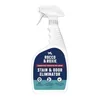 |
Rocco & Roxie Enzyme Stain & Odor Eliminator, 32 oz, $23.92 An enzyme spray for the fresh and dried-yellow stages in the table below, where the cleaner has to reach the urine residue and stay wet long enough to work.
|
As an Amazon Associate we earn from qualifying purchases. | |
Every urine stain on a hardwood floor sits at one of five depths, and the color tells you which one. The mistake most guides make is giving one method for all of them. A cleaner that works on a fresh puddle does nothing for a black ring, and a peroxide treatment on a fresh puddle risks lightening a finish for no reason.
| What you see | What is happening | Start with | Escalate to |
|---|---|---|---|
| Wet puddle or spot from today | Urine is on the finish and may be seeping into seams | Blot, then a pH-neutral floor cleaner, then enzyme cleaner | Nothing else usually needed |
| Yellow or amber patch, floor still smooth and sealed | Dried residue sitting on or in the finish | Enzyme cleaner kept wet under plastic wrap | Repeat; check for odor after it dries |
| Dull or cloudy patch, no dark color | The finish is marked, not the wood | Clean, then see if the sheen returns | Screen and recoat the area |
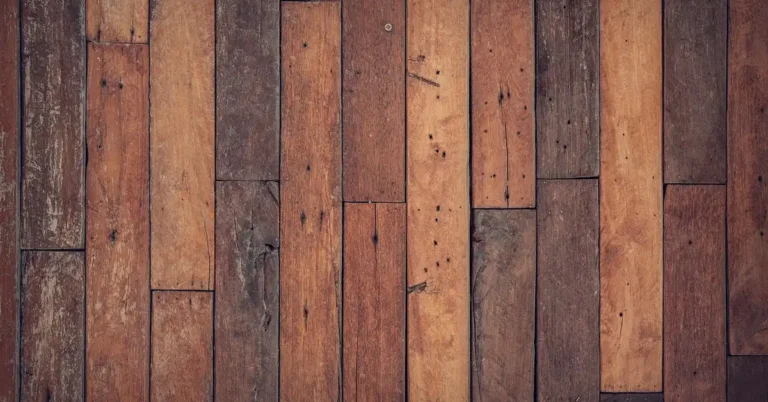
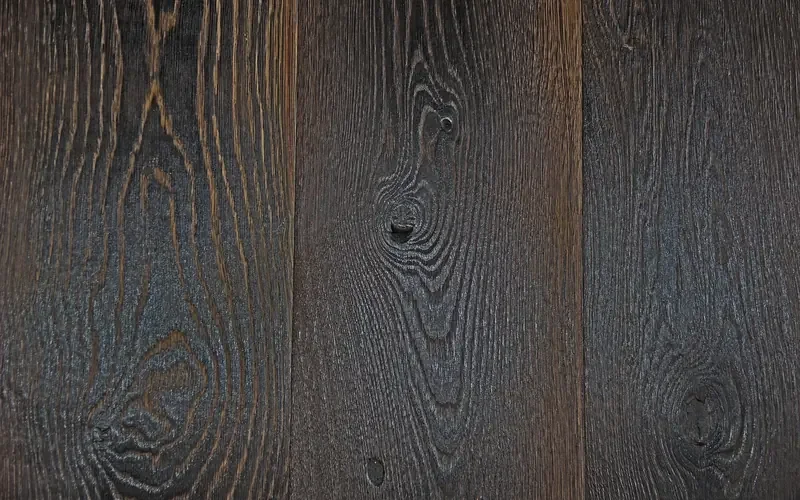
| Gray to black spot or ring | Urine passed the finish and reacted with the wood | 3% peroxide poultice, test spot first | Spot sand and refinish the board |
| Dark stain plus soft, cupped, or sour-smelling boards | Moisture damage, possibly into the subfloor | Stop cleaning | Replace the affected boards |
If the mark on your floor is a pale white ring instead, it is probably a water mark and not urine at all; the guide to getting rings out of wood covers that fix.
Why Vinegar Is the Wrong First Move
Nearly every article on this topic starts with white vinegar and water, and most homeowners reach for it first. It is a weak choice for two reasons. Vinegar is an acid, and flooring professionals warn that using it again and again can dull a polyurethane or other film finish. It also does nothing for a stain that has already darkened the wood, because that color is in the grain and not on the surface.
A pH-neutral wood floor cleaner is the safer opening move. If you want to compare options, the wood floor cleaner comparison by pH lists which ones are gentle on finishes. Save the stronger treatments for stains that show they need them.
How to Clean a Fresh Urine Stain Off Sealed Hardwood
- Blot, do not rub: Press paper towels onto the spot until they come up dry. Rubbing pushes urine into the seams between boards.
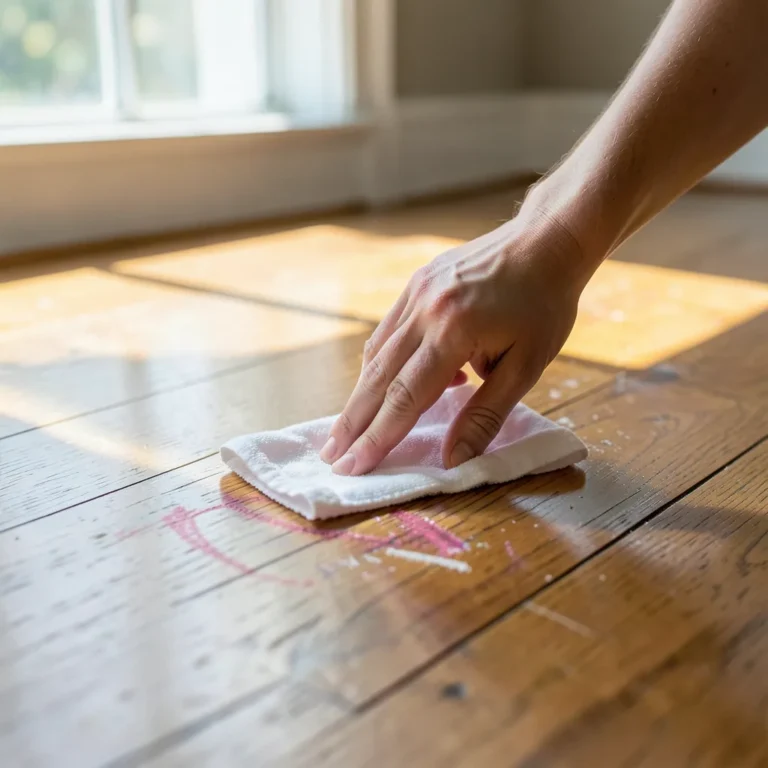
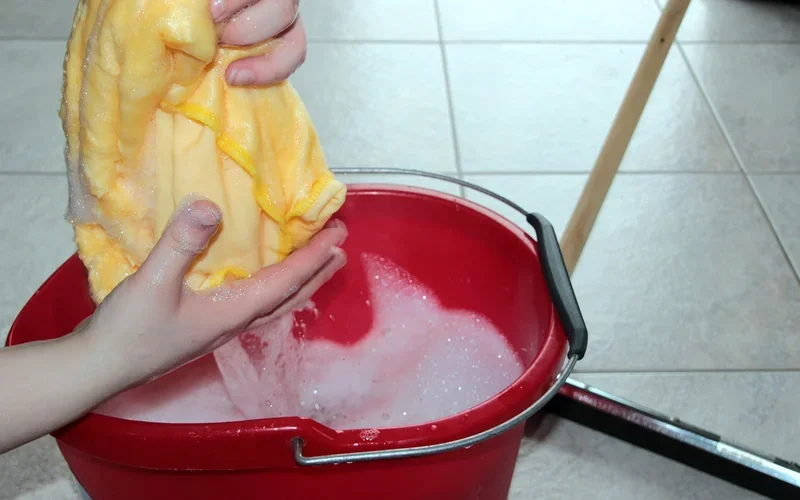
- Wipe with a damp cloth: Use a cloth wrung out in warm water with a drop of mild dish soap, then wipe with a second cloth dampened with plain water. Keep the cloth damp, never wet, so water does not follow the urine into the joints.
- Apply an enzyme cleaner: Spray it on the spot following the label, and keep the area wet by covering it with plastic wrap. Enzyme cleaners work only while they are damp, and the label tells you how long to leave them.
- Dry the area: Remove the wrap, wipe up the leftover cleaner, and dry the floor with a towel or a fan.
- Check after 24 hours: If the odor or the color is back, go to the next row in the table instead of repeating the same step a fifth time.
A note on timing: stains that are only hours old sit mostly in the finish, which is why the first day is the easy window. The longer urine stays, the deeper it moves, and old, hardened residue can block an enzyme cleaner from reaching what it needs to break down.
Set-In Dark Stains: The Peroxide Poultice
When the spot has already gone gray or black, you are dealing with urine in bare wood. The standard home fix is hydrogen peroxide, which acts as a mild bleach on organic stains. Use the 3% solution from the first aid aisle. Stronger hair-developer peroxide (around 12%) can bleach wood unevenly and damage the finish around the stain.
- Test first: Dab peroxide on a hidden spot such as inside a closet and wait for the result, because it can lighten wood permanently.
- Open the finish over the stain if the floor is sealed: Peroxide cannot reach wood that is still under intact finish, so the stained patch usually needs the finish lightly sanded through first. If you are not ready to sand, this treatment will not work on a sealed floor.
- Soak a white cloth or paper towel: Lay it over the stain and cover it with plastic wrap so it stays wet.
- Wait one to two hours: Check every 30 minutes. Stop when the stain matches the surrounding wood.
- Rinse and dry: Wipe with a damp cloth, then dry. Repeat over several days if needed rather than leaving it on overnight.
If you plan to use peroxide across a larger area, the hydrogen peroxide on hardwood floors guide goes deeper on how it behaves on different finishes.
Safety: What Never to Mix With Urine Cleaners
Cleaning urine tempts people to stack products, and some combinations are dangerous. A CDC MMWR report on accidental chemical mixing documents that bleach combined with ammonia-containing products releases toxic fumes, and bleach combined with acids releases chlorine gas, with real cases of hospitalization. Vinegar is an acid, so never use it with bleach.
- Bleach and ammonia: never combine them, and do not follow one with the other on the same spot without rinsing and ventilating.
- Bleach and vinegar: never combine them, since bleach plus an acid produces chlorine gas.
- Peroxide and other cleaners: use peroxide alone, not mixed into other products.
- Oxalic acid: sold as wood bleach and aimed at iron-tannate (black water) stains rather than urine. If you choose it, follow the maker label and safety data sheet for gloves, eye protection, ventilation, and neutralizing.
Ventilate the room, wear gloves, and keep pets and children off the floor until the area is fully dry.
When to Stop Cleaning and Refinish or Replace
Cleaning has limits. If a dark stain survives two or three peroxide rounds on a board that is still firm, the practical fix is to sand the stain out and refinish that area. A recoat will not cover a stain that is inside the wood. If you have not yet checked what finish your floor has, the guide to renewing wood floors without sanding starts with a finish test that tells you whether a recoat is even possible.
Replace the boards when they feel soft, have cupped, or still smell after cleaning. Those signs mean the urine reached the subfloor or soaked deep into the board, and surface treatment will not reach it. Pet owners dealing with repeat accidents should also see the pet-specific fresh versus black stain guide.
Frequently Asked Questions
Can urine stains be removed from hardwood floors?
Yes, if the urine has not reached bare wood. Fresh and yellow stains on a sealed floor usually come out with blotting and an enzyme cleaner. Dark or black stains have soaked into the wood itself, so they need a peroxide poultice, spot sanding, or board replacement.
Does vinegar remove urine stains from hardwood?
Not reliably, and it is a poor first choice. Vinegar is an acid that flooring pros warn can dull a finish with repeated use, and it does not lighten a dark stain. Blot, use a pH-neutral cleaner, then an enzyme cleaner, and keep vinegar away from any bleach product.
Why does urine turn hardwood floor black?
Once urine gets through the finish and sits in the bare wood, it reacts with natural tannins in species like oak and darkens the grain. That is why a black stain sits in the wood rather than on top of it, and why surface cleaners do not shift it.
Does hydrogen peroxide damage hardwood floors?
It can lighten the wood or the finish, because 3% peroxide is a mild bleach. Test it in a hidden spot first, use the 3% drugstore strength rather than 12% hair developer, and stop as soon as the stain matches the surrounding wood.
When should you sand or replace urine-stained boards?
Sand or refinish when a dark stain survives two or three peroxide rounds but the board is still firm. Replace boards that are soft, cupped, or still smell after cleaning, because the damage has reached the wood or subfloor and cleaning cannot fix it.
Bottom Line
Read the stain before you treat it. Fresh and yellow stains respond to blotting and an enzyme cleaner, dark stains need peroxide or sanding, and soft boards need replacing. Skip vinegar as a first step, and never mix bleach with ammonia or acids.
Sponsored / affiliate links. As an Amazon Associate I earn from qualifying purchases. I may earn additional commission from eligible campaigns.