Disadvantages of Engineered Wood Flooring (8 Real Drawbacks)
Engineered wood flooring’s veneer typically allows just 1 to 3 refinishing sandings, versus 4 or more for solid oak, and water-resistant cores can still swell if water sits at the seams. A veneer under 2mm cannot be sanded at all, only screen-and-recoated, and a low-grade core can shave resale value in solid-hardwood-dominant markets. This guide covers refinish limits by veneer thickness, HDF vs. plywood core quality, and resale impact.
For the full rundown of every flooring type on the market, see our wood flooring guide — this article focuses specifically on where engineered wood falls short.
Quick Answer
The main disadvantages of engineered wood flooring: it can only be refinished 1–3 times (0 times if the veneer is under 2mm), moisture can still swell it at the seams despite “water-resistant” marketing, core quality varies widely between HDF and plywood, and low-grade product can lag solid hardwood on resale in some markets. Higher-grade engineered floors (4mm+ veneer, HDF core) avoid most of these issues.
Durability Concerns
Best Subfloor Moisture Meter Pick
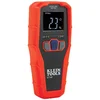
Klein Tools ET140 Pinless Moisture Meter
Since moisture is the drawback that actually ruins engineered floors, checking subfloor moisture before installation catches the problem while it is still cheap to fix.
- Best for: checking subfloor moisture on drywall, wood, and masonry before laying engineered flooring
- Why we picked it: pinless design leaves no holes in the subfloor, and it reads to the 3/4-inch depth the NWFA recommends checking
- Main drawback: gives a relative reading, not an exact moisture percentage — pair it with the flooring manufacturer’s installation spec
Compare more moisture meter options
 Option 1 General Tools MMD7NP Digital Moisture Meter
|
 Option 2 Povlen Pinless Wood Moisture Meter
|
 Option 3 AEGTEST AWT-380 Rechargeable Moisture Meter
|
As an Amazon Associate we earn from qualifying purchases.
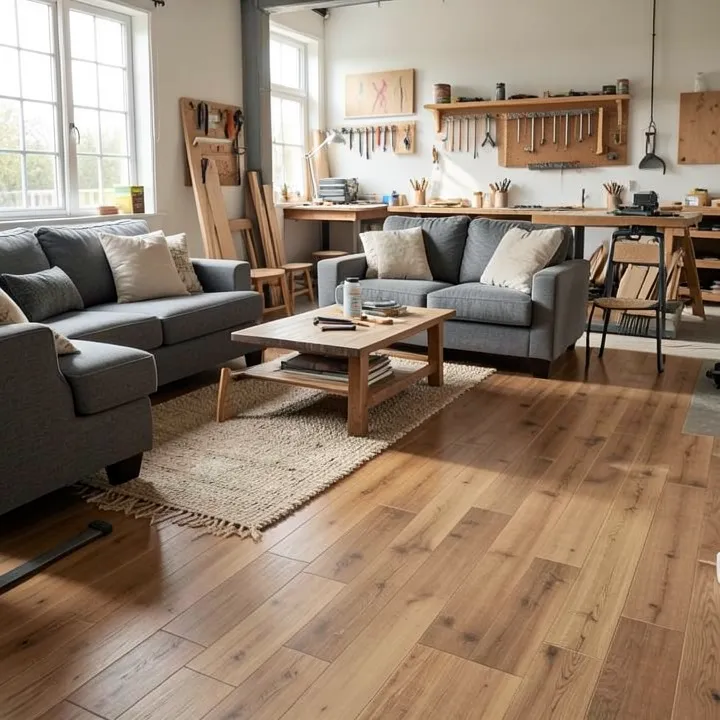
Engineered wood scratches about as easily as solid hardwood with the same finish — the topcoat, not the wood species, determines scratch resistance. Pet claws, dragged furniture legs, and grit tracked in on shoes cause most of the marks. Furniture pads, trimmed pet nails, and regular sweeping prevent the majority of visible damage.
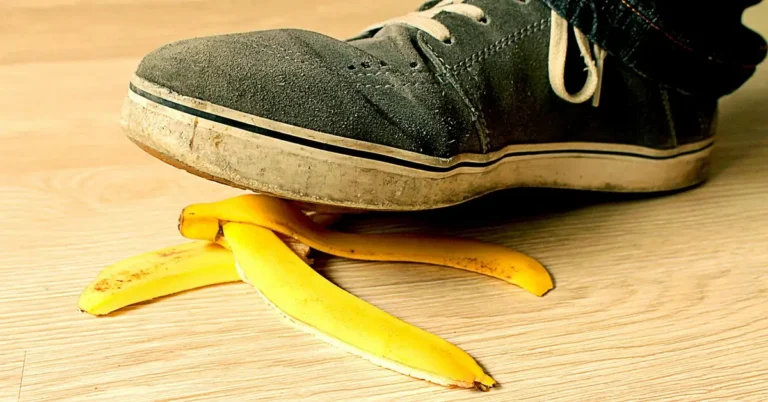
The bigger risk is standing water. A spill wiped up within minutes is rarely a problem, but water left sitting for 24–48 hours can swell the veneer and cause cupping at the plank seams — even on floors marketed as water-resistant. A water-resistant top coat sheds spills off the surface; it does not seal the seams between boards, which is why kitchens and full bathrooms remain higher-risk rooms for this flooring type.
Limited Refinishing: How Many Times Can You Sand It?
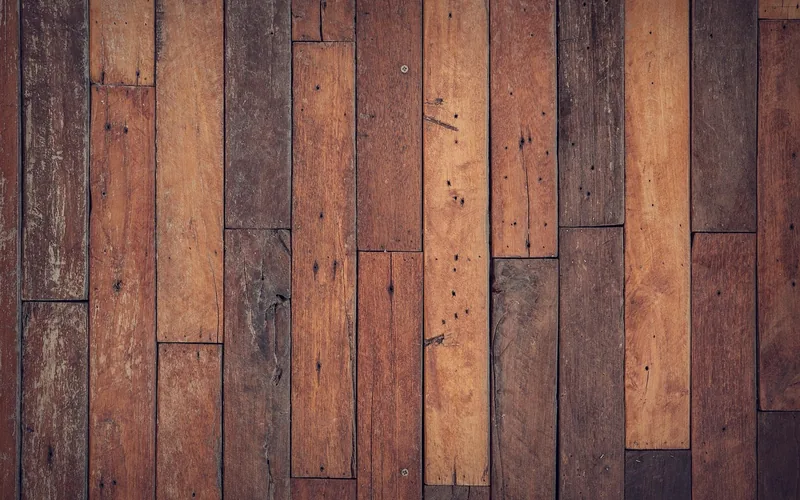
Refinishing potential is set by the wear layer — the veneer of real wood on top — not by the plank’s total thickness. A drum sander removes roughly 0.5–1mm of wood per pass, and at least 1mm of veneer needs to stay intact afterward to protect the core underneath. That single spec is why two floors that look identical can have completely different refinishing lifespans.
| Veneer (Wear Layer) Thickness | Refinishing Potential | Typical Product Grade |
|---|---|---|
| Under 2mm (often 0.6mm rotary-cut) | 0 sandings — screen-and-recoat only | Entry-level, budget click-lock planks |
| 2mm | 1 light sanding | Mid-grade engineered planks |
| 3mm (1/8″) | 1–2 sandings | Standard to upper mid-grade |
| 4mm | 2–3 sandings | Premium engineered hardwood |
| 6mm and up | 3–4 sandings, near solid-wood range | High-end, thick-veneer engineered |
“A 2mm veneer can sustain one to two light refinishing passes before the wood becomes too thin to sand safely; a 4–6mm veneer can sustain multiple full refinishes over the floor’s lifetime, approaching the longevity advantage of solid hardwood.”
If your existing floor is due for its first or second sanding, our guide on whether you can refinish engineered hardwood walks through how to check your veneer thickness before calling a pro.
Core Quality Varies: HDF vs. Plywood Core
Not all engineered wood flooring is built the same way underneath the veneer, and the core material is a bigger quality swing factor than most buyers realize. HDF (high-density fiberboard) core is fibers bonded with resin under heat and pressure into a uniform, void-free panel — it typically tests around 1700 on the Janka hardness scale, which is why HDF-core click-lock floors feel firmer underfoot and hold their locking joints tightly over time.
Plywood core is cross-laminated hardwood veneers, with a Janka rating that depends on the species used for the inner plies — as low as 500 for poplar, up to roughly 1200 for birch. Plywood can have small knots or voids in the inner layers that HDF does not. The trade-off: HDF resists water absorption better, but a wetted plywood core is more likely to shrink back close to its original size once it fully dries, while a wetted HDF core is less forgiving if it does take on water.
Because so much of the floor’s real-world performance rides on the core, checking the subfloor’s moisture level before installation — see our engineered wood flooring installation guide — matters more than the veneer species you pick.
📊 The NWFA recommends testing subfloor moisture at a minimum of 20 locations per 1,000 sq. ft. before installing wood or engineered wood flooring, with the subfloor and flooring moisture content kept within about 4% of each other. — Source: National Wood Flooring Association, Technical Guidelines
Environmental Impact
Engineered wood flooring uses less solid timber per square foot than a solid hardwood plank, since only the top veneer is real wood and the core can use fast-growing species or wood fiber. That is a genuine resource-efficiency advantage over solid wood.
The trade-off is the adhesives and resins used to bond the layers, which are a chemical input solid hardwood does not need. Lower-grade engineered products can off-gas VOCs for a period after installation. If indoor air quality is a concern, look for products carrying a FloorScore or CARB Phase 2 compliance label — both indicate the manufacturer has tested emissions rather than just claiming “eco-friendly.”
Does Engineered Wood Flooring Lower Resale Value?
Usually not, if the product is good quality — but it depends on the market. Appraisers generally categorize engineered and solid hardwood together as “hardwood flooring” as long as the surface is a real wood veneer, and a properly installed, well-maintained engineered floor adds value the same way solid wood does.
Where it can matter: in humid or temperature-swing regions, engineered flooring’s dimensional stability is often the preferred choice, so it carries no resale penalty there. In older, solid-hardwood-dominant markets, buyers sometimes view engineered flooring as a cost-cutting substitute unless the product is visibly premium-grade (thick veneer, name-brand core). A visibly thin, peeling, or low-grade veneer is the scenario that actually drags resale down — not the fact that the floor is engineered. For a side-by-side on how the two construction types compare beyond resale, see our engineered wood vs. plywood comparison.
Maintenance Challenges
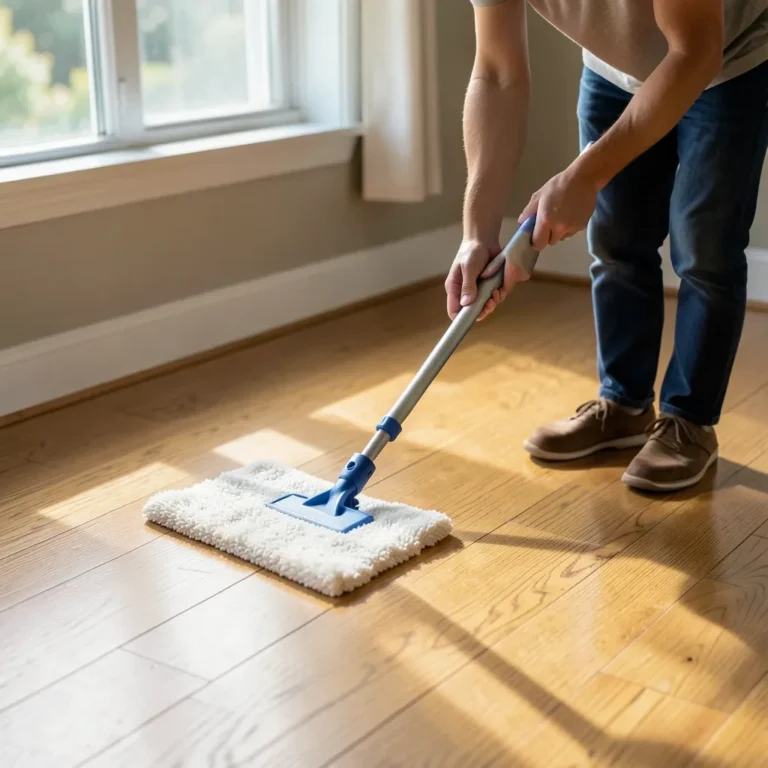
Engineered wood needs gentle, dry-leaning care: a damp mop instead of a wet one, spills wiped up immediately, and grit swept or vacuumed before it can grind into the finish underfoot. Always check a cleaner’s label — ammonia and wax-based products can dull or damage the factory finish.
See our full engineered wood flooring cleaning guide for a room-by-room routine. Solid wood floors can typically be refinished many more times over their lifespan — see prefinished solid wood floors for that comparison — while engineered wood is capped at the sanding limits in the table above. Sanding beyond the veneer’s remaining thickness exposes the core and ruins the plank, so always hire a professional for anything beyond a screen-and-recoat.
Cost Implications
Engineered wood typically costs less upfront than solid hardwood but more than laminate, LVP, or plywood-based alternatives — you’re still paying for a real wood veneer and factory-applied finish. Professional installation adds to the total, and thicker, premium-veneer products cost more than thin rotary-cut budget planks.
Long-term costs come from the limits covered above: fewer refinishing cycles than solid wood means a worn floor gets replaced sooner rather than sanded and recoated indefinitely, and matching discontinued planks for a repair can be difficult. If budget is the main driver, our hardwood vs. LVP comparison covers a cheaper, fully waterproof alternative worth weighing against engineered wood.
Aesthetic Limitations
Rotary-cut veneers (common on budget engineered planks) produce a broader, more repetitive grain pattern than the flat or quarter-sawn grain of solid hardwood, so cheaper products can look visibly more uniform — almost printed — up close. Premium sliced-cut veneers close most of this gap but cost more.
Authenticity Concerns
Because only the top layer is solid wood, some buyers feel engineered flooring lacks the depth and character of a solid board sawn entirely from one piece of timber. This is a real, if subjective, difference — and it’s the tradeoff engineered wood makes in exchange for better dimensional stability against humidity swings than solid wood offers.
Frequently Asked Questions
What are the main drawbacks of engineered wood flooring?
The main drawbacks are limited refinishing (1–3 sandings versus 4 or more for solid oak), moisture sensitivity at the plank seams, core quality that varies between HDF and plywood, and a higher upfront cost than laminate or LVP. Higher-grade products with a 4mm-plus veneer and an HDF core minimize most of these issues.
Does engineered wood flooring scratch easily?
It scratches about as easily as solid hardwood with a comparable finish, since the topcoat — not the wood species — determines scratch resistance. Furniture pads, trimmed pet nails, and regular sweeping prevent most visible damage.
Can engineered wood floors be refinished, and how many times?
Yes, but only if the veneer is thick enough. A 2mm veneer typically allows one light sanding, 3mm allows one to two, and 4mm or more allows two to three. Veneers under 2mm can only be screen-and-recoated, never fully sanded, without risking exposure of the core.
Is engineered wood flooring eco-friendly?
It’s a mixed picture. It uses less solid timber per square foot than solid hardwood, which is a genuine resource advantage, but the adhesives and resins used to bond the layers are a chemical input solid wood doesn’t need. Products with a FloorScore or CARB Phase 2 label have verified low emissions.
Does engineered wood flooring lower a home’s resale value?
Generally no, if it’s good quality — appraisers typically group engineered and solid hardwood together as long as the surface is a real wood veneer. Visibly thin, peeling, or low-grade product is what actually hurts resale, not the fact that a floor is engineered.
How long does engineered wood flooring last?
A quality engineered floor with a 4mm-plus veneer and HDF core can last 25–30 years or more with 2–3 refinishing cycles. Thin-veneer budget products (under 2mm) typically need full replacement in 10–15 years since they can’t be sanded when the surface wears through.
Conclusion
Engineered wood flooring’s real drawbacks — limited refinishing, seam-level moisture sensitivity, and core quality that varies by manufacturer — are all specification issues, not reasons to rule it out. Check the veneer thickness, confirm the core type, and test subfloor moisture before installing, and most of these disadvantages become manageable rather than deal-breaking.
Sponsored / affiliate links. As an Amazon Associate I earn from qualifying purchases. I may earn additional commission from eligible campaigns.