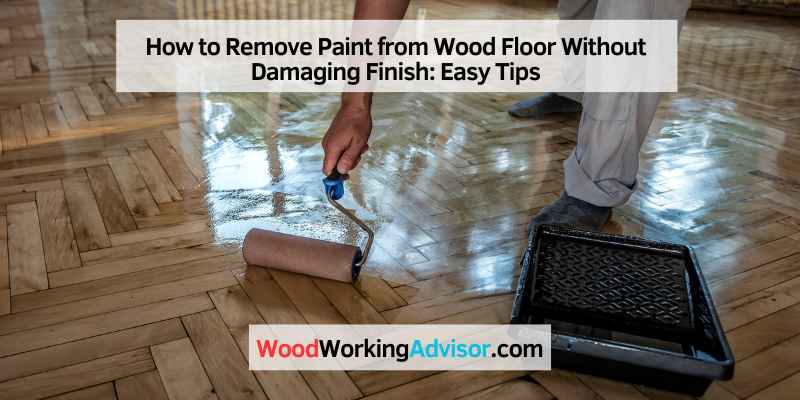
How to Remove Paint From a Wood Floor Without Damaging the Finish
Removing paint from a wood floor without damaging the finish starts with identifying what’s actually on the floor — polyurethane tolerates a brief alcohol wipe, but wax and shellac don’t. Using the wrong method, like a hot heat gun on wax or a soaked rag left sitting on polyurethane, strips the finish right along with the paint. This guide covers testing your paint and finish type, the safest removal method for each, and the mistakes that ruin floor finishes.
This guide covers indoor wood flooring specifically — for an exterior deck, see our guide to removing paint from a wood deck instead, since outdoor finishes and weather exposure call for different products. For more on caring for wood floors generally, visit our wood flooring care hub.
What You’ll Need
Best Paint-Removal Heat Gun Pick
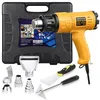
SEEKONE 1800W Variable-Temp Heat Gun Kit – $39.99
A low, adjustable temperature setting is exactly what the heat method above needs — too hot and you risk scorching the finish along with softening the paint.
- Best for: Dialing in a low, controlled heat for softening dried paint on finished floors
- Why we picked it: Variable 122–1112°F range lets you start low and test, matching the caution this guide recommends
- Main drawback: Bulkier than a basic hairdryer for small touch-up spots
Compare more paint-removal and floor-care options
 Option 1 MR.SIGA Microfiber Cloths (12-Pack) – $13.99
|
 Option 2 Bona Hardwood Floor Polish – $20.98
|
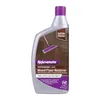 Option 3 Rejuvenate Wood Floor Restorer – $16.61
|
As an Amazon Associate we earn from qualifying purchases.
- Plastic putty knife or scraper (never metal)
- Mild dish soap and warm water
- Rubbing alcohol
- Fresh lemon juice
- Lint-free microfiber cloths
- Hairdryer or variable-temperature heat gun
- Cotton balls or a soft cloth for testing
Identify Your Paint Type First
Dab a cotton ball in warm soapy water and press it on the paint for a few seconds. If the paint softens or wipes away, it’s water-based (latex). If nothing happens, dab a fresh cotton ball with rubbing alcohol instead — if the paint softens or turns tacky this time, it’s oil-based. This test takes under a minute and decides which method below is safe to use.
Identify Your Floor’s Finish Before You Start
The finish under the paint matters as much as the paint itself — the same solvent that’s perfectly safe on one finish can strip another. Test any method on a hidden spot (inside a closet, under a rug) before using it on visible flooring.
| Finish Type | Safe to Use | Avoid |
|---|---|---|
| Polyurethane | Soapy water; brief rubbing alcohol contact (wipe off within a minute) | Alcohol or solvent left sitting for several minutes — dulls the sheen |
| Wax | Warm soapy water only | Any chemical stripper or solvent — strips the wax layer along with the paint |
| Shellac | Soapy water; alcohol only as a quick dab, never a soak | Heat guns and chemical strippers — shellac re-softens under both |
| Oil finish (Danish, tung oil) | Soapy water; light scraping only | Vigorous scrubbing or ammonia — the finish sits in the grain and lifts with hard rubbing |
Not sure which finish you have? Look at the sheen: polyurethane is the glossiest and most common on floors refinished after 2000; wax has a soft, low sheen and feels slightly tacky when new; shellac often has an amber tint and is common on floors refinished before the 1970s. An oil finish like linseed oil sits inside the wood grain rather than forming a surface film, which is why vigorous scrubbing lifts it faster than it would a polyurethane coat.
How to Remove Latex (Water-Based) Paint From a Wood Floor
Latex paint is the easiest to remove and the safest on every finish type above. Scrape off as much dried paint as possible with a plastic putty knife held at a shallow angle — wedge the edge under the paint to lift it rather than scraping across the finish. Mix warm water with a few drops of mild dish soap, dampen a microfiber cloth, and drape it over the remaining paint for a minute to soften it before wiping. Rinse with a clean, barely-damp cloth and dry immediately — standing water is harder on most floor finishes than the paint was.
How to Remove Oil-Based Paint From a Wood Floor
Oil-based paint needs a solvent — mineral spirits or rubbing alcohol — but only on polyurethane or well-cured finishes (see the table above). Scrape off loose paint first, then dampen a cloth with the solvent and rub gently, checking the finish every few wipes. Never pour solvent directly onto the floor; work from the cloth so you control how long it sits in one spot. Ventilate the room and keep the area clear of open flames or pilot lights while you work. If solvent alone won’t cut it, step up to a wood-safe paint stripper and confirm the label rates it for finished floors, not just bare wood.
Removing Stubborn or Dried Paint With Heat
For paint that won’t budge with soap or solvent, a hairdryer or heat gun on its lowest setting will soften it. Hold the tool a few inches above the paint and move it in small circles for 10–20 seconds — watch for the paint to start bubbling, then stop. Lift the softened paint immediately with a plastic scraper. Never leave the heat in one spot longer than that window; polyurethane and wax both scorch or bubble under sustained direct heat, and shellac should not be heat-treated at all (use soap and water instead).
Natural, Eco-Friendly Removal Method (Vinegar and Lemon Juice)
For a chemical-free option that works on most finishes, mix three parts rubbing alcohol with one part fresh lemon juice. The acidity in the lemon juice helps loosen the paint while the alcohol breaks it down.
- Mix the solution: Combine 3 parts rubbing alcohol to 1 part fresh lemon juice in a small bowl.
- Soak the paint: Saturate a soft cloth and lay it over the paint spot for about 5 minutes.
- Scrub gently: Use a nylon scrub brush or the soft cloth to work the paint loose — never a metal brush.
- Rinse and dry: Wipe with a clean, barely-damp cloth, then dry the area immediately.
Common Mistakes That Damage Wood Floor Finishes
Most finish damage during paint removal comes from a handful of repeated mistakes, not the paint removal itself:
- Using a metal scraper or putty knife instead of plastic
- Reaching for bleach or ammonia-based cleaners, which react badly with most finishes
- Running a steam cleaner over the spot — steam drives moisture into the wood itself
- Soaking the area instead of blotting, which can warp boards or cloud the finish
- Sanding as a first resort instead of a last one — it removes finish along with paint
- Skipping the hidden-spot test before using a new method on visible flooring
📊 Water-based polyurethane takes 21–30 days to fully cure, and oil-based polyurethane up to 30–60 days — if your floor was refinished recently, the coating can still be soft enough that solvents and heat damage it far faster than the guidelines above assume. Source: hardwood flooring industry curing guidelines, 2026.
Restoring Shine After Paint Removal
Once the paint is gone, the spot may look duller than the surrounding floor even though the finish underneath is intact. If the removal process also left light scratches, treat those first with a wood scratch remover before polishing. Clean the area, let it dry fully, then apply a small amount of a finish-matched polish in circular motions and buff with a clean cloth. Match the polish to your finish type from the table above — a polyurethane-specific polish on a wax floor will leave a hazy film instead of a shine.
When Paint Removal Isn’t Enough
If paint has soaked into bare wood, or scraping and solvents have left the finish patchy, a full wood floor refinish is usually faster than chasing the last traces by hand. For floors where the finish itself is just worn rather than damaged, a screen-and-recoat approach can renew the finish without full sanding. If the paint stain is on furniture, trim, or another unfinished wood surface rather than a floor, our guide on using a wire brush to remove paint from wood covers that method instead — it’s a different technique for a different surface.
“I treat every floor finish as more fragile than it looks. I dab any solvent on a hidden corner first and wait a full minute before deciding it’s safe — a polyurethane coat that looks cured can still be soft underneath for weeks after refinishing, and that’s exactly when a quick wipe turns into a dull patch.”
Frequently Asked Questions
What is the best cleaner to remove paint from hardwood floors?
For most floors, a solution of 3 parts rubbing alcohol to 1 part fresh lemon juice works best on dried paint without harming the finish. Soak a cloth over the spot for about 5 minutes before scrubbing gently with a soft brush. Test on a hidden area first, especially on wax or shellac finishes.
Can you remove paint from wood without damaging the wood?
Yes. Start with the gentlest method that will work — soap and water for latex paint, a solvent-dampened cloth for oil-based paint, or careful heat for stubborn spots. Always test a hidden area first and avoid metal scrapers, which scratch the finish even when the paint itself comes off cleanly.
How do you remove dried paint from a varnished wood floor?
Gently lift the edge of the dried paint with a plastic scraper, then dampen a cloth with rubbing alcohol and rub the spot until it softens. Wipe the area clean with a barely-damp cloth and dry it right away. Varnish tolerates alcohol better than wax does, but still test a hidden spot first.
Does vinegar remove paint from wood floors?
Yes, especially combined with lemon juice — the acidity helps break down dried paint. Soak a cloth in the solution, lay it over the paint for a few minutes, then scrape gently. It’s a good chemical-free option for light to moderate paint spots on most finishes.
Does rubbing alcohol damage polyurethane floor finish?
Not with brief contact. A quick dab or wipe is generally safe on a fully cured polyurethane floor, but leaving an alcohol-soaked cloth sitting for several minutes can dull the sheen or cause micro-cracking over repeated use. Wipe and dry the spot as soon as the paint lifts rather than letting the cloth sit.
How do you know what type of finish is on your wood floor?
Check the sheen and feel: polyurethane is the glossiest and most common on floors finished after 2000, wax has a soft low sheen and feels slightly tacky, and shellac often shows an amber tint and is more common on older floors. When in doubt, treat the floor as if it has the most sensitive finish (shellac) until you can confirm otherwise.
Conclusion
Removing paint from a wood floor without damaging the finish comes down to identifying the paint and finish type first, then using the gentlest method that will actually work — soap and water before solvents, solvents before heat, and heat before sanding. Test every method on a hidden spot, work in small sections, and dry the area immediately after cleaning. Get this order right and the floor underneath the paint stays exactly as it was before the spill.
Sponsored / affiliate links. As an Amazon Associate I earn from qualifying purchases. I may earn additional commission from eligible campaigns.